Behind the Scenes
‘The Crown’ Podcast Explores How the Royal Family Is Related to the Romanovs
“National matters are at odds with personal matters.”
Nov. 21, 2022
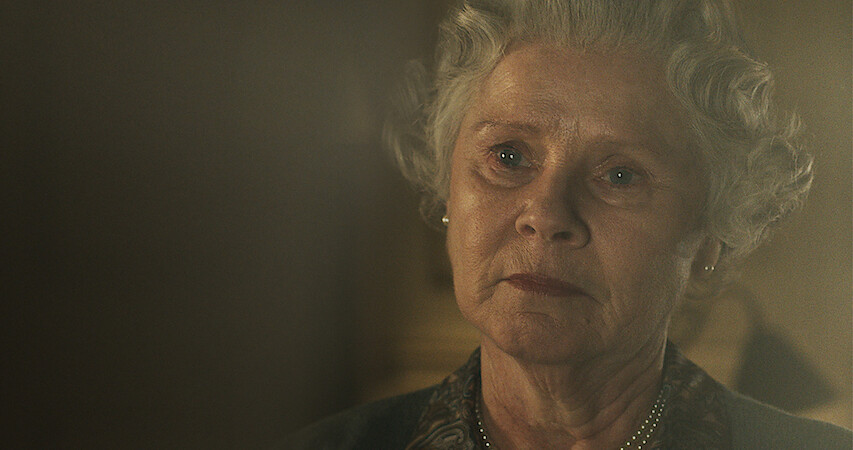
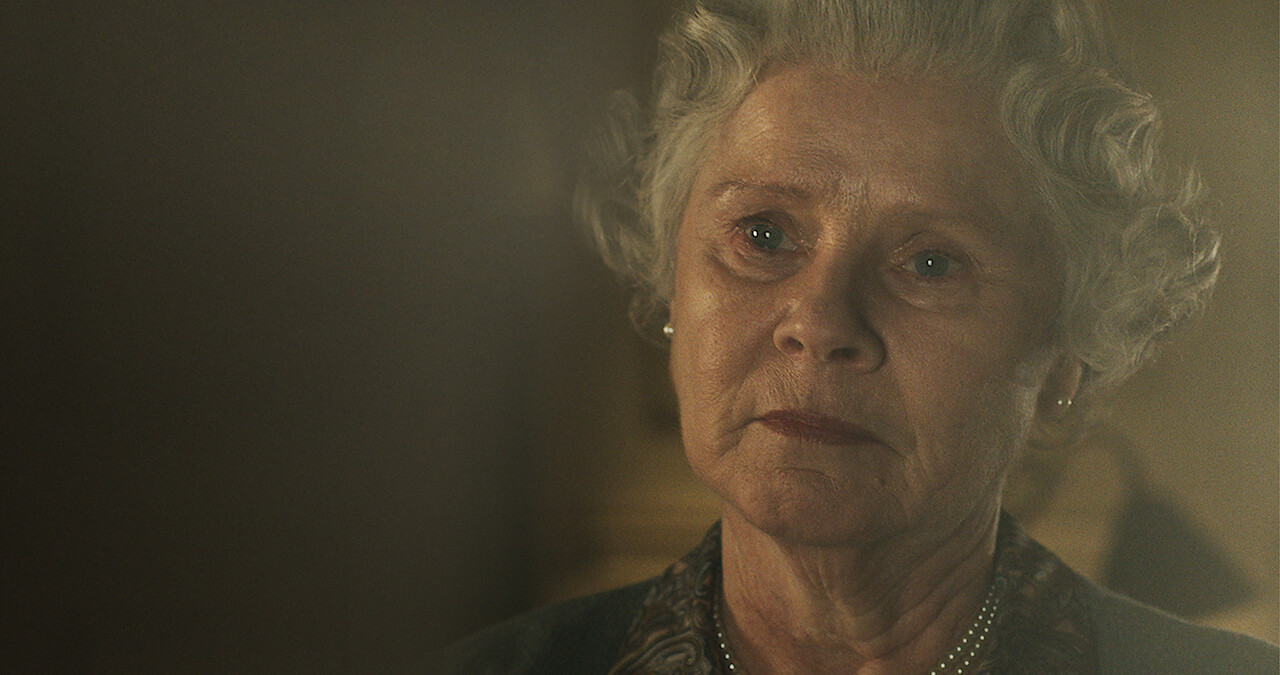
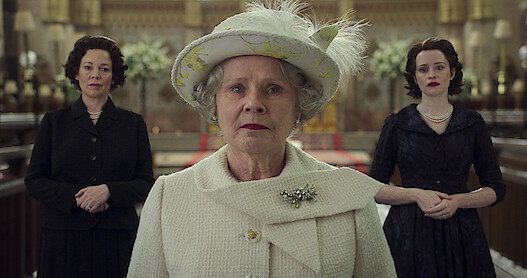
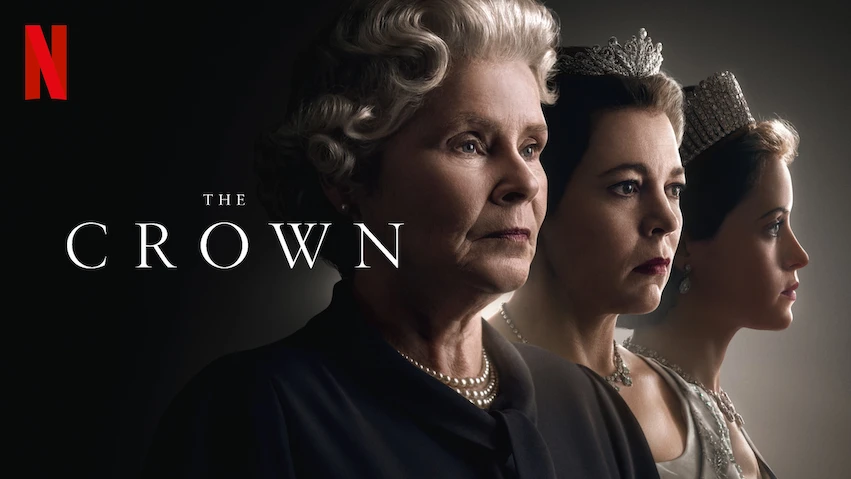
The sixth episode The Crown Season 5 takes us back to 1917, to the reign of King George V, the grandfather of Queen Elizabeth (Imelda Staunton). World War I is raging across Europe, and the king gets word that his first cousin, Tsar Nicholas II of Russia, is in need of asylum in the wake of the revolution that cost the Romanovs their throne. However, after consulting with his wife, Queen Mary, he decides that it’s too risky to shelter the Romanovs in England. Soon after, the tsar and his family are slaughtered by the Bolsheviks at Ipatiev House (giving us this episode’s title).
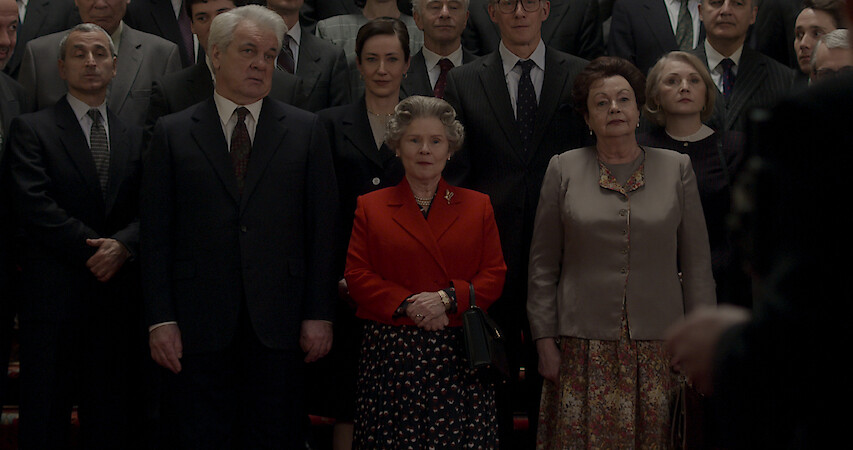
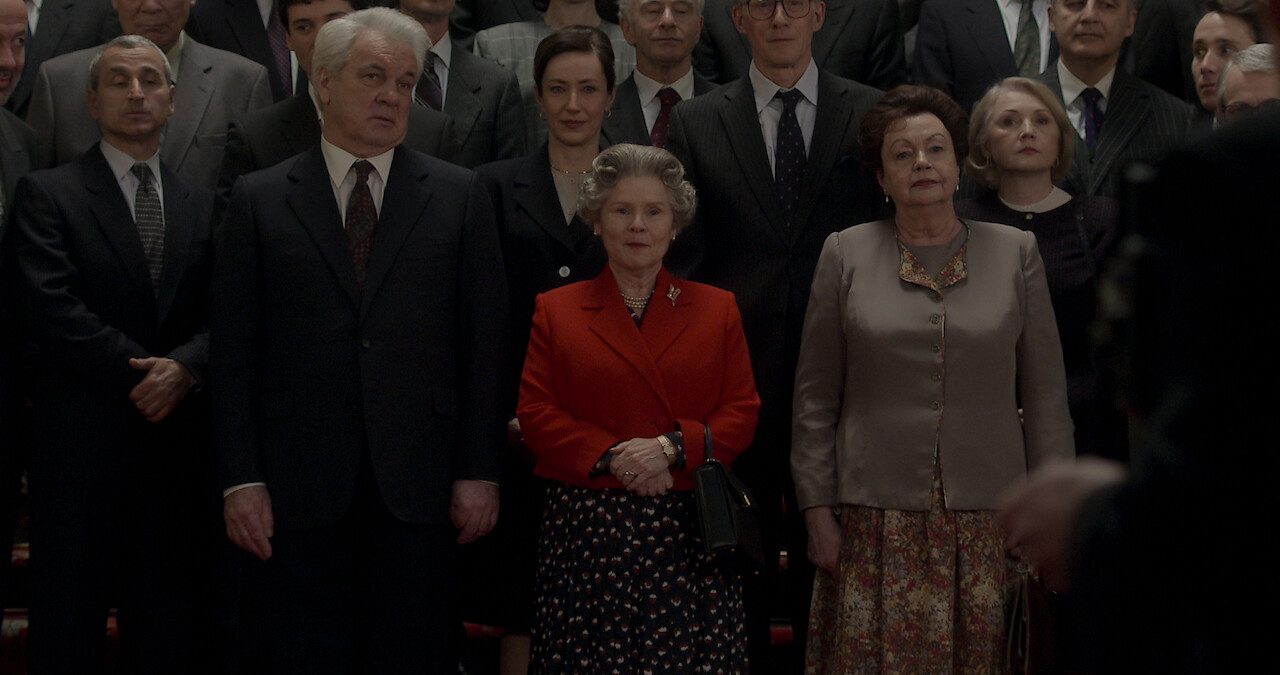
Fast-forward to 1991, after the fall of the Soviet Union, and newly elected Russian President Boris Yeltsin pays a visit to Buckingham Palace. During lunch, the queen broaches the uncomfortable topic of the Romanovs’ graves, which have yet to be found after all these years. When a group of scientists eventually discovers them, Prince Philip (Jonathan Pryce) — one of the closest living relatives of the tsar’s wife, Tsarina Alexandra — is called in to provide DNA to help authenticate the remains, sparking a newfound interest in his roots.
So how exactly is Prince Philip related to the Romanovs? Well, it all goes back to Queen Victoria. Philip’s mother was Princess Alice of Battenberg, her mother was Princess Victoria of Hesse and by Rhine, and her mother was Princess Alice of the United Kingdom, Queen Victoria’s third child. Tsarina Alexandra’s mother was also Princess Alice of the United Kingdom, making Tsarina Alexandra Philip’s great-aunt and Queen Victoria his great-great-grandmother.
In the sixth episode of The Crown: The Official Podcast, host Edith Bowman speaks to the show’s head researcher, Annie Sulzberger, about nailing the historical details of the British royal family’s long-rumored ties to the Romanovs’ demise. You can find an edited transcript of their conversation below. For even more background into “Ipatiev House,” listen to the full episode and hear from director Christian Schwochow and head of production design Martin Childs.
Edith Bowman: This episode is full of incredible historic detail, not only from a different century but from a different country as well. The start of this episode features the shocking execution of the Romanov family in 1918, a story which then connects us to the British royal family today.
I sat down with head of research for The Crown, Annie Sulzberger, to chat more about the historical context of this episode.
Bowman: Where do you want to start this time?
Annie Sulzberger: When I got the questions, I went, “Oh God, I’m going to have to explain World War I, I’m gonna have to explain the Russian Revolution, and then I’m gonna have to explain how all of the royal families all over Europe come from one gene pool. So, OK, big things.”
So we start, it’s 1917. World War I started in 1914. I will just give you the bare bones, which is that Russia and the United Kingdom are allies along with France, and the United States later, and their enemy is Germany along with the Austro-Hungarian Empire. Now 1917 is the year that the House of Saxe-Coburg-Gotha, which is what Windsor was known as, becomes the House of Windsor.
Right there, you know that there’s a lot of German blood in the British royal family. There’s obviously a lot of anti-German sentiment because we are at war with them, and the decision is made that they can no longer be called by a German name, so they become the House of Windsor. The anti-German sentiment is a very important part of what happens to the Romanovs. At the same time, because of World War I, you have a massive loss of life in Russia. There has long been socialist sentiment and anti-monarchy uprisings over the years, and Tsar Nicholas II agrees it’s time to step down and abolish the monarchy.

The monarchy is abolished in, I think, March of 1917, and that follows the February Revolution, which is the first part of the Russian Revolution and the Provisional Government that takes over. t’s not socialist; it’s made up of all the aristocrats, all the wealthy capitalists of Russia.
Now, the question is, what to do with these people? And whilst the Provisional Government is very sensitive to the sort of Romanov situation, at the same time in response to this government forming, you have what are called Soviets, which are like grassroots community organizations coming up. Those are the socialists. So, pretty much quite quickly after the February Revolution, you have these two parallel groups of power. The Provisional Government is technically in charge. No one knows if they’re really in, like, full danger yet of an any kind of assassination because the Provisional Government is quite sympathetic to them. So [the Russians] start asking around, who will have them?
Bowman: This is the royal family?
Sulzberger: Yes, the Provisional Government reaches out through their ambassadors to the British government and says, “For the duration of the war, would you take the Romanovs in exile?”
The British government takes the request to the British royal family, and at first, they say yes. And then they realize the impact that that would have, which is bring anti-monarchy sentiment to this country, which already exists; there’s a wave of socialism happening. The British people do not want these people here, and the House of Windsor would seriously be in threat. By this point, it’s very clear that socialists are probably gonna take over. There’s gonna be a Bolshevik Revolution, which happens in October. And if we take them, that’s exactly the opposite of what that new government wants from us.




Bowman: Siding with the old one?
Sulzberger: Yes. We need to keep Britain unified; we’re at war. We need to keep everybody feeling like this is the right thing to do. The Great War was so shocking. The loss of life, a whole generation of men, the men who returned, returned to nothing. You know, just keeping the British on course was important, but also the Tsarina was German, and people felt that she was German in sympathy still to this day. So they feared the consequences of providing these people to exile. They rescinded the invitation.
And they actually ask France, “Would you take them?” Spain, “Would you take them?” And nobody wants them. The German royal family was their best bet through the Tsarina, but they can’t because they’re at war with Germany. And the Romanovs at the start don’t want to go anywhere. They don’t think their lives are at threat. They just think they have to step down from power, they’re gonna go live in a dacha somewhere, it’s fine. And then the October Revolution happens; the Bolsheviks take over. What we have now is the civil war extending from that between the Whites and the Reds. The Red Army being the Bolsheviks, the White Army being the former pro-monarchy group.
The royal family, who had been sort of moved about a bit, are placed in Ipatiev House under house arrest. And when the White Army is approaching, which the Red Army doesn’t want to have happen because they will probably free the Romanovs and keep them safe, they decide that they need to be executed. So, they take them downstairs, they tell them they’re taking a photograph to prove that they’re still in captivity, and they are very, very brutally murdered.
It’s shocking to see the pictures of the wall after the firing squad. It’s a 12-man firing squad, and three of the girls essentially ended up having Kevlar on because they had diamonds sewn into their dresses so they could carry some wealth with them if they ever needed it. And it bounced the bullets back off. The firing squad just ramped up, and then they used the butts of their guns, the bayonets. It was unbelievably brutal assassination. Nobody really knows what has happened. They know, obviously, they’ve been executed, but nobody knows where their bodies are for a very long time.
We know that George wobbled — King George V — after he made the decision, and everybody agreed with him that it was probably the right decision not to bring them over. But it’s his family. National matters are at odds with personal matters.
There are rumors that he tried to make some sort of secret plans for the sort of early British secret services to get the family out. Also when he did get other relations after the war finished — aunts and uncles who’d obviously survived — he gave them stipends to live in Britain. He got them citizenship. So clearly, he felt quite a grave responsibility for what had happened.
Bowman: And he is what relation to our queen?
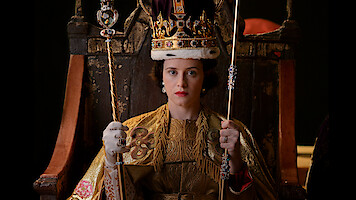
Sulzberger: He’s her grandfather. And his wife is Queen Mary, who you met in [Season 1] — the amazing Eileen Atkins played her — and probably one of the most influential royals in terms of training Elizabeth how to manage her responsibilities and to be the kind of royal that she will set out to be for the rest of her life.
Bowman: How do we know all this detail about what happened?
Sulzberger: There are actual records from the executioner, and starting in 1924, I think, there was a book published that detailed what they believed happened, which was pretty spot-on. Ipatiev House was actually demolished by [Boris] Yeltsin. He’s the sort of district politician, and they task him with getting rid of it because it’s becoming a pilgrimage site in the late ’70s for this sort of new wave of monarchists. And the socialist government will not have it.
So he demolishes the house, and for many years, they think the bodies are actually buried there. They’re not. They’re buried in the nearby forest, and two years later, a geologist and a filmmaker come together and they’ve read this book from 1924. They looked at this photograph in the book, which just shows what looks to me like a muddy puddle, and they’re convinced that’s the pit with the bodies. So they go and they investigate it on their own and they find three skulls, and they put them back because, in the political climate at the time, no one’s going to be thanking them for having found the Romanovs. They have to wait until essentially the USSR crumbles.
And what we know is that when [Mikhail] Gorbachev, who’s transforming the Soviet Union into a democracy, when he comes to visit the queen in 1989 on a state visit, he says, “Will you come and visit Russia on a state visit?” And she says, “Yes, but we would like to have some information about the whereabouts of the Romanovs first.” And these two guys thank her because they believe, without her putting pressure on Gorbachev, they would not have been allowed to dig up the bones.
Bowman: How did she know?
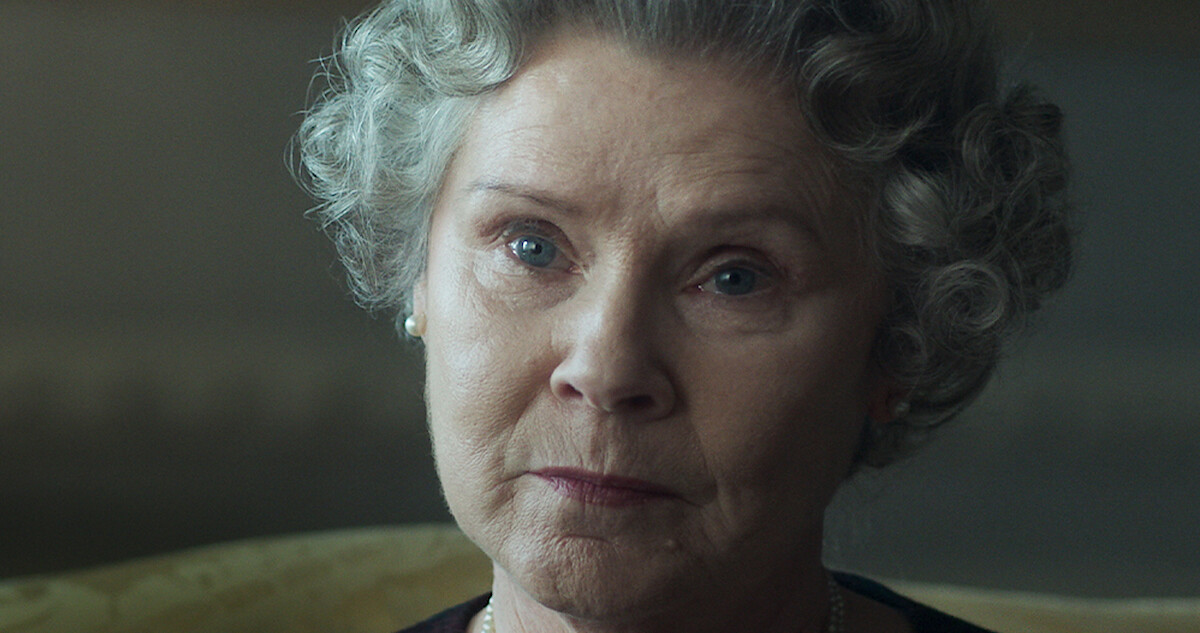
Sulzberger: The rumors about some of this stuff and her grandfather’s role in it… I think a book is published in 1977, but it’s 1983 when Kenneth Rose gets access to Windsor Archives and he does a much deeper dive into this story than any other historian has done yet. He figures out exactly what happened in the order of events, in terms of the granting, and then the rescinding of the asylum. And the manuscript is presented to her. One of her private secretaries says, “You should not let him publish this. They’ll hate you for it because it suggests that there’s a lot of very concrete evidence that your grandfather sealed their fate.” She just writes in the top, “Let him publish” and refuses to censor any of it.
From 1983, she knows what her grandfather decided, the role of advisor that her grandmother played in that decision as well, you know, and essentially that they are in some ways obviously responsible for the fate of Romanovs.
In 1991, Yeltsin becomes the first elected president of Russia. It changes from the USSR to the Russian Federation. It is now a democracy. There’s an attempted coup, which we show, from the hard-liner socialists that fails, and Yeltsin restores Gorbachev. They share power for about six months, but then he sort of uses that as a way to sort of say, “Your time is done. It’s really for me to move Russia forward now.” The day after he’s brought in as president, he authorizes the exhumation of the Romanovs. The two guys who found the bones way back in 1979 lead a team, and they uncover them and that’s where the start of our, “All right, we’ve got to identify each and every body. Philip, turns out you’re the key” story comes in.
This interview has been edited for clarity and length. For more, check out the full episode of The Crown: The Official Podcast.