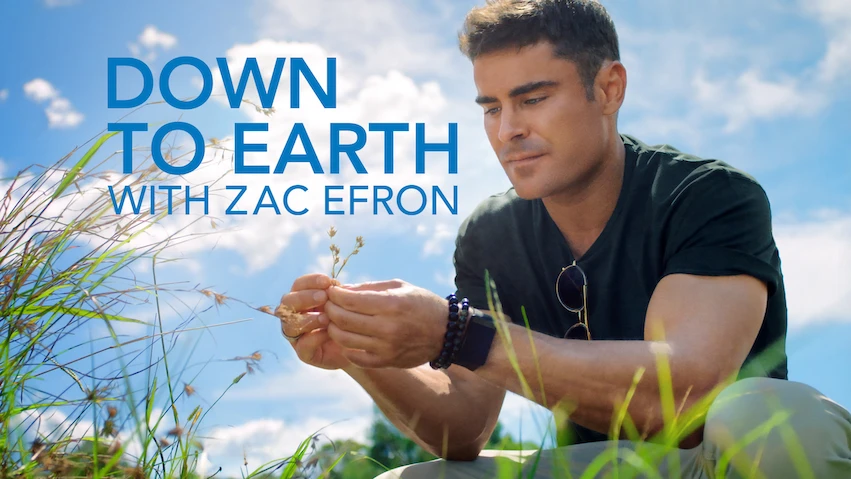
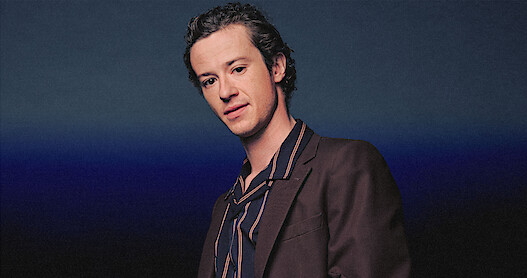
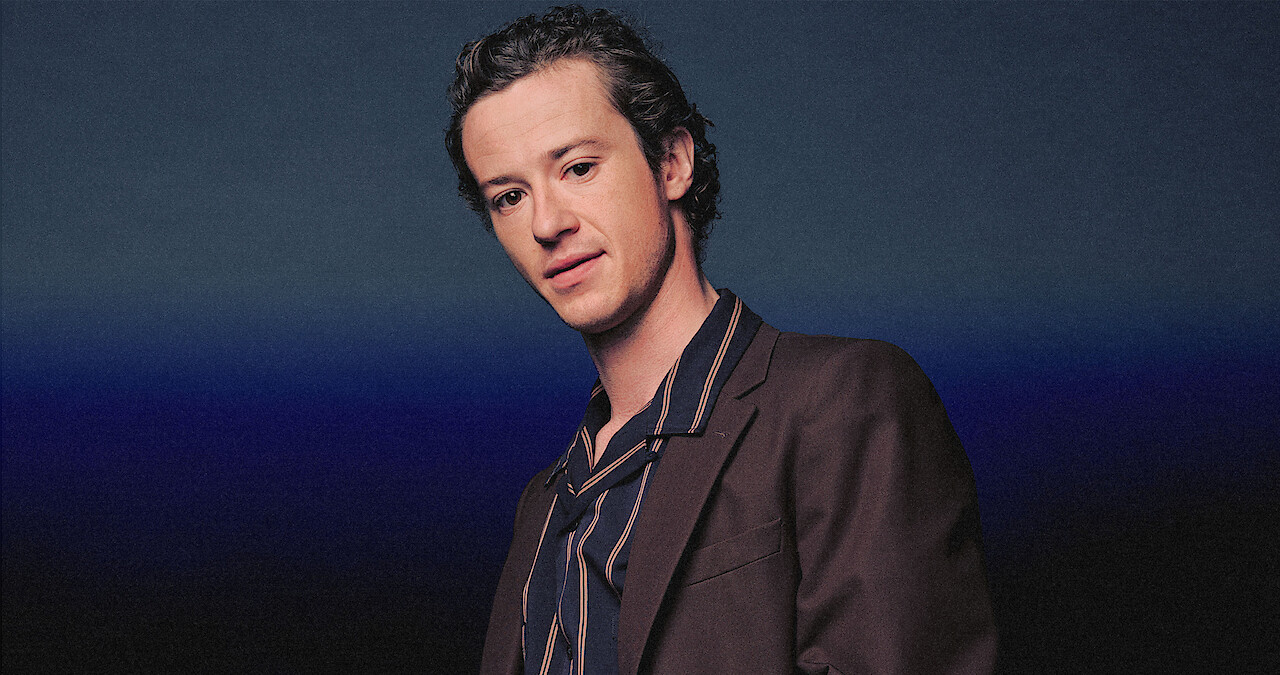
Despite the whole world being on lockdown, actor Zac Efron and wellness expert Darin Olien still managed to explore an entire world, of sorts, in Down to Earth with Zac Efron: Down Under, launching Nov. 11.
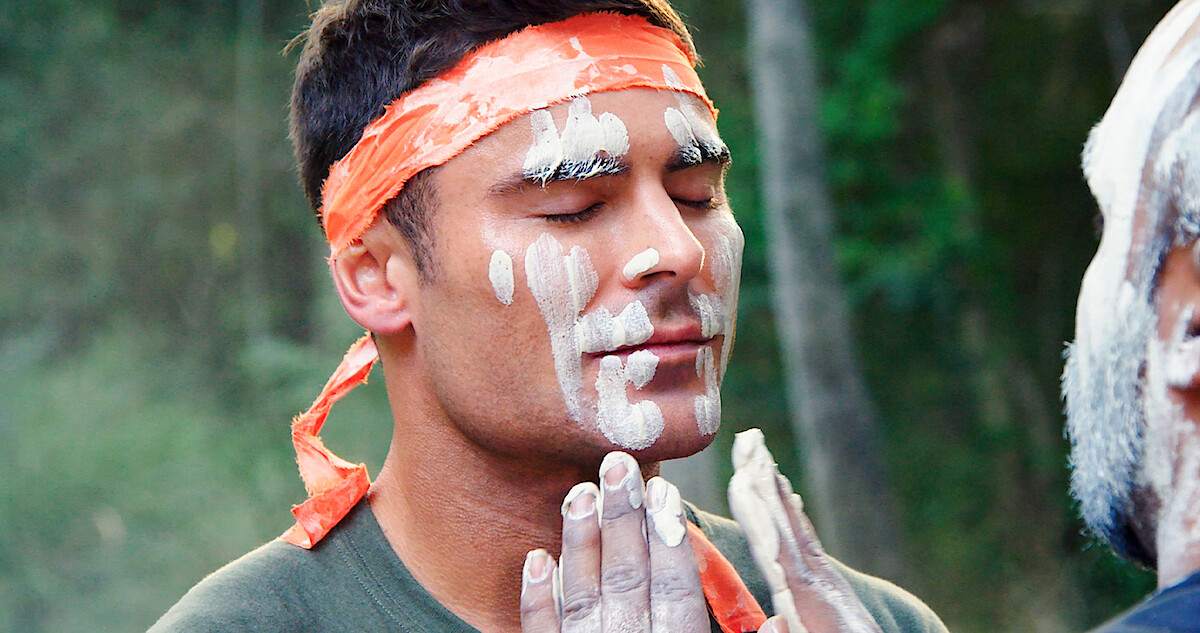
How did they do it? By going to a country (slash continent) that has, within its borders, a remarkable abundance of stunning ecosystems — from rainforests and waterfalls to vast eucalyptus forests and the colorful Great Barrier Reef. Australia is home to 500 different Indigenous communities who show Efron and Olien how to catch, forage and cook their own dinner, as well as cosmopolitan cities where upscale restaurants grow everything on-site.
“[Zac] moved out there towards the beginning of the pandemic [and] genuinely fell in love with it,” showrunner Michael Simkin tells Tudum. “He’d been there a lot for press and tours and traveled there personally, and he now has a group of friends and a community out there.”
Season 2 of the travel series is a love letter to Australia and holds a lot of inspiration for how all of us can live a more delicious, healthy, connected and interesting life.
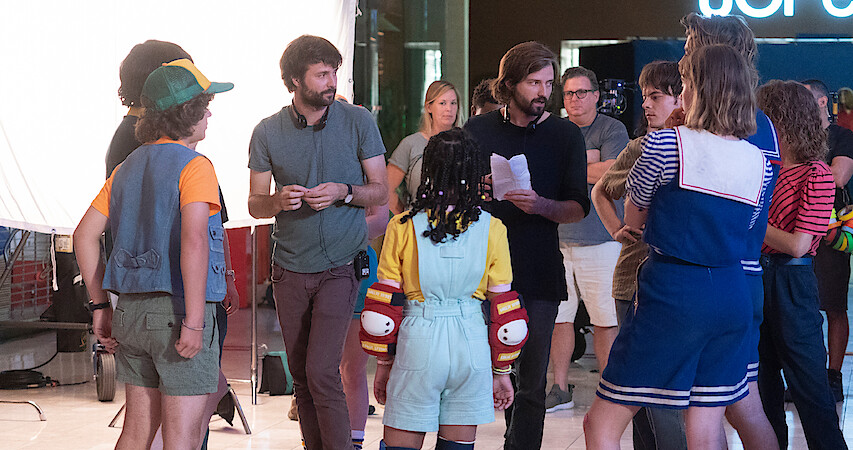
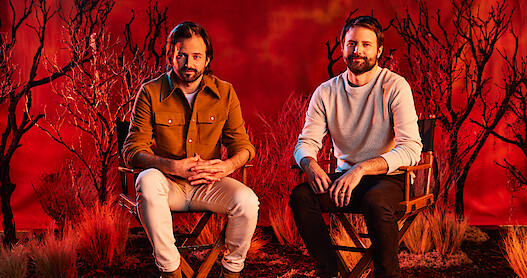
Ahead of the release of Down to Earth Season 2, we sat down with Simkin to get a behind-the-scenes look at what it was like to zip all over Australia (in an electric car, of course) with Efron and Olien, meet the locals, try fresh-caught shrimp on the wood-fired barbie and, yes, snuggle with some rescued koalas and baby kangaroos.
You filmed all over the world for the first season of Down to Earth. How did you end up filming a whole season just in Australia?
It wasn’t really a time when a travel show could be shot for the most part. But we realized the episodes [should] be about topics, and to use one whole country — [that’s also] a continent — [is] a pretty good microcosm [for] the world.
This show was always something we were figuring out as we were going. I love food. And Zac loves adventure and travel and nature. And so it just made sense that our way and his way of exploring it would be through the lenses of the things that interest him. Zac knows we can [all] do more and understand more. So, like, what journey would we want to go on [to achieve that]?
Today, we read so much about environmental degradation, and it’s hard to feel positive. How did you find different inspirational, positive stories throughout Australia?
Saying it’s easy would undermine how good our team is. But the truth is, our real issue was cutting it down. Once we dove in, there was so much. And we couldn’t even make it to the Outback because of the restrictions on travel at that time.
This season involves a lot of different Indigenous groups. How important was that for you?
It’s a necessity to tell the story [of Australia] properly. The goal was to hand them the microphone as much as possible. [Take] the Torres Strait Islanders. We’re talking about rising sea levels, and they’re living it. They’re in these waters every day and have been as a community for hundreds of years. When we were out there, there was a big research barge that was relying on the Indigenous knowledge of what they see under the water and what they’ve experienced, to inform some of these scientists on what’s actually happening.
Another example: You can’t talk about fire without talking about cultural burns. It’s just the way [Indigenous Australians have] managed the land from experience, forever.
In that “Wildfire” episode with controlled Indigenous burns of the forest, Zac suits up in a firefighter’s outfit. Are we going to see him in an Australian firefighters’ calendar soon?
[Laughs] You’d have to ask him that.
Actually, everyone seemed so chill around Zac (unlike some of the community in Season 1’s “Sardinia” episode). Did anyone lose their cool off-camera?
Yes, there’s a lot of excitement. But there’s also an excitement that he cares. The thing about this show is what you see is pretty much what you get. There isn’t anything scripted. [Australian] people are really dedicated to what they’re doing.
Torres Strait is actually a great example. To get to Torres Strait, you have to be invited because [the Islanders] still control their community. Once you’re there, there’s one grocery store; there are no restaurants, really. It’s a full-on community. There’s nowhere to hide or not interact. Rather than [the experience] just being about an autograph, which [Zac] does, and pictures, which he does, it’s [an opportunity to] really create memories both for him and for them.
Let’s talk about the carbon impact of filming the show. Besides shooting everything in one country, which minimizes flights, what did you do to try to mitigate that?
We worked with Hyundai and they were great. We tried to avoid massive vans. I was really happy with the fact that we [had] hybrid SUVs for the crew. Also, no plastic water bottles. We were just figuring out how many bottles a crew would go through in two months — two or three bottles a day [per] person, and we often have 10 to 20 people. You’re talking probably four to five thousand bottles over the course of a small shoot. We had metal team water bottles with everybody’s names on them.
Food is another one. Australia is really amazing in terms of having really good, healthy food, which is not my normal way of eating, but for Zac and Darin it is. We tried to find restaurants that are local and [where, in] places when you’re picking up for 20 people to go, it’s not just plastic [on top of] plastic. Australians are a lot more conscious in general. You just see a lot less plastic out there.
I imagine that some people, especially people who are passionate about the environment, might disagree with a few parts of this series, such as eating animals, deliberately setting fires, even raising cattle. Darin himself is vegan, though he doesn’t seem judgmental at all about Zac hunting his own seafood and trying different types of meat. What would you say to people who have these concerns?
I think those people are incredibly important, because this is a serious issue. One of my good friends is Kathleen Rogers, the president of the Earth Day organization, and the biggest thing I’ve learned from her is that the answer to most of these questions is really complicated. It’s unrealistic to think that there’s going to be a certain version of perfect.
A lot of the choices that are better for the environment are also better for our lives. At the end of the day, we all want the best quality of life for ourselves and for our kids and future. We should be a little bit scared. But we should also be incredibly excited because all these problems are not only things that can get solved, but also are things that are leading to great things — whether it’s a better-tasting tomato or having a lower cost for electricity.
What are some of the climate protection efforts you were particularly impressed with?
This season, there’s a lot of interesting stuff with regenerative agriculture, which is probably something that most people hear and think, “That doesn’t apply to me.” But the truth is, it’s as simple as, what are you growing in your backyard? Is your landscaping native to the area?
There’s this algae that they feed cows that reduces their methane [output] — which I always thought were farts, but I learned they’re primarily burps — by like 90 percent. The bio-based [food] wrap company Great Wrap [from the season is] coming to the States — it was just launching when we filmed it. [Even] this little Lebanese food stand called atiyah, which I really fell in love with — that was never supposed to be in the show. We were shooting in Federation Square in Melbourne and Zac’s brother Dylan and I went to go fill our water bottles, and we saw this little stand. Instead of calories, atiyah [lists] the carbon difference that you save by going there versus like a normal restaurant. They collect their own rainwater. They use both fryer oil and solar for electricity.
In Australia, you see these little yellow OzHarvest trucks everywhere picking up stuff that looks bruised, or that people don’t want to buy, but is totally edible. They focus on dignity and pride, and on taking away some stigmas of food insecurity and the shame that can come with that. They have a store that people can come to and take what they need for free. They have a great chef that takes all these ingredients and cooks meals with them that are delicious and delivers them.
A lot of the solutions are things that just happened to have been [invented in Australia], but they’re international. The more we can support people who are going to nerd out on it, and figure out every way to do it [locally], the more we become a part of the solution.
Who do you hope watches this series?
People of all ages [who] are curious and who, for whatever reason, feel either left out or intimidated by some of the conversations that are happening in this space. We try to make it as accessible as possible and as entertaining as possible.
I hope people like it and realize the value of simpler conversations. We all want the planet to be here. We may disagree on a lot of stuff in between. I try to be as open-minded and nonpolitical as possible in [our] approach, because I think environmental issues are going to affect everybody, regardless of their politics. I say this all the time, but I don’t care what the takeaway is. I just hope that everybody can look at it and look at one thing a little bit differently.
Watch the new season of Down to Earth with Zac Efron now, and take a step for Earth here.
This interview has been edited for length and clarity.