Deep Dive
Who Was Sydney Johnson in ‘The Crown’ Season 5?
Explore the fascinating true tale of the Duke of Windsor’s personal valet.
By Ben Rawson-Jones
Nov. 10, 2022
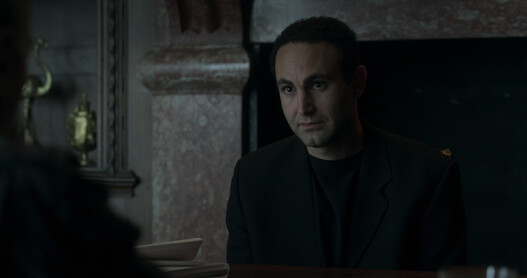
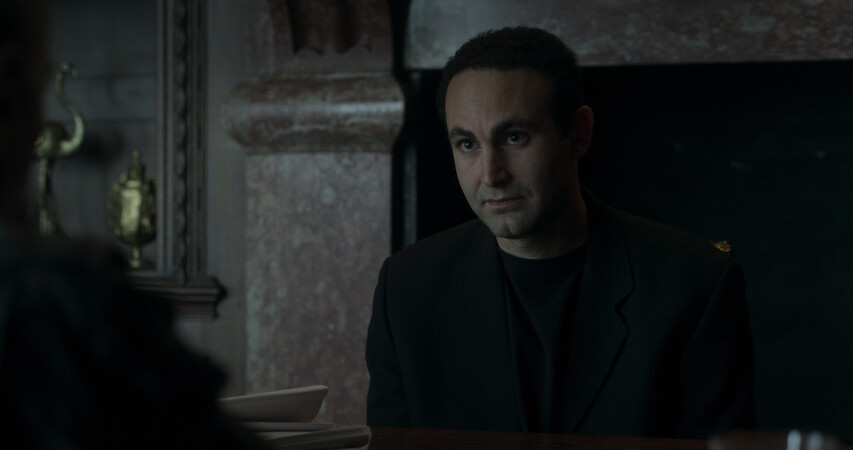
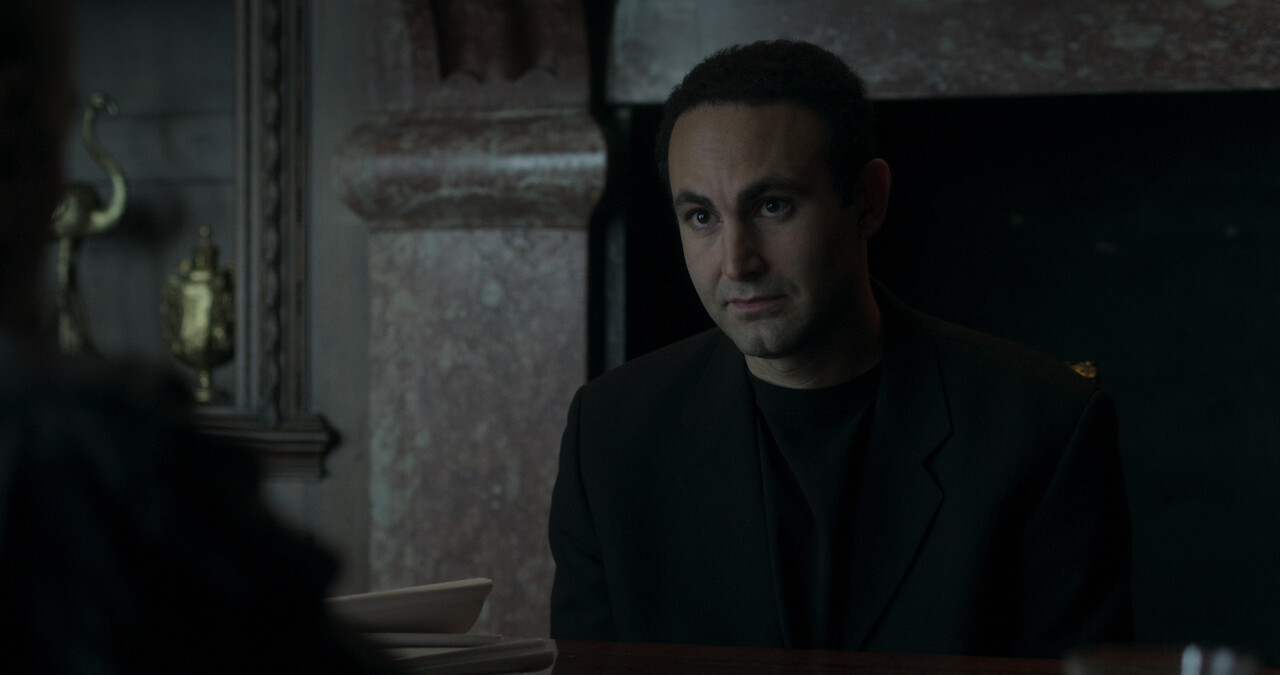
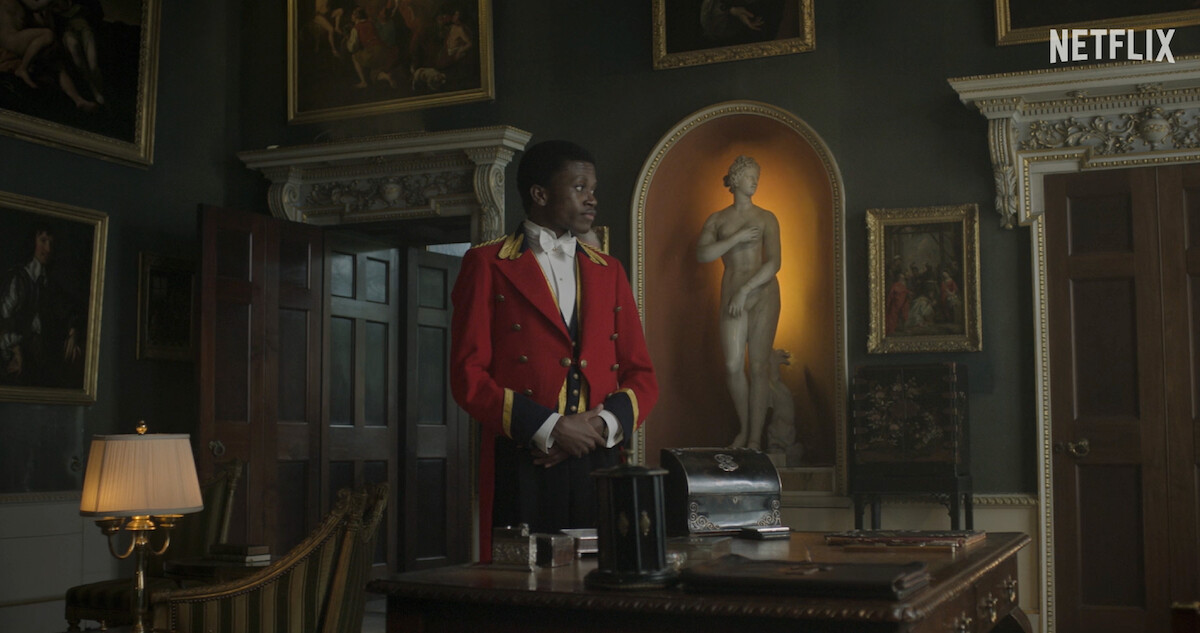
Amid the familiar figures in The Crown’s fifth season, one largely unknown character briefly but brilliantly stands out: Sydney Johnson (played by Jude Akuwudike).
Previously seen as the Duke of Windsor’s (Alex Jennings) devoted personal valet in Season 3’s “Dangling Man,” Johnson is given deserved recognition in Season 5, Episode 3, “Mou Mou,” where he’s shown to play an integral part in Egyptian businessman Mohamed al-Fayed’s (played by Salim Daw) rise to prominence in British society.

But how did a Black man from a humble Caribbean background become so influential and highly regarded within a social sphere of privilege traditionally off-limits to those with his skin color and heritage? To put this into context, until at least the late ’60s, people from ethnic minorities and immigrants were barred from holding clerical positions within the royal household.
A new episode of The Crown’s companion documentary series, Beneath the Crown (recorded before the passing of Queen Elizabeth II), explores Johnson’s life with the help of compelling archive material and asks key questions. Was his story one of barrier-breaking success that paved the way for others — or did it merely serve to reinforce archaic and oppressive master/servant dynamics? Delve deeper into this fascinating subject with presenter Anita Rani in the video above.
Born in 1923 on Andros Island in the Bahamas — then a British colony — Johnson took on a seemingly dead-end job as a beach attendant when he was 16. However, as it turned out, his employer was the Duke of Windsor, who had been exiled from Britain after his abdication. Keen to move the duke away from Europe given his Nazi sympathies, Prime Minister Winston Churchill forced him to take on the role of the governor of the Bahamas in 1940.
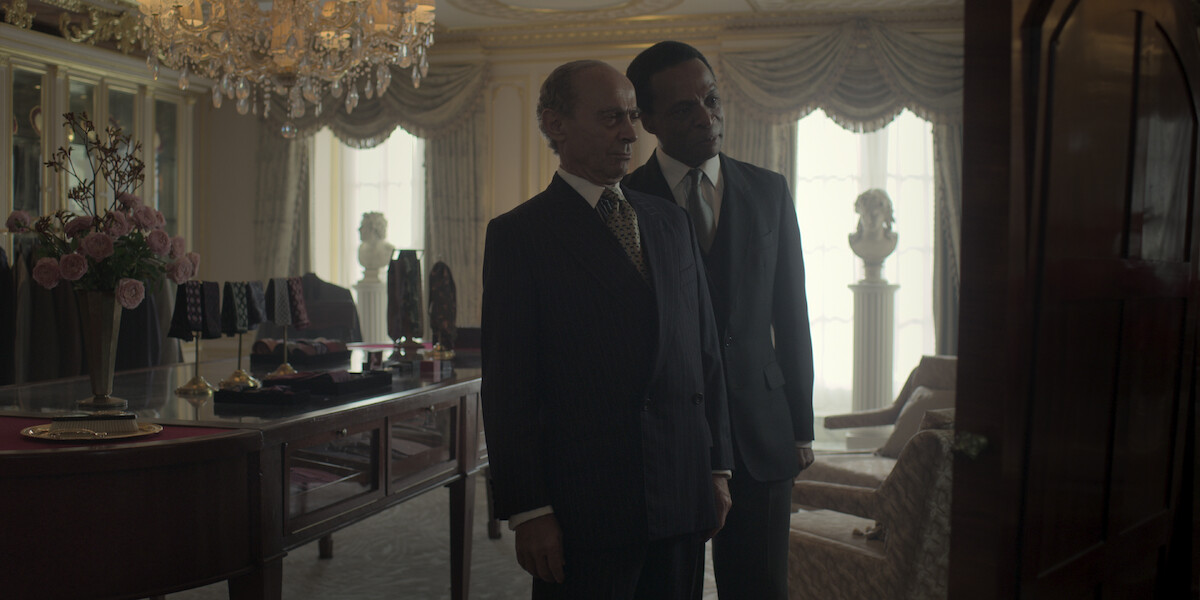
Johnson’s impressive work at the duke’s Government House residence earned him multiple promotions. By the time the duke and duchess decided to move back to Europe in 1945, Johnson was working as a footman and considered indispensable — traveling with the couple before moving into their Bois de Boulogne villa (later known as Villa Windsor) in Paris in 1952.
The prestigious role of the duke’s personal valet was given to Johnson during the ’60s, which highlighted the huge amount of faith and trust put in him. Away from work, he found time to start a family, marrying a French woman and raising four children together.
But 1972 proved to be a huge turning point — and one beset by tragedy. In May, the Duke of Windsor passed away, soon followed by Johnson’s wife. To make traumatic matters even worse, the duchess sacked him later that year. Money could never begin to compensate for such loss, but Johnson was left $30,000 in the duke’s will in reward for 32 years of service — the equivalent of roughly $212,660 in 2022. The duke’s private secretary John Utter later described Johnson’s dismissal as “venomous” after what he claimed to be “30 years of slavery to the duke.”
By 1979, Johnson was working as a waiter at the Ritz in Paris when he encountered the hotel’s new owner, al-Fayed. After learning of Johnson’s expertise in royal etiquette, the businessman put aside his well-documented dislike of hiring Black employees to appoint Johnson as his personal valet and boost his chances of becoming part of the British establishment. It proved to be a shrewd move, as al-Fayed’s acquisition of iconic London department store Harrods in 1985 enabled him to move in the same social circles as the royal family, armed with the teachings of Johnson about British aristocratic life.
Johnson’s influence went much further. Perhaps understanding al-Fayed’s desire for acceptance in potentially unwelcoming environments, he arranged meetings between his boss and the Windsors’ lawyer, leading to the purchase of the late duke’s now dilapidated Parisian villa in 1986 once the duchess passed away that year. This played a crucial part in strengthening ties between the ambitious Egyptian and the royals.
The task of restoring Villa Windsor, still packed full of royal artifacts, proved to be a rewarding and emotional experience for the duke’s former valet. He reportedly cried tears of joy at the venture’s launch party. Three years later, in December 1989, the restoration was complete and Johnson mingled with celebrity guests like Joan Collins at the lavish reopening party. His hard work finally gained wider recognition, and he proudly proclaimed to the Associated Press, “I feel on top of the world — the restoration is so authentic.”
Little over a month after this triumph, Johnson passed away in Paris at the age of 69. In an adoring tribute, al-Fayed wrote that he “was truly a gentlemen’s gentleman. We shall miss him very much.”
For a man who devoted his life to the needs of others and arguably transcended the trappings of prejudice, it’s only right that Sydney Johnson is now being seen for who he was — and not just who he worked for.
Watch The Crown Season 5 now