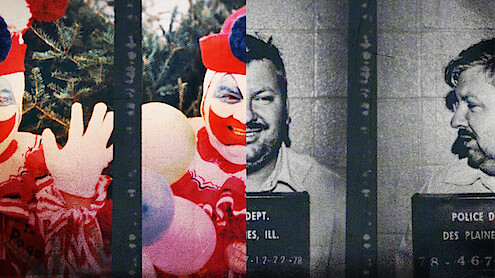
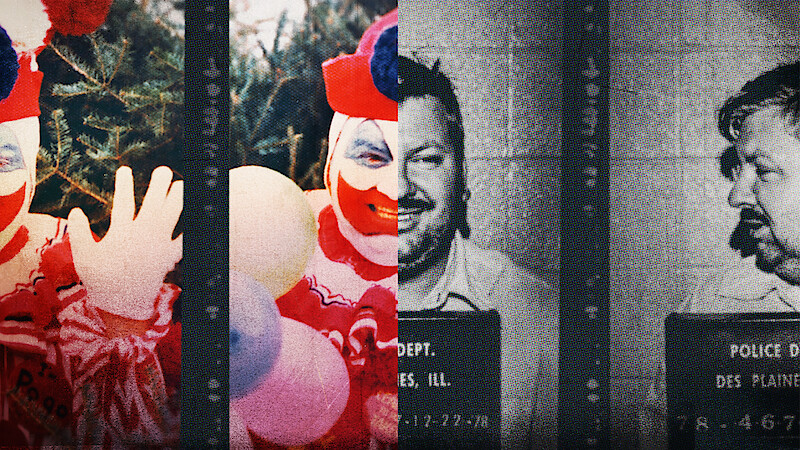
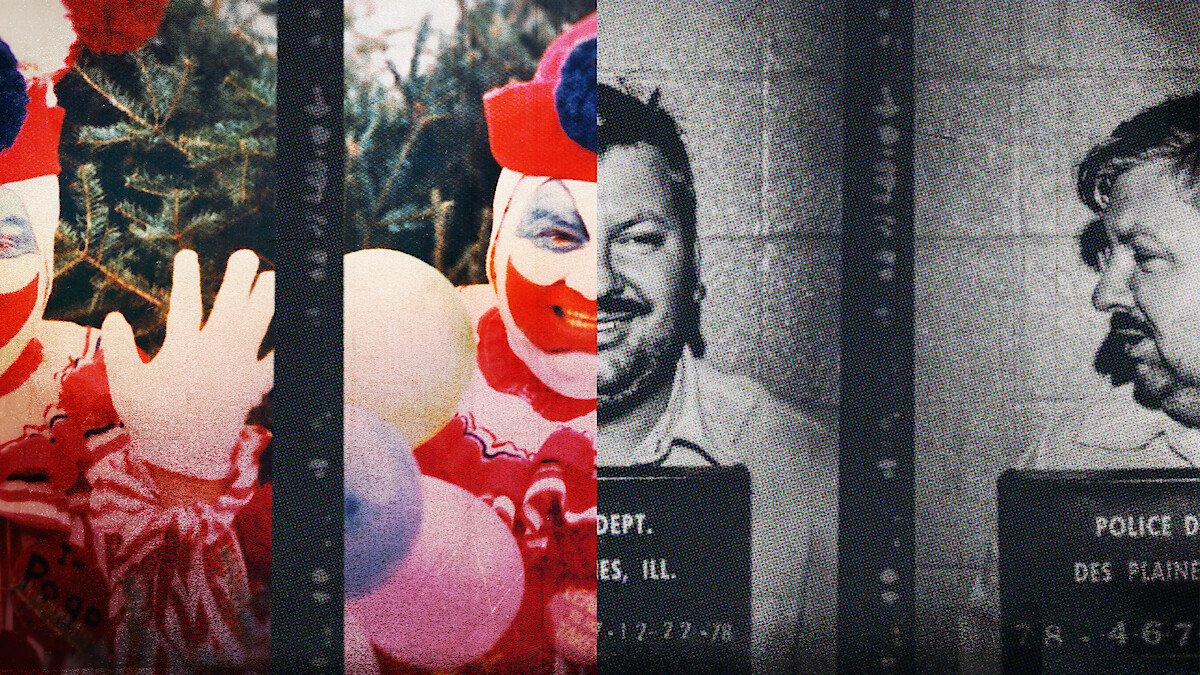
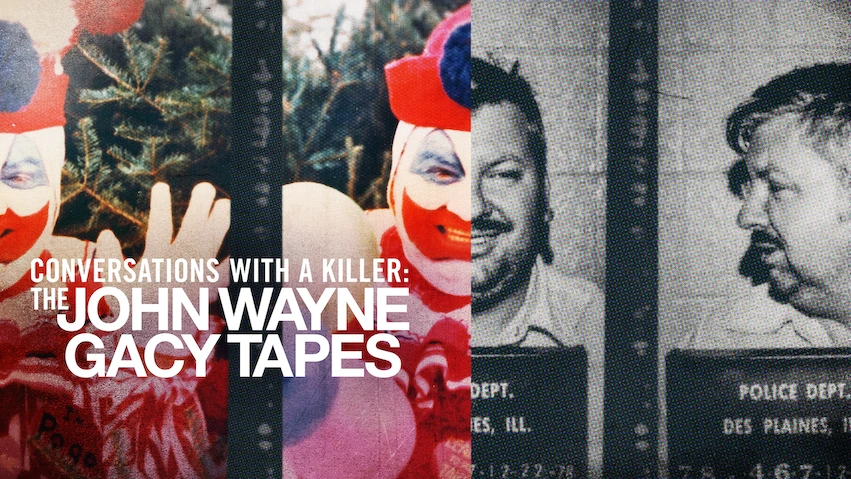
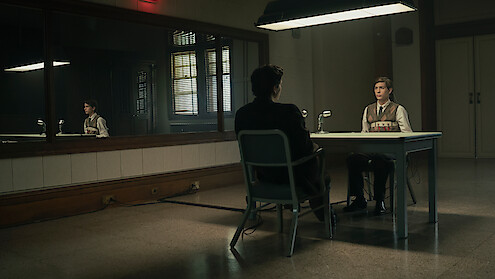
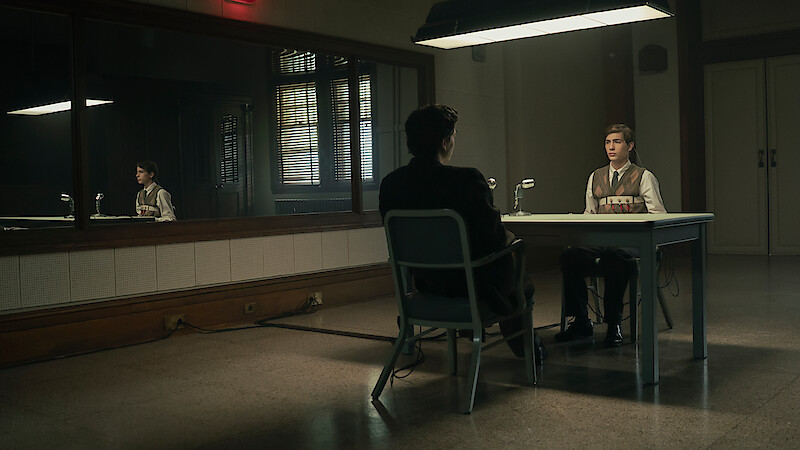
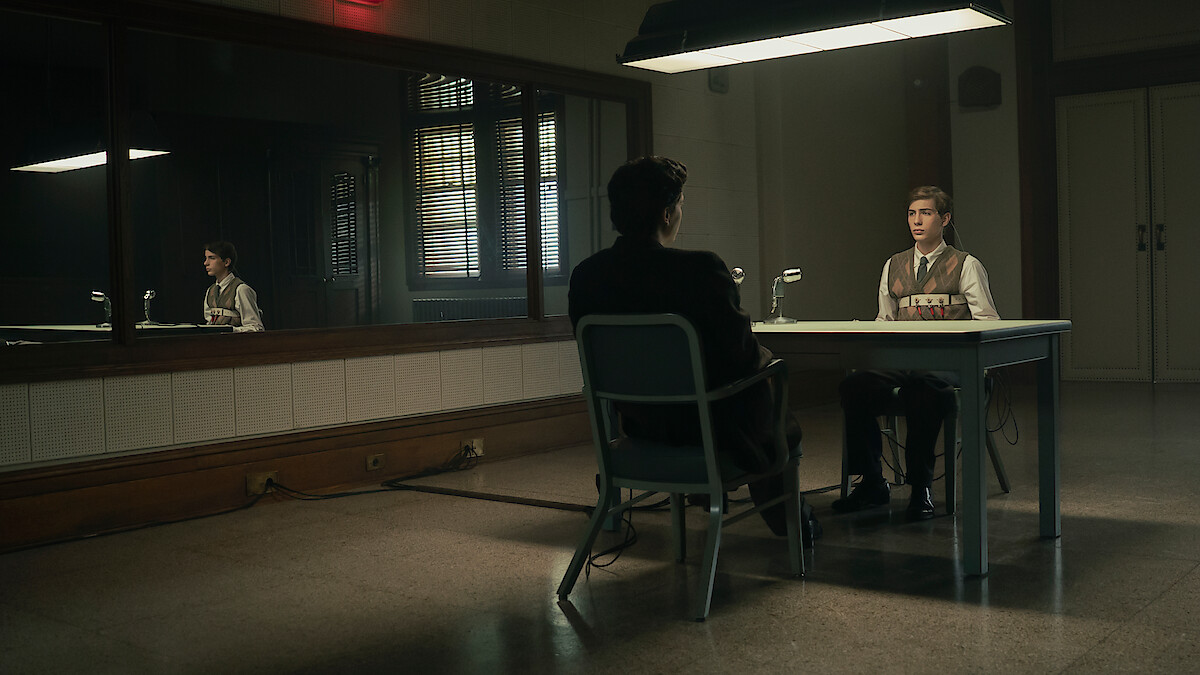
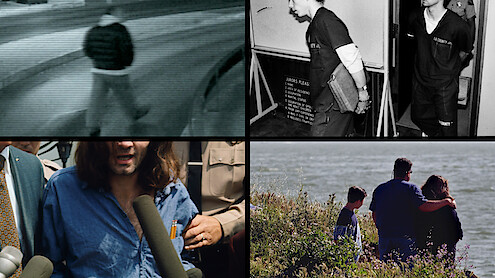
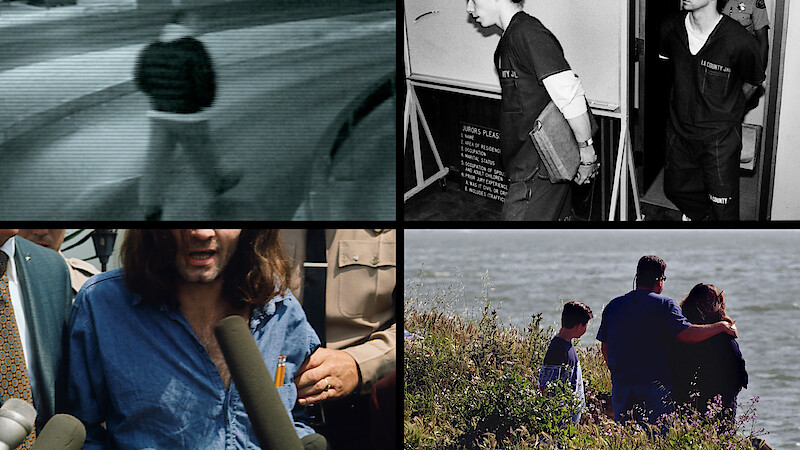
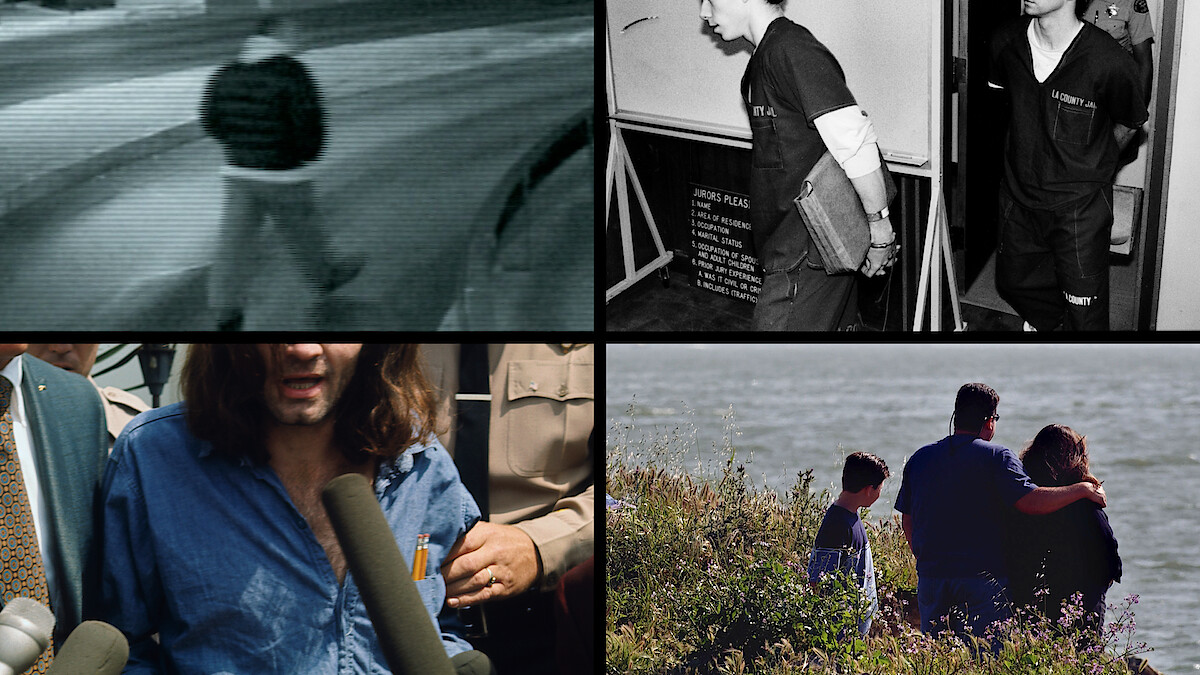
When John Wayne Gacy made national headlines in 1980 after being convicted of murdering 33 boys and young men ages 14 to 30, the term “serial killer” wasn’t part of the cultural lexicon. Gacy benefited from his community and law enforcement looking the other way. But over 40 years later, filmmaker Joe Berlinger took a closer look using chilling, previously unreleased audio recordings of Gacy in Conversations with a Killer: The John Wayne Gacy Tapes.
“From the mid-’70s until the early ’90s, so from Gacy to [Jeffrey] Dahmer, it’s a whole bunch of angry white men who got away with horrible murders, in part because of social values at the time,” Berlinger told Tudum when the documentary series premiered in 2022. “In the case of Gacy, it’s because of prevailing attitudes toward homosexuality. And it was an era where police departments didn’t cooperate, and all this information was available.”
In this three-part series, Berlinger documented the life, murders, and prosecution of the infamous serial killer. Learn more about the documentary below.
Where can I watch Conversations with a Killer: The John Wayne Gacy Tapes?
Stream it on Netflix right now.
What happens in Conversations with a Killer: The John Wayne Gacy Tapes?
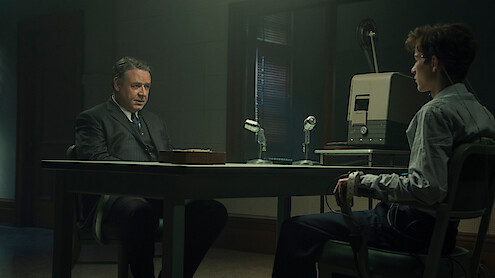
This three-part series explores the true story of notorious serial killer John Wayne Gacy, who details his life through 60 hours of previously unreleased recordings with his legal defense team. The documentary also interviews Gacy’s attorney, his case’s prosecutor, investigators who worked on the case, one of the survivors, and more. It documents Gacy’s life, murders, and conviction, as well as the social circumstances of the time that allowed him to hide in plain sight for so many years.
Who’s interviewed in Conversations with a Killer: The John Wayne Gacy Tapes?
- John Wayne Gacy, via previously unreleased audio recordings
- Sam Amirante, Gacy’s defense attorney
- Bill Kunkle, the chief trial prosecutor in the Gacy case
- Terry Sullivan, another prosecutor in Gacy’s murder trial
- Michael Albrecht, Rafael Tovar, and Ron Robinson: Police officers who worked on the Gacy case in Des Plaines, Illinois
- Greg Bedoe, an investigator with the Cook County State Attorney’s Office
- Dan Genty, an evidence technician with the Cook’s County Sheriff’s Office
- Marty Zielinksi, one of Gacy’s employees at his construction company
- Martha Fourt, a gay rights activist
- Ray Cornell, who served time with Gacy at the Iowa Men’s Reformatory
- Steve Nemmers, whom Gacy attacked after a party at Gacy’s home in Iowa
Is Conversations with a Killer: The John Wayne Gacy Tapes based on a true story?
Yes, the documentary details the true story of serial killer John Wayne Gacy: his life, crimes, and prosecution. Born in Chicago in 1942, Gacy was a notorious serial killer convicted in 1980 of murdering 33 young men and teens — most of whom were buried underneath his house — from 1972 until 1978, when he was arrested and charged.
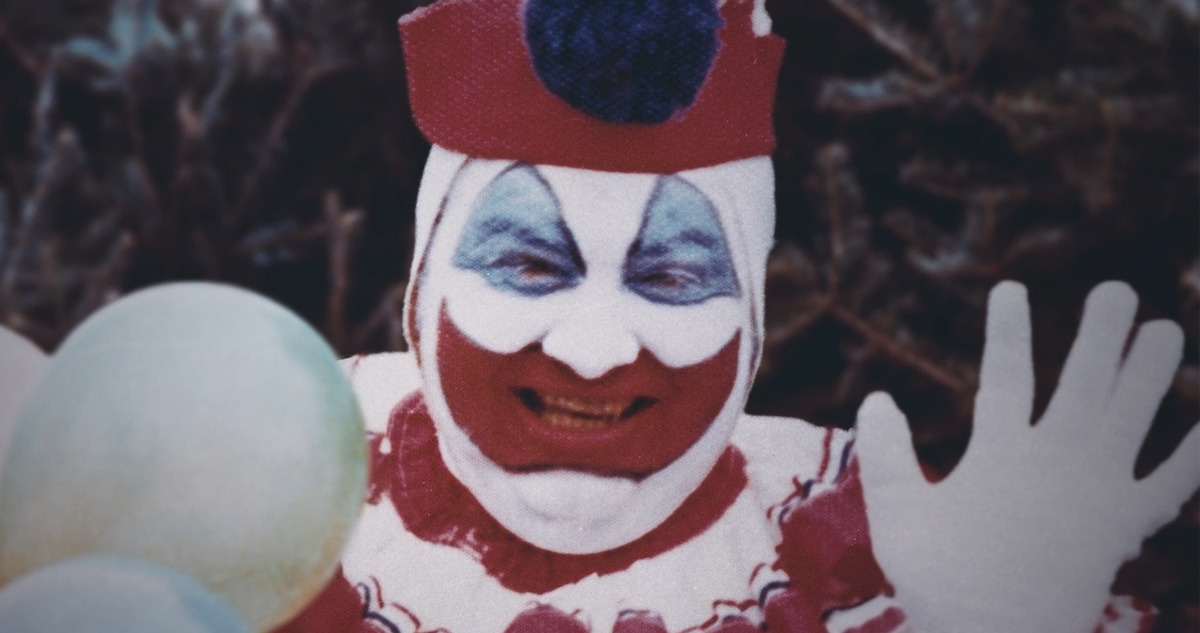
However, Gacy was first convicted of having a sexual relationship with an underage boy in Iowa in 1968 and sentenced to 10 years in prison. He only served 18 months and soon moved to Norwood Park Township, where he became a pillar of the community. Gacy had a family, hosted parties, was involved in local politics, and started a construction company. He would also dress up as a clown named Pogo at various events, which would lead to the “killer clown” motif so many associate with him. It wasn’t until the disappearance of teenager Robert Piest, Gacy’s final victim, in 1978 that local authorities came to suspect Gacy and learn of his previous crimes. After his arrest and while awaiting his murder trial, Gacy was interviewed by a member of his defense team from November 1979 to April 1980 for a total of 60 hours. The recordings are revealed for the first time in this documentary.
Gacy was sentenced to death in March 1980 and executed by lethal injection in May 1994 by the State of Illinois.
Is Conversations with a Killer: The John Wayne Gacy Tapes based on a book?
No, it’s not based on a book. However, there are many books about Gacy, including one written by prosecutor Terry Sullivan, Killer Clown: The John Wayne Gacy Murders (1983).
Where does Conversations with a Killer: The John Wayne Gacy Tapes take place?
The documentary details events primarily taking place in the Chicago area, where Gacy was convicted of murdering 33 young men and teens.