
Travel
What Does It Take to Buy a Castle in Europe, Like ‘A Castle for Christmas?’
Starting price? One dollar.
By Jamie Beckman
Dec. 22, 2021
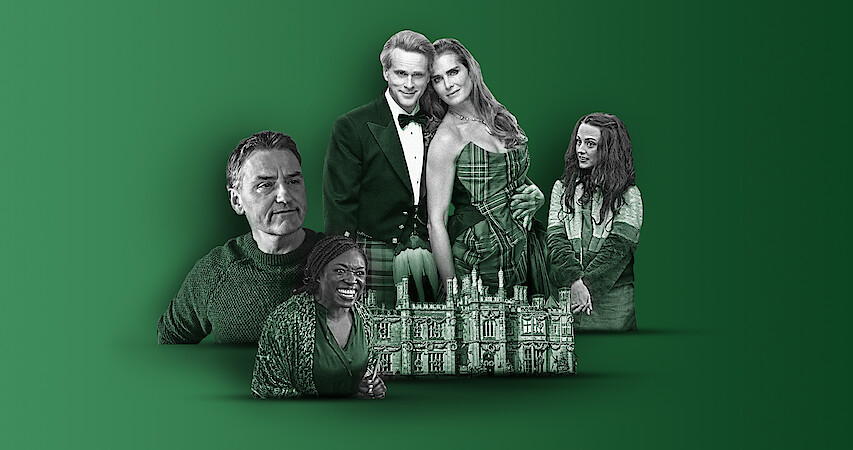
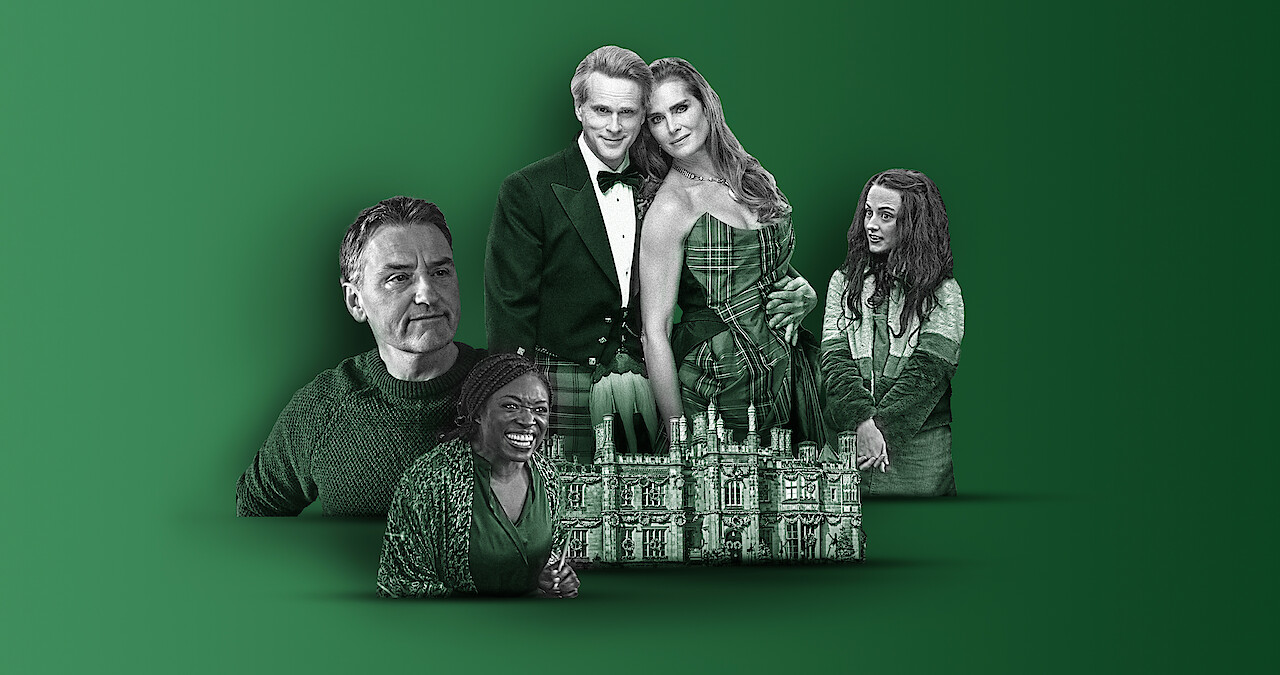
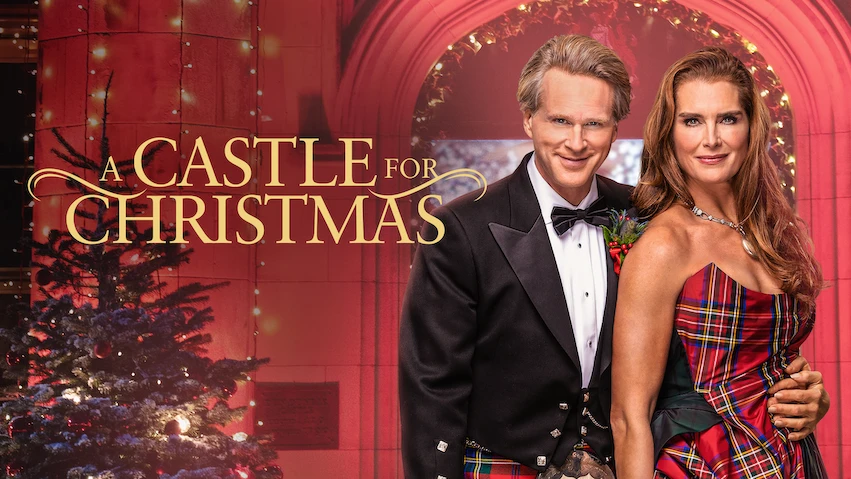
Got a dollar? If so, you can afford a castle in Europe, though restoration and maintenance might cost you a pretty penny. But that shouldn’t stop people from going all in on their fairy-tale dream home, just as Sophie (Brooke Shields) attempts to do in A Castle for Christmas.
Christoph Freiherr von Schenck, head of the castles and manor houses division at global real estate agency Engel & Völkers, knows all about buying European castles and historic homes. So far, he’s sold more than 100 castles in his career, and he’s familiar with properties similar to the one in A Castle for Christmas.
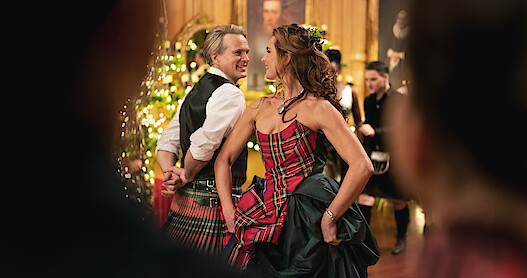
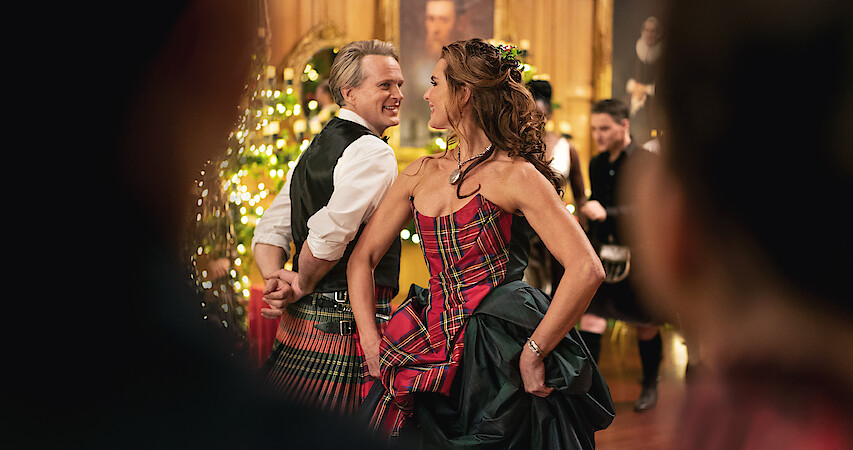
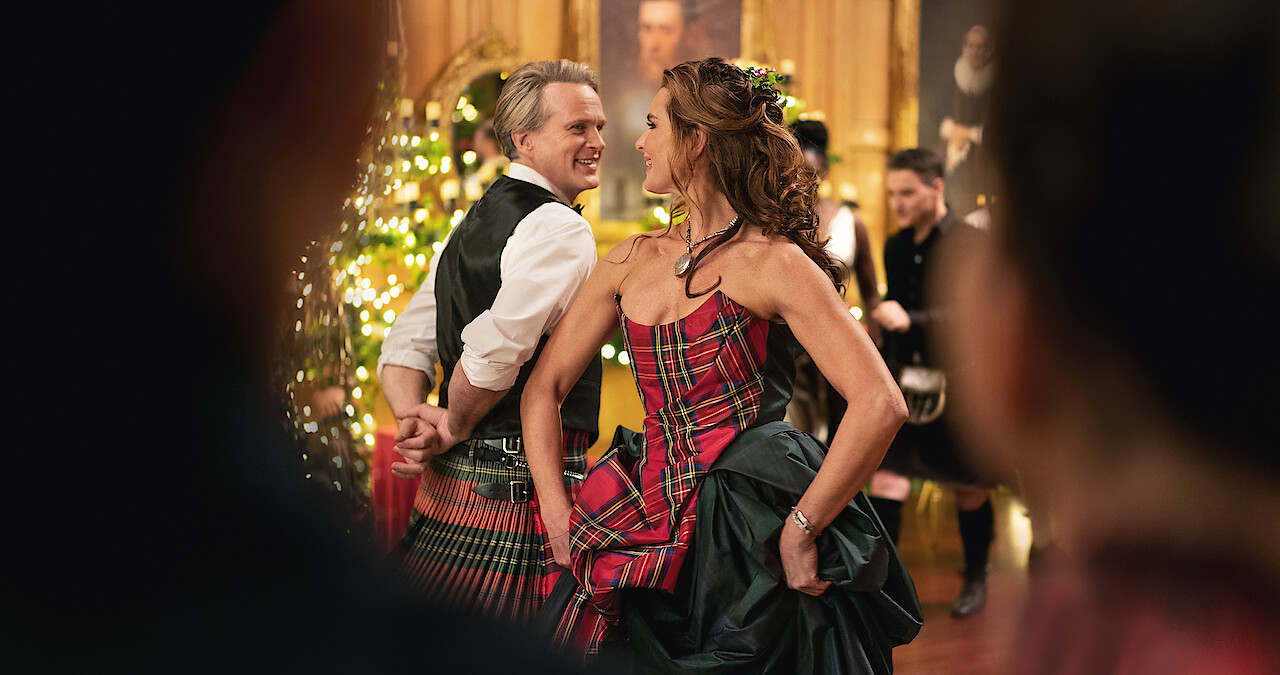
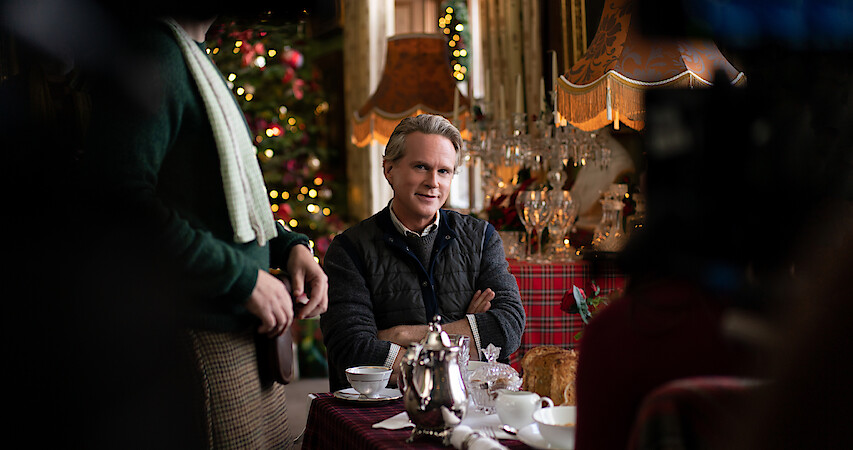
When Myles (Cary Elwes) tries to talk Sophie out of buying his family’s Scottish castle, Dun Dunbar, there isn’t anything inherently unrealistic about the types of problems he mentions. He tells her the castle leaks every time it rains, the plumbing is intermittent and only half of the fireplaces work among other concerns. “These are all valid points,” von Schenck says, especially for a 500-year-old property in rainy Scotland.
“Living in a castle is always a compromise,” von Schenck says. “It depends on how big a compromise you’re willing to make.” In real life, though, Scotland’s Dalmeny House, where an actual duke and lady lived during filming, was one of the estates used to create fictional Dun Dunbar. So Myles’ description of his castle’s disrepair is “probably a bit over the top,” says von Schenck. If the fictional Dun Dunbar was indeed in such bad shape, Schenck says he probably wouldn’t steer buyers toward it.
“I'm a big supporter and admirer of historic houses, but I think it shouldn't be a house where you can’t live with your family under normal 21st-century conditions. It’s [not] something I would recommend,” he says, laughing. But, as we see in the movie, love often plays a major role in keeping castles functioning. “I’ve always been deeply impressed by these historic families, especially in Scotland,” von Schenck says. “They have almost nothing, but the passion and the love and the heritage of the house keeps them living in the house.”
With enough grit, determination, and money to burn, you too can buy a castle in Europe — and, thanks to modern technology, WFH next to one of your 60 fireplaces. Here’s what potential buyers can expect, plus a few fun facts about what owning a castle like Dun Dunbar is really like.
What does it really take to buy a castle in Europe?
The answer is quite simple. You need a lot of money. [Laughs] Old houses need a lot of care and attention, and this is, in most cases, a costly exercise. But apart from the money is, of course, passion for historic buildings and for historic landscapes.
What can a buyer expect the castle itself to cost, and how much does it cost to maintain a castle?
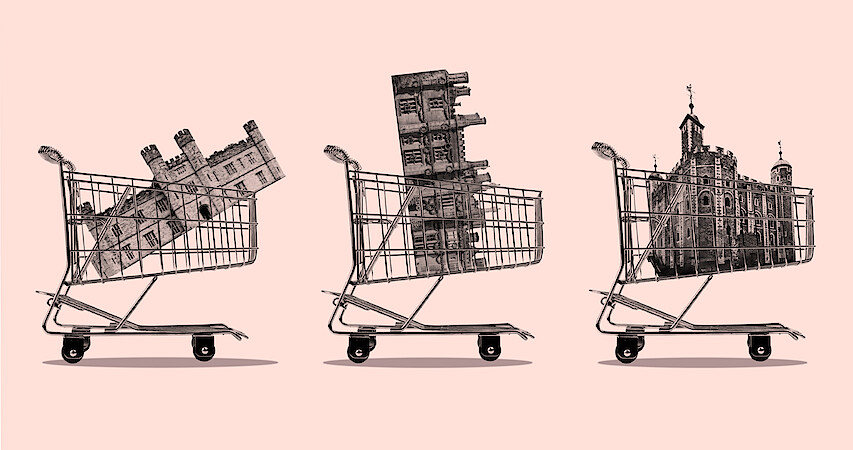
That’s a question that cannot be answered easily, because the price range can be from the typical $1 castle, which you can buy for nothing but have to spend $10 million or more to restore it. Or you can buy a fully restored historic home [for that much] — or even more now. The sky’s the limit. There are no limits in the price range at the top end of the market.
What’s the secret to finding a bargain if you’re shopping for a castle?
Traditionally, the markets for buying castles and historic houses have always been the holiday destinations: Nice, South of France, or the regions around bigger cities — London, Paris, Rome [and] Berlin are coming up very much in recent months. But properties that are really far in the country or deep in the countryside are usually not as expensive as the properties I mentioned, which are in the holiday regions or close to bigger cities. [They’re] more than one hour’s driving distance.
Then Sophie might have scored a deal for Dun Dunbar, which is two hours away from Edinburgh. Generally speaking, do TV shows and movies that feature castles have an impact on the real estate market for castles?
It would be a bit far-fetched to say it increases our business because we’re speaking about a very small market. We only have a few historic houses — 100 or so in the market in Europe — and the number of historic houses or castles on the market is too small to report the direct impact of TV shows. But what I can say is that the premise used and the historic scenery [from] the famous Netflix series …
I can help you guess: Bridgerton?
[Laughs] Yeah, of course Bridgerton influences the status: It has a positive impact on the mood of the buyers. It’s certainly a good marketing instrument for historic houses. If you see the beauty of historic houses on TV, you will certainly be inspired to visit historic houses, which I strongly recommend. [These shows] also create an understanding of what it means to be the custodian of a historic house. We’ve seen it particularly in the United Kingdom. For the United States, many historic television series are staged in historic houses. Viewers like to see historic houses.
Are there any other shows that have caused an uptick in interest?
Yeah, of course. Outlander. Also, The Crown, which is a big inspiration for positive interest in historic houses because it promotes a lifestyle in historic houses.
Like Outlander, Dun Dunbar is also in Scotland. What should buyers know about buying a castle in Scotland, as opposed to other parts of Europe?
Scottish people are very welcoming, very open, and very friendly. Scotland isn’t the warmest region of the world, but there are beautiful homes for a very fair price. I always recommend buying as much land as you can because [that’s what] makes a historic house what it is: a big country house where you can fish and do country sports, farming, and forestry. That would be the ideal situation, but there are quite attractive houses on the market every year in Scotland. The landscape is beautiful — unrivaled, in my eyes, in the world. It really depends on what you're looking for, but put your wellies on if you go to Scotland and buy a castle.
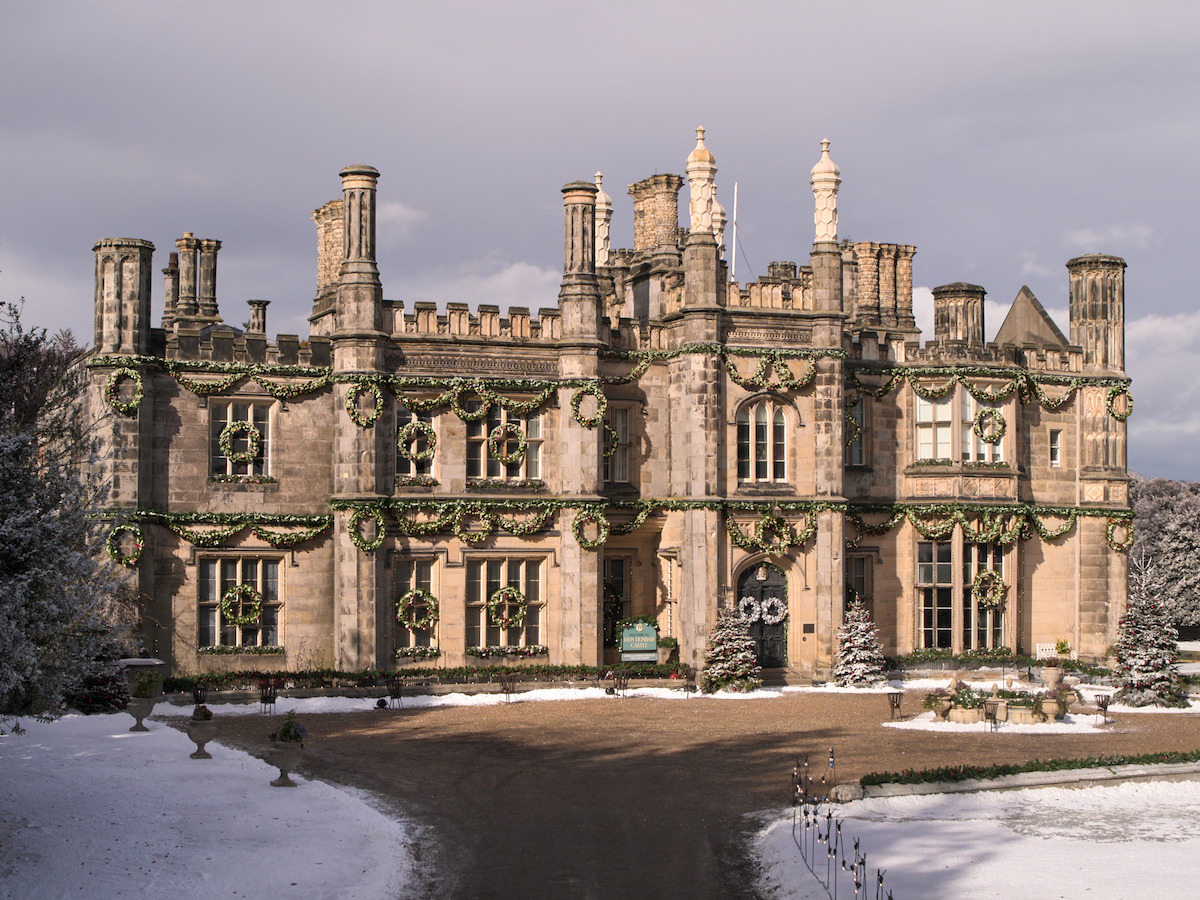
Dun Dunbar has 12 bedrooms and 10 bathrooms. If someone were to buy a castle like this, who would they need to keep on the payroll just to keep the place running?
You can never have enough staff for good living. [Laughs] You at least need a gardener. And if you don’t want to do the washing and cleaning yourself, someone who helps you to clean a big house, which is something that needs to be done every day. If you have 12 bedrooms, of course, at least two people are the absolute minimum. But that’s really depending on how big the gardens and the grounds are. Big estates with beautiful gardens normally have a head gardener. A butler is always good to have. A butler, a cook, a driver, two gardeners — that would be a good start.
On Christmas Eve, Dun Dunbar is decorated to the nines: strands of lights on every windowpane, wreaths in every window. What would it cost to light a castle like this for the holidays?
[It] would take at least two weeks or so. It’s a mix of working hours and material you need for the decorations. It would certainly be more than $10,000.
What’s something people might be surprised to know about castle living in the 21st century?
A penthouse in Paris is far more expensive than a castle in France. The quality of living in a castle in France can be much better. And the other thing which — at least in some regions of Europe — makes buying a castle more and more attractive is the internet connectivity, which the castles get more and more: fiber optic cables being laid to the remotest areas. That’s a game changer. As soon as these castles have internet access, they have the same access to the world market or to world communications [as] a property in a city. Scandinavia has always been at the forefront for digitalization, but also other areas of Europe [are as well]. It’s getting better every year in Germany, France, [and the] United Kingdom. That makes a huge difference for historic houses: Ten years ago, you couldn’t even use a cell phone in some areas of Europe.
In your opinion, what’s the absolute best thing about owning a castle?
The best thing, in a nutshell, is independence. A castle gives you a feeling of independence and freedom. That’s what I say would be the motivation for me to buy a castle, and I think it’s the motivation for many, many other people as well, because they have a little space, they’re free, they have no neighbors. They can invite friends and family. That’s independence and freedom. That’s what comes with buying a castle: The only obligation is to be the custodian of the property, which means to restore it and to take care of it.
This interview has been edited and condensed for clarity.
Castle images from left: Matthew Williams-Ellis/Getty; Netflix; Prisma by Dukas/Getty