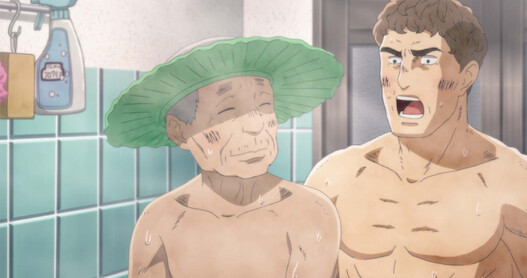
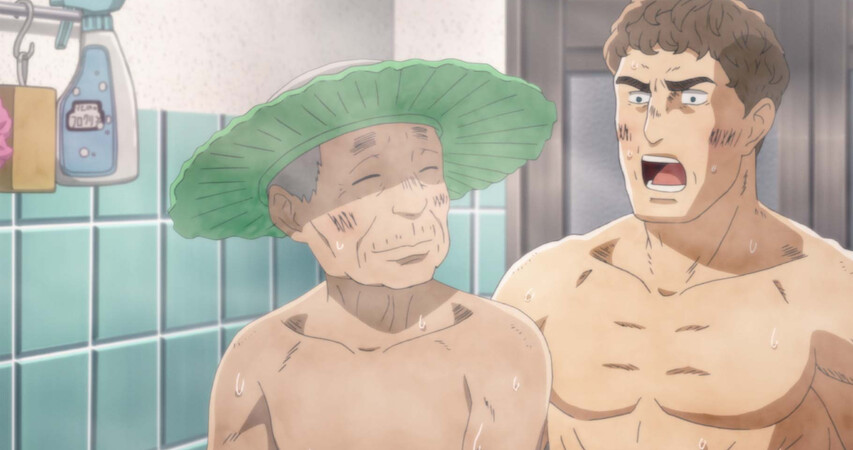
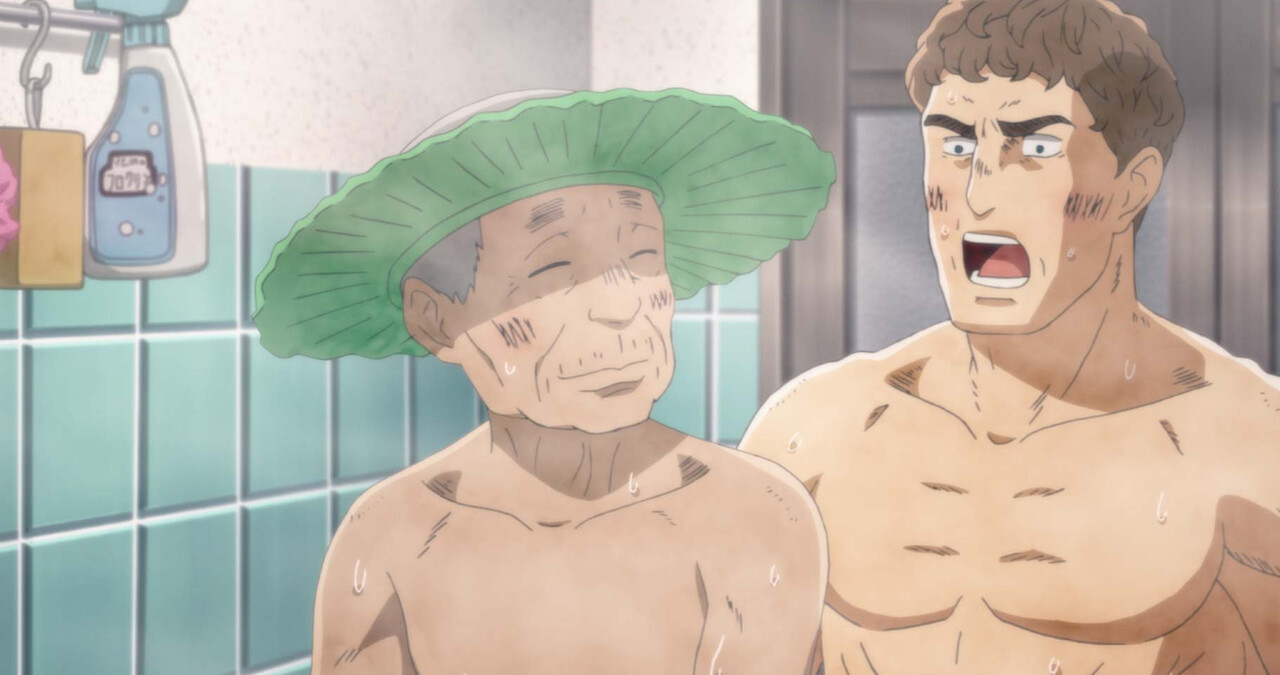
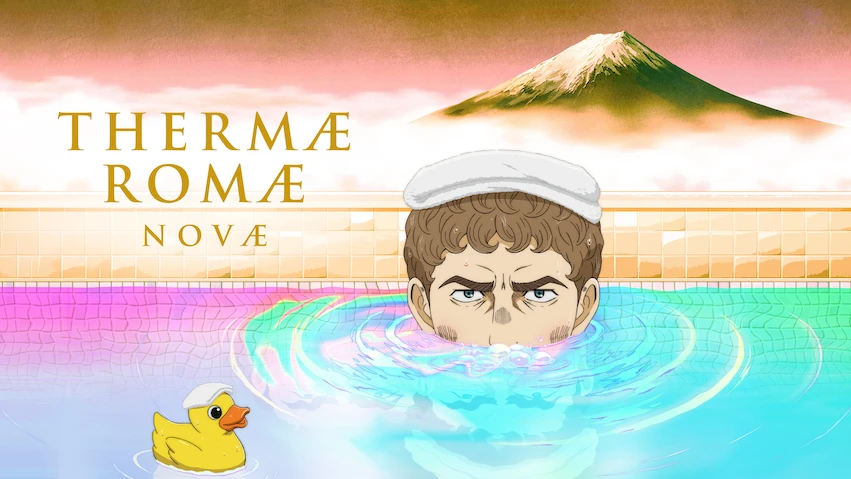
Easing into a piping hot bath is a universal form of relaxation. It can soothe the soul in ways that leave you rejuvenated and ready to tackle all of life’s woes. For many, it’s also a method of communing with others. In the anime series Thermae Romae Novae, an ancient Roman man named Lucius Modestus becomes a bathhouse architect. It’s his wish to build the finest spas he can to carry on the family legacy and help his countrymen find quality places to unwind. Lucius is passionate in his pursuit of the perfect bath house, despite being ridiculed for wanting to build these facilities throughout his younger years.
When Lucius discovers a portal to modern-day Japan from his home in Ancient Rome hidden within the steaming waters of his family bathhouse, everything changes. On the other side, he surfaces in bath tubs, spas and onsens. As a result, he begins bringing the ideas of toothbrushes and bidets back with him from the future to ancient thermae customers to improve visitors’ experiences. He’s inspired to offer water park–like options for young visitors. Japan is chock-full of awesome things Lucius knows his people have to experience.
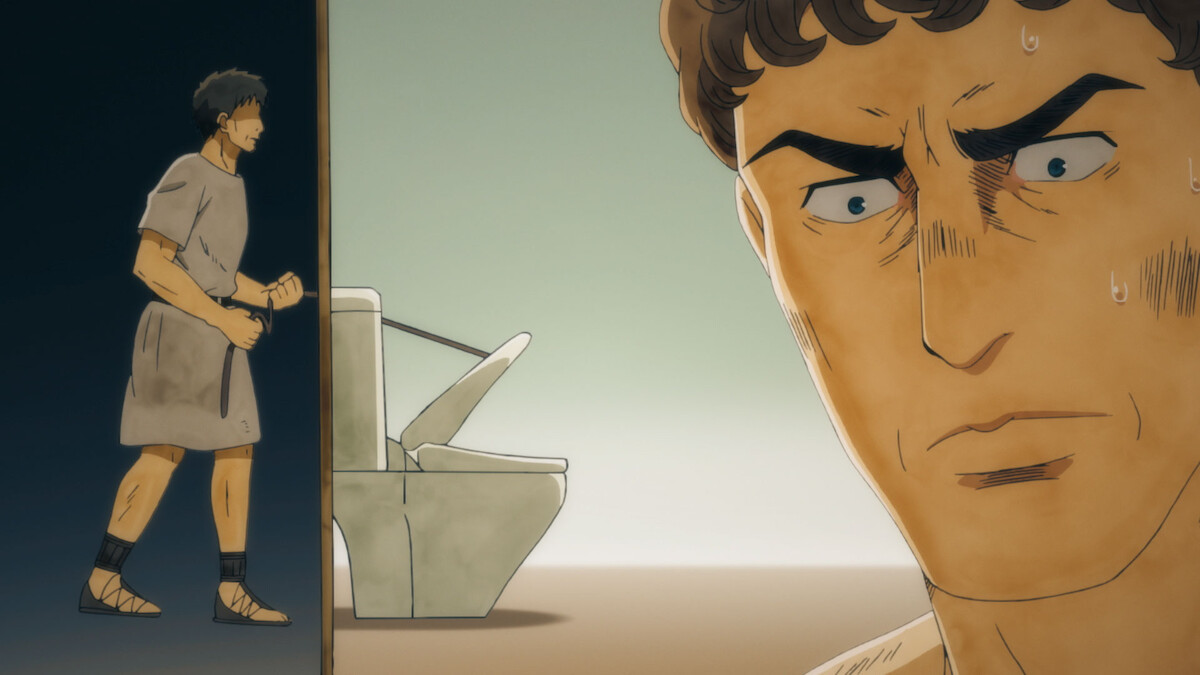
Lucius ponders what adding a toilet to the typical Roman thermae might be like.
With so many years separating Lucius’ time period and contemporary Japan, one would think a visit to the public bathhouse would come with a completely different vibe. As it turns out, the thermae experience Lucius is familiar with and what he learns from his time-traveling trips to Japan reveal an intriguing truth: Ancient Roman thermae and Japanese onsen (bathhouses) are remarkably similar. They’re both time-honored traditions that are mostly in practice still today, and they share similar philosophies. For instance, neither Ancient Roman baths nor Japanese onsen were ever actually meant for cleansing alone, but for soaking and relaxing.
"In Ancient Rome, bathtubs were not used to get soaped up and wash the body as you see with western baths, but rather to soak and be comforted by the hot water," says Thermae Romae manga author Mari Yamazaki. "This point is exactly the same as Japanese bath houses. The only difference may be the connected gymnasiums. In modern Japan, there are facilities called 'Super Sento' that include cold water baths and pools. This concept is similar to the grand baths of Ancient Rome."
Even though they weren’t spending all their time getting clean, Ancient Romans took the practice of public bathing seriously, constructing bathing facilities called thermae just about everywhere throughout the city. They made perfect meccas for family get-togethers, reading and even eating. They’re not too far removed from the concept of a spa you might visit for a massage or skin or beauty treatments. And when the Romans set out to build bathhouses, they meant business.
Thermae were ornate, gorgeous buildings that sprang up all over Rome and beyond. They were so ingrained in Ancient Roman culture that there was a real need for multiple high-quality facilities to contain copious amounts of bathers. And it was much more complicated than just entering and sudsing up while chatting with friends.
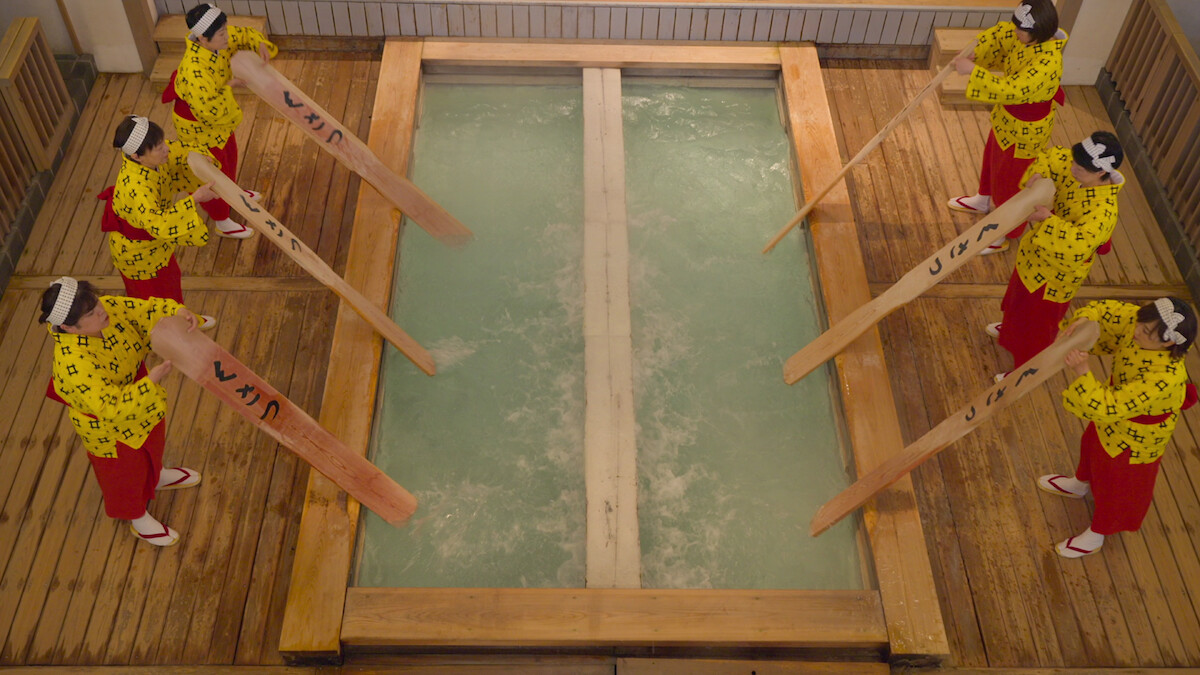
A traditional way to cool down steamy Japanese onsen water before getting in.
Each bathhouse typically contained chambers where guests were prepared for bathing. In them were servants and attendants who collected clothing and the minimal usage tax, in the form of quadrans, or bronze Roman coins. After entering the apodyterium to undress, bathers could head to the elaeothesium to oil up, then a room or a court for exercise. Then it was off to the caldarium, or a hot room, the main area of the bathhouse where visitors would spend their time in hot water to open up their pores, followed by a visit to the laconicum (steam room).
After that cycle, bathers could head into the tepidarium, a heated room meant to prepare the body for a warm bath and to help bathers better acclimate to open air. Finally, bathers entered the frigidarium, featuring a small pool of cold water or swimming pool to close said pores, before adding another coat of oil to the skin to complete the entirety of the bathing process.
The Roman thermae experience took place in ornate houses constructed specifically for the purpose of relaxation and communion with friends. Most of them relied on artificial heating for each portion of the bath.
Manga author Yamazaki especially enjoyed looking back at the bathhouses’ mosaic tile decorations while working on the series, “with illustrations of Poseidon and others, and the statue of Laocoön, which impacted the later Renaissance period.” But her love for the thermae extends far beyond the aesthetic. She also enjoys the “technical aspects,” like the hypocaust, or the bath’s central heating element.
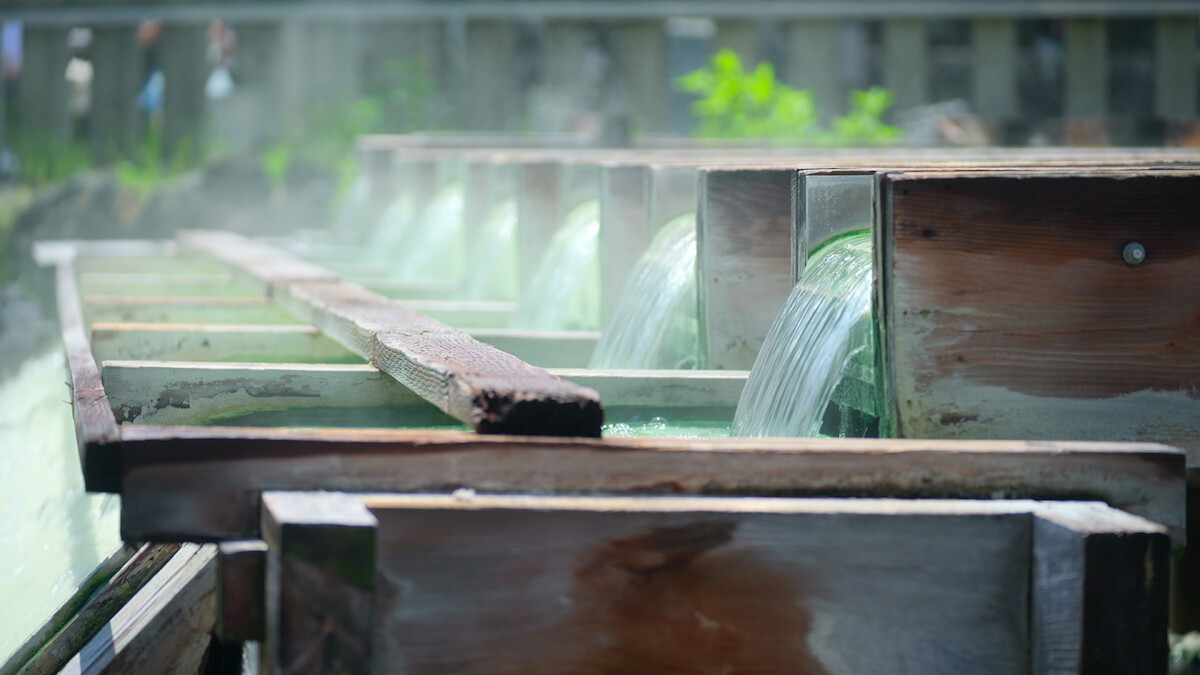
The ornate decorations of Japanese bathhouses have a natural beauty to them.
Japanese bathhouses date back to the sixth century and have offered a very similar setup to traditional thermae, with a few changes. The term onsen refers to the hot springs scattered around Japan, which are connected to bathing facilities and traditional inns. Japan is a volcanically active country, so there are a wide variety of onsens found throughout the major islands.
There are indoor and outdoor onsens, and they primarily differ from Roman thermae in that they rely on natural hot springs instead of temperature-controlled bath water. Onsen culture later spawned the aforementioned sentō bathhouses, which featured water heated much in the same way you’d draw your own bath at home.
Instead of simply removing their clothing and paying a small fee to enter, bathers are required to wash their entire body in a separate area. Traditionally, clothing has not been allowed in Japanese baths, though modern onsen and sentō have altered rules to allow for bathing suits and other garments that may cover up tattoos — typically frowned upon at most establishments.
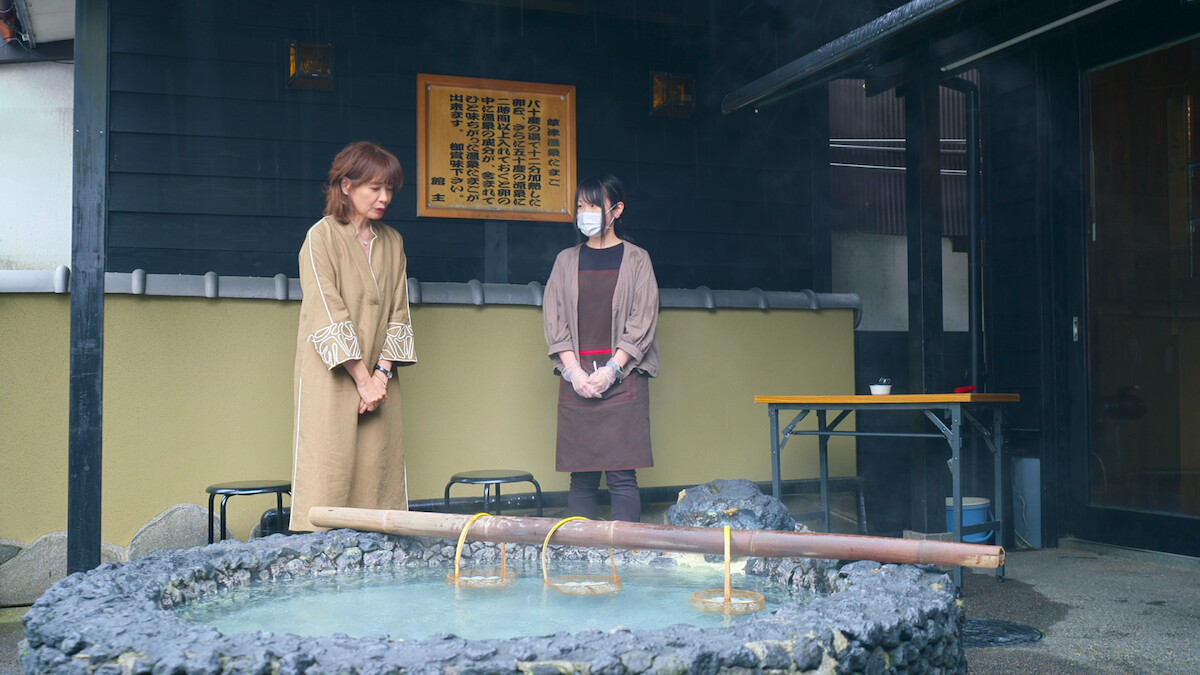
Japanese onsen can come in a variety of shapes and sizes with plenty of different types of decor.
After cleaning, bathers are allowed to enter and mingle within the onsen, typically separated by gender, and take in the water’s distinctive minerals. Various types of onsen across Japan have water that contains iron, sulfur and sodium chloride. These offer healing properties that weren’t always seen in traditional Roman baths due to the different preparation methods. That means that, while the steamy water does feel good for the old bones, there’s a lot more to it that comes from the planet itself.
"Hot water is simply meant to comfort the body,” says Yamazaki. “I think people can be comforted in body and soul by this water that has specific effects since it bubbles up naturally from the earth.”
Onsen facilities have long been constructed a bit differently than their Roman counterparts as well, with many onsen connected to hotels and bed and breakfasts. A good number of them remain outdoors due to the locations of natural hot springs.
While the locations, construction and processes of thermae and onsen have differed, their purposes remain the same: helping visitors cleanse body and mind. With all the modern conveniences Japanese bathhouses include, it’s no wonder Lucius from Thermae Romae sought inspiration from his journeys to the future.
"If Ancient Roman people lived in modern times, I’m sure that Japan would be a very popular tourist spot for them," says Yamazaki.
So whether you’re soaking in one of Rome’s oldest thermae or Japan’s ornate onsens, you’re partaking in the centuries-old pastime of self-care. It seems that no matter how much things change over the years, they also stay the same.