Behind the Scenes
How ‘Beavis and Butt-Head’ Made It into ‘The Crown’ Season 5
“Obviously Queen Elizabeth wasn’t going to be into [it].”
Nov. 25, 2022
🤐 SPOILER ALERT 🤐
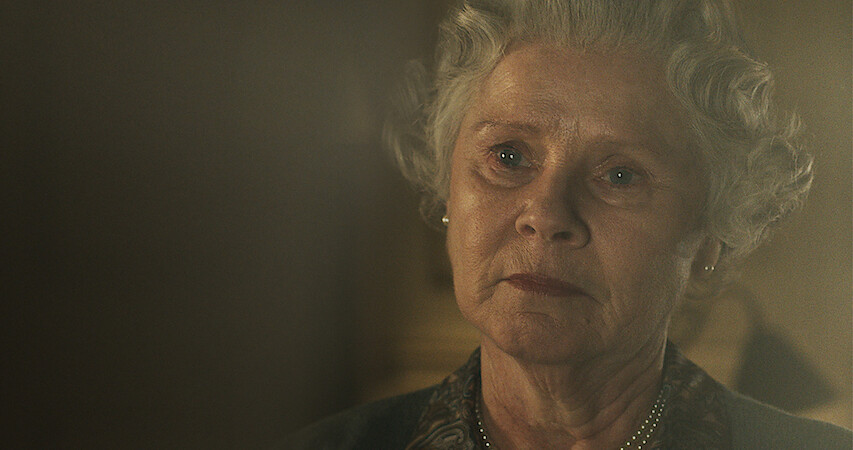
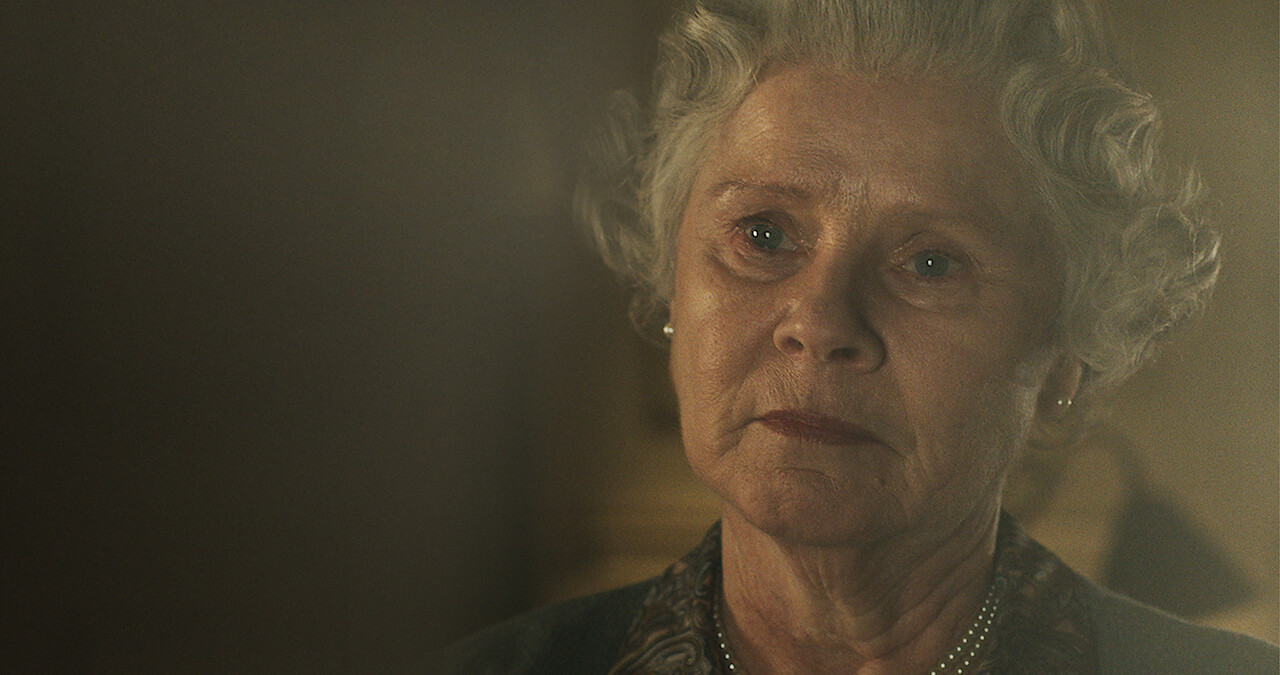
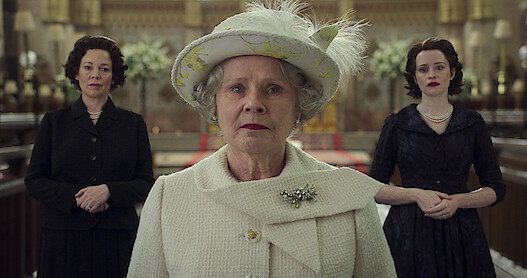
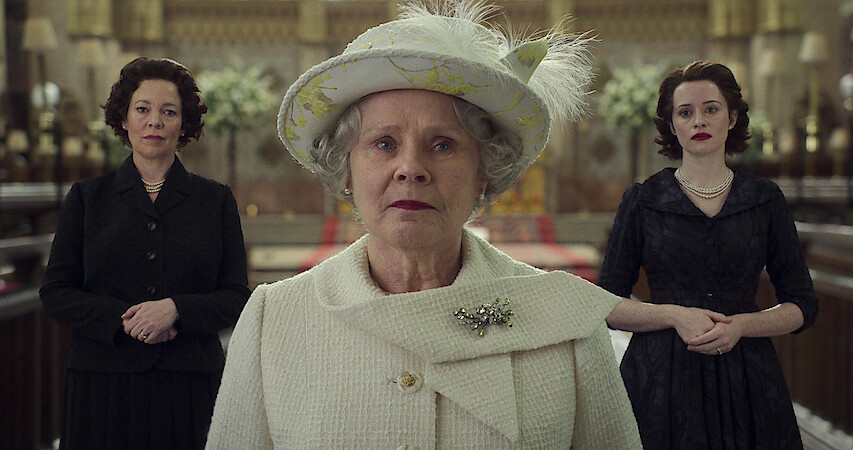
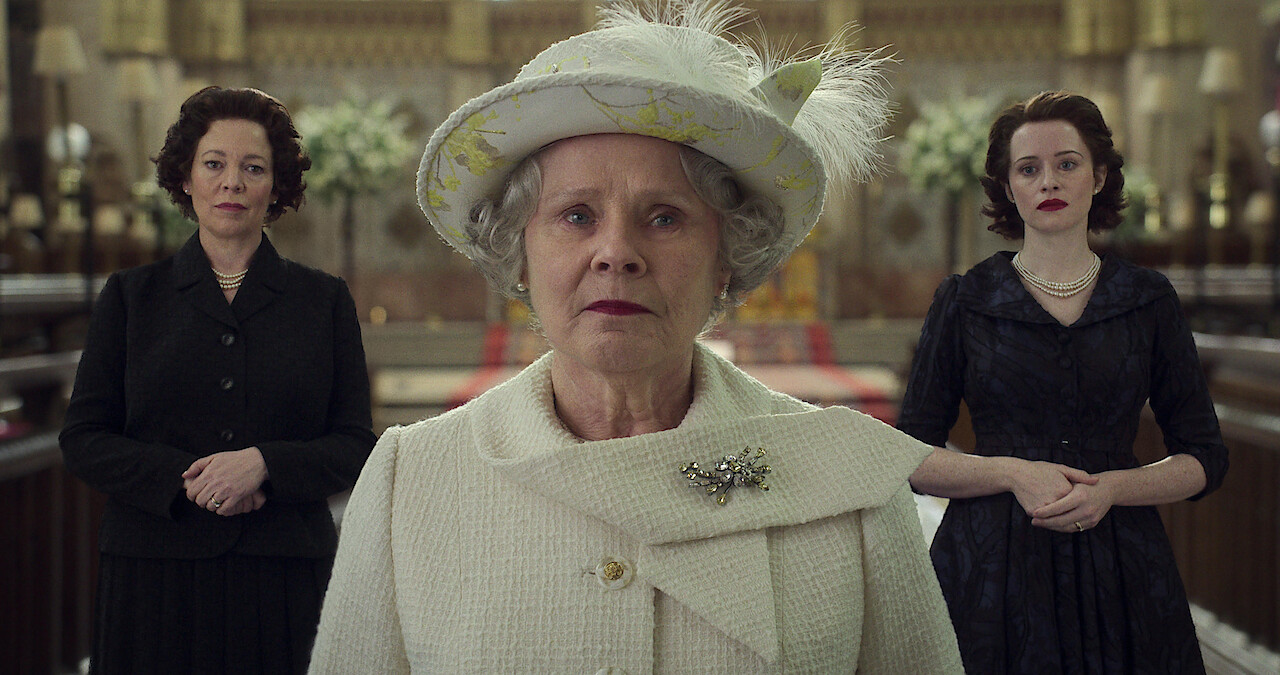
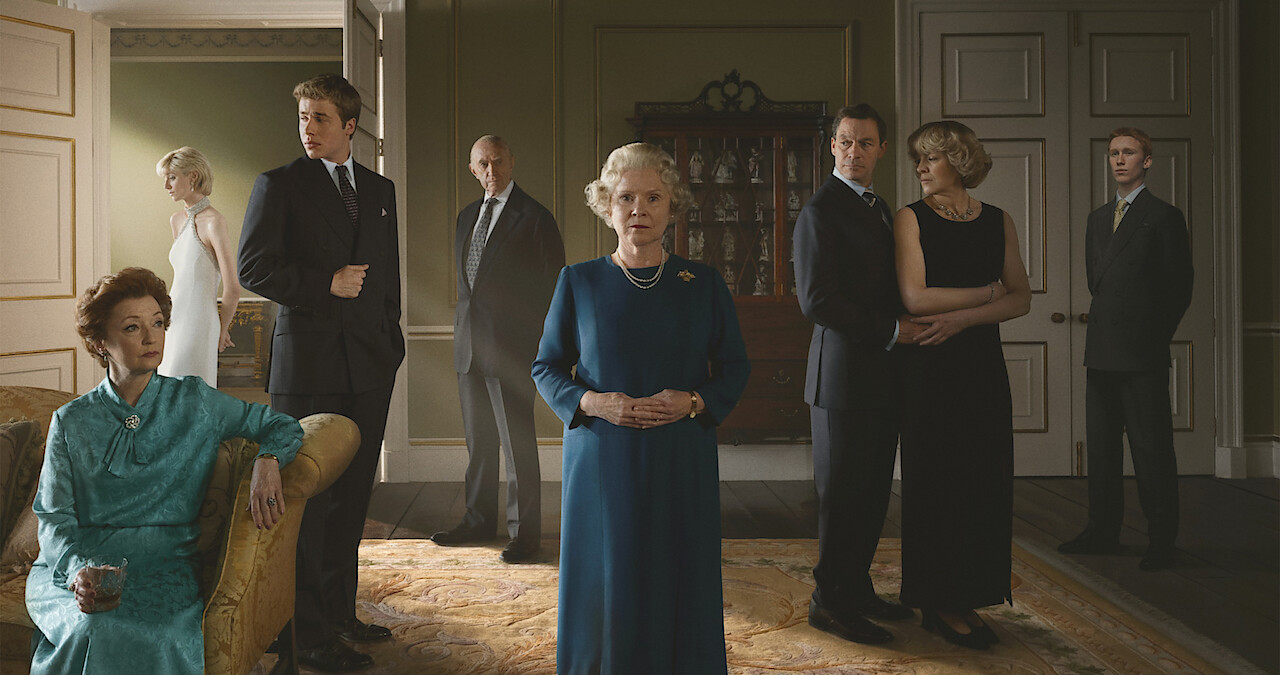
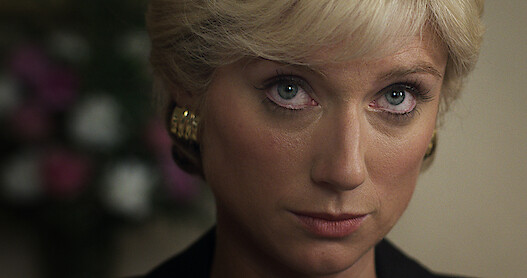
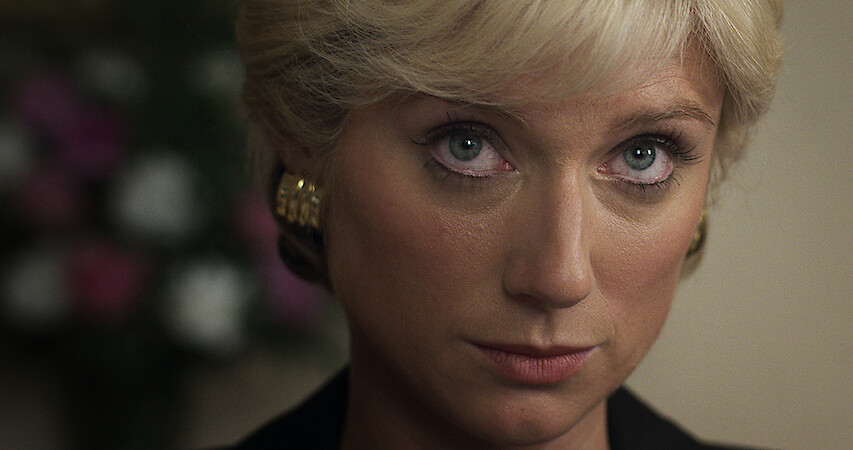
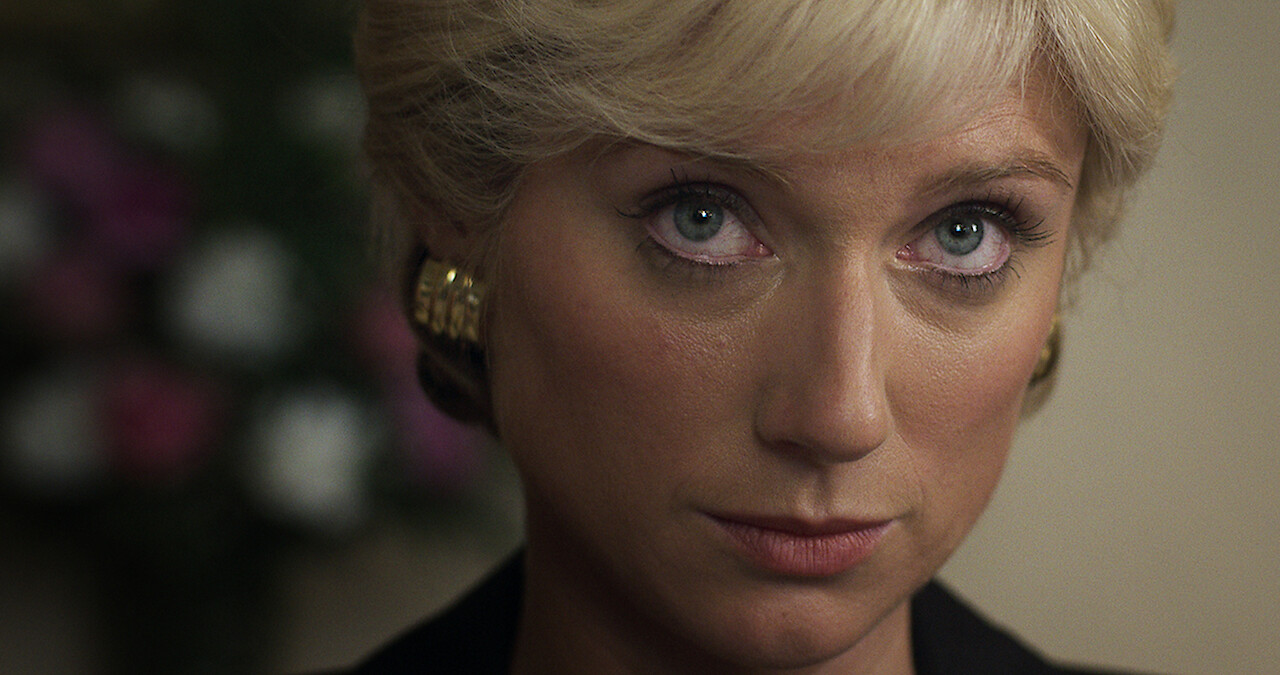
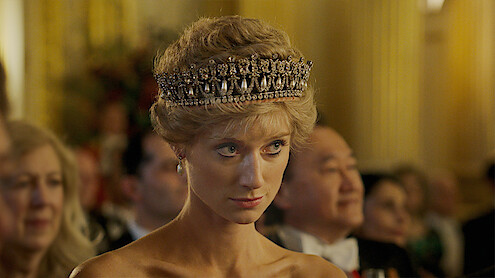
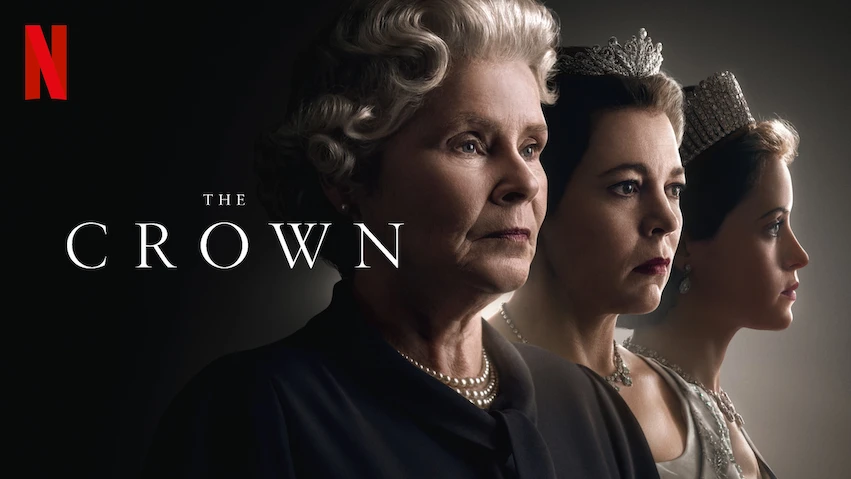
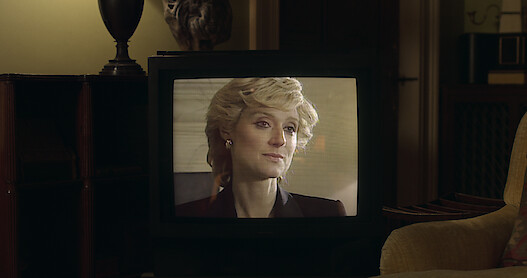
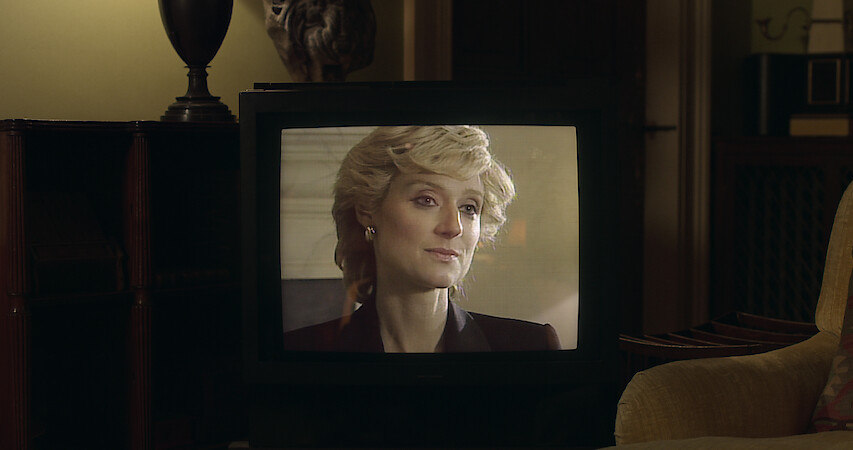
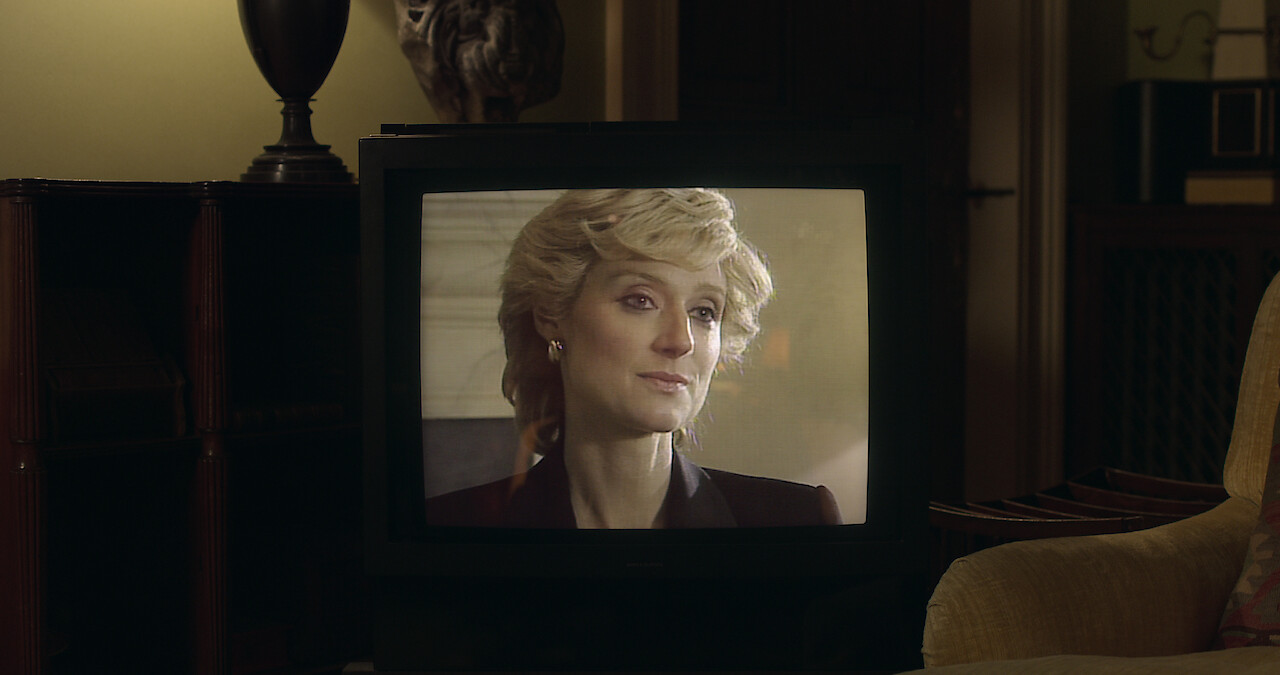
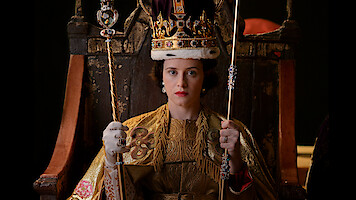
In “Gunpowder,” the royal family upgrades its TV. Episode 8 of The Crown Season 5 tackles the monarchy’s rapidly changing relationship with the media, as the BBC prepares to air an explosive interview with Princess Diana (Elizabeth Debicki) on its Panorama program. In this episode of The Crown: The Official Podcast, host Edith Bowman talks to archive researcher Victoria Stable about finding the elusive clips that make it onto Queen Elizabeth’s (Imelda Staunton) screen in Season 5. You can read an edited transcript of their conversation below, and check out the full episode for a conversation with director Erik Richter Strand, head of research Annie Sulzberger, and the actor portraying Martin Bashir, Prasanna Puwanarajah.
Edith Bowman: Much of this episode centers around the royal family’s relationship with television and the significance of broadcasters like the BBC in Britain. So I wanted to speak to someone whose role behind the scenes on The Crown is pivotal in getting real footage of these historical moments into the show, enriching the context and the story: archive producer Victoria Stable.
Victoria Stable: An archive producer is really an experienced film researcher, which is a bit more explanatory. I’m responsible for finding anything that has any copyright invested in it that doesn’t belong to The Crown. So, anything we haven’t generated ourselves, be it sound or moving footage. I only do the moving footage. I don’t get bogged down with stills.
Each department does their end stills research and the research department [does] these wonderful visual documents using photographs. So, it’s my job to source the material, get it seen by the right people [and] find out if they want to use it on the screen. In a way that’s the easy bit, and then you have to start the clearances. In drama, your clearances and permissions have to be 100% watertight. And I realized on documentaries how much we sort of winged it. It’s different [because] documentaries have an educational side to them and a news side to them, whereas drama is commercial and it’s entertainment.

Bowman: And most of the time it’s a kind of creative license around how that footage might be used.
Stable: People want script pages; they want to know context. We might have an actor standing in front of it saying, “I don’t like this.” Whereas everybody wants their clips to shine.
[For] the royal family documentary... everyone’s sitting on the sofa watching a fantastic bit of Tomorrow’s World. It’s on for about a minute and a half. Tomorrow’s World is saying how one day there will be a home computer in everybody’s house. It’s actually a fantastic item, but I think it’s Princess Margaret [who] says, “You know, this is really boring. How do you expect us to enjoy this?” Prince Philip gets cross and everything, but in fact, Tomorrow’s World didn’t want people saying it was boring. But I mean, it was 1969. It was [in] black and white and it was quite dry. But anyway, they said yes in the end.
Bowman: Did the cast approach you as well for their research purposes?
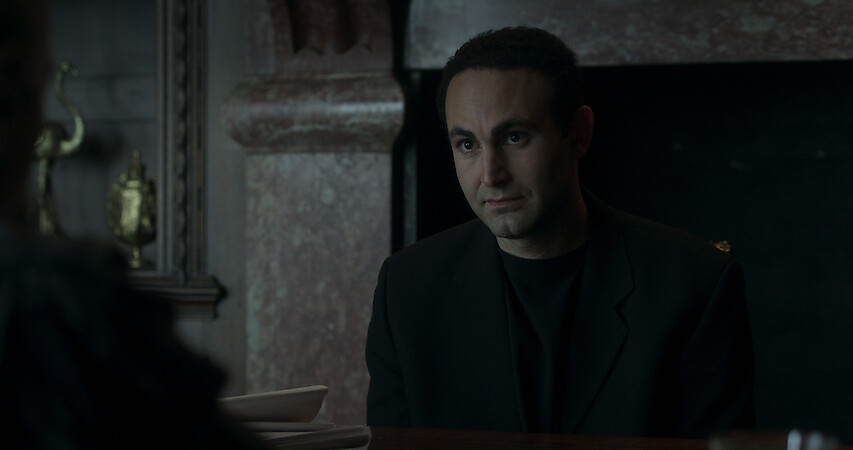
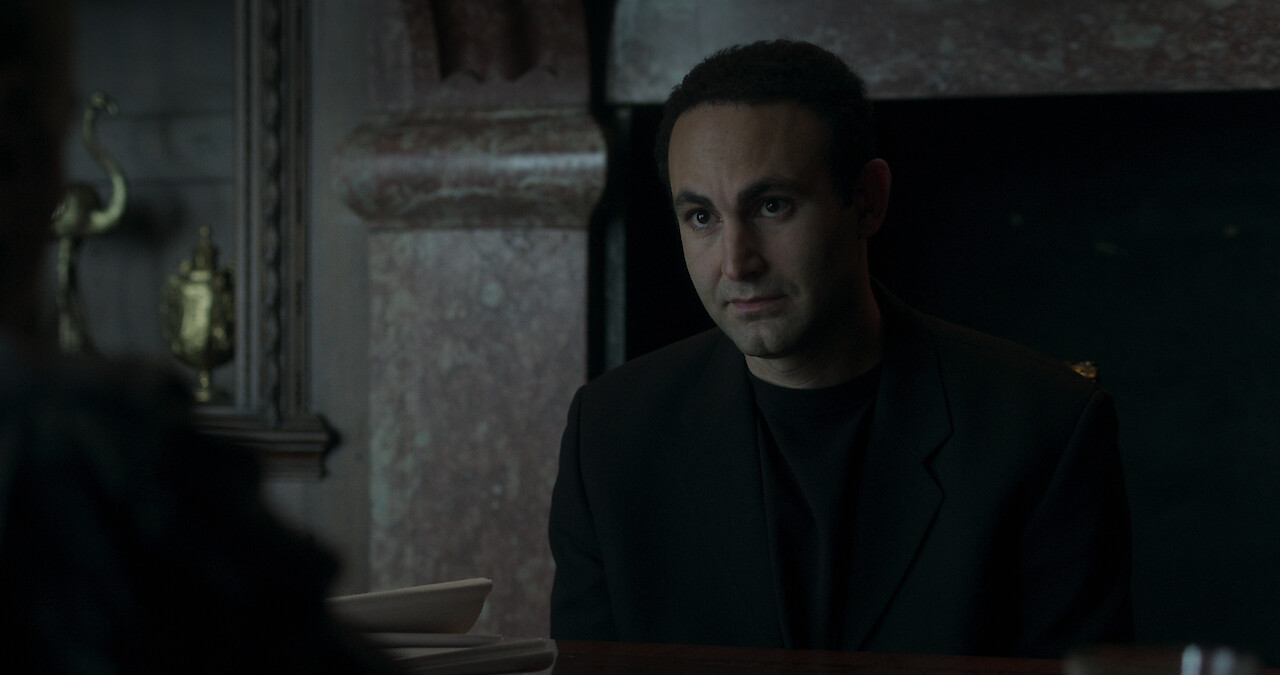
Stable: Sometimes, yes. I mean, in Season 5, Khalid Abdalla, who plays Dodi... there’s so little footage of Dodi; I certainly hadn’t found anything of him speaking. Khalid sent me a random photograph he’d found online and you could see a news camera. He was being interviewed somewhere and I sort of worked it out. Long before he ever met Diana, he was in a court case in Toronto and you know, again, I was looking through old back copies of the Toronto Star and things like that. But anyway, there was this court case and the day he came out of court, I think he was just giving evidence or something, somebody interviewed him. There was only five seconds of him speaking, but we did find it.
Bowman: Wow.
Stable: So that’s always useful, you know?
Bowman: That’s amazing.
Stable: He does speak!

Bowman: Can we talk about Episode 8, “Gunpowder”? Because this is talking about the media landscape and change for the royals. [The] war of the Waleses pushes the private conflict with the public, and tabloid intrusion goes into overdrive, really. It’s interesting to see that kind of royal relationship with the media threaded throughout this whole journey of The Crown, really, and how that’s changed. Tell us a little bit about sourcing the huge amount of footage that we see in this episode, which gives such rich context.
Stable: Episode 8 certainly was the most challenging [in] this season for me. The Panorama, of course, had very little to do with me in that I had a copy of the program, so that was fine. Let everybody get on with that — hand that over to production and the sort of the war of the Waleses and the media war — there have been really excellent documentaries made in the last 15 years about that. So, I could just hand over the documentaries for reference. They can watch that and then they can come back and say, “We’re gonna make a big deal about this scene.”
Then I can go and see what else there is. So, that’s sort of that element to it. And the bit that stumped me most, I suppose: Peter Morgan loves these international news montages.
Bowman: Yeah, which we see... after Panorama came out.
Stable: Yes. They’re very difficult to put together because not all countries have archives.
They’re expensive to keep up and catalog. Diana was a phenomenon around the world and everybody would film her, [but] they don’t necessarily archive things. [With] news broadcasts, people don’t see the point in keeping the news reader; they will keep the inserts, the shot footage.
And actually now, fashions have changed. We do like the newscaster because they have the urgency. They can move the story along. They’re absolutely great, the newscasters, but a lot of them have been dumped and tapes have been reused. It’s sort of luck. You don’t know whether it exists or not until you ask.
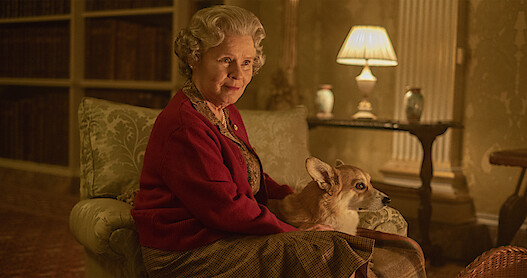
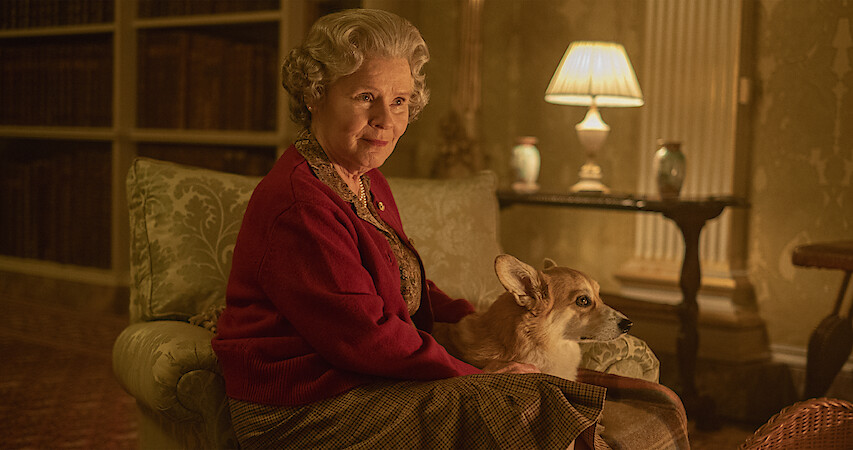
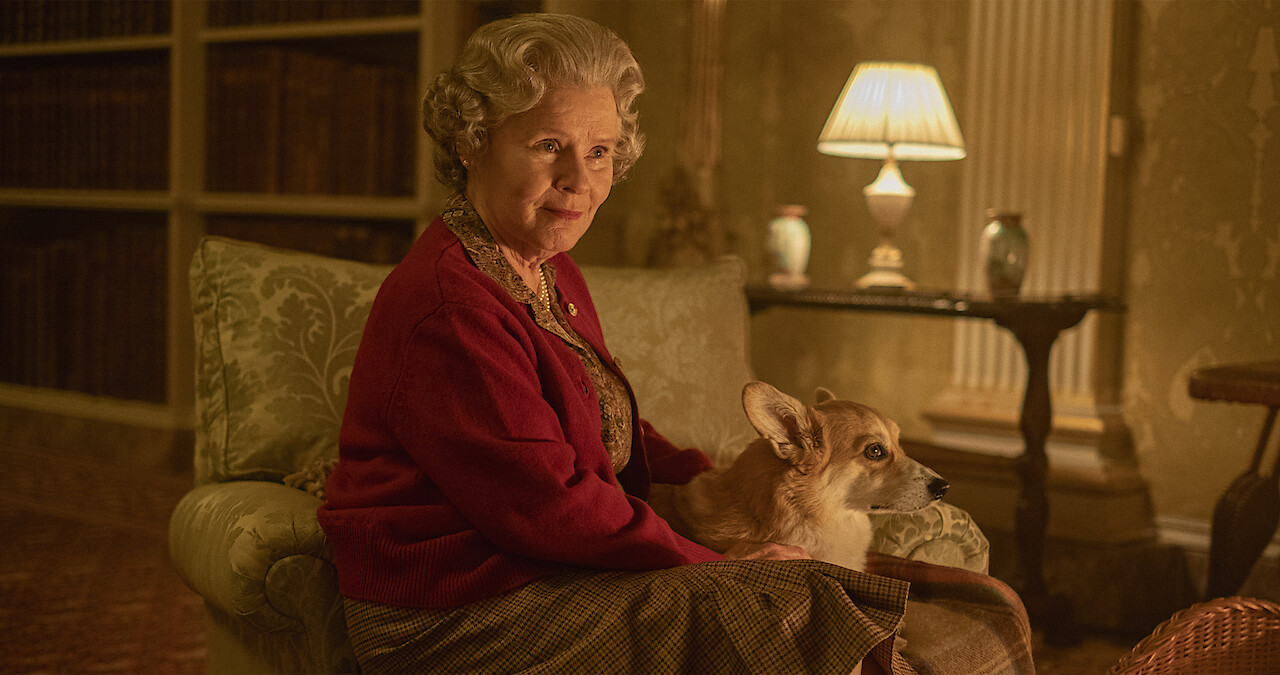
Bowman: And then you’ve got that brilliant scene where William’s helping the Queen navigate her new TV, satellite TV channels.
Stable: That’s a terrifying scene. It was always sitting there in the script. One element of that that I’m most pleased with really, I suppose, is the Beavis and Butt-Head clip. Because, just to kick off, I obviously had to go to Mike Judge, who’s the creator and animator of Beavis and Butt-Head, and he also does the voices. He had to understand that obviously Queen Elizabeth wasn’t going to be into Beavis and Butt-Head and would be fairly shocked and think it was pretty revolting. But he got that and he thought it was fun to be involved. Whereas there were other companies that... you know, I went to them because I wanted trashy, vulgar television. But you can’t ask for that.
This interview has been edited for clarity and length. For more, check out the full episode of The Crown: The Official Podcast.