Behind the Scenes
Lesley Manville Once Almost Partied with Princess Margaret in Mustique
While on holiday. With David Bowie.
Nov. 16, 2022
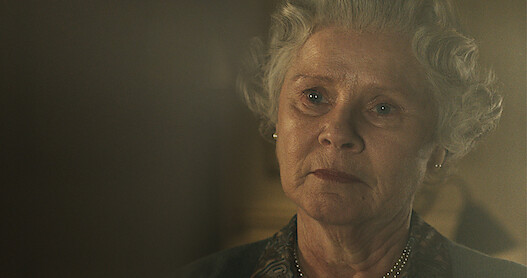
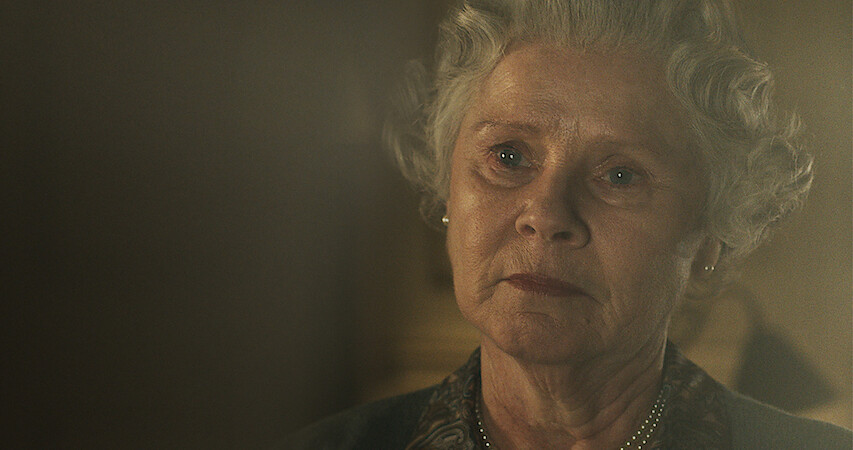
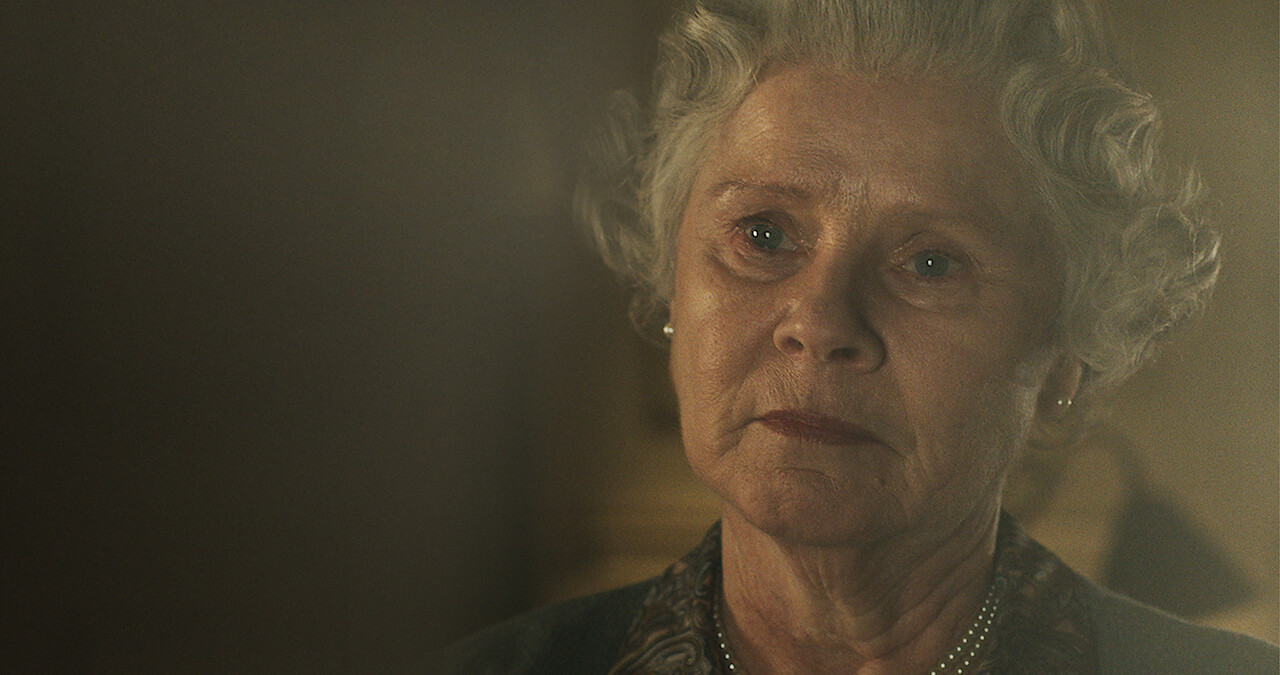
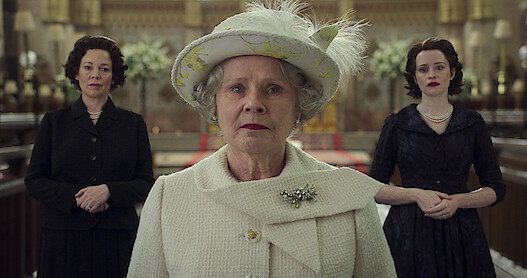
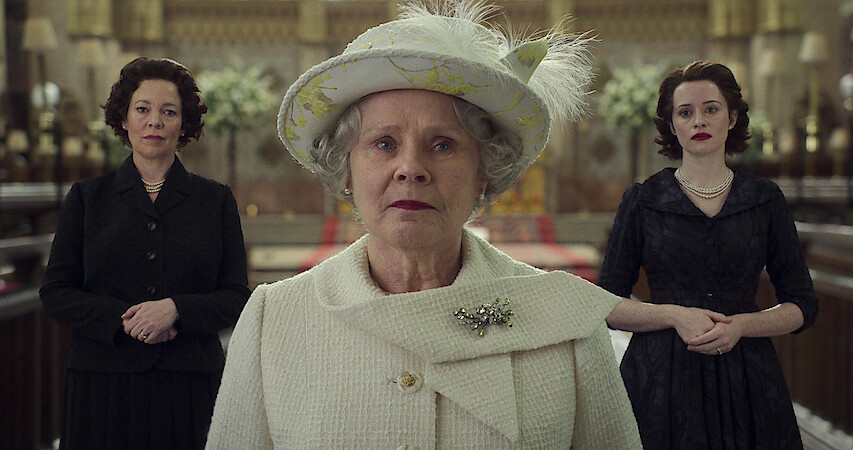
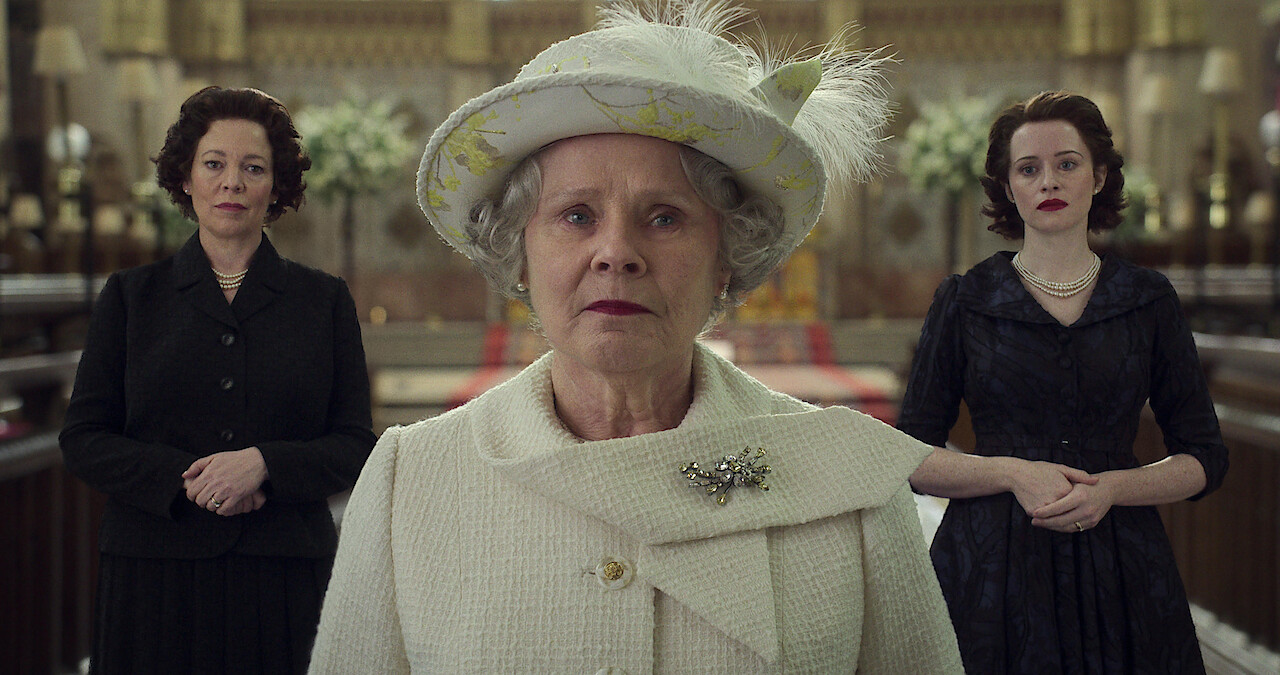
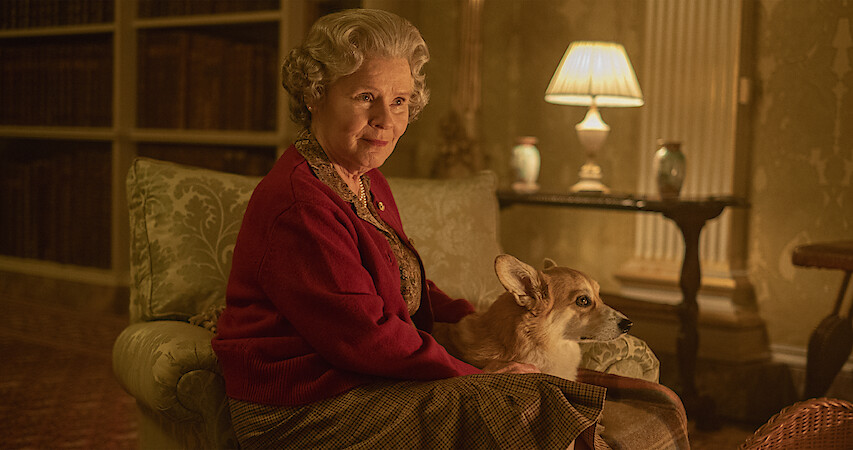
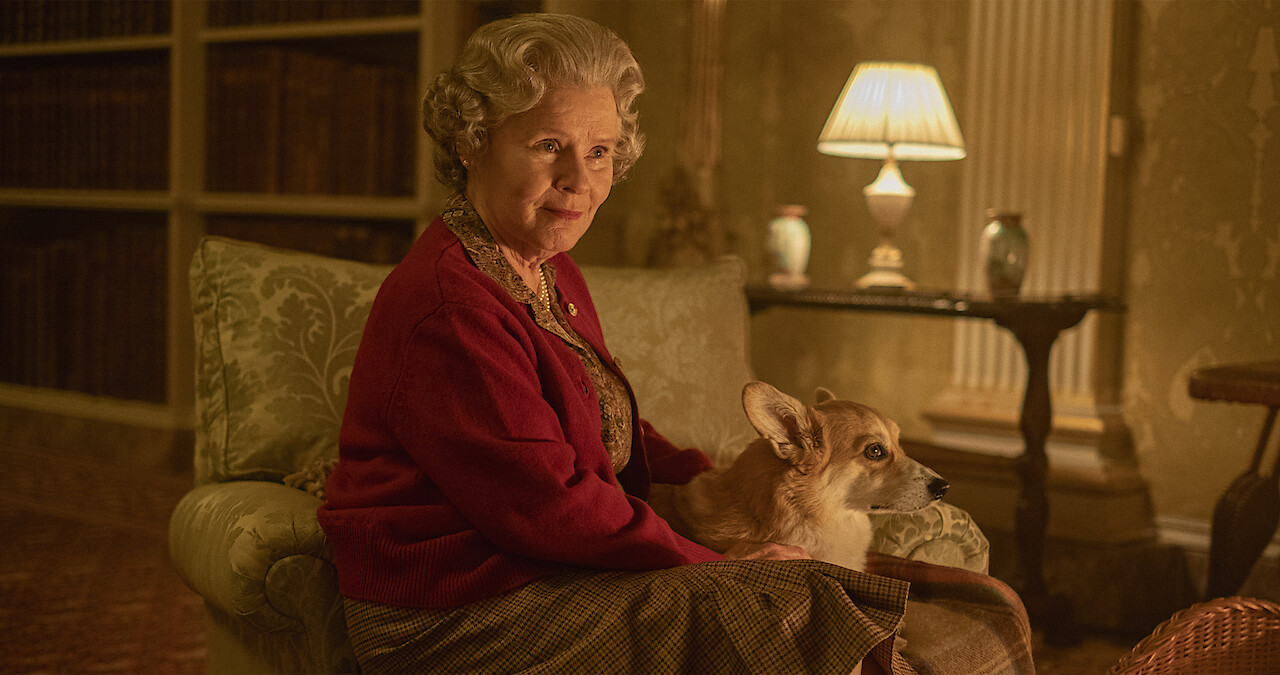
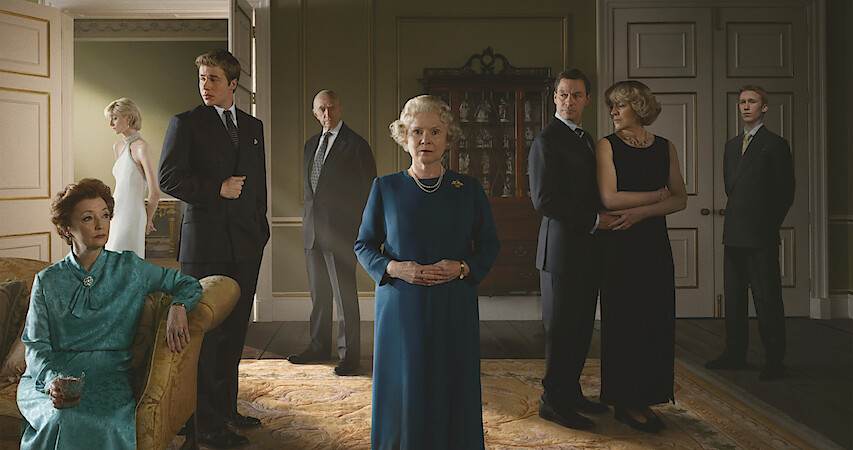
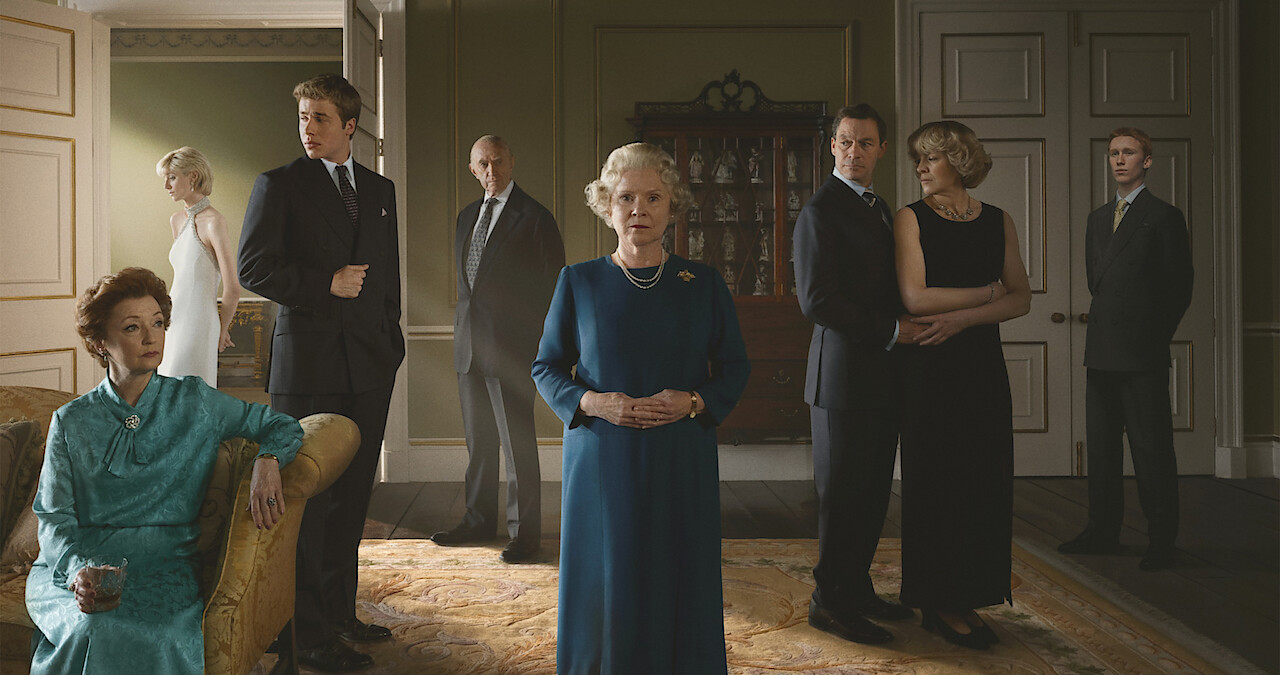
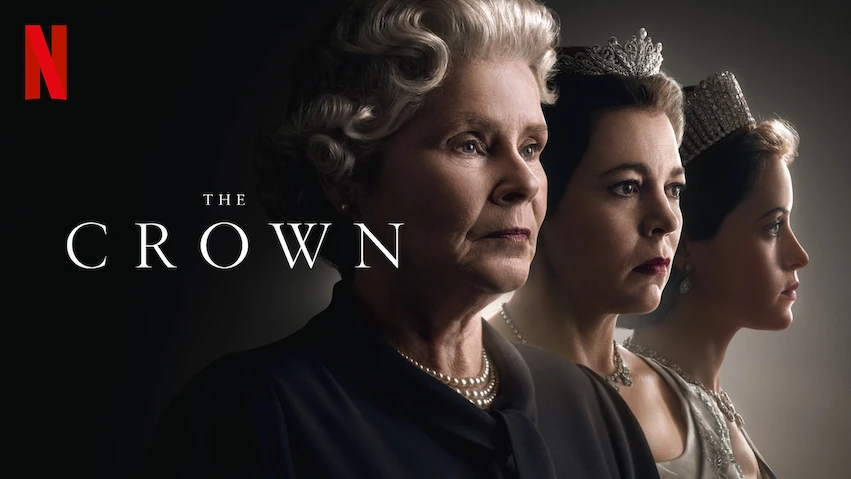
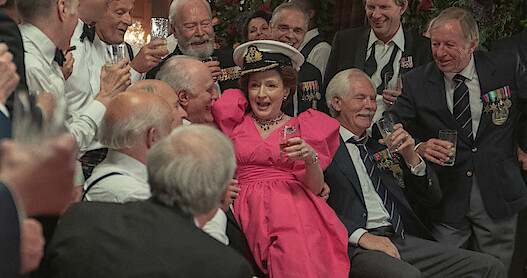
Set in 1992, Episode 4 of The Crown Season 5, titled “Annus Horribilis,” tracks a year of strife and turmoil for the royal family: Queen Elizabeth (Imelda Staunton) watches as, one after another, each of her children’s marriages fall apart. Windsor Castle suffers heartbreaking damage from an accidental fire, and the monarchy’s popularity is at an all-time low. Meanwhile, Princess Margaret (Lesley Manville) takes a trip into her own past, reconnecting with old flame Peter Townsend (Timothy Dalton) after decades apart.
In the fourth episode of The Crown:The Official Podcast, host Edith Bowman talks to Manville about Margaret’s journey over the course of the series — and that time she almost met the real princess in Mustique. You can read an excerpt of that conversation ahead. Listen to the full episode for more interviews with director May el-Toukhy and head of research Annie Sulzberger, who broke down the events of “Annus Horribilis.”
Edith Bowman: It’s time to hear from Princess Margaret, played by the legendary Lesley Manville. We sat down together on set at Elstree Studios in Diana’s incredible apartment not long after they’d finished filming. Princess Margaret has been on such a journey across the last few seasons. I asked Lesley where we find Margaret at the beginning of this season.
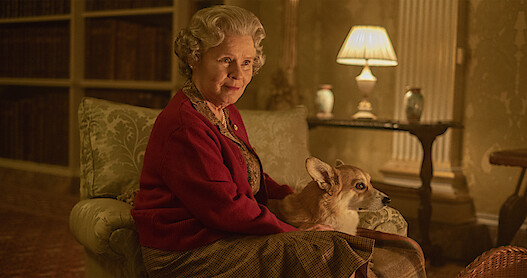
Lesley Manville: She’s not in a relationship. She’s living on her own at Kensington Palace. She’s lonely and she’s made a conscious decision to serve her sister and the crown and devote herself to that life. But when you get to Episode 4, you have Peter Townsend in his farmhouse in France, married with children, grandchildren, hearing her on the World Service. He’s coming to London to go to some ball that he suspects she’ll be at, and he writes her a letter. And there’s a lovely sequence where the letter’s there on the tray in the morning, and she’s feeding the dog, having breakfast in bed, having a bath, putting on some makeup, fiffy-faffing around all day and then finally opens this letter and it’s, like, from him!
Bowman: Screaming at the telly, going, “Open the letter!”
Manville: I know, “Open the letter! It’s him!” And of course, it sends her into a bit of an inward flurry.
Bowman: Yeah.
Manville: Historically, by the time she’d been forced to spend two years apart from him, until, as the queen instructed her, “When you’re 25, then you can make decisions for yourself, whether you want to give up your line to lineage to the throne, give up your privileged life and be literally Mrs. Townsend — you can make that decision at 25.” He was sent to Belgium for two years. She didn’t, they didn’t see each other. And the truth is, really, that he came back and she’d been having a good time. And, like it is when you’re that age, you bounce back and your hormones are raging, and you get on with other aspects of your life and other men. But of course, in the drama of The Crown, that has a different brushstroke to it. So he comes back into her life, and it makes her see the man she could’ve had, the man who she deeply loved [and] the life she could’ve had, if he’d have been accepted into the royal family. She wouldn’t have had to make any compromises on her own position to be his wife. And she sees the lost love and looks at her life right now in the ’90s, which is quite empty. It fires up all of this stuff in her, emotional turmoil, and then she gets quite angry with her sister.

Bowman: And it’s got such a whole bittersweet full circle of what he’s there to tell her as well. He’s dying [but] you sort of feel heart-warmed that they reconnected before he did, to say to each other what they needed to say.
Manville: I think in looking at Margaret and Peter in the context of The Crown, all 60 episodes, it needed to be tied up, didn’t it? It needed to have an ending. It had to have some closure. So it’s brilliant that it does.
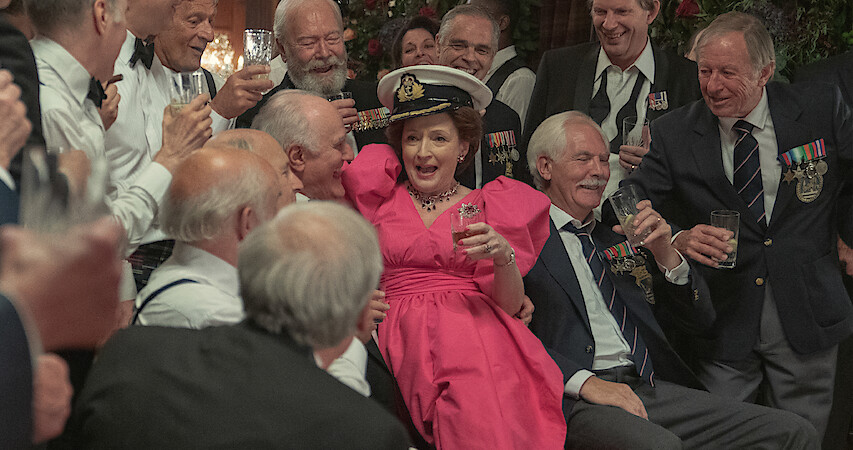
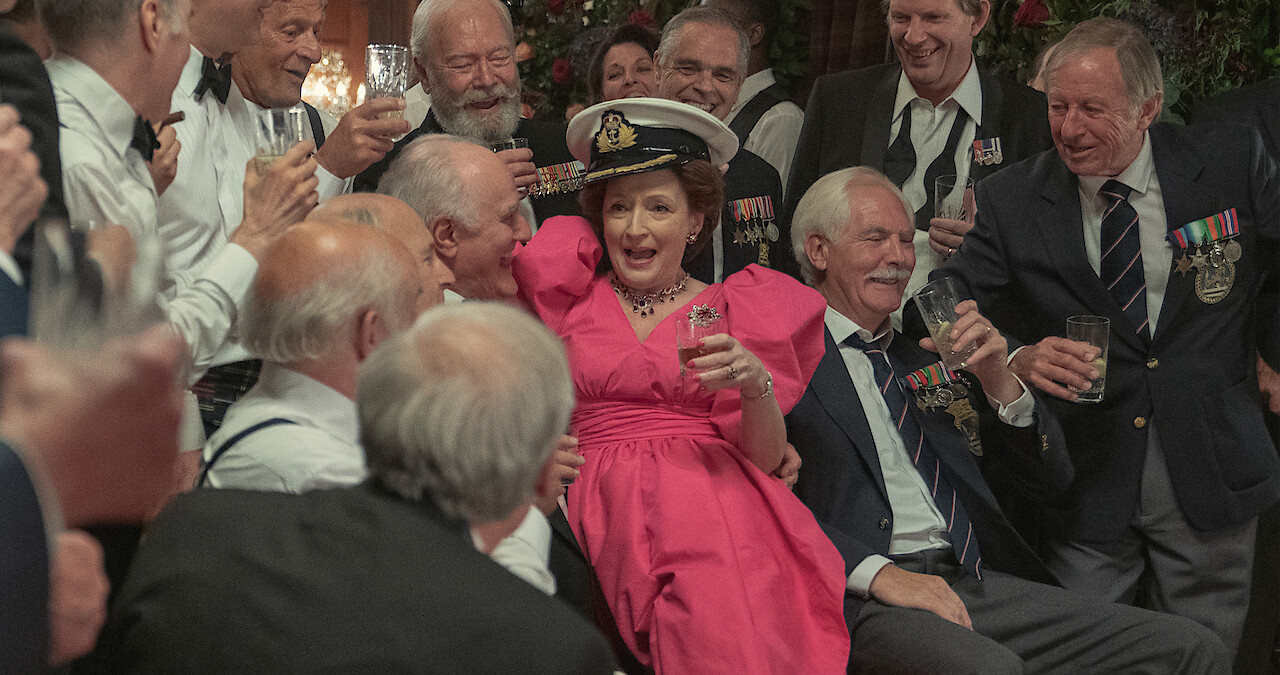
Bowman: The lovely scenes in the ball, where they reunite... it’s almost like a little short film. The arc of them kind of dancing around each other, to then dancing with each other, to the conversations that they have, it’s beautiful to watch. And you see in your performance that old Margaret come out. She’s put up those barriers. She’s decided that this is what she’s got to be. And then you just see them fall away. Was that a fun scene to shoot?
Manville: Yeah, it was lovely. We all know that the royal family is shrouded in privilege, and you can have an opinion about that. But what I like about those moments at that dance is that it could be anybody, because it’s about deep, deep, deep feelings and the need to be loved, the need to have somebody in your life who loves you, who cherishes you, who looks out for you, who’s there for you. And that’s very good that you said it’s like a little story on its own. It is. It’s like a little vignette, isn’t it? I remember when I was reading that scene, she’s about to leave, and I remember reading it and thinking, “For heaven’s sake, woman, don’t leave! You need to connect with this man.” You can’t just say hello and walk away and have a lovely conversation with Anne and leave him over there talking to his other regiment people. It’s so sweet that they come together over the Hoagy Carmichael song that was obviously their song. You sort of forget that she’s a royal — she’s just this woman who probably still feels 18.
Manville: Can I tell you a little story?
Bowman: Please.
Manville: How I missed meeting her by one night?
Bowman: No!
Manville: It’s quite a good story. I’m a breastfeeding mother, and — I can’t tell this story without name dropping — I’m on holiday in Mustique with David Bowie.
Bowman: Great.
Manville: With my then husband, and he lives next door to Mick Jagger and Margaret.
Bowman: That’s a hell of a street.
Manville: So we’ve been there about 10 days. I won’t go into the details, but I get a breastfeeding problem and we have to come home. And David Bowie rang me up to see how I was, if I was alright, and he said, “You missed a great night.” I said, “What did we miss?”
He said, “The day you left, Margaret rang up and said, ‘Would you like to come and bring your house guests ’round to mine? We can have a bit of an evening.’ ” And Mick Jagger was there as well, and apparently I missed a great evening, and she was playing the drums. I mean!
Bowman: Oh my God.
Manville: What a time to get mastitis!
Bowman: Oh, Lesley, that’s an amazing story.
Manville: Who’d’ve thought? I mean, I was in my early 30s then.
Bowman: That wasn’t during this period that you were playing her in The Crown?
Manville: No. Earlier.
Bowman: Because that would’ve been bonkers, really. Wouldn’t it?
Manville: I mean, that was around the time Helena was playing her, and there were all those scenes in Mustique.
Bowman: Did you have to keep [your casting] secret for a long time?
Manville: Ages. Absolutely ages. Well over a year, at least.
Bowman: You and Imelda are friends. Did you know about each other?
Manville: We did. When I met Peter, he said Imelda and I, we happened to be with the same agents. It just seems so right that we’re playing sisters.
Bowman: Episode 4 really focuses on Margaret. We have the “Desert Island Discs” recording. I imagine that the archive of that is there for you to listen to?
Manville: Yes.
Bowman: But is that a useful thing or is it not? You know, in terms of you’ve the actual recording of that, you can listen to it. You can be in that moment while she’s doing it.
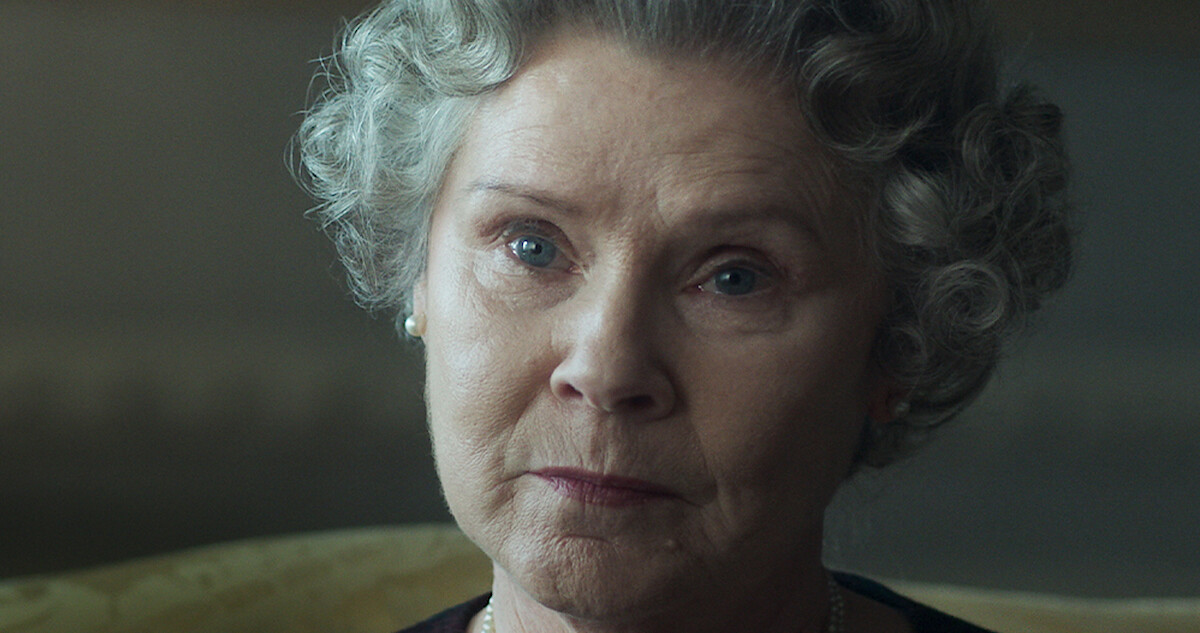
Manville: It was helpful. I mean, because we’re not doing impersonations. So it’s useful because you could hear, at certain times listening to that, an attitude coming through. I was quite surprised by her music choices. That really did surprise me. I thought there’d be more of the Hoagy Carmichael “Stardust” type of music in there. It was useful because, interestingly, unless you’re probably even older than me, you won’t remember hearing Margaret so much. When she was younger, she was out there and you could hear her voice a lot, but there’s very little recording of her in the ’90s.
Manville: “Desert Island Discs” was actually in the ’80s, and then the research team found another recording of her doing an interview at the Palace, talking about her memories of being in Buckingham Palace when the war was on. It’s a short little seven-minute interview, and that’s really all I had. People don’t really know her voice like we know Diana’s voice and Charles’ voice. We’re so familiar with the sound of them. People weren’t so familiar with her older voice at least.
Bowman: From this experience so far with The Crown, what’s the thing that pops into your head [as] being the most, sort of, prominent memory?
Manville: I think the showdown scene with Imelda, because from the moment I read it, I was aching to play it. Because, normally, the coats are quite tailored and structured. For them, it was just a way of keeping warm, and it was a sort of, you know, you put on the mink.
Bowman: Threw it on.
Manville: But because it was quite a loose mink, and I could put my hands in my pockets, and it did just feel like I’ve got this day dress on underneath and just throwing on the mink. For me, it just brought it all together. It was a genius bit of costume designing.
Bowman: That’s so interesting because I remember in the last season when Helena has the showdown with her mum on the beach and she’s got a mink on.
Manville: Over her shoulders.
Bowman: It’s like her armor in a way, it just gives her some kind of confidence to confront.
Manville: It’s decadent, but worn in such a “I’m just nipping to Tesco’s” kind of way.
Bowman: It’s brilliant because you still own her. She’s your Margaret in this. Although she was a real person, you’re still dramatizing Peter Morgan’s script based on a real person. There’s a line to find, isn’t there?
Manville: Yeah, there is, there’s absolutely a line to find, and I find that line a little bit hard to analyze because I think acting is a bit blurry. I trust my instincts more than I ever did 20, 30 years ago. I think that is to do with age and experience, but it’s hard to define because you could carry on doing research on Margaret and the royal family forever. But we’re doing a drama, and so finally you have to put all of that away. And the only thing that is then important, and I deliberately, I’d done all these little tabs in the books. I’d read all the little pink tabs for good bits. I thought, “Yeah, that’s gonna come in handy, tab that.” I’ve not gone back to one of those tabs since — I mean, it’s in here somewhere.
Bowman: Yeah.
Manville: Because finally I’ve got a script. And it might differ from specifically what happened. But we’re making a drama, and I have to make that script and those scenes come to life. People can say, “Yes, I was at dinner with her, and this happened and that happened,” but nobody knows what that woman was thinking when she went to bed on her own at night and when she woke up in the morning with just the dog there. Nobody knows what that woman was going through, so I have to imagine what she was going through and do my version of what I think she’s going through.
This interview has been edited for clarity and length. For more, check out the full episode of The Crown: The Official Podcast.