
Behind the Scenes
Peter Morgan Says ‘The Crown’ Season 6 ‘Is Just Riveting’
“The arrival of William and Kate and Harry just blows the doors off.”
Nov. 30, 2022
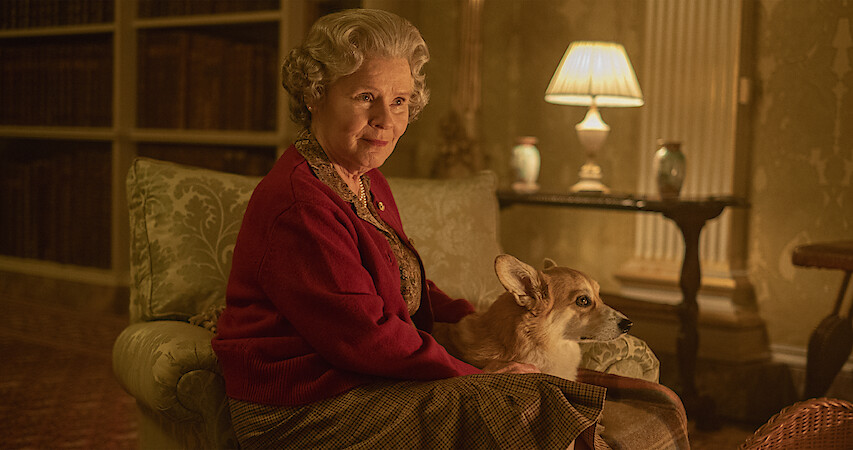
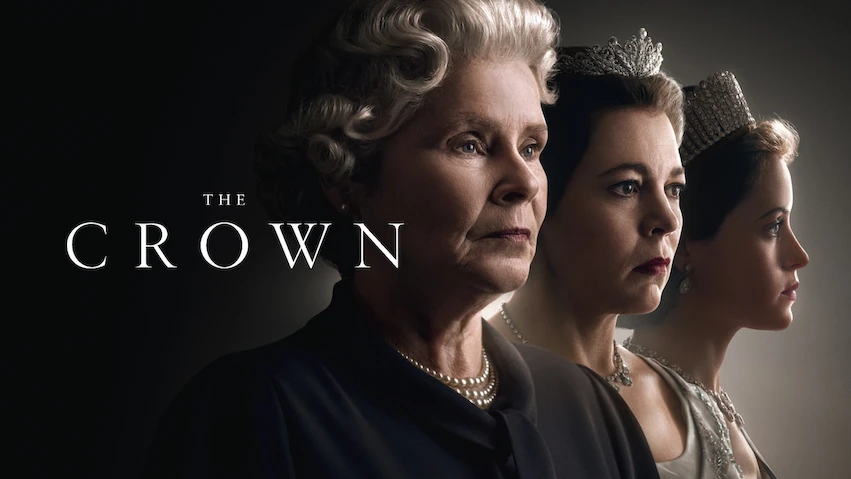
The Season 5 finale of The Crown, titled “Decommissioned,” sees the royal family in a state of flux, both personally and on the world stage. Marriages have ended, lives are shifting, political leadership is changing and the once-almighty British empire is on its last legs. The one consistent thing? The crown itself.
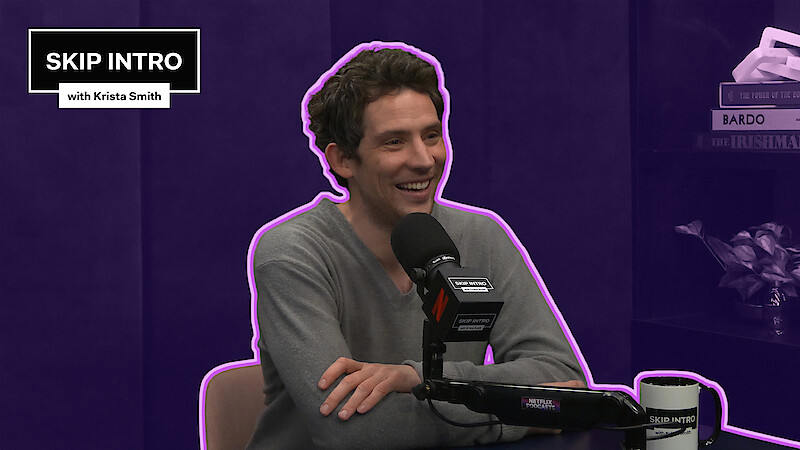
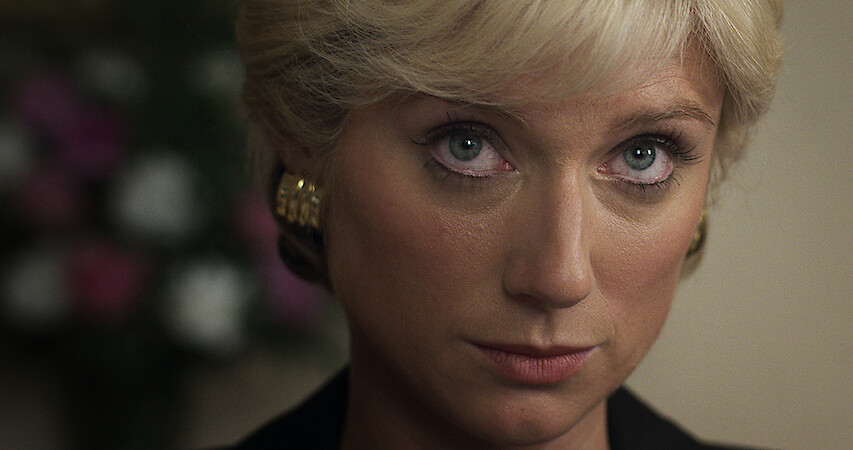
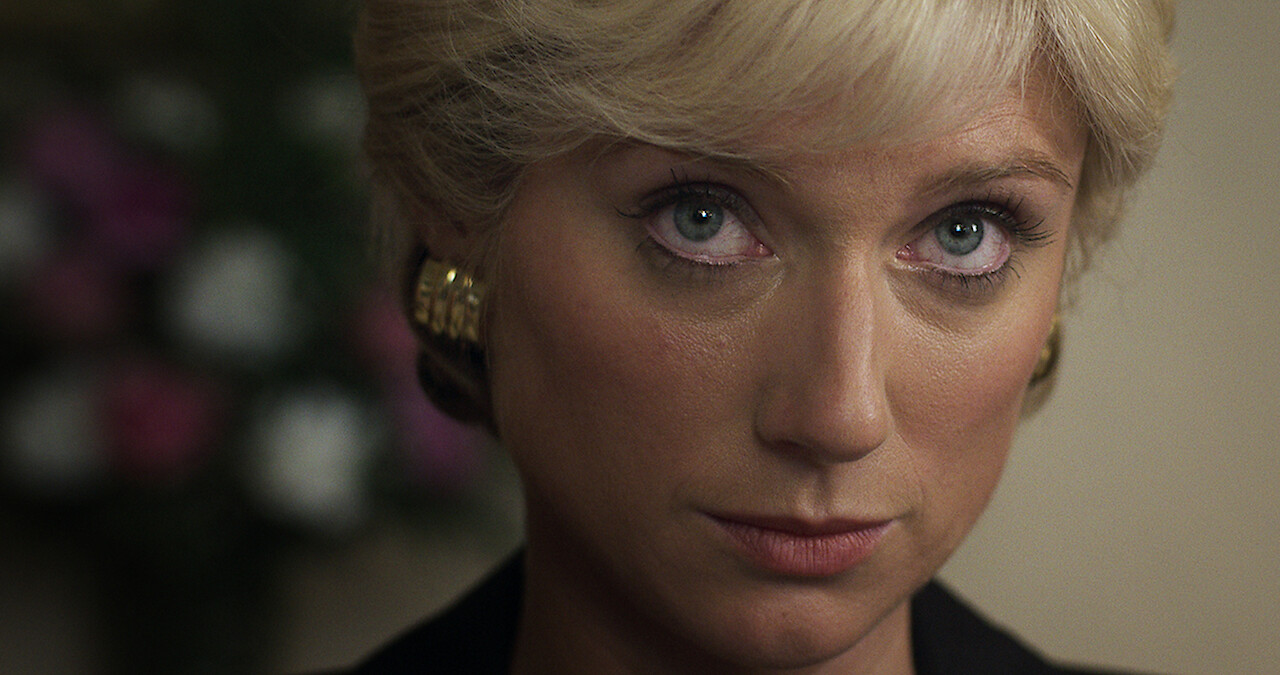
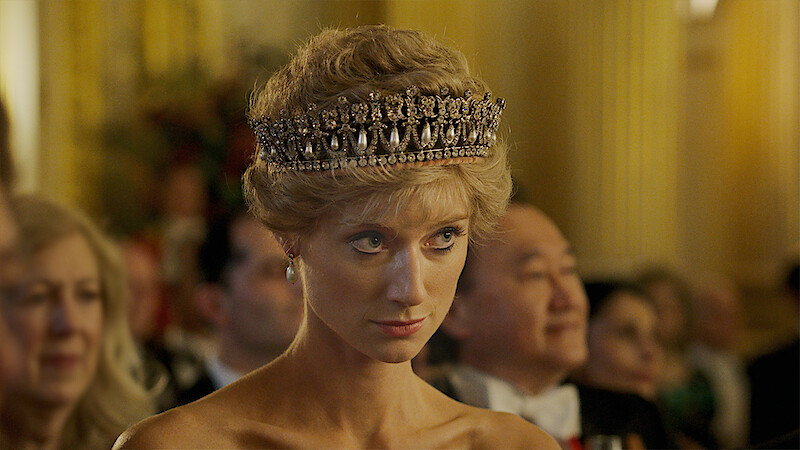
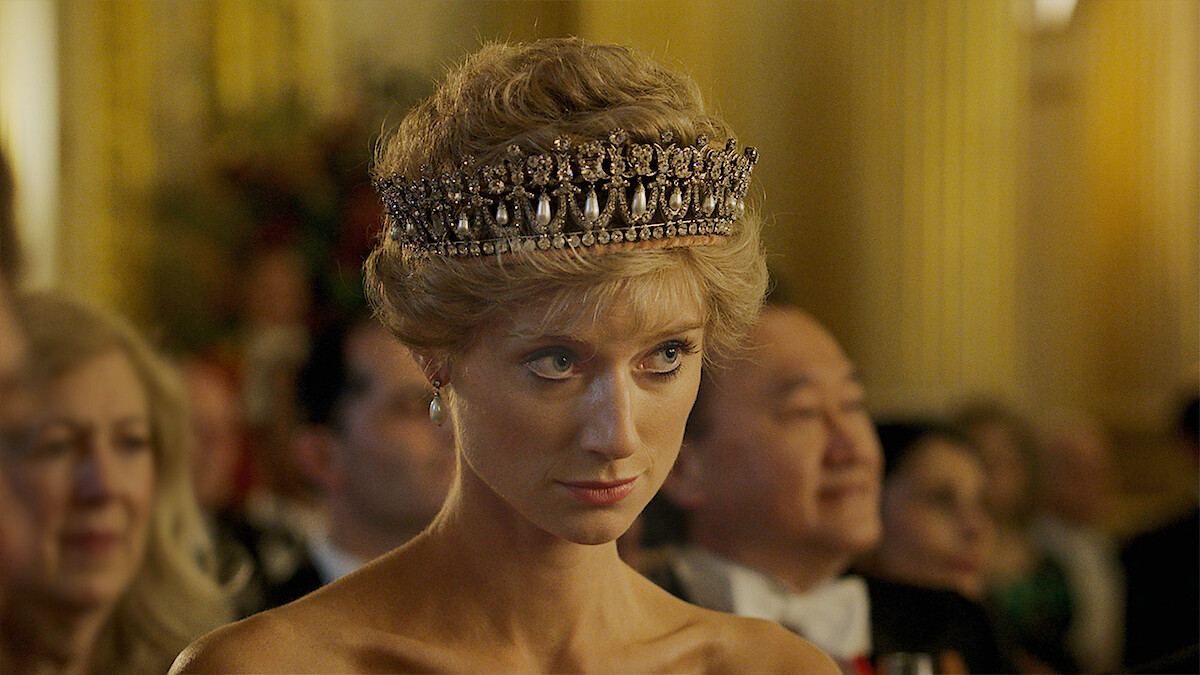
In the final episode of The Crown: The Official Podcast, host Edith Bowman recaps this season with writer Peter Morgan, who also teases what’s next for Season 6. Ahead, you can read an edited transcript of their conversation. Go deeper into the episode with the full podcast, and hear from Diana actor Elizabeth Debicki, director Alex Gabassi and head of research Annie Sulzberger, who break down their favorite moments. Until next time!
Edith Bowman: How do you know how to end a season, and particularly with Episode 10, “Decommissioned.” How did you know what you wanted this episode to be?
Peter Morgan: I saw Episode 10 as the story of two yachts. Initially it had been called “Two Yachts” and it was a story both about the Royal Yacht Britannia, but also about –– we shot this, but we didn’t actually put it in the final episode ––Mohamed al-Fayed rang Diana up and said, “I’ve got a big new yacht. It’s a fantastic new yacht.” Only to hang up the phone and realize that he doesn’t have a new yacht, and then had to buy a new yacht. We shot all that.
We decided not to have that, but that was how the show had been conceived, as a story of both the decommissioning of the Britannia and the Jonikal. By telling the story of those two yachts, you somehow would set it all up. You know once she’s accepted the invitation to go on that holiday, where you’re headed.
Bowman: The Britannia and [its] decommission has such a powerful impact on the queen. We begin with the end of this boat, which signified so much and has been a character throughout this entire show.
Morgan: Very intentionally in this season.

Bowman: It’s seen a lot, this vessel, and it carries a lot of weight with it. What has it given you as a writer?
Morgan: Well, it’s a great big juicy floating metaphor, isn’t it? And the degree of her attachment to it as well… If you ever find yourself in Edinburgh, you know it’s really worth a visit because…
Bowman: It’s down in Leith, isn’t it?
Morgan: Yeah. The thing that really struck me was how modest it was, not how grand it was. The queen’s bedroom was almost like a convent in its modesty. Very, very narrow bed, very simply furnished. Same with the Duke of Edinburgh’s. Their two bedrooms were very close to one another. There was nothing luxurious about that yacht. Of course, there were great big drawing rooms and they were well appointed, but not nearly as much as you’d think. The picture you conjure up when you think of luxury–– the Royal Yacht is quite different. And then on top of all that, the knowledge that 220 crew were on board at the same time. You just thought, “Where did everybody fit?” It was total sardines.
And then I finally got to see the captain’s cabin, and even that was barely more than a cupboard. So they existed in this, on the one hand, yes–– quite grand in that it had so much history and so many people had come aboard, and they’d used it on so many occasions–– but I’d understand their frustration if somebody was sitting there going, “Oh my God, it’s so bling.” It really wasn’t.
Bowman: That physical thing –– you went and spent time and looked around and saw it –– does that fuel a lot of things for you, when you’re writing?
Morgan: It says a lot about her as a character. I’m always struck, also, when we film on location and have period cars and they’re tiny –– it makes you feel that they were somehow smaller. When I walked around Britannia, I was really struck by the modesty of a previous generation. The generation that turns the lights out, you know? That generation’s so different.
Bowman: In Episode 10, you really feel and see Charles’ confidence. He’s just been on holiday, he’s been to Hong Kong, and he had that private meeting with Tony Blair, and he took Camilla out on the boat, and he comes back and he’s a different Charles almost, in the way that he stands up to her, in a different way than he has previously when he’s had an audience with his mother. I wanted to talk to you a little bit about writing that scene, and what you were trying to say about Charles as a character at that point, and their relationship.
Morgan: Obviously he’s come a long way and he’s become more powerful and the queen’s become less confident. He’s now absolutely a man in his prime and she’s older than retirement age. No matter if you’re a monarchist or not, the dynamics of a family… there’s nothing better to write about. And that’s what is interesting to me: the pathology of a family, the challenges of a family, the rivalries, the alliances, the betrayals.
Bowman: Let’s talk about Tony Blair, because we get a glimpse of him in this episode. What do we have to look forward to with him, in the next series?
Morgan: Well, that was a particularly tricky one for me because Tony Blair is, of course, one of the “superstar prime ministers.” There’s no question that he, Thatcher, and Churchill are the most luminous. It’s not just about their time in office, the length of their time in office or indeed the amount of election victories, but: their force of character and the impact they made on a country, on an electorate and probably also on the world stage.




Bowman: Jonny Lee Miller as John Major –– for someone who was portrayed as this gray character, he’s luminous in this season. You’ve made him a really interesting man, or you’ve allowed the parts of him that we weren’t aware of to rise to fruition.
Morgan: Well, I’m really happy to hear you say that.
Bowman: Jonny’s fantastic. He’s so good in this.
Morgan: I do think the casting director will allow me to take credit for that. Robert Sterne, our casting director, came up with some really interesting names of people who played the eccentric and I felt they were missing who he was. I thought, “Well, the queen really likes him, that was well known. And therefore he’ll be a good listener and he’ll be sympathetic.”
So, when you put all these elements together, everything I heard was that women really liked him, you really felt safe with him, liked him, valued him and you kept hearing this, “you were underestimated, underestimated, underestimated, underestimated.” And so I said to the casting directors, “Can you just look for a leading man? Look for a leading man and put those glasses on a leading man, rather than look for an eccentric because of the glasses.” And I actually said, “Try Jonny Lee Miller.”
I’m very happy to say that no sooner had they got in touch with Jonny, we heard that he came from exactly the same part of South London. He knew that whole area where John Major was brought up. It was in between Brixton, but also he went to Rutlish Grammar. Jonny didn’t have to change his voice to sound like John Major. It’s very specific, it’s not cockney, it’s not RP for those of us with forensic ears, as it were–– it’s very particular. And I always think it’s fantastic if an actor isn’t having to sort of completely twist their mouth; if they can bring as much of their natural stuff. Jonny was so keen, he was so passionate about doing it, and he had a really good time. We were thrilled with what he’s done, I mean, who’d’ve guessed, right? Sick Boy.
Bowman: The note, that he leaves for Blair, did that actually happen?
Morgan: Yes.
Bowman: I love that. That in itself tells you so much about him.
Morgan: And by the way, everybody that I speak to who’s close to Blair spoke of the extraordinarily high opinion that Blair always had of John Major. Even when in opposition.
Bowman: This is a unique situation you’re in, because Season 6 is being made and there is nothing beyond that for this show. How does that feel for you?
Morgan: It feels good for the time being.
Bowman: Have you finished writing it?
Morgan: Yeah, I have.
Bowman: Wowee. How’d you know when it’s done?
Morgan: There’ll be tweaks to what I’ve done. This morning we did a read through of Episode 9, Season 6, and I’m going to be doing some changes based on what I’ve heard, but if you took it all out and shot it tomorrow, I wouldn’t lose too much sleep.
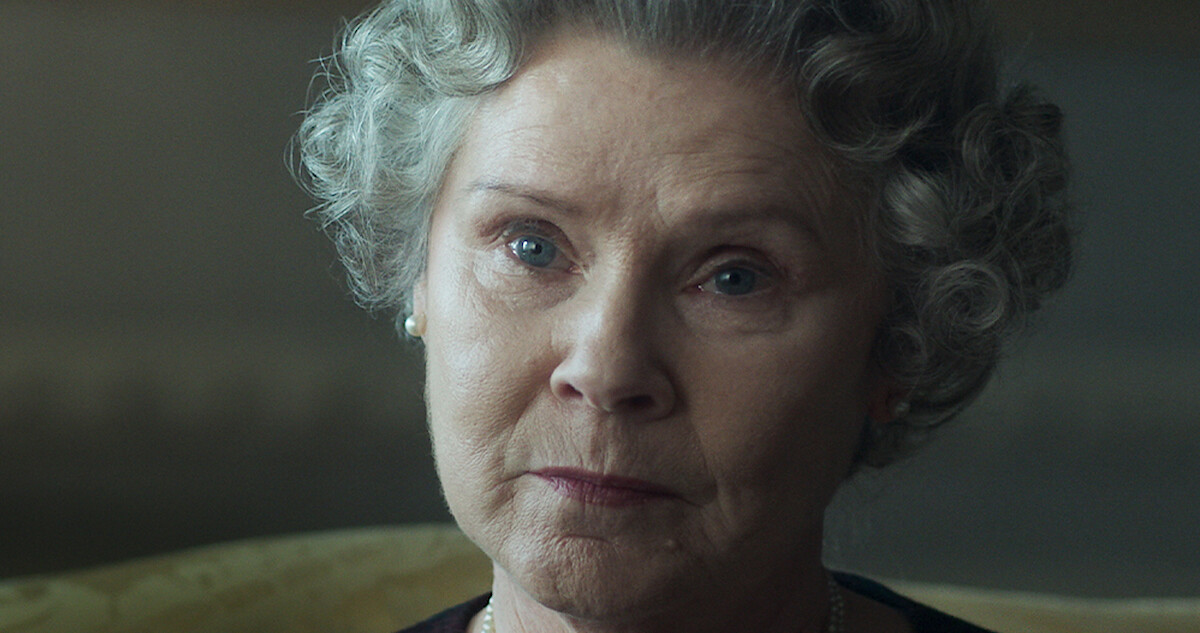
Edith Bowman: And so we are nearly at the end of another season of The Crown: The Official Podcast, and almost at the end of The Crown as a whole. Before we wrap up on this podcast for now, let’s get a sneak peek into the next season, Season 6.
Peter Morgan: In Season 6, the arrival of William and Kate and Harry just blows the doors off. You want to see them. It happened in the read through. You could just see everyone was looking up and looking at each other across the room. And every time William spoke, it was like, “Oh my God, this is just riveting.”
Bowman: Well, we’ve got all that and more to look forward to in Season 6. So, for now it’s goodbye, but don’t worry, we will be back next year for the final ever season of The Crown. I can’t wait.
This interview has been edited for length and clarity. For more, check out the full episode of The Crown: The Official Podcast.