Interview
With ‘Don’t Look Up,’ Rob Morgan Is Ready to Make Scientists Sexy Again
The actor tells us the secret to becoming Dr. Teddy Oglethorpe
Dec. 15, 2021
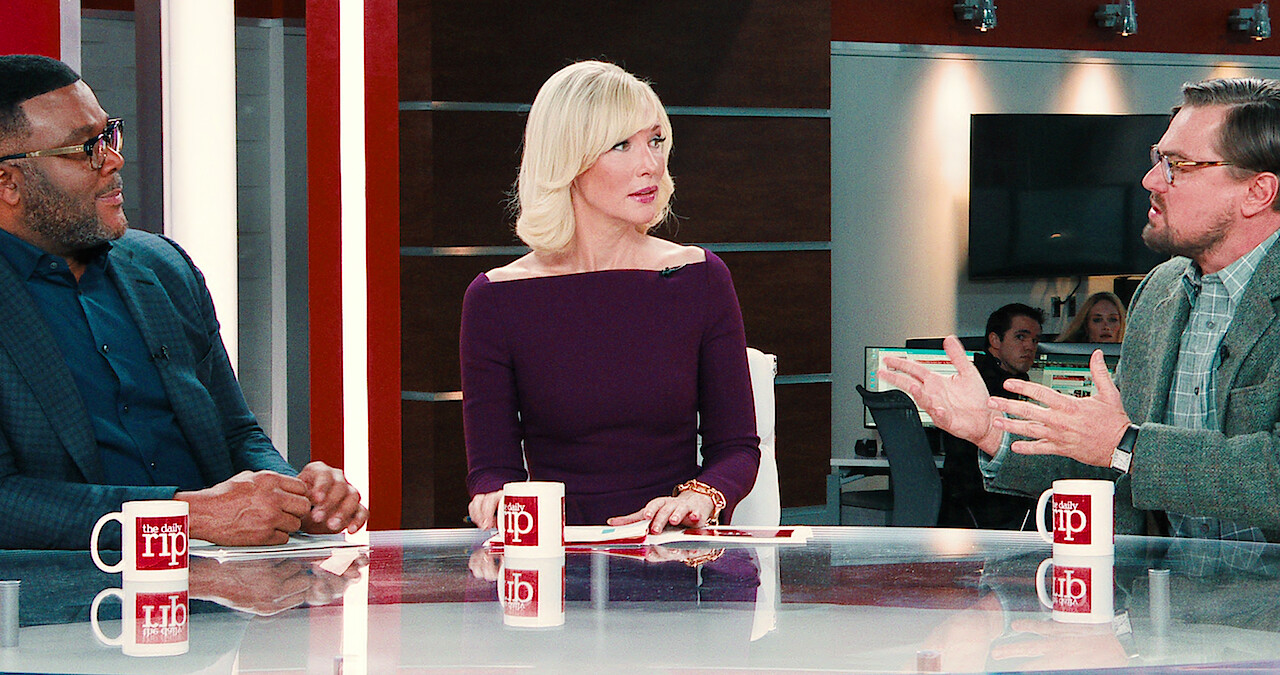
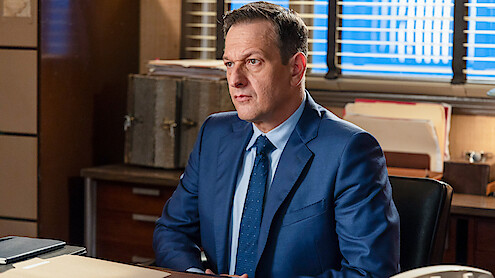
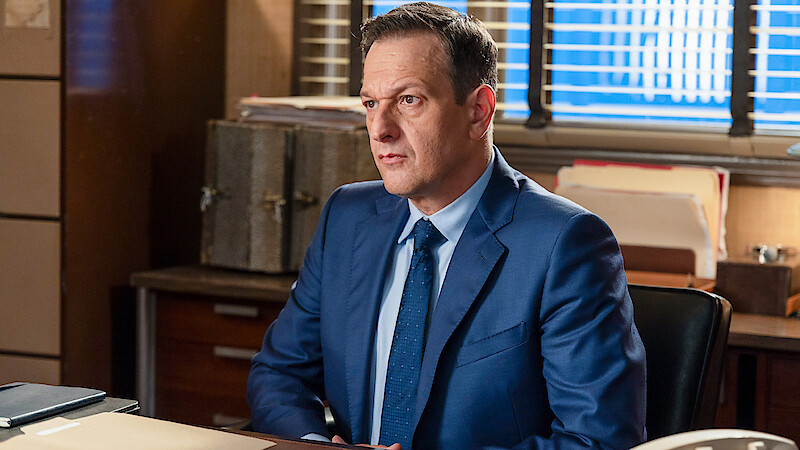
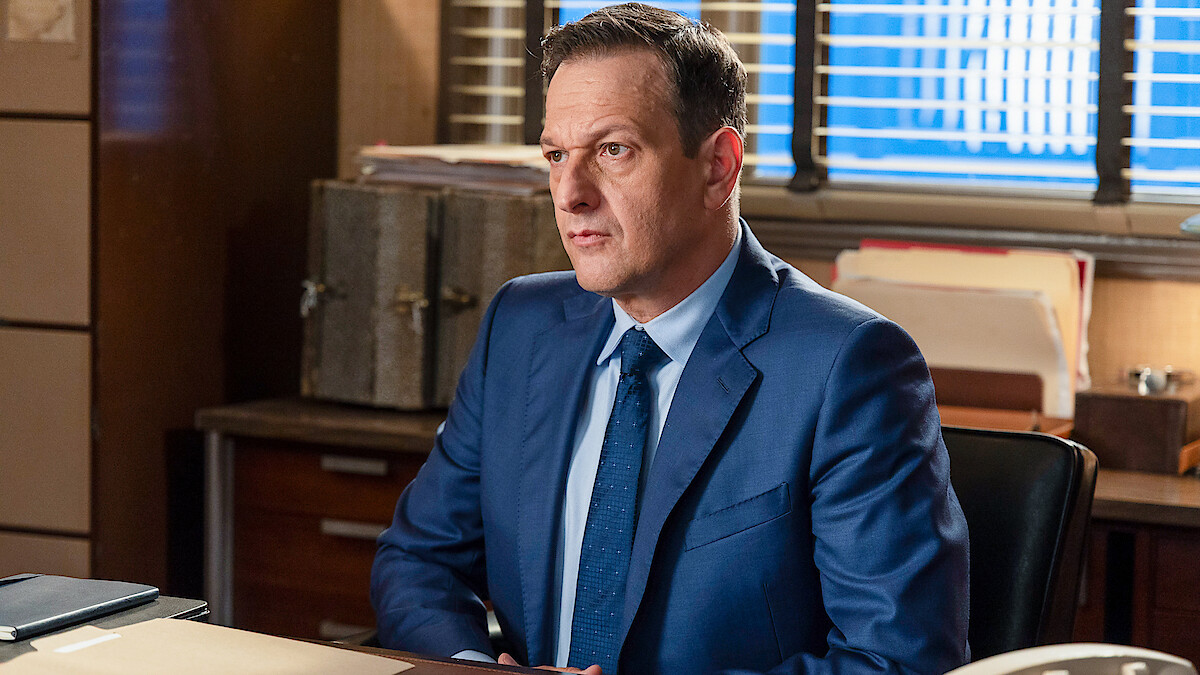
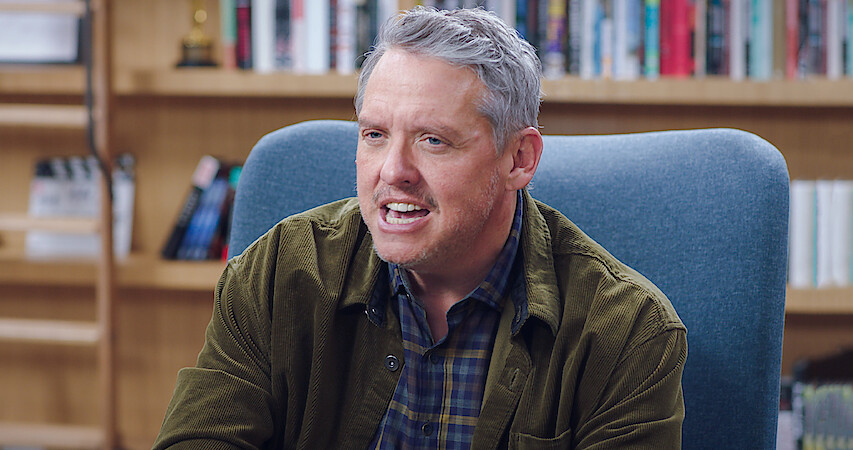
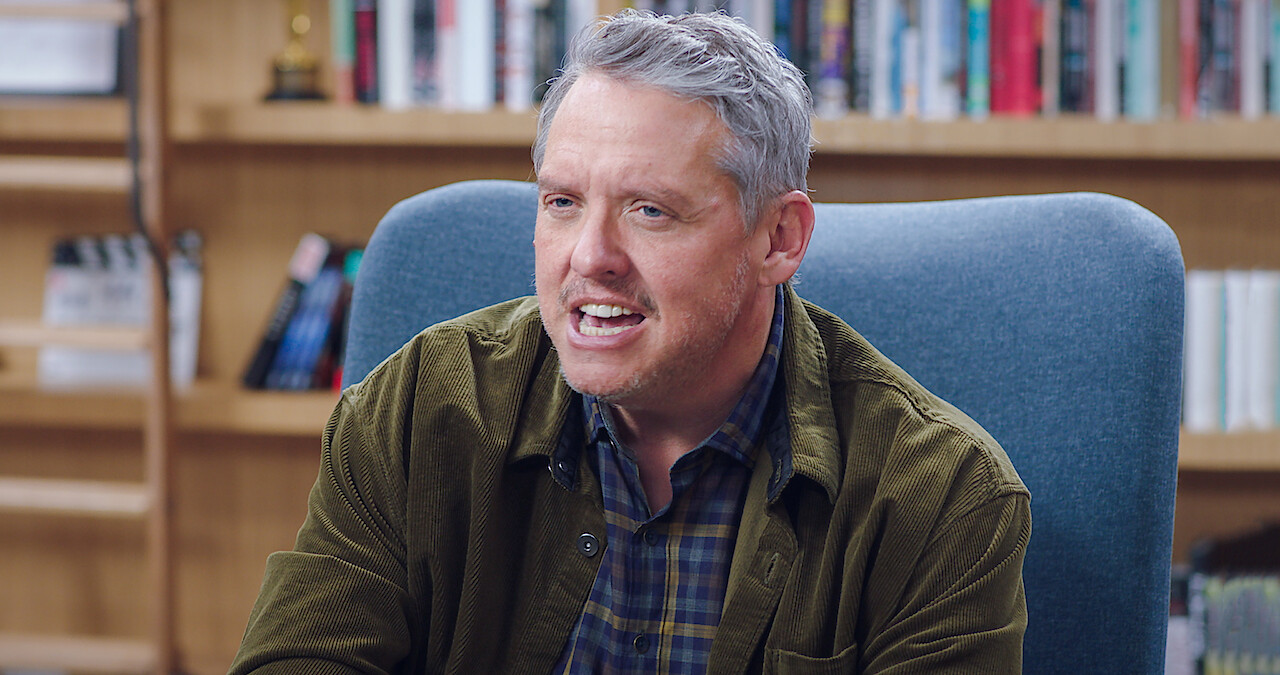
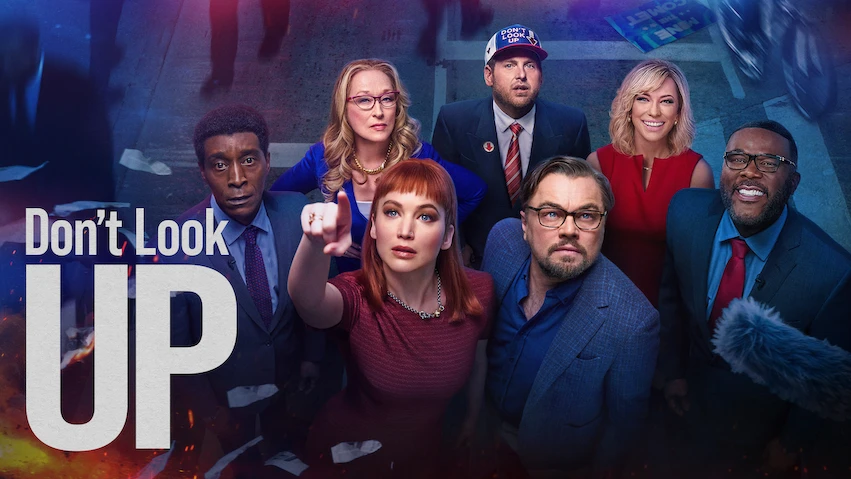
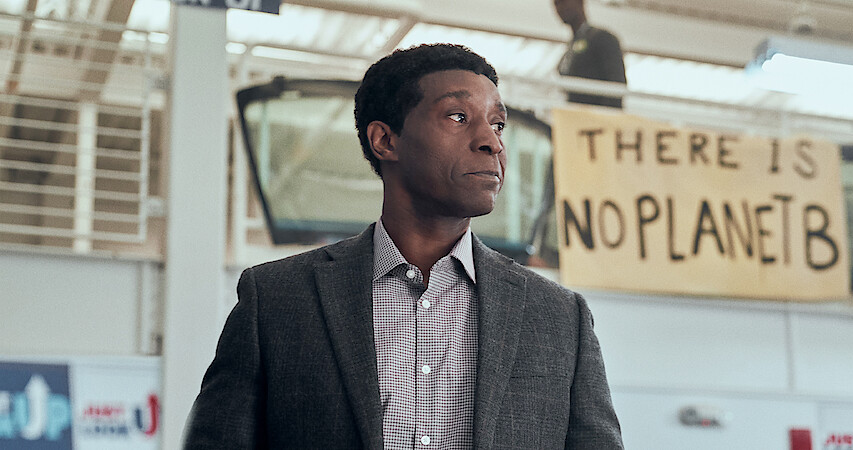
Rob Morgan is a master of disguise. Not the fake mustaches and wild wigs kind, although his latest project has plenty of those. Rather, Morgan’s disappearing act hinges on the way he inhabits a character’s mind, slipping into their thoughts and perspectives until the actor recedes, and you’re left with an entirely new person up on screen. It’s how he approaches every role, from Hap Jackson in Dee Rees’ Mudbound, to Turk Barrett in Marvel’s Daredevil series and now NASA scientist Dr. Clayton "Teddy" Oglethorpe in Don’t Look Up. Cast alongside heavyweight champions of acting like Leonardo DiCaprio, Meryl Streep, Jennifer Lawrence, Cate Blanchett, and Mark Rylance, Morgan continuously stands out, and delivers the kind of performance that makes you understand why The New York Times named him one of the 25 best actors of the 21st century. (Well, so far.)
Morgan shared with us his process for transforming into the head of the Planet Defense Coordination Office (lots and lots of space docs!), and why making science sexy again is a burden he is more than willing to shoulder.
First things first: Had you ever heard of the Planetary Defense Coordination Office before taking on this role? No, ma’am. George Jetson never mentioned anything about that, and I thought I was pretty outer-space knowledgeable through The Jetsons.
What initially drew you to the role of Dr. Teddy Oglethorpe?
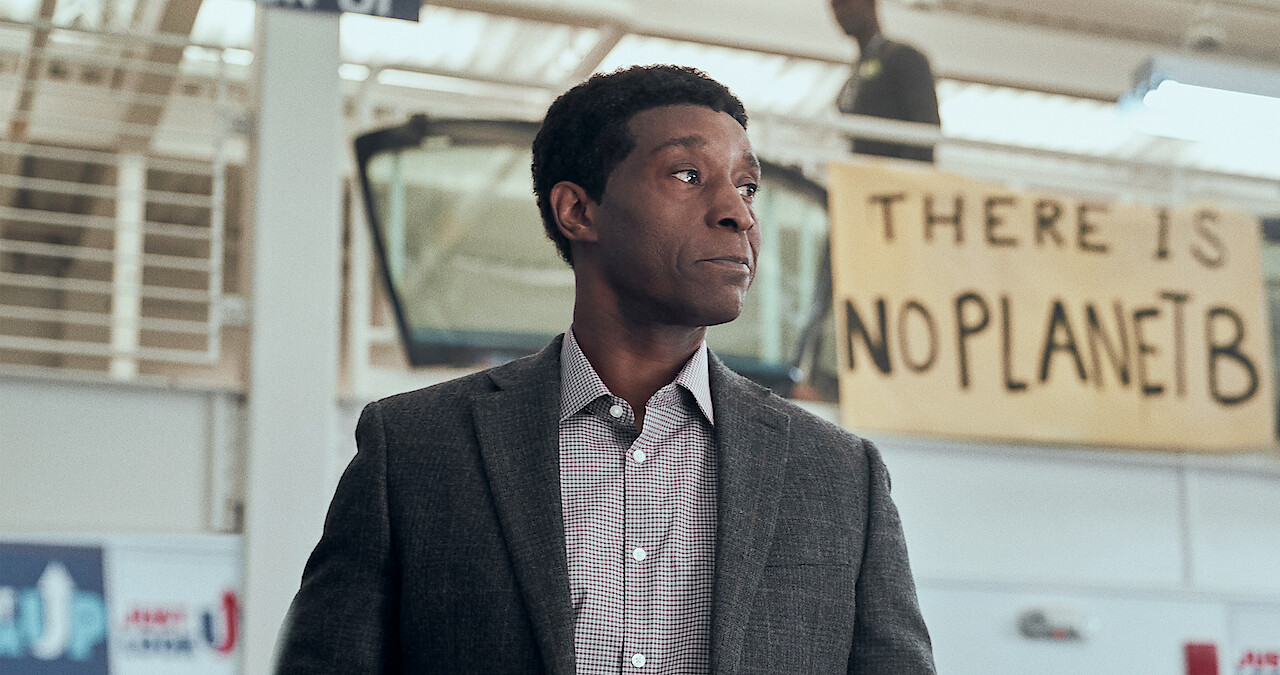
I thought the character was amazing, specifically to have a Black man at the head of the Planetary Defense Coordination Office at NASA, I rarely get to play those kinds of characters, and I was very honored that [director Adam McKay] trusted me to do so.
When you say you rarely get to play characters like Teddy, is that because you feel you’ve been typecast?
I pride myself on being a character actor. I like having that kind of energy around my career. But I do find that often I could play a sharecropper or a man on death row. Not a character that’s in a high position of intelligence, to be taken seriously for his mind, his brilliance, and what he can contribute, instead of being the emotional thread of sympathy and empathy. Which I enjoy, because we do need to have those kinds of characters, and get those voices heard, but it was fun to have on a shirt and tie and a clean face. To be head of Planetary Defense Coordination at NASA doesn’t hurt. And plus, to have the responsibility to have to make scientists sexy again, I just put it on my shoulders. Somebody’s gotta do it!
What did you do to prepare?
I watched a lot of outer space documentaries. I talked to [astronomer] Amy Mainzer, from NASA. She had some interesting perspectives. Lindley Johnson is the only planetary defense coordinator ever so far, and I looked at some of his background and history and listened to him talk. And then [I] just leaned in with imagination, and trusted that Adam was going to guide me right with his directing. That’s the beauty of being in the profession that I’m in. I get to explore topics and things that I generally wouldn’t for myself.
What’s your process for stepping into character, and does it change if you’re working on a dark comedy like Don’t Look Up versus a serious drama like The Unforgivable, in which you star opposite Sandra Bullock?
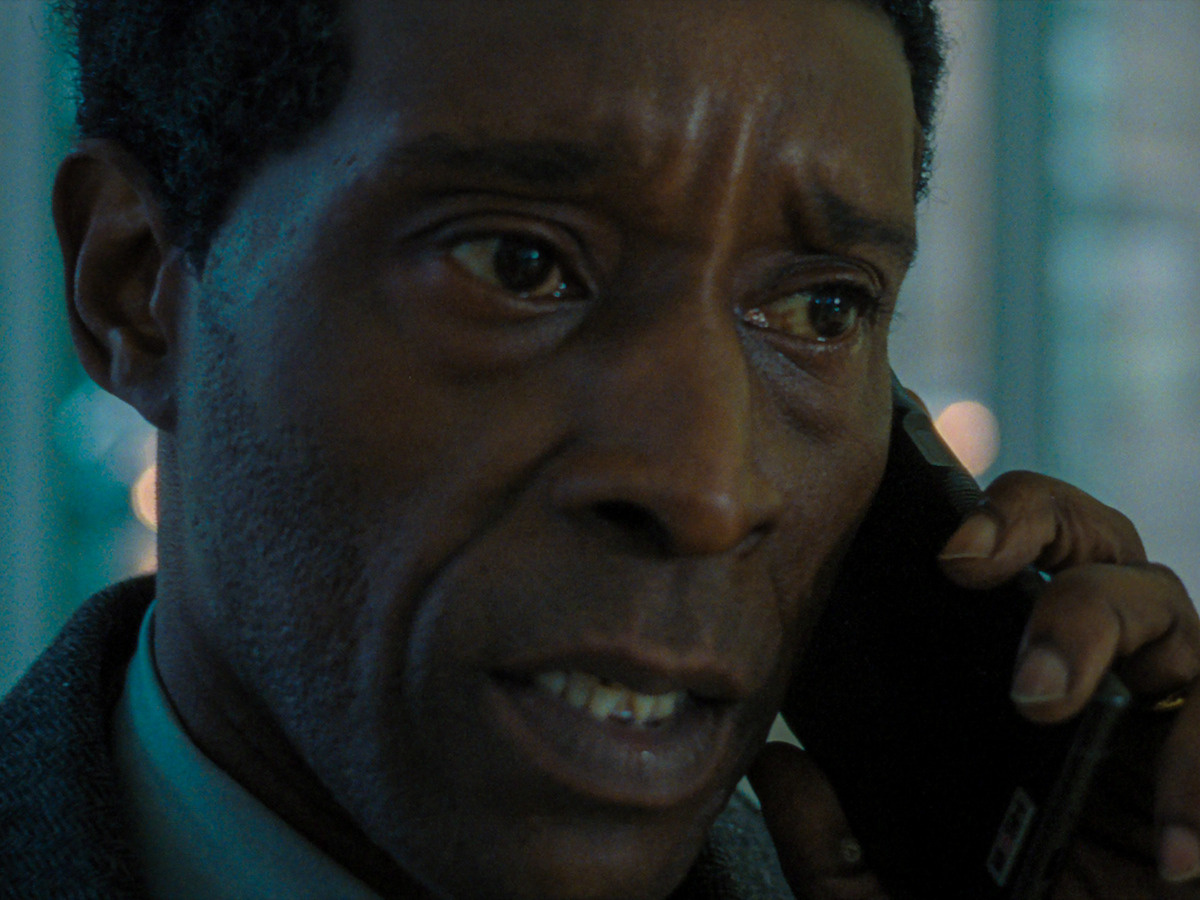
I feel like our job as storytellers and actors is to play. I try to download the mindset of my character. Once I’m in the mindset and prepared — because I really pride myself on preparing myself with my characters — then I allow it to just infom naturally through my actions and through my research. That’s my approach on every character. Some of them might do different types of things, but it’s just to download that particular mindset.
How would you describe Teddy’s mindset in Don’t Look Up?
I can’t express my real shock when I discovered that we’re actually vulnerable for space junk and comets contacting planet Earth, which could be devastating. To think about how expansive space is, and how there are other galaxies in that, just like ours or more advanced than ours out there somewhere in outer space. Not only that, [while] you and I are having this conversation, the great combustion could be happening to create that galaxy right now. To think like that, and to walk around with that type of information and perspective, Teddy had that in him too. I felt smarter! I felt like my mind [had] expanded.
What did you enjoy most about working with Adam McKay?
How cool and laid back Adam is. I love his style. One of the things he’ll say is “trying to be perfect kills creativity.” He’s extra creative and he does it so effortlessly. I know it’s hard work behind the scenes, but he makes it look so easy. It’s just fun and cool to put out such high-level product in such a comfortable, laid-back environment.
Don’t Look Up is almost spooky in the way it reflects our current reality. Did you realize as you were filming that this was art imitating life?
Adam shot me the script as the pandemic was ramping up. There were just so many parallels with what was going on in real-life that it was eerie. I was like, “Man, what kind of inside information does Adam know?” It was so spot-on. But what was so beautiful about the script and what he’s given us in Don’t Look Up is that urgent message and the need for us to have a collective action, and making it hopeful at the same time. Making [room for] these conversations that we need to have right now, that are uncomfortable, in a very smart way.
Does the movie scare you? Or does it give you hope that we’re going to do what needs to be done?
It gives me hope because I think that all of us will be able to see a little bit of us in these characters, and will be able to laugh at ourselves and have those conversations that we need to have.
You’re part of an amazing ensemble cast in this film. Who were you most looking forward to working with?
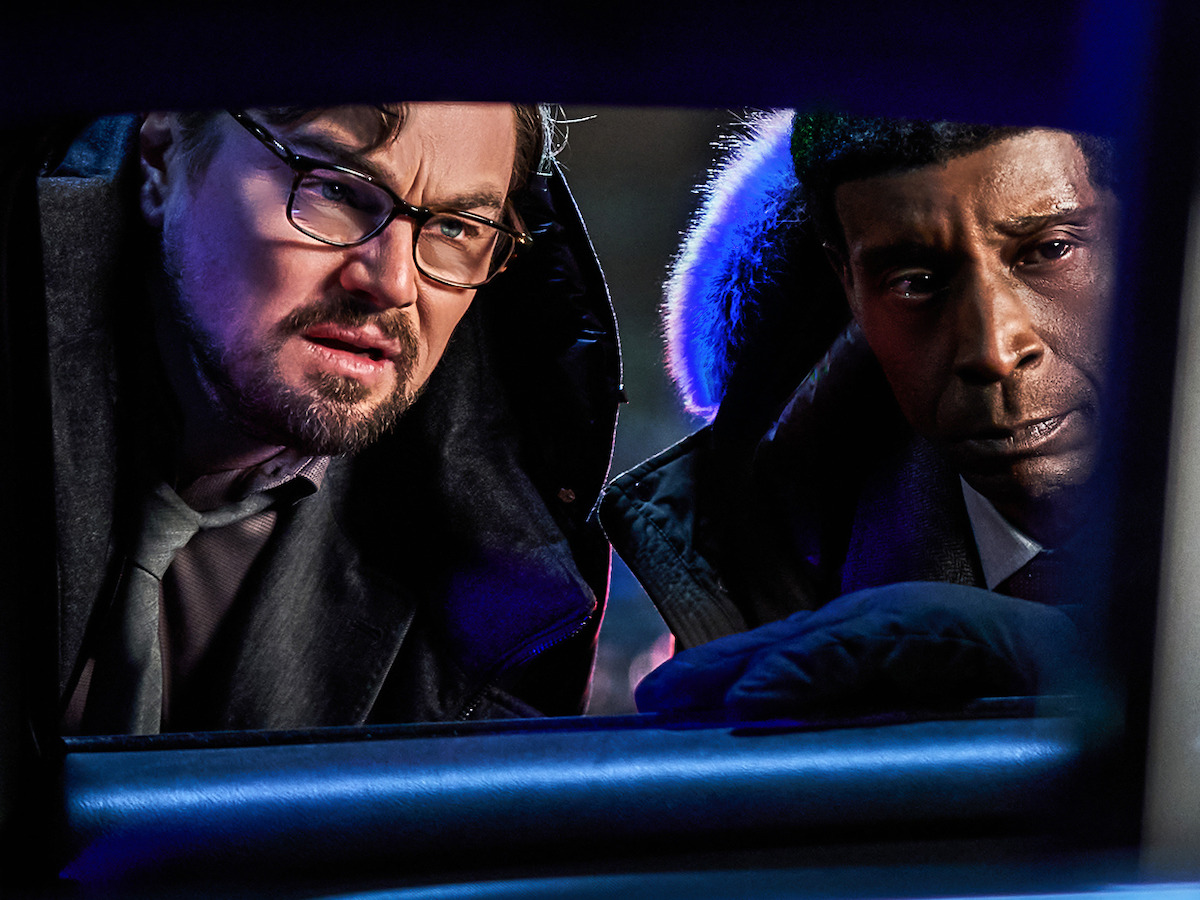
All of them! I appreciate working with every last one of them — amazing, talented, even the background actors. Every last person that came on set worked under new conditions that we got hit with during COVID, and to be able to pull off what we did, I’m extremely humble and grateful to work with all of them.
Speaking of the COVID restrictions; this was one of the first productions to resume filming after lockdown. How did you find ways to bond as a cast, without being able to really socialize as you usually would on a set?
You mean rehearsing with your mask on and meeting everybody with your mask on six feet away, and then taking your mask off when Adam says action? You had to rely on people’s professionalism, and listening and responding, understanding that we’re still blessed and fortunate to be here and be the ones selected to be doing this job. That’s one of the things I really appreciated about working with Leonardo DiCaprio. When I work with people who’ve been doing it longer than me, I try to get a gem from them, to help me sustain a career that I want to be having. So, I asked Leo, I said: ‘Hey man, just give me a gem, talk to me.’ He said, ‘Just be grateful.’ That was the vibe. We were all just grateful to be a part of this, and we had a responsibility to tell this story.
This interview has been edited for clarity and style.