Netflix
Explainer
The Top 10 Things We Learned from Return to Space
Astronauts love hot sauce and hate using the bathroom in space.
By Samantha Nelson
May 13, 2024
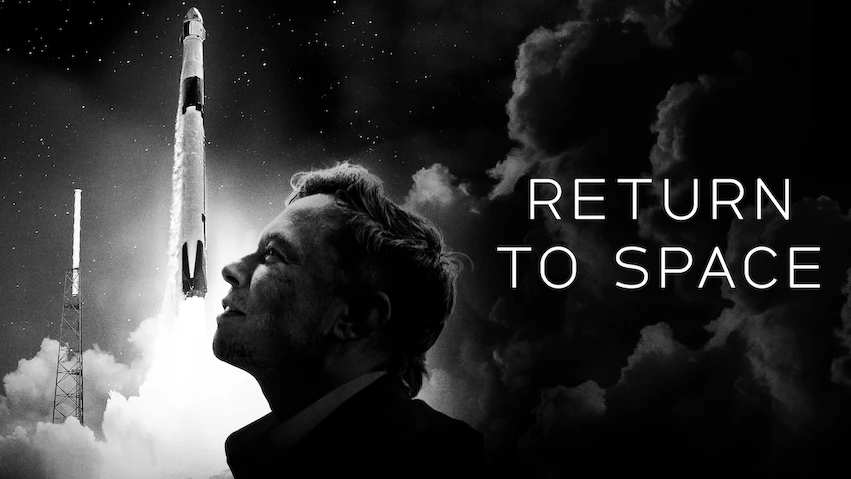
SpaceX made history on May 30, 2020 when it became the first commercial company to send astronauts to the International Space Station (ISS), on the Crew Dragon Demo-2 mission. The documentary Return to Space chronicles that mission and the partnership between Elon Musk’s aerospace company and NASA that’s helped transform America’s space program.
The film features spectacular images from space and dramatic footage of SpaceX’s successful launches and dramatic failures. It’s also packed with fascinating information about the history and current state of space travel. Here are the top 10 things we learned from watching.
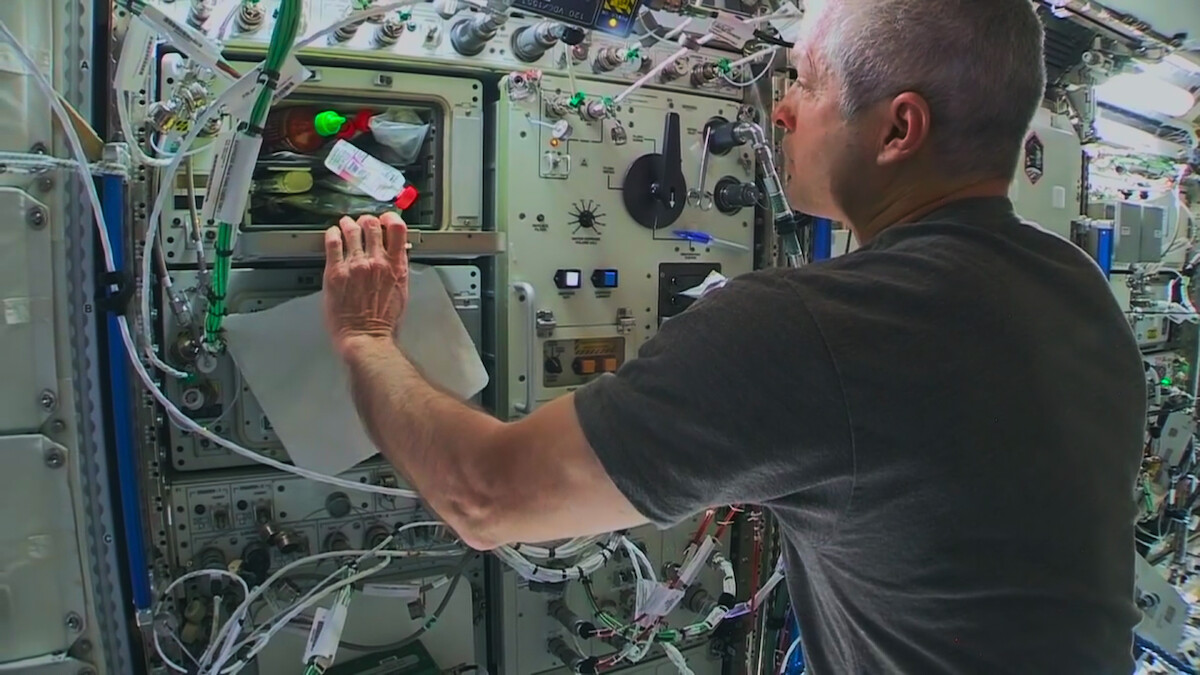
Without gravity, the heart pumps too much blood to the head. This makes astronauts feel congested and dulls their senses of smell and taste. As a result, the ISS is well stocked with a wide variety of hot sauces, which the astronauts put on almost everything.
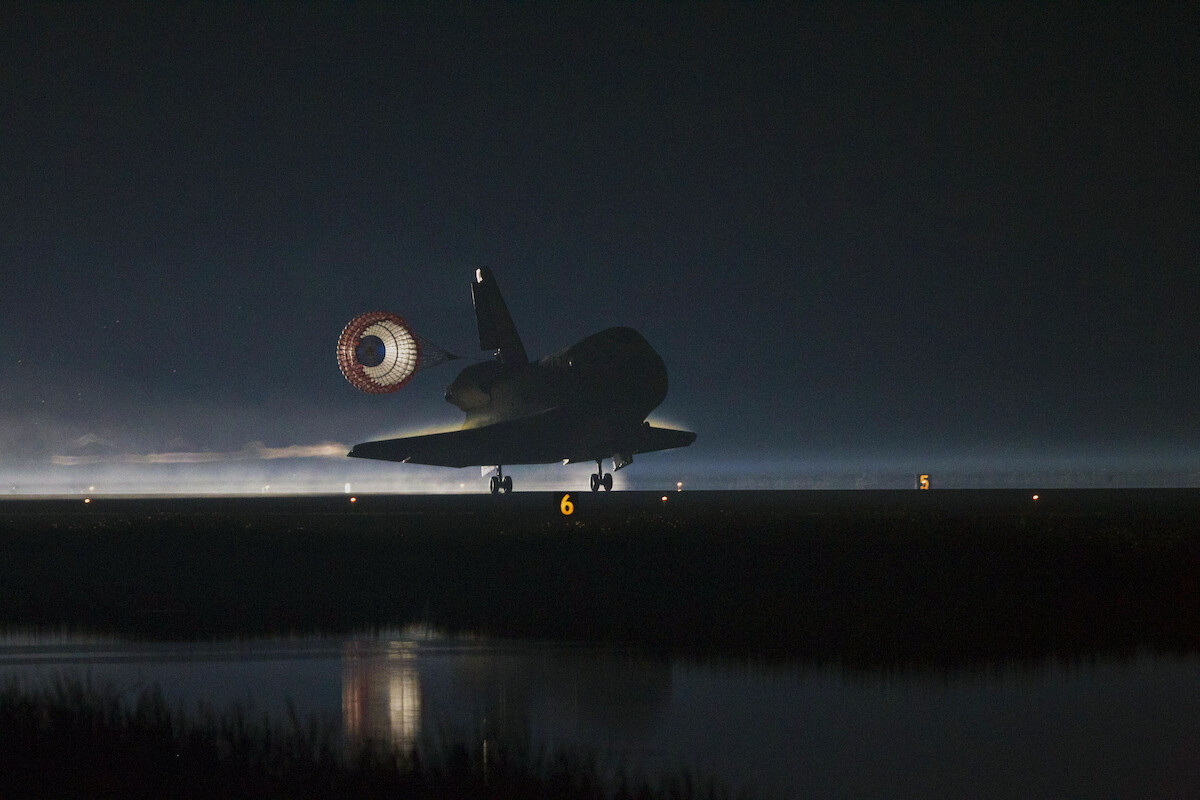
The STS-135 Atlantis, touching down for the final shuttle mission.
The space shuttle was retired in 2011 after being used in 135 NASA missions over 30 years. The pilot of that final mission, Doug Hurley, would return to space on Dragon Demo-2, which was the first launch of U.S. astronauts from American soil in nine years.
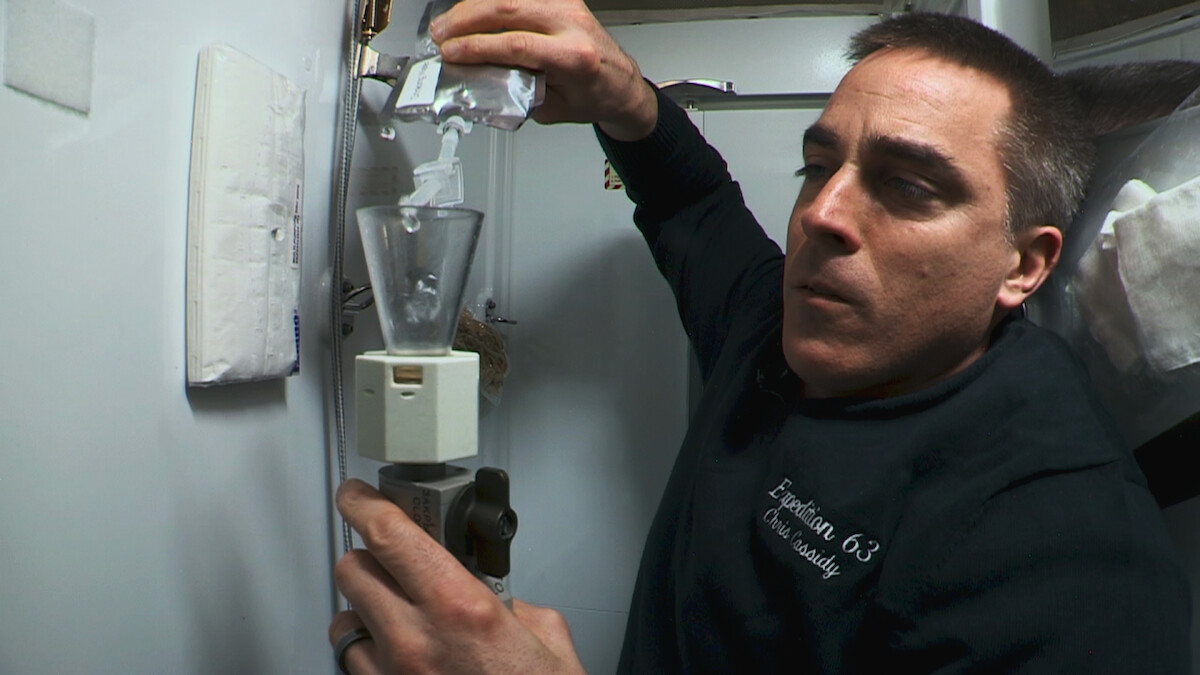
Hurley suggests it’s the worst thing about living in zero gravity. “You can imagine, there’s a lot of places, like going to the restroom, for example, where you’d like stuff to stay where you put it. We definitely find that frustrating at times.”
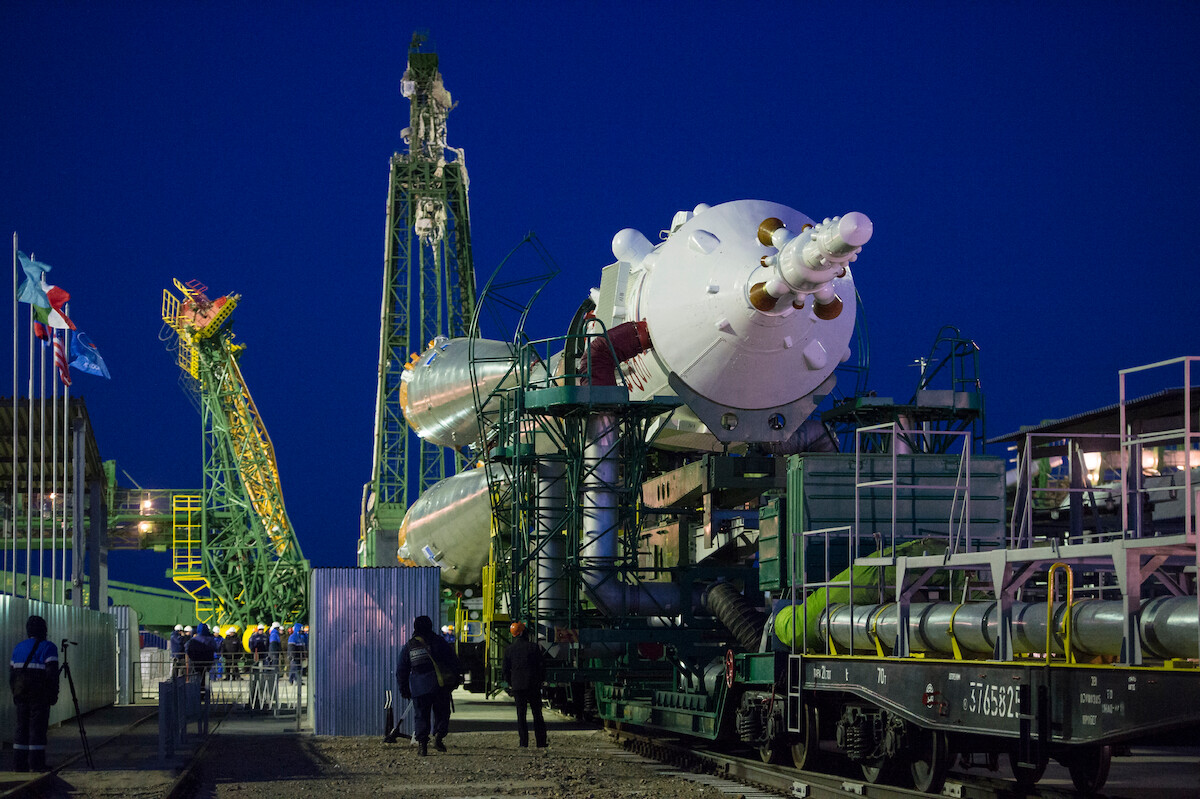
A Soyuz rocket being prepared for launch to the International Space Station in 2014.
Without the space shuttle, the US was paying Russia $82 million every time they wanted to launch an astronaut. Aspiring American astronauts were encouraged to learn Russian.
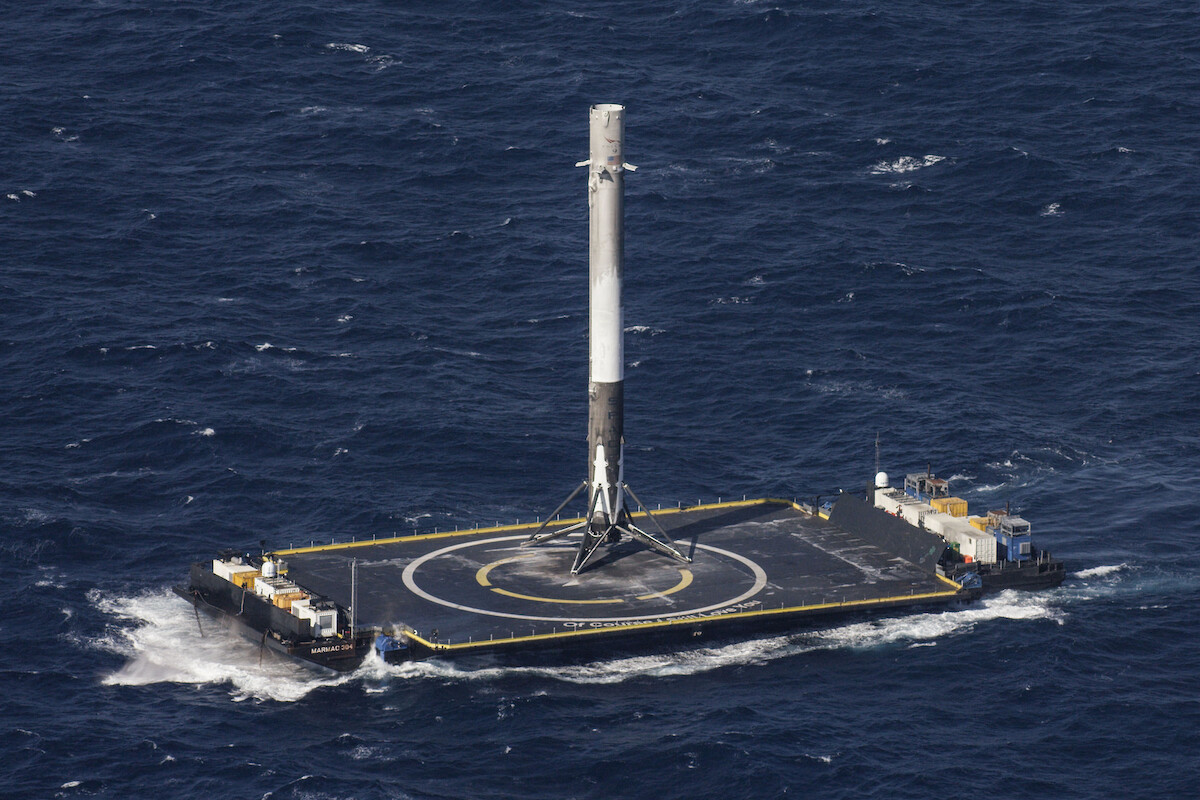
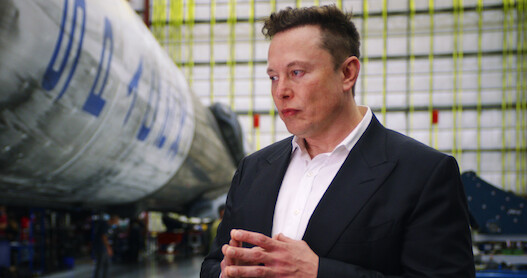
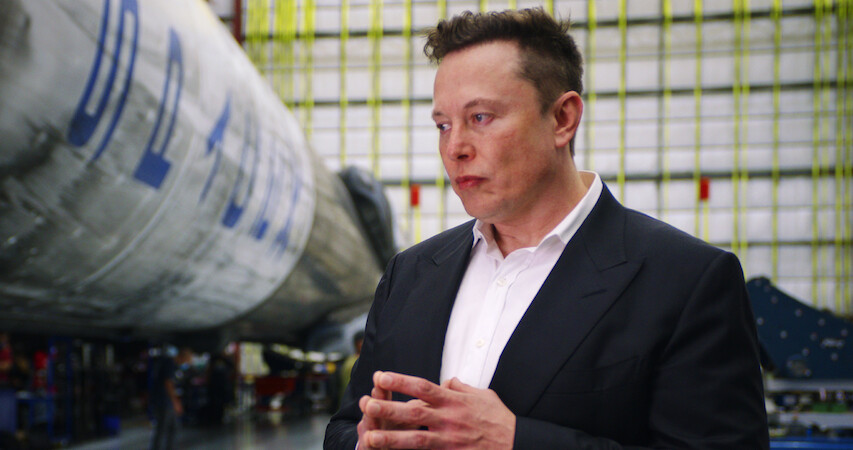
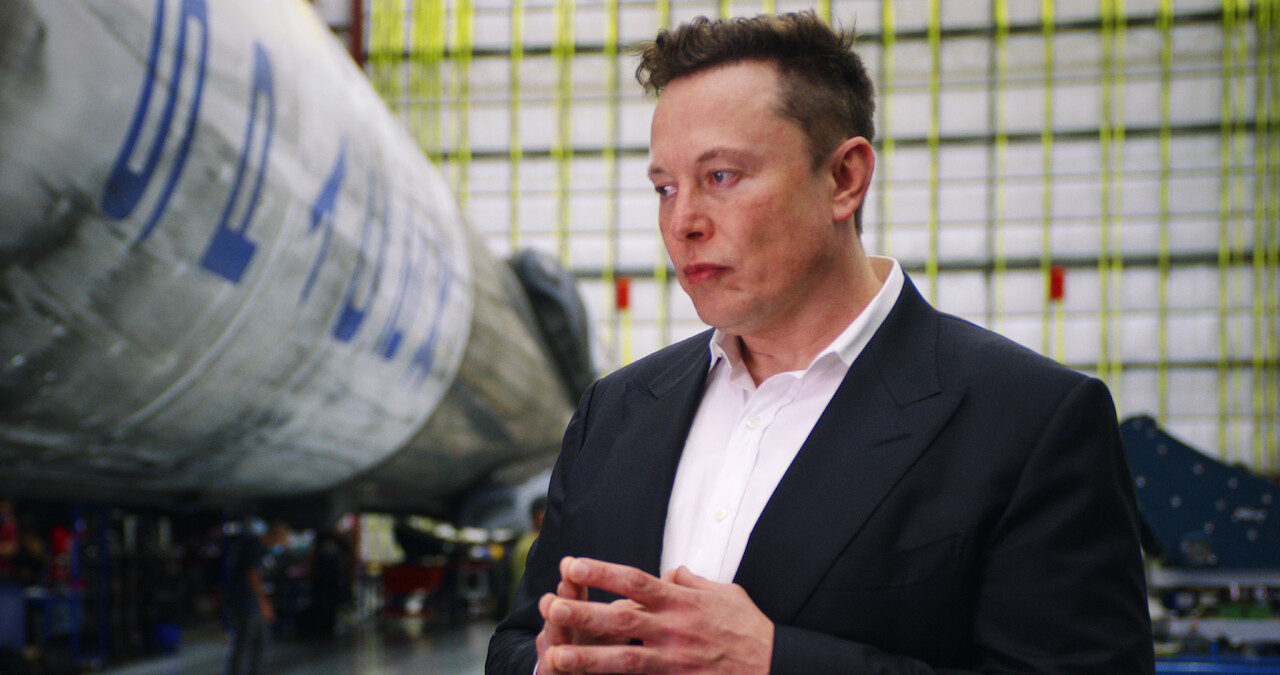
Elon Musk’s goal for SpaceX was to power space exploration by creating a reusable rocket even more efficient than those used on the space shuttle, which jettisoned the main tank every launch. That required figuring out how to get a rocket the size of a skyscraper moving seven times the speed of sound to land on a small platform. If it failed, it would fall over and explode. SpaceX spent seven years working on the technology and eventually succeeded, allowing launches to happen at greatly reduced costs.
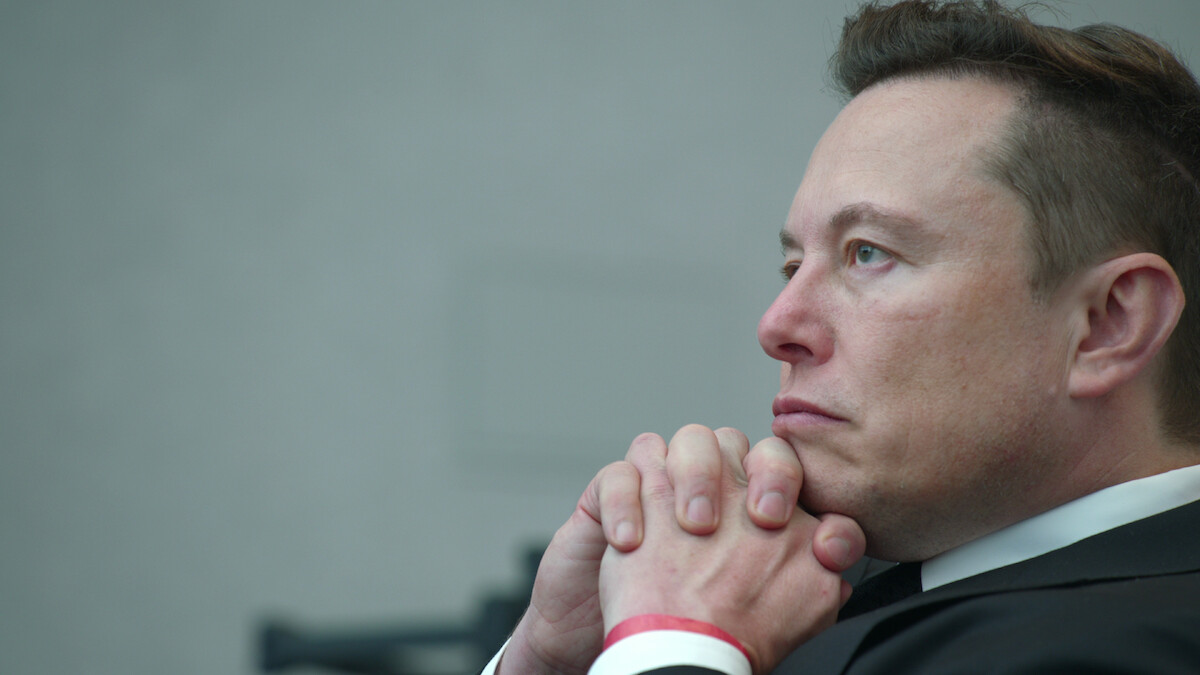
Musk says in the documentary that he had enough money to fund three launches of the Falcon 1 rocket and that he would shut down the company if those all failed. After four years of work, the engine shut itself down within 30 seconds of the first launch and the rocket crashed. The second and third attempts also failed. But Musk decided to fund a fourth launch, which succeeded, making it the first privately developed rocket to reach Earth’s orbit from the ground. SpaceX then received a $1.6 billion NASA contract.
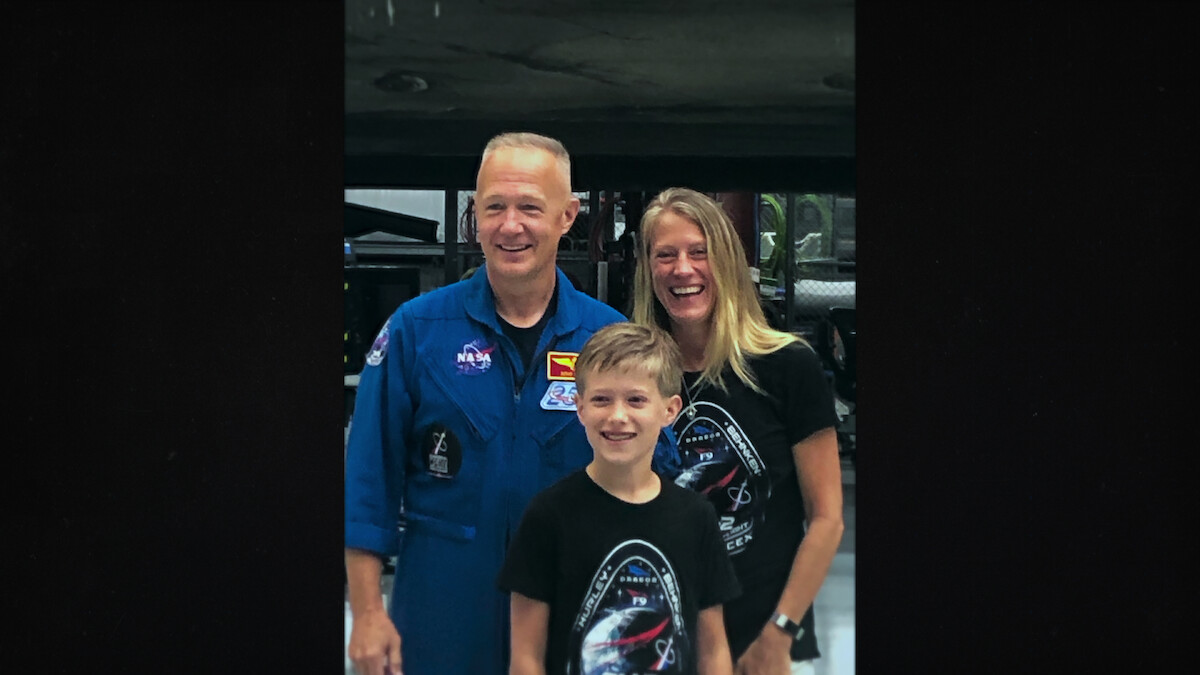
Astronauts Doug Hurley and Karen Nyberg, with their son, Jack.
Hurley, Bob Behnken, Karen Nyberg and Megan McArthur were all part of NASA’s 2000 astronaut class. Nyberg, Hurley’s wife, spent six months doing science experiments on the ISS, while McArthur was part of the final service and repair mission for the Hubble Space Telescope. McArthur also spent six months on the ISS, riding the same Dragon capsule that her husband had.
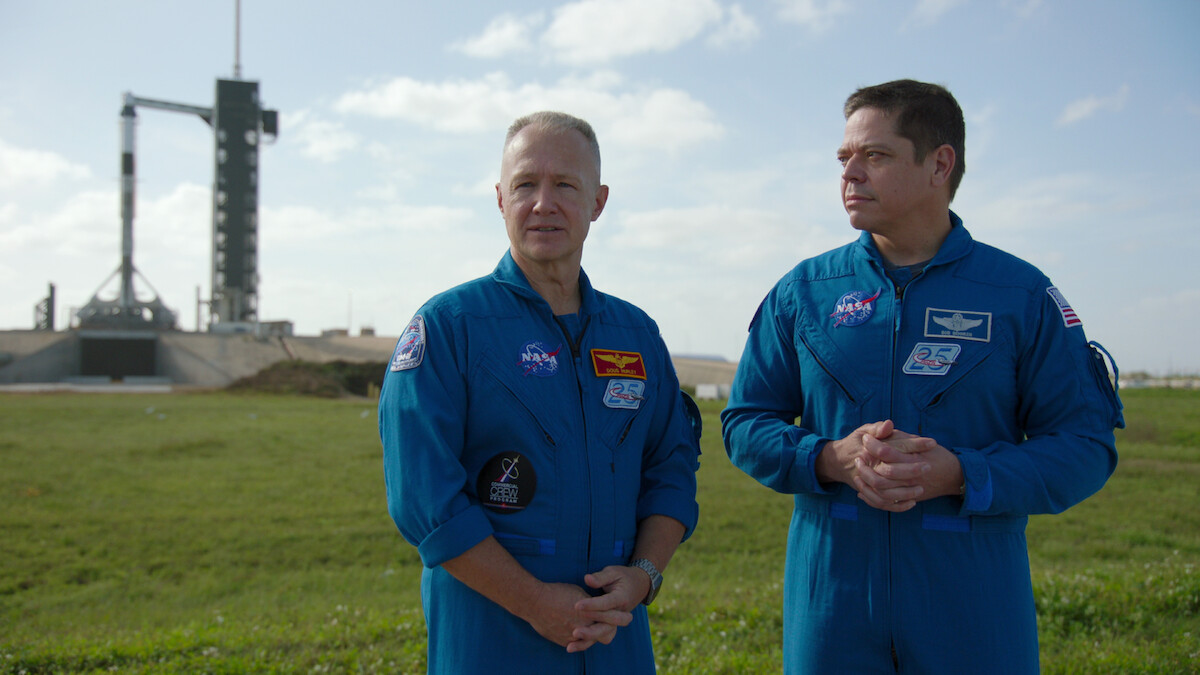
Astronauts Doug Hurley, left, and Bob Behnken.
The system would allow them to fly right out of a fireball and make an ocean landing if the rocket exploded. It was a precaution inspired by the 1986 space shuttle Challenger disaster.
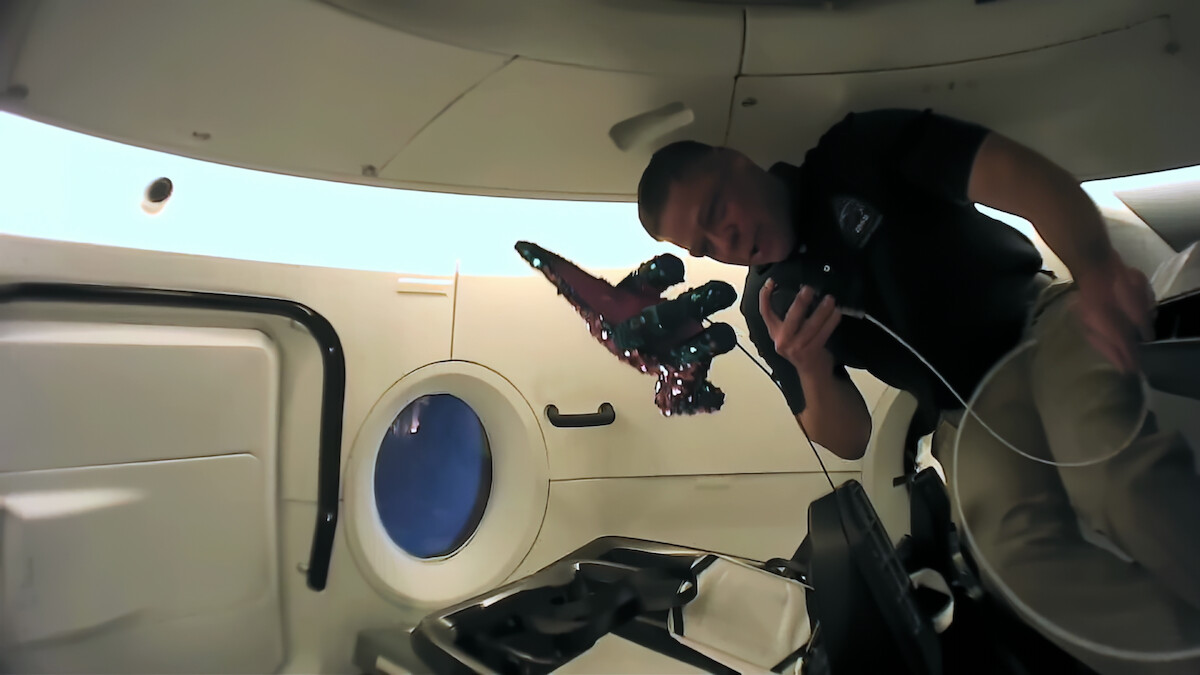
Just before their successful launch, Behnken and Hurley introduced Tremor, a sparkly dinosaur toy chosen to ride along by their sons. Behnken said he thought the toy made the launch more normal for his son.
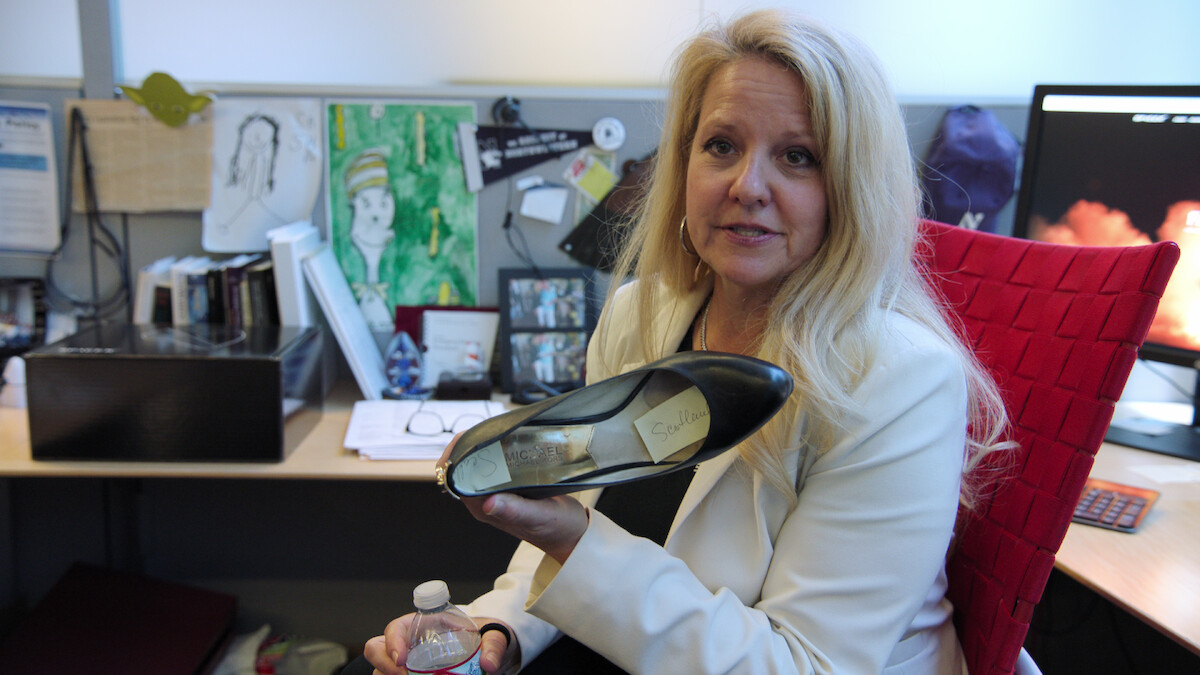
SpaceX president and chief operating officer Gwynne Shotwell was in Scotland when the company had its first successful orbital entry, and she puts notes that say “Scotland” in her shoes on launch day so that she’ll still be standing in Scotland. Other members of mission control have lucky socks or colors or will grow or shave their beards.
Looking for more space-based entertainment? Check out the latest on Season 2 of Space Force and learn why Lost in Space star Mina Sundwall has no interest in leaving Earth.