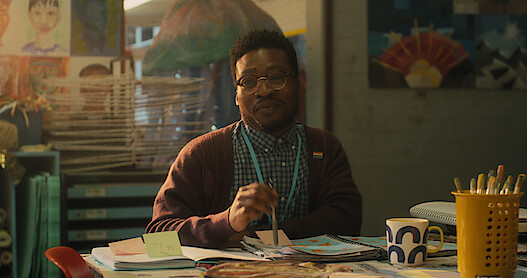
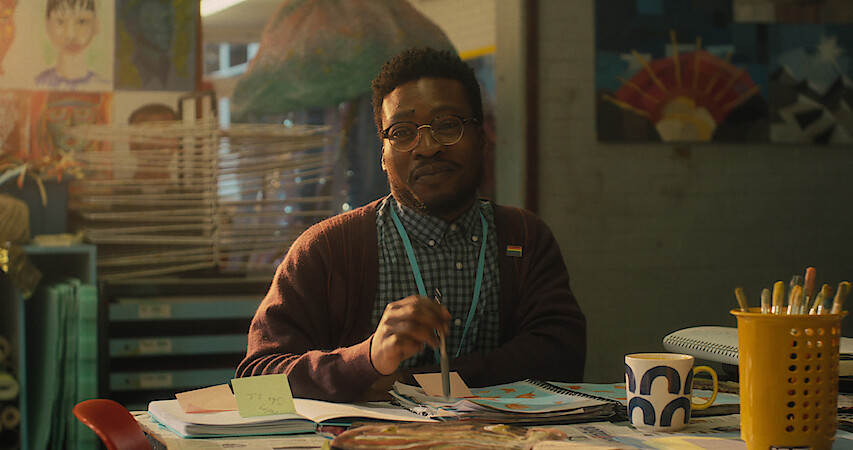
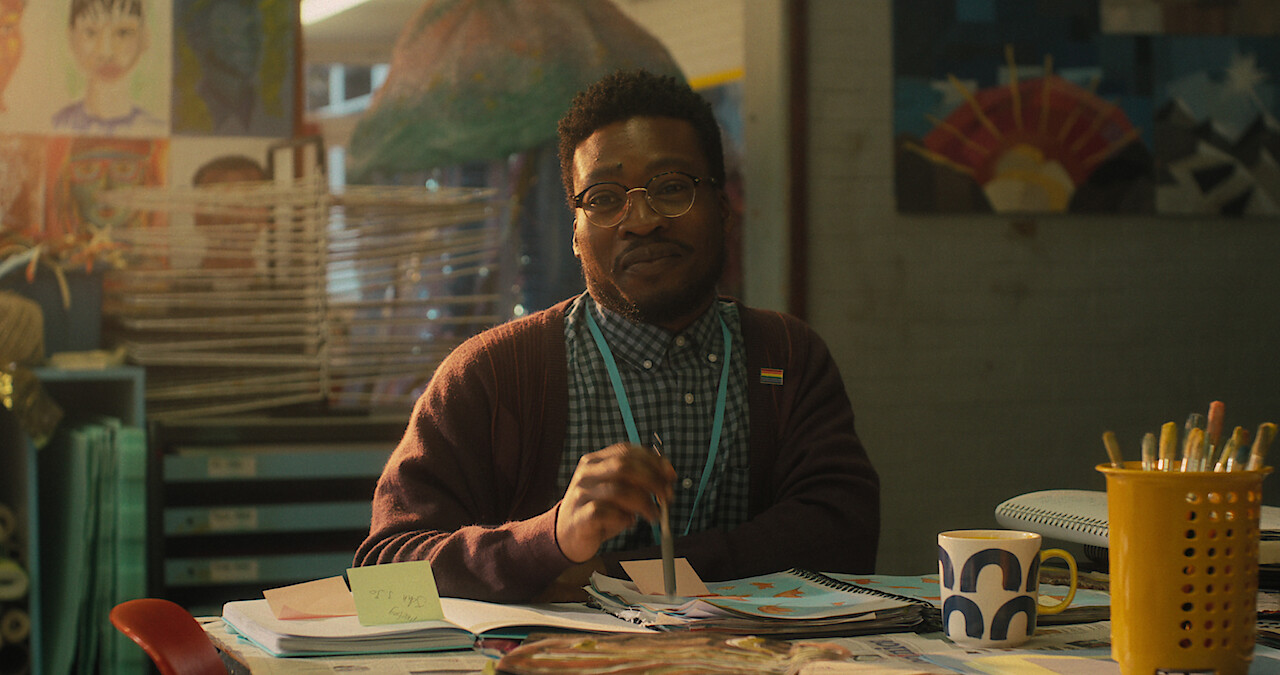
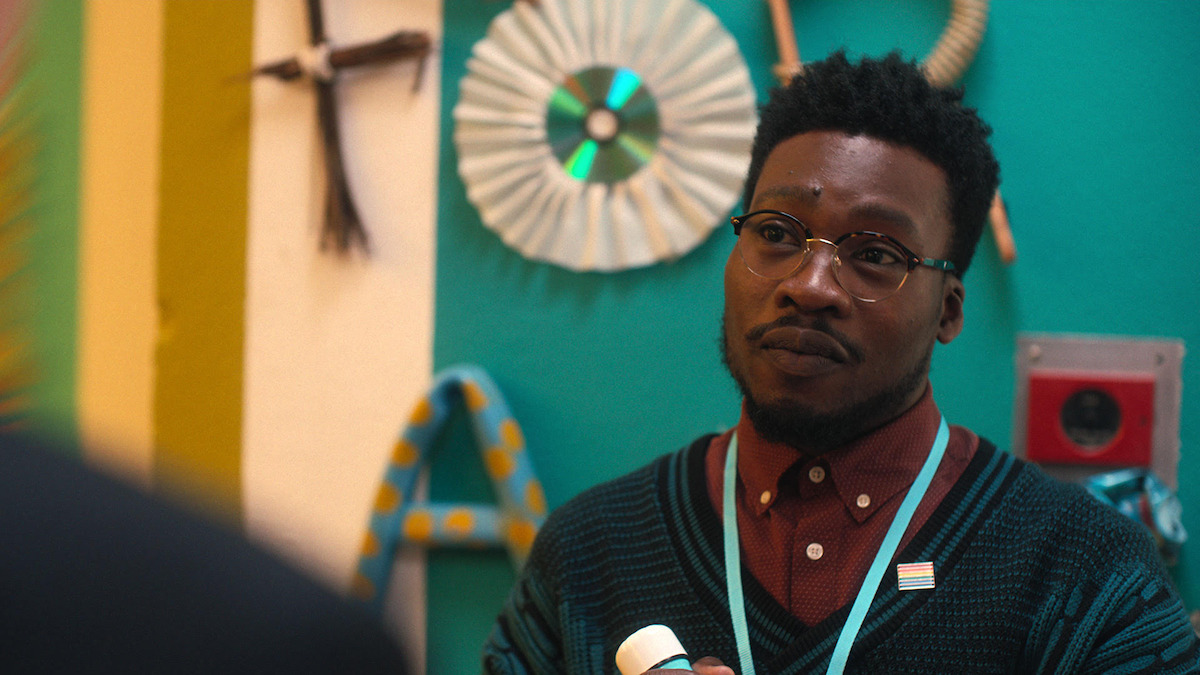
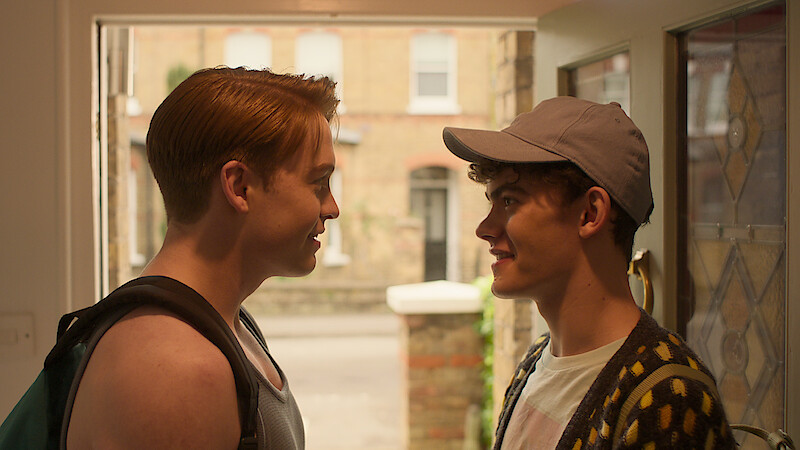
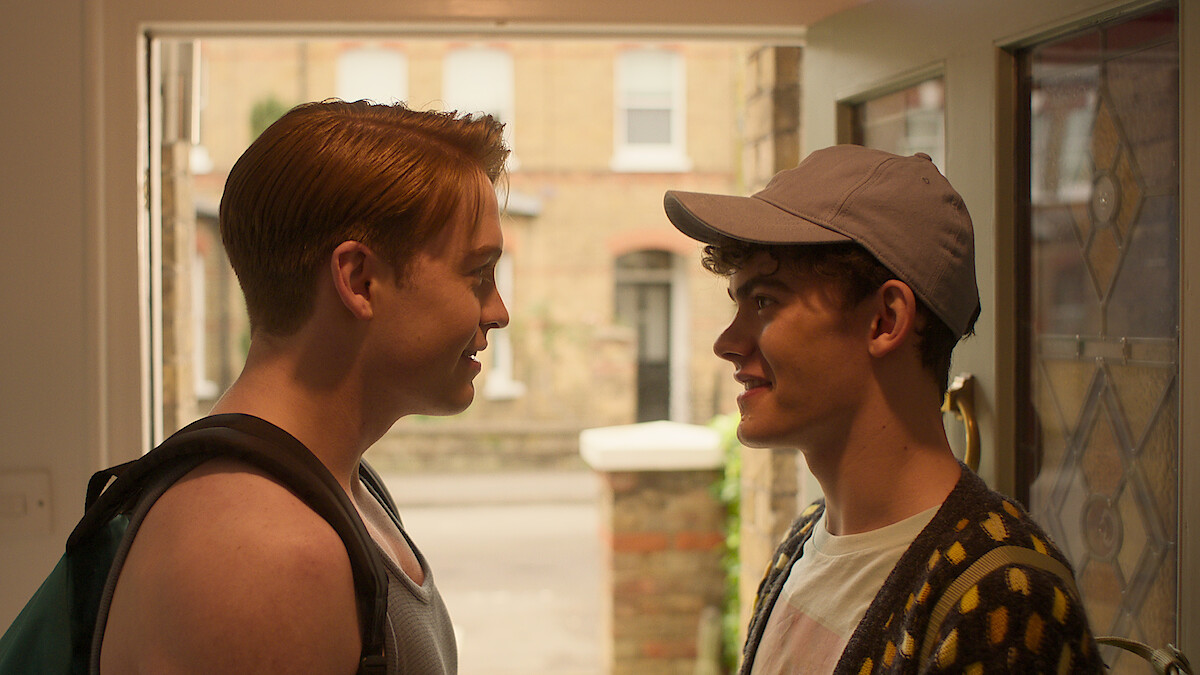
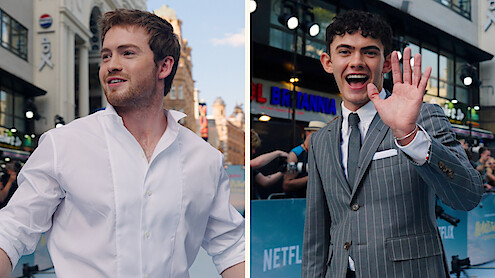
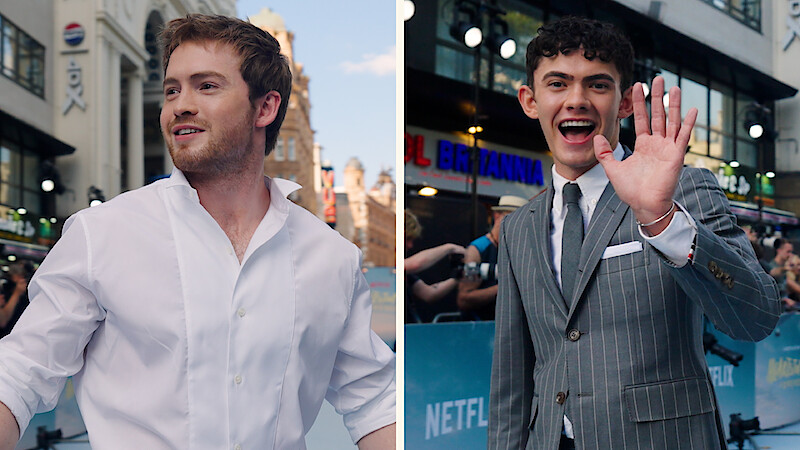
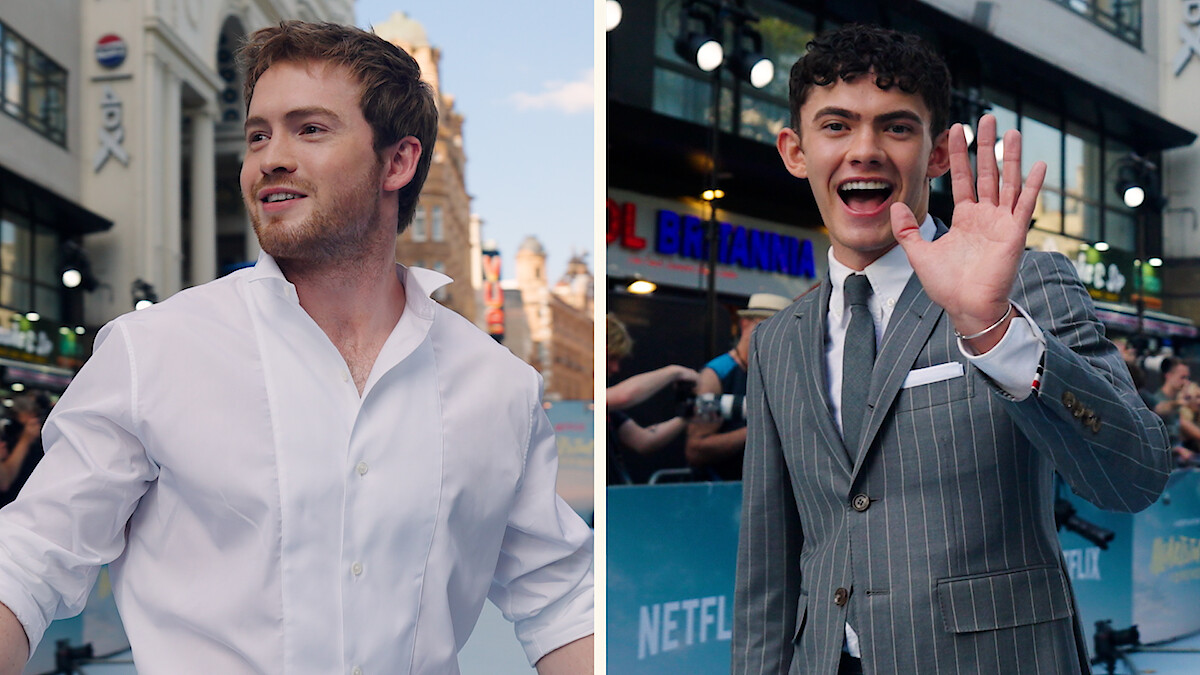
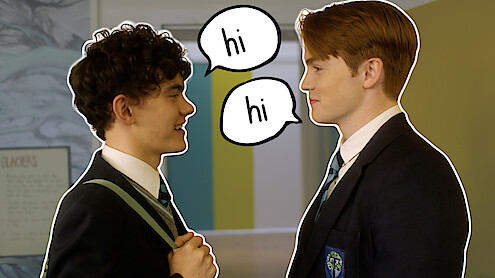
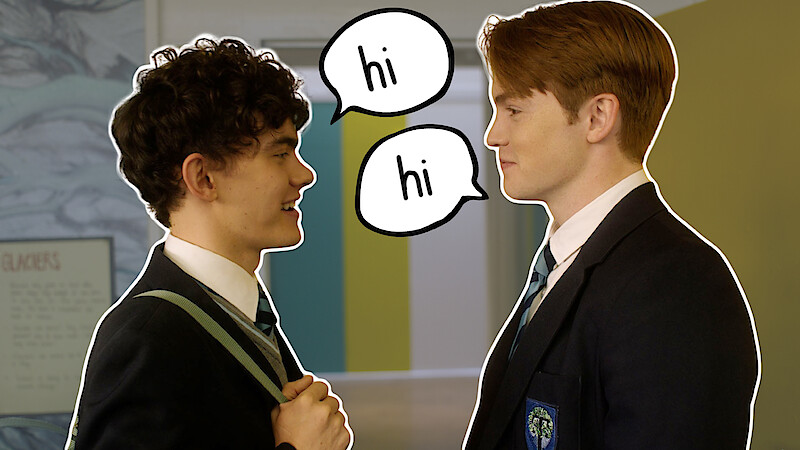
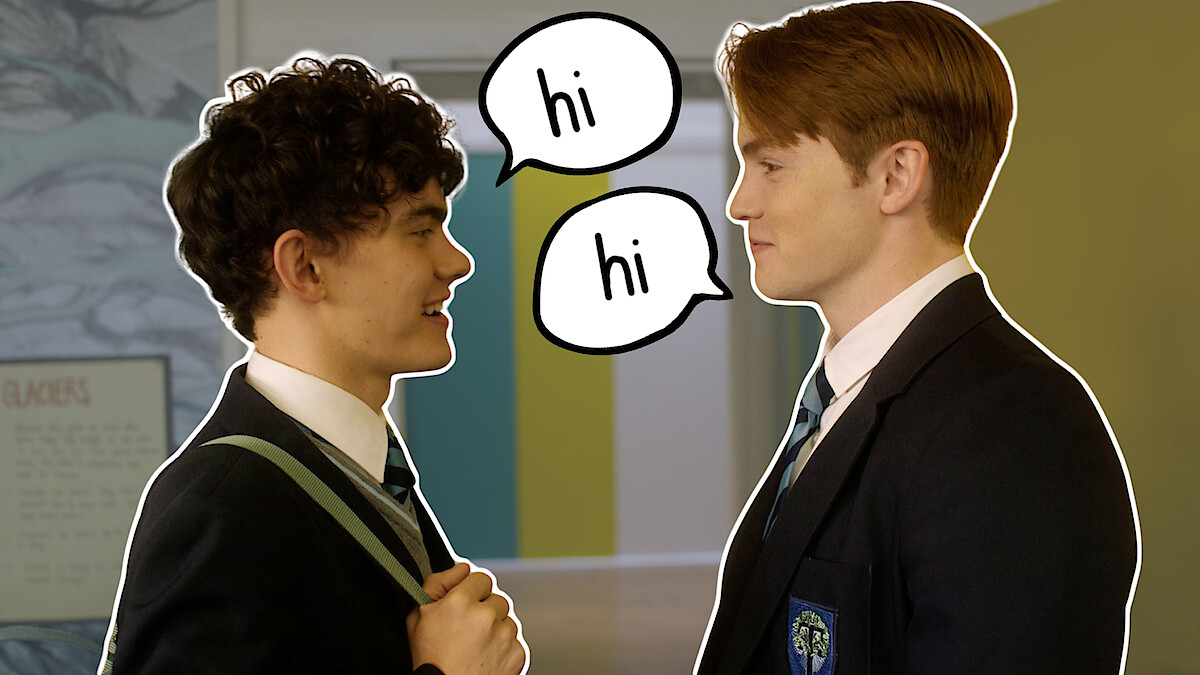
We could all use a Mr. Ajayi in our lives. The wry, sage-like art teacher in Heartstopper is the only openly gay teacher at Truham, and his classroom offers a shelter where Charlie (Joe Locke) goes when he needs relationship advice or just some time to regain his strength throughout the season.
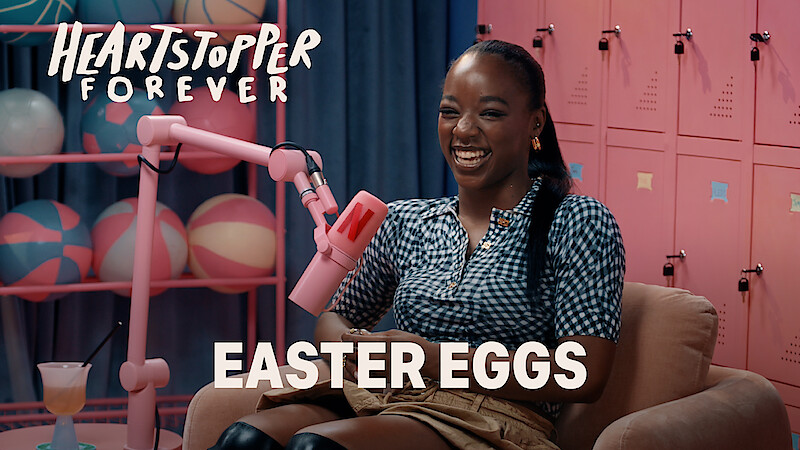
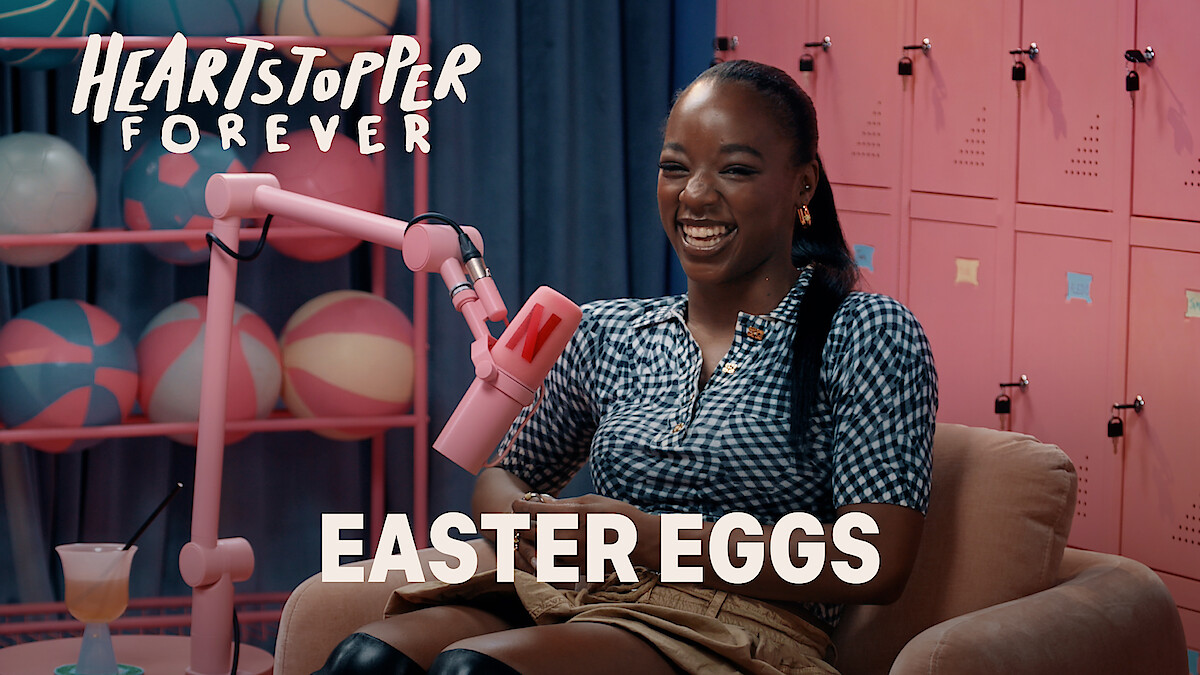
Actor Fisayo Akinade plays this role of Charlie’s mentor with sparkling humor, bounteous wisdom and an unflinching loyalty to the original text. So much so, it’s hard to tell where the actor stops and Mr. Ajayi begins. Both are kind, centered and thriving in the face of past hardships.
“What’s so monumentally brilliant and beautiful about [Mr. Ajayi] [is] that his struggles have not made him hard. He’s just a much more empathetic, caring person because of the adversity he’s faced,” Akinade tells Tudum. “Rather than letting that harden him and projecting anger out into the world, he’s found a way to, through the prism of himself, project what is horrible into something quite beautiful and lovely.”
That nurturing, rooted quality that Akinade brings to the screen has sent off a torrent of praise on social media since Heartstopper premiered on Netflix on April 22, with viewers seeing in him the mentor they yearned for when they were Charlie’s age. Tweets have poured in expressing variations of “I want teachers like this” and “I wish i had a teacher like him” alongside photos of Akinade as Mr. Ajayi. Another reads, “One of my most favourite underrated duos in this show is charlie and mr ajayi we NEED to talk about them more.” And one very resonant anecdote says, “fuck i needed a mr ajayi so much. just that one person and place that didn’t terrify me would’ve helped. ultimately i still don’t think i would’ve been able to stay in school, but it would’ve made the time i was there less awful.”
“I mean, it’s the reason I wanted to do [the show],” Akinade says of the overwhelming response. “I think when I read him for the first time, I was like, ‘I have to do it, because I wish I had him when I was Charlie’s age.’ The reception has just been amazing.”
What a gift it is to have had the experience I’ve had, which was tough, [and to] see the experience these kids are having, which is better. But if they are struggling, I know how to help them navigate it because I’ve been there.
Akinade had not actually read Alice Oseman’s webcomics, upon which the series is based, until his partner, a primary school teacher himself and an inspiration for Akinade’s portrayal, bought them for Akinade before the audition. Akinade recalls reading the initial scripts and thinking, “Holy shit, I wish I had this guy when I was a teenager. There’s comfort in knowing that you are not an alien at school and having somebody who is not only the same but has also been through it, at a time when it was maybe a tiny bit harder, is just a real comfort.”
Just clock Mr. Ajayi’s intentional LGBTQ+ flag pin on his lapel and rainbow-adorned mug on his desk, and you immediately know his door is open to any queer student at Truham — and why Charlie likely turned to Mr Ajayi in the first place. “I think [the pin] was a costume element. And then I went, ‘Well, yeah, this has to be there,’ because I think it’s a very, very quick, subtle, shrewd way of going, ‘I’m gay, too,’ to everyone. If there are any gay kids, you can talk to me because it’s right here. This is about you so that you see that someone in this building is the same,” Akinade says.
Charlie’s experience in high school is not too far off from Akinade’s own upbringing. When asked which of the teens in the series reflects Akinade’s own adolescence the most, he unequivocally responds, “Charlie.” Well, with an occasional Isaac (Tobie Donovan) thrown in sometimes.
“I started as quite a very happy, not knowing it at the time gay kid and then had a bit of a hard time,” Akinade recalls. “So, then I shrunk away a little bit and got really quiet and reserved. That’s when I started reading more and watching films a lot more because I just spent so much time by myself and with my sisters.”
Akinade recognizes the invaluable nature of having a mentor like Mr. Ajayi, who guides and nudges Charlie to be his most authentic self throughout Season 1.
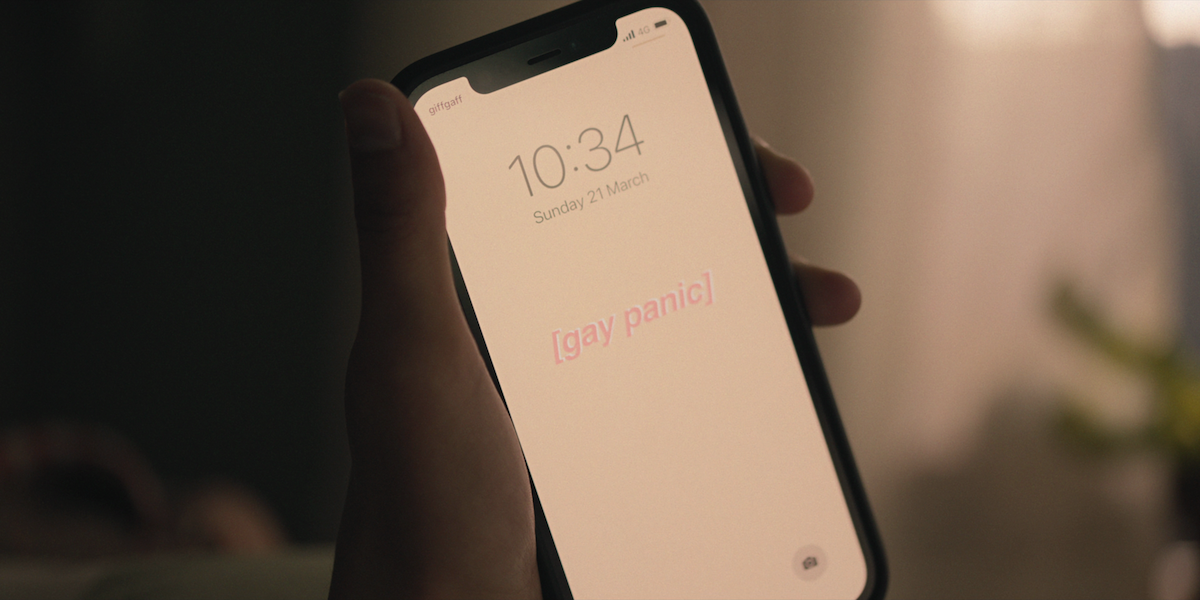
Akinade compares Mr. Ajayi’s grounded nature and astute sense of when to push and pull Charlie with his sound advice to that of finding a fish in the river, rolling with whatever comes. Like he’s “sat in a river, and he’ll be like, ‘That's a nice fish.’ And then off it’ll go,” Ajayi illustrates. That stabilizing force is an ideal buttress for a teen whose screensaver on his phone is literally “[gay panic].”
Akinade is grateful for the mentors in his own life that saw right through to his heart and helped tear down what he thought were his limits — just like Mr. Ajayi tries to do for Charlie, whom he sees finding comfort in hiding, self-isolating and not speaking up when he should be taking up his deserved space.
First came Akinade’s drama tutors in college, Wynn Moran and Rob Faulkner, who were the ones who encouraged him to pursue drama school seriously and become an actor. “At 16, Wynn Moran saw me and said, ‘You should do the college play,’ ” Akinade says. “She was the one who, along with Rob, really did champion me and guide me along the path, making sure I turned up to class and read the right plays. ” Akinade is still in touch with them, and they always come to London to see his plays.
Akinade shares that a few casting directors — including Alastair Coomer at the National Theatre and Amy Ball at the Royal Court — have thrust him into roles that pushed him beyond what he thought were his own limits.
“I remember getting a play called Shipwreck, which is by an American writer called Anne Washburn. It was really, really cerebral and incredibly clever, and the character was a university professor. I was like, ‘I am not smart enough to play this guy.’ [Amy] got me into the audition, and then, afterwards, she said to me, ‘You don’t have to be the same, because you have a level of intelligence. Just because it’s not a studied Cambridge education doesn’t mean that it’s not of value and not of worth, and doesn’t carry the same level of weight as anybody else.’”
I understood why you would hide away. Why you would be scared, why it would feel easier to stay in your safe, comfortable art teacher’s classroom than go out and have the fear of judgment and ridicule.
Mr. Ajayi’s power lies in that he has bloomed in the face of his adversity, and views his battle scars as gifts to impart that help Charlie and his friends Elle (Yasmin Finney), Tao (William Gao), Isaac and Charlie’s new love, Nick (Kit Connor), grow, heal and flourish just like the tree on the floor of his classroom. Akinade holds the same beliefs of paying it forward to the next generation.
“There’s a generation of gay men who maybe look at the younger generation now and are a bit bitter about it, because it’s slightly more open and accepting in general than it was in the ’70s, ’80s, ’90s, and even the early 2000s,” Akinade explains. “But I think Mr. Ajayi is somebody who’s gone, ‘What a gift it is to have had the experience I’ve had, which was tough, [and to] see the experience these kids are having, which is better, and then go, but if they are struggling, I know how to help them navigate it because I’ve been there.’ I think he’s somebody who’s had to be quite the survivor, and, instead of looking at that as a negative thing, he’s gone, ‘I didn't have [someone like] me when I was growing up, so why don’t I be that person to any kid who needs it?’ Which I think is quite a rare quality, to offer up a sanctuary to a child who is struggling.”
The mentorship doesn’t stop in the arts classroom, it also extends off-screen, as Akinade roots for and protects the young cast of Heartstopper like they’re his own children. “Honestly, on set, I’d be like, ‘Have you eaten today?’” Akinade shares. “And one of our runners was like, ‘That's my job.’ I'm like, ‘Yeah, but you need to get them coffee because they’re tired.’ And [Joe Locke], bless him. He’s been doing this rugby for four days. When’s he going to rest? He needs a day off. And I literally was like, ‘Are you all right?’ to all these kids. And it’s, like, this is embarrassing now!”
Playing the role of Mr. Ajayi has also allowed Akinade to receive some eye-opening advice for himself. This comes into play especially in the make-or-break moment of the season during the school Sports Day in Episode 8, when Charlie is at odds with Tao, with Nick and with himself, wanting to retreat inward but knowing he’s just pushing everyone away. Mr. Ajayi warns him that loneliness is not a security blanket. “Don’t let yourself disappear,” he implores him, clearly pulling from his own personal experience.
“I think that moment, in particular,” Akinade reflects, “is not only massive for Charlie, but I think it’s massive for Mr. Ajayi because it’s the thing he wishes somebody would’ve told him.” For Akinade, delivering that line, the type of line that stays with someone into adulthood and shapes their life going forward, was just as impactful to impart as it was to take in.
“It did feel very cathartic in a way, because I felt like I was hiding away [as a teen]. I’d either be in [my teacher’s] classroom, or I’d sneak into another classroom, or I’d sit on my own. If somebody would've been like, ‘No, go and sit in the canteen. Fuck it if you’re sat on your own, just go there and do it,’ it would've meant the world to me.”
Akinade goes on, “Inside, it was quite hard holding it all together in that moment, saying that stuff to somebody that I, me, I understood. Never mind Mr. Ajayi or any of that. I understood why you would hide away. Why you would be scared, why it would feel easier to stay in your safe, comfortable art teacher’s classroom than go out and have the fear of judgment and ridicule. But also I know and Mr Ajayi knows how much more free you feel when you are open and honest. If there was one thing he could give Charlie, it would be the freedom of choice and the joy it brings.”
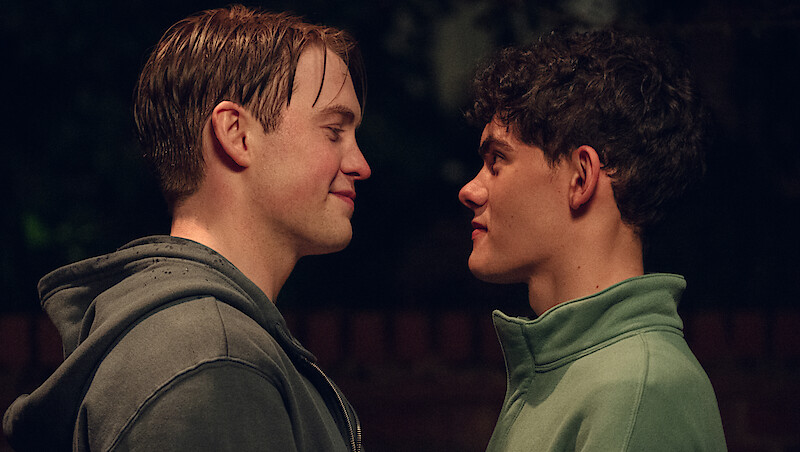
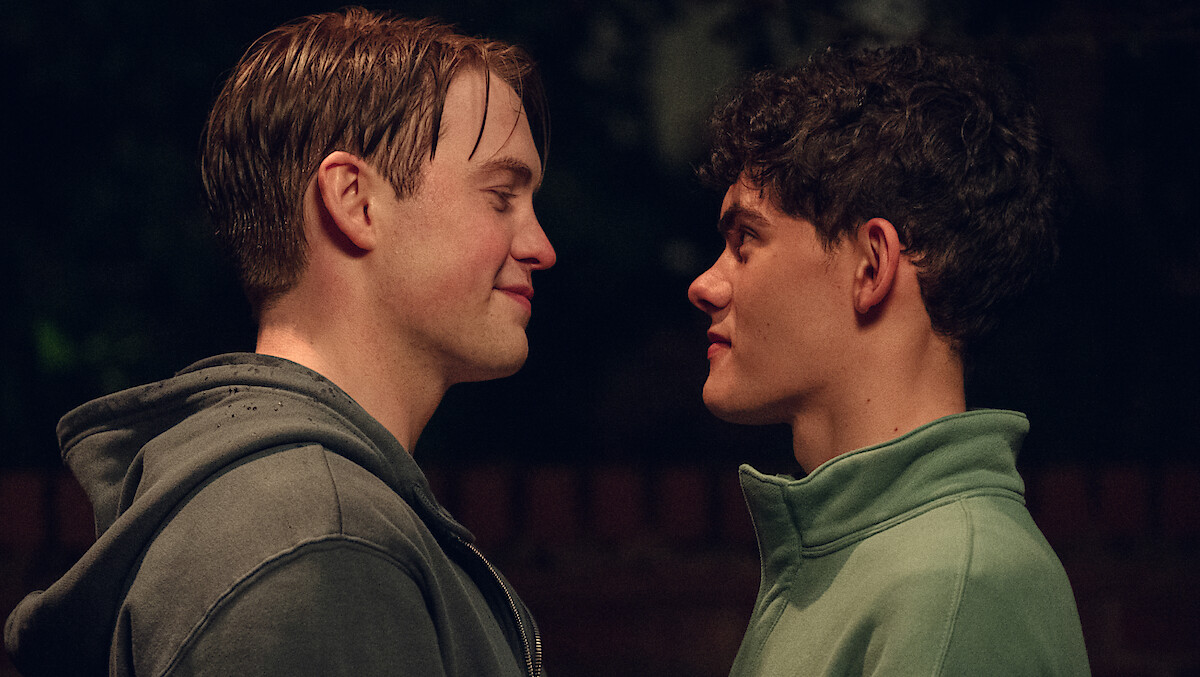
That freedom doesn’t just extend to Charlie but to Nick as well, who throughout the season, has grappled with his own sexual identity and feelings for Charlie. But rather than pretend to be someone he’s not with the friends he doesn’t even like or as the popular guy his peers bolster him to be, he chooses to leave the rugby pitch and run to Charlie in front of the entire school, confirming his feelings loud and proud. And just who is standing there, beaming, watching the whole thing? Charlie’s No. 1 fan, Mr. Ajayi.
Not only is the grand gesture huge in the scheme of the story, but it’s also a public declaration of love that Mr. Ajayi is only too thrilled to see and that, when he was Charlie’s age, was not something Akinade would have even thought possible.
“Sports at school is a big deal, and it’s such a massive moment for the star player to be like, ‘Nah,’ and walk off pitch and grab a boy’s hand. It’s literally Cinderella! I remember reading it and going, ‘This is just too perfect a thing.’ Because there’s been so much angst and so much confusion and so much fear and so much doubt. What’s really brilliant about what Alice has done is yes, it’s more inclusive and, yes, people are able to come out at a younger age and, yes, it feels wonderful, but it’s still hard. And what she’s done, especially with Nick’s arc is go, it’s really beautiful and hard, but the rewards are also beautiful.”
I know and Mr. Ajayi knows how much more free you feel when you are open and honest. If there was one thing he could give Charlie, it would be the freedom of choice and the joy it brings.
Akinade is only too excited to envision how Charlie will share the news with his mentor in a second season. “I think [Mr. Ajayi’s reaction] will just be a wry, smart little check-in like, ‘Are you happy? Good, fine.’ I think it’ll be very deft. I don’t think he’d want to apply any sort of pressure or expectation. He wouldn’t want to tarnish it or embellish it with anything.”
He hopes these two lost lambs who found each other, as well as Heartstopper fans at home, take away from Mr. Ajayi just how vital it is to communicate, to live boldly and to never pretend to be anyone but yourself — lessons you could learn just as well from Akinade as from Truham’s hippie art teacher.
The uncanny parallels between Mr. Ajayi and Fisayo Akinade may feel like a boon in casting, but there is one hard stop we can make in terms of their kinship. Well, at least in Akinade’s opinion. While we have yet to see Truham’s foremost art teacher actually paint or draw on screen, Akinade insists that, in reality, “I cannot draw to save my life.” But he can doodle at least one funny face.
We’ll just have to let Charlie decide if the doodle is worth being displayed on Mr. Ajayi’s classroom wall — or if that fish should get tossed right back into the river.