What To Watch
6 More Indian Films to StRRReam
If you’re still reeling from RRR, here’s what to watch next.
By Siddhant Adlakha
March 5, 2024
Director S.S. Rajamouli’s RRR — an action fantasy about a pair of Indian revolutionaries teaming up to topple the British Empire — is an unprecedented crossover smash, shattering box office records in India and abroad. The Telugu-language (or “Tollywood”) blockbuster combines bravado, friendship and musical mayhem, and it has received the kind of widespread global adoration usually reserved for Hollywood franchises. If RRR was your first foray into Tollywood or other Indian cinema, welcome! India has dozens of different film industries, and a litany of styles ranging from understated and nuanced to action-heavy and deliciously melodramatic. To keep the party going, read on for what to watch next.
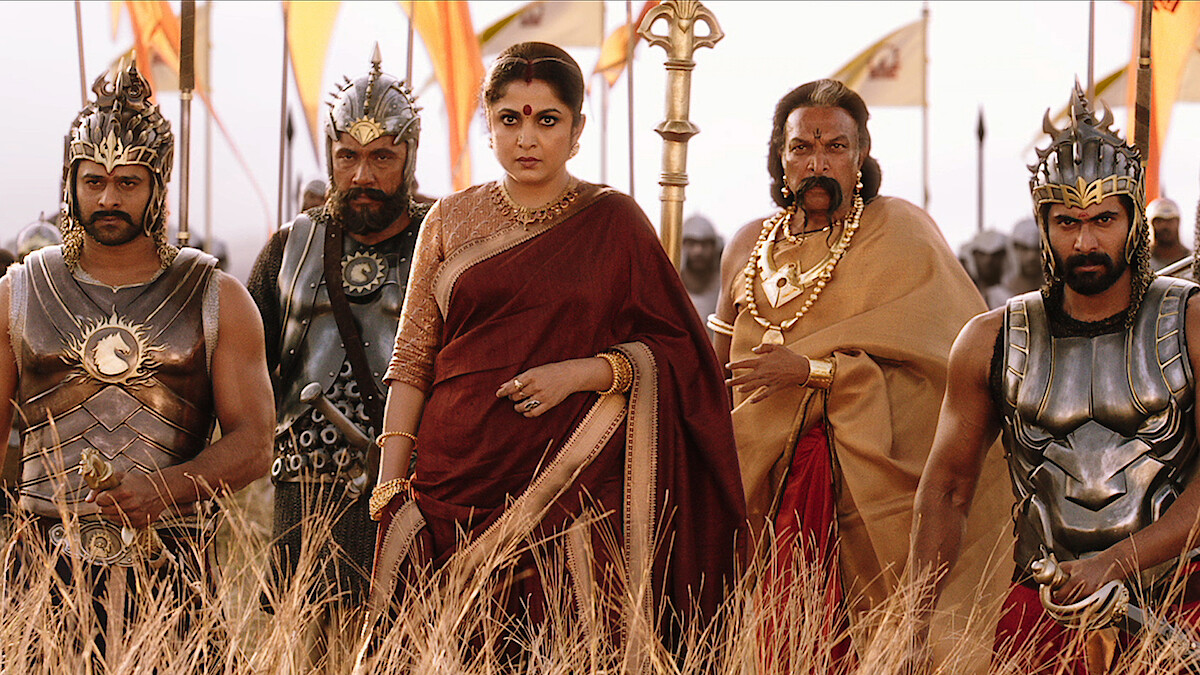
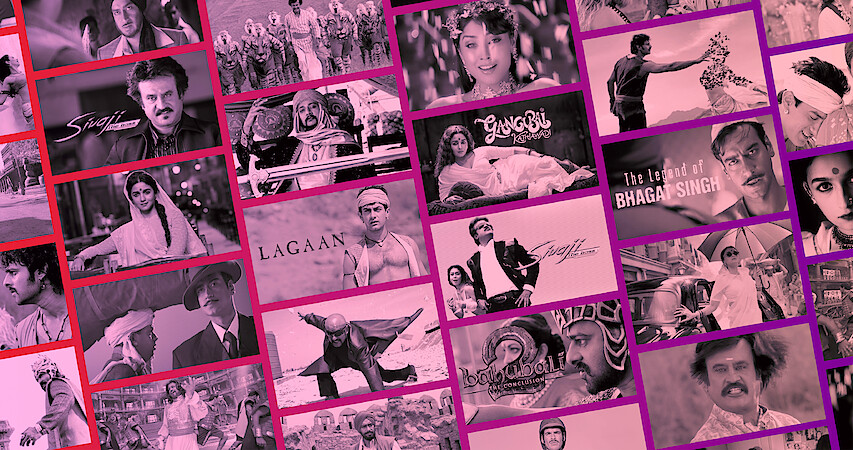
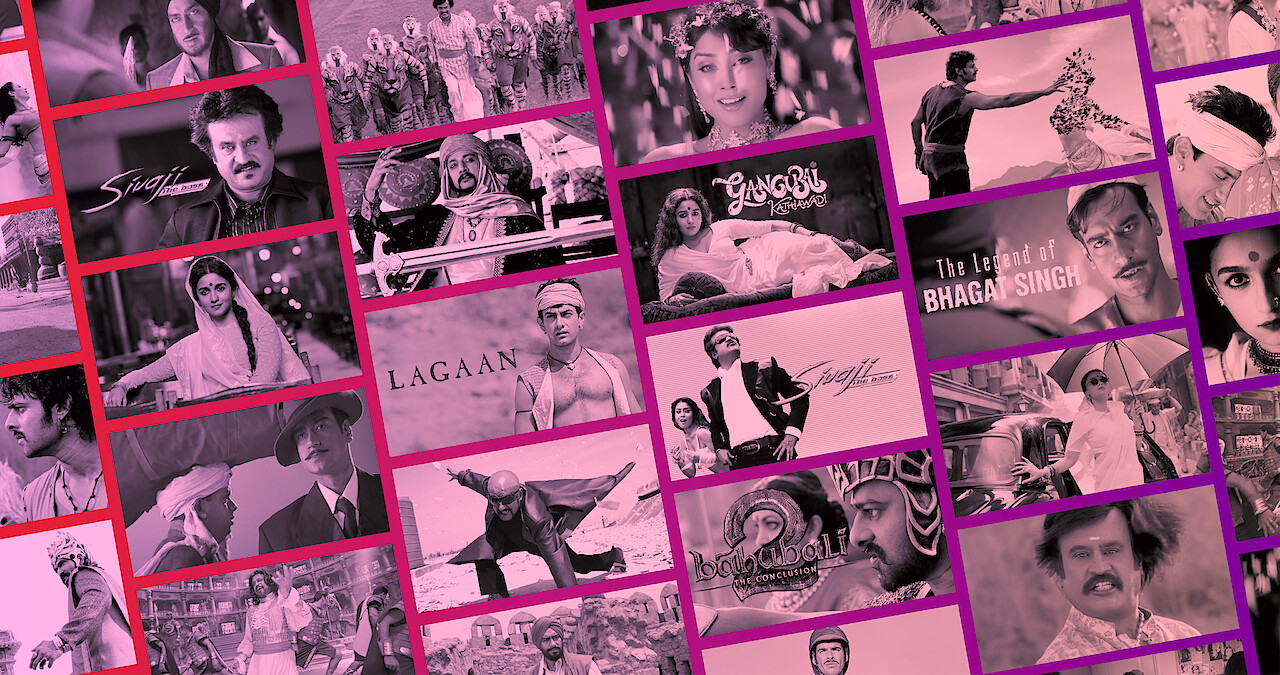
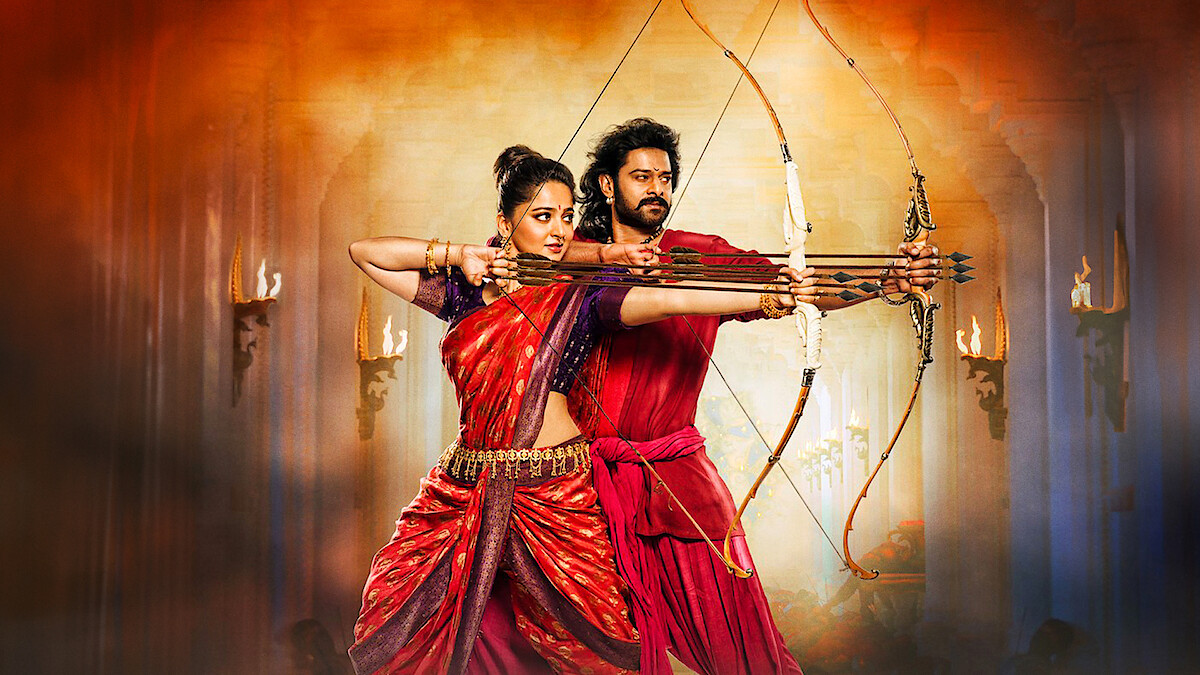
It doesn’t get much more RRR-esque than Rajamouli’s Baahubali: The Beginning and Baahubali 2: The Conclusion, a pair of enormously successful sword-and-sandal fantasies that exemplify the director’s blend of fantastical action and die-hard emotional sincerity. Set in the ancient kingdom of Mahishmati and filmed in both Tamil and Telugu, the duology stars Telugu actor Prabhas as the long-lost warrior prince Mahendra Baahubali (as well as Mahendra’s father, Amarendra) in a tale that combines narrative elements of Hindu scripture with the visual splendor of classic Biblical epics. However, what makes the Baahubali films uniquely Rajamouli — other than the booming, operatic music by RRR composer M.M. Keeravani — is the brazen creativity that goes into staging each action montage. War epics could all use more scenes where entire battalions are catapulted through the air.
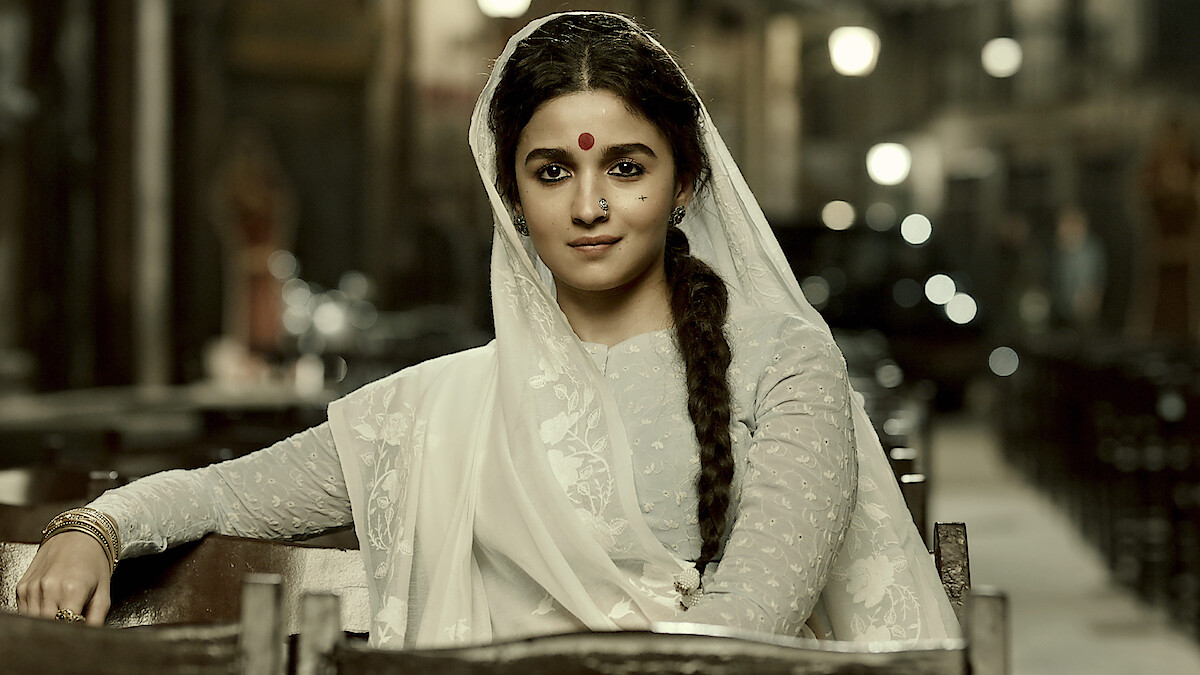
Like RRR, Sanjay Leela Bhansali’s 2022 Hindi drama Gangubai Kathiawadi is a vivid period piece with a cameo appearance from Devgn, but it also happens to star Alia Bhatt — who plays Ram’s love interest, Sita, in RRR — as the titular Gangubai. Based on a true story, the film follows a woman who, after being sold to a brothel at a young age, blazes a path in politics with the help of a local gangster (Devgn) and begins fighting for the rights of her fellow sex workers. Combining Bhansali’s luscious set designs with the slick energy of a seedy crime thriller, Gangubai is a story of surprising contrasts. It retrofits appeals for sex-worker rights into cinema that upholds tradition, as if to convince people that Indian culture’s most maligned women don’t just deserve a new place in society but, rather, a place that’s already been rightfully theirs.