Press Play
Mila Kunis, Chiara Aurelia and Jessica Knoll Take You Behind the Scenes Of ‘Luckiest Girl Alive’
Plus, some life advice.
Oct. 7, 2022
🤐 SPOILER ALERT 🤐
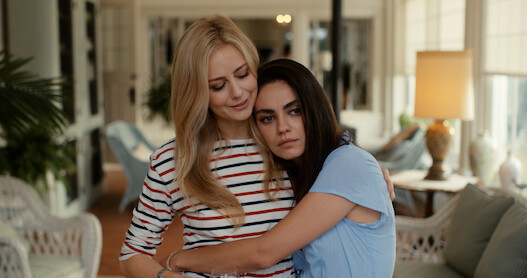
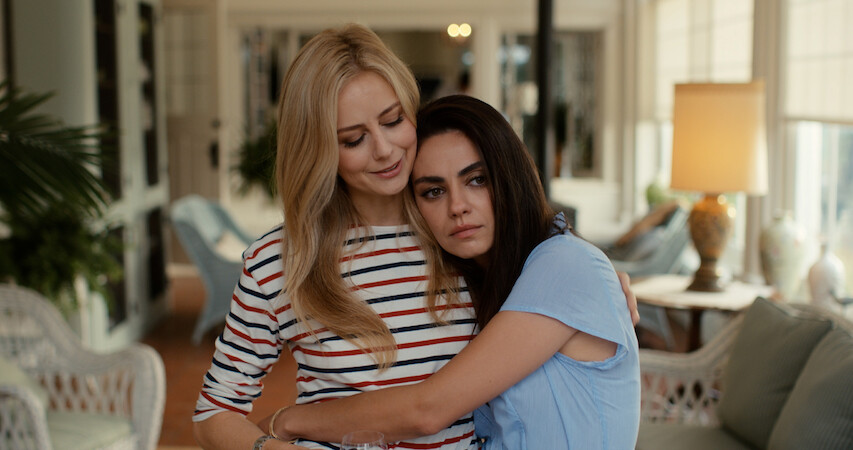
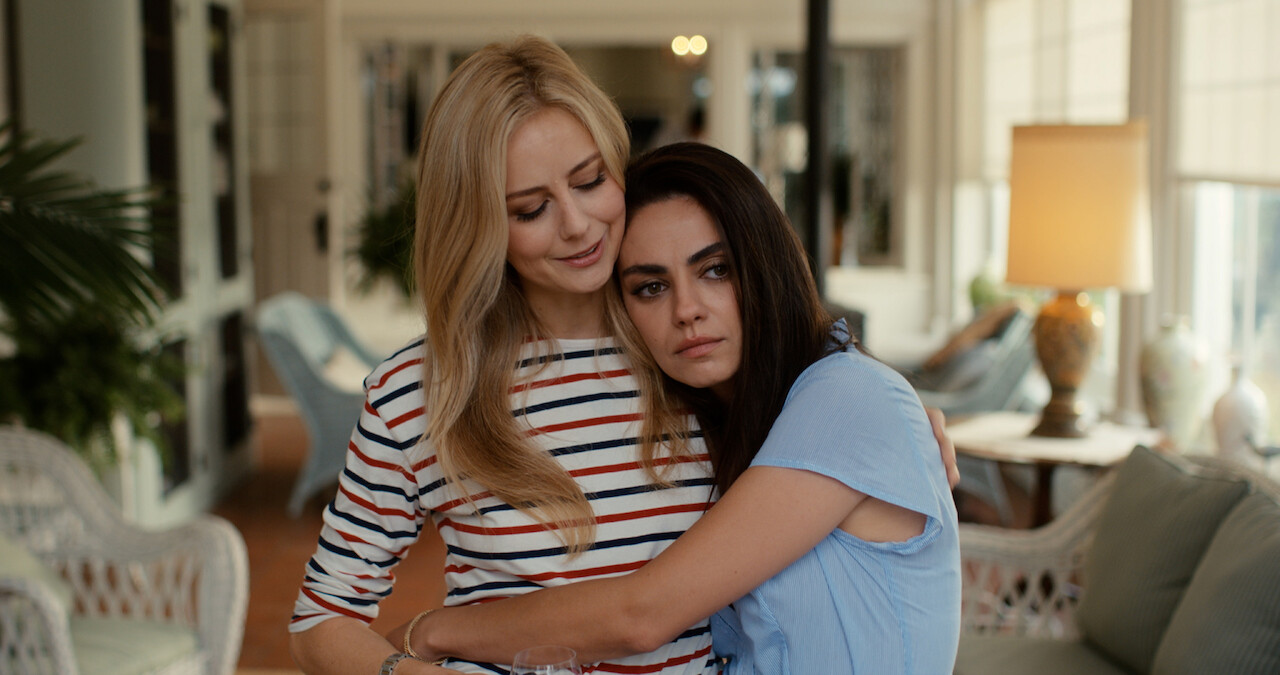
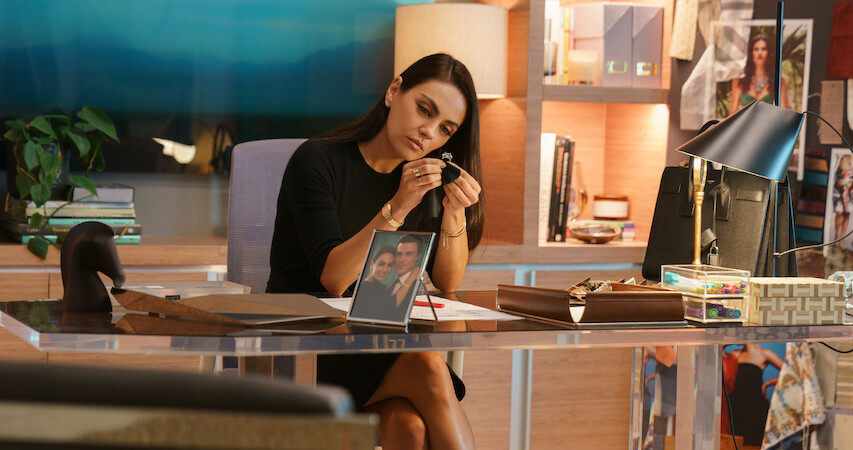
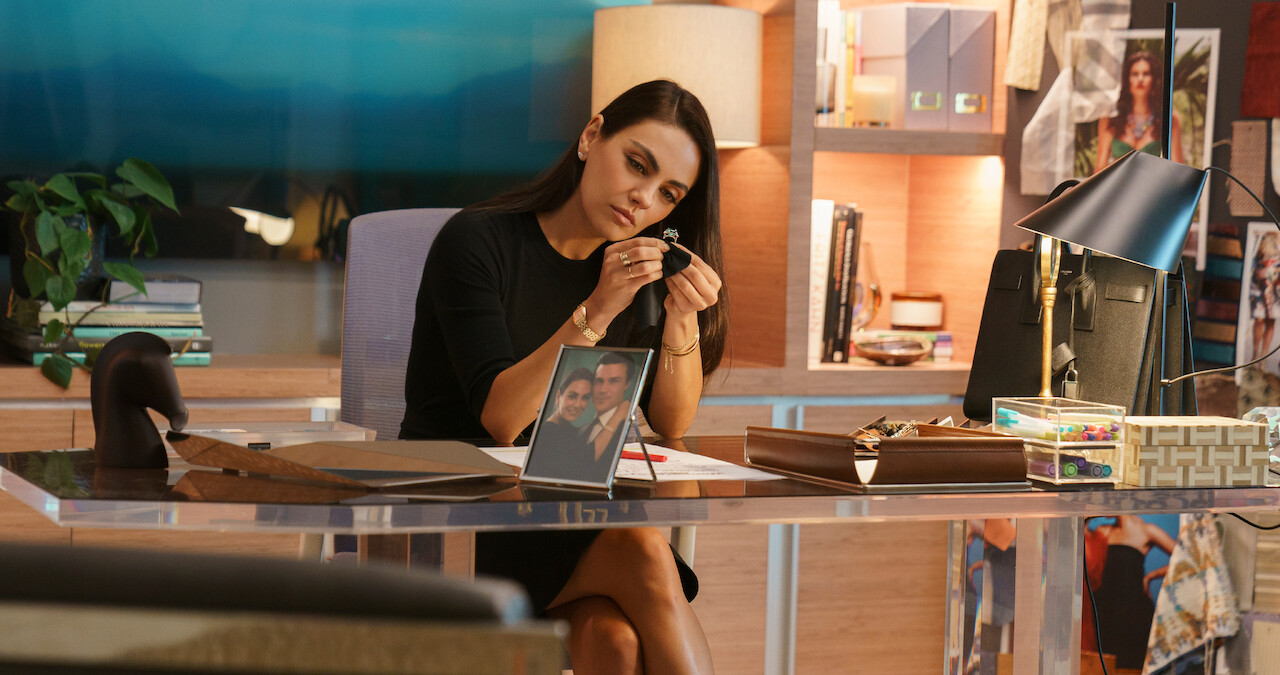
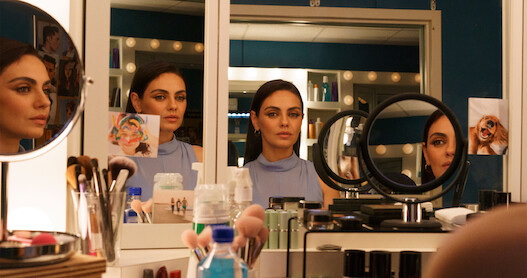
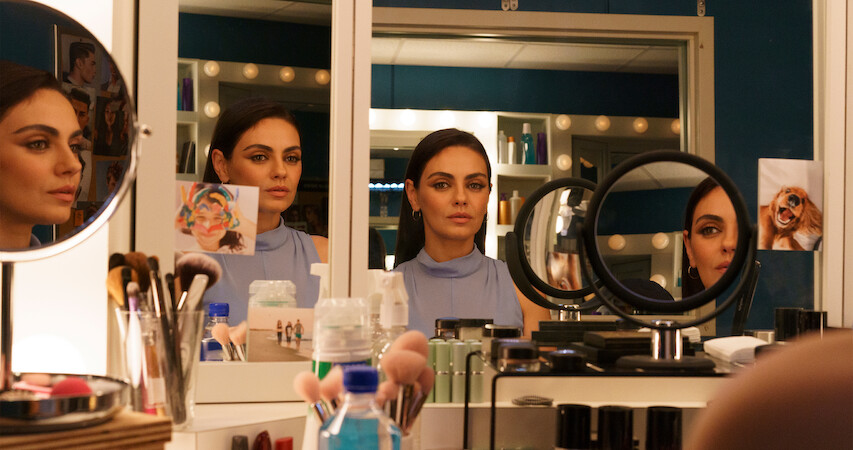
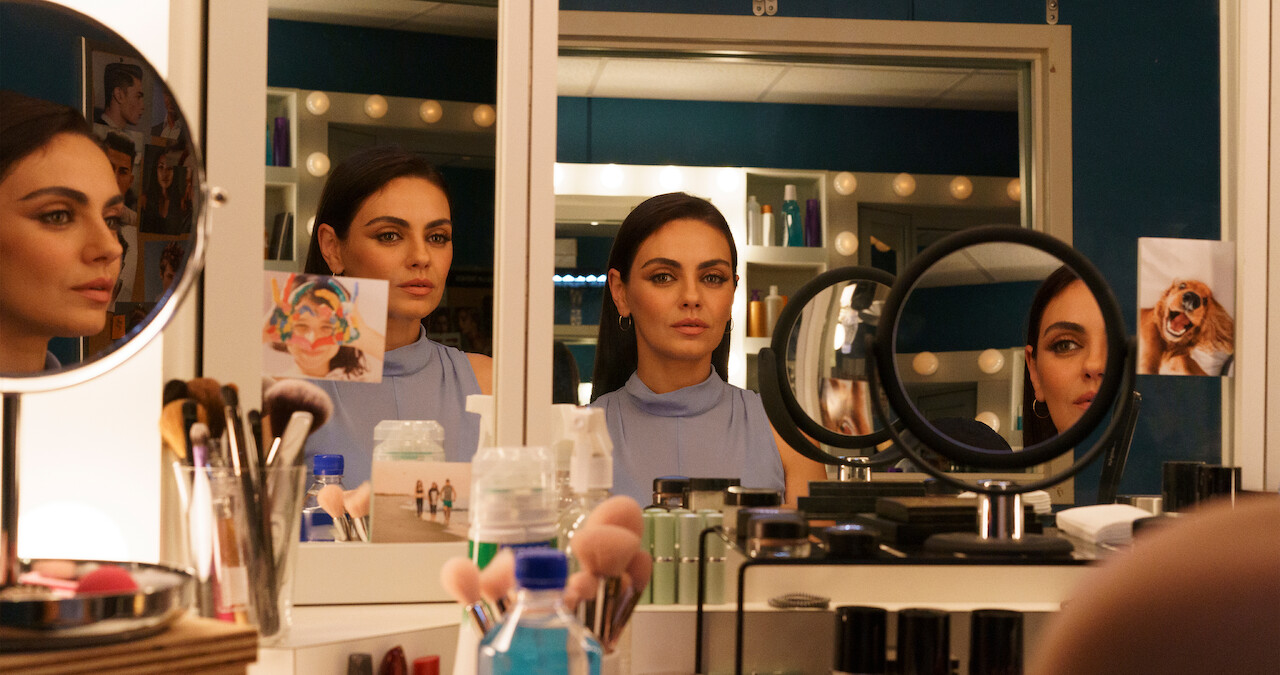
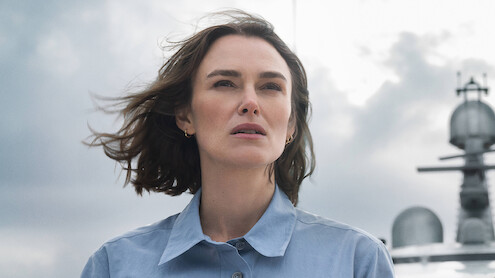
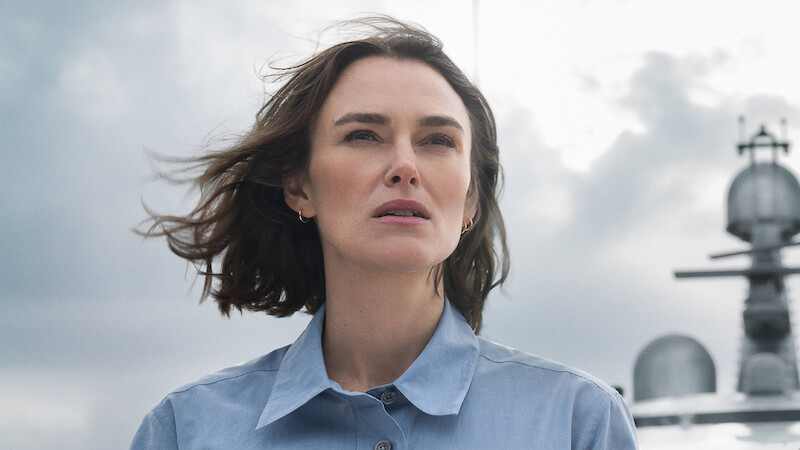
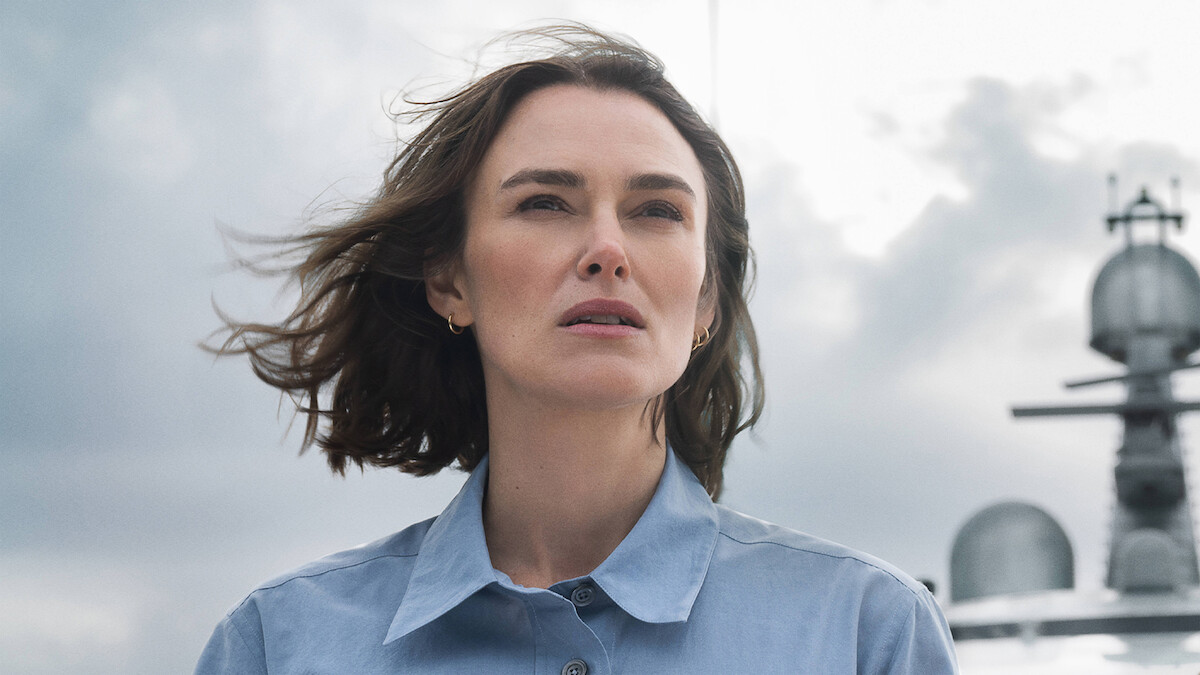
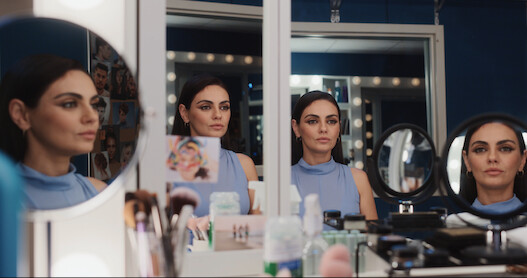
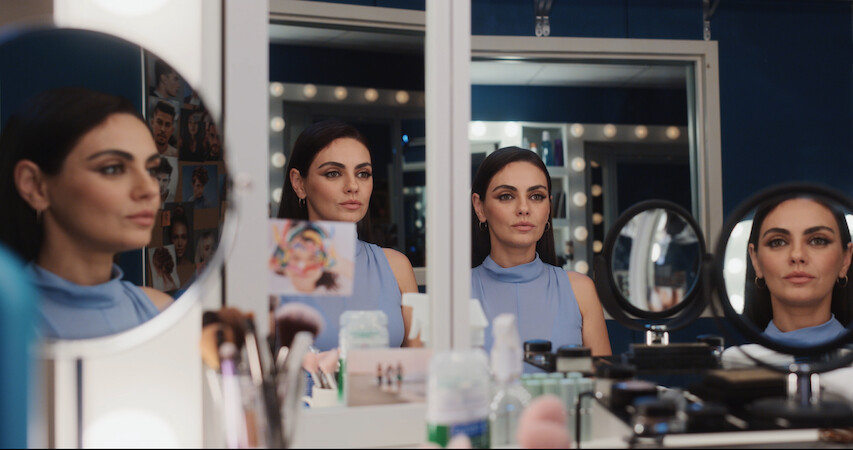
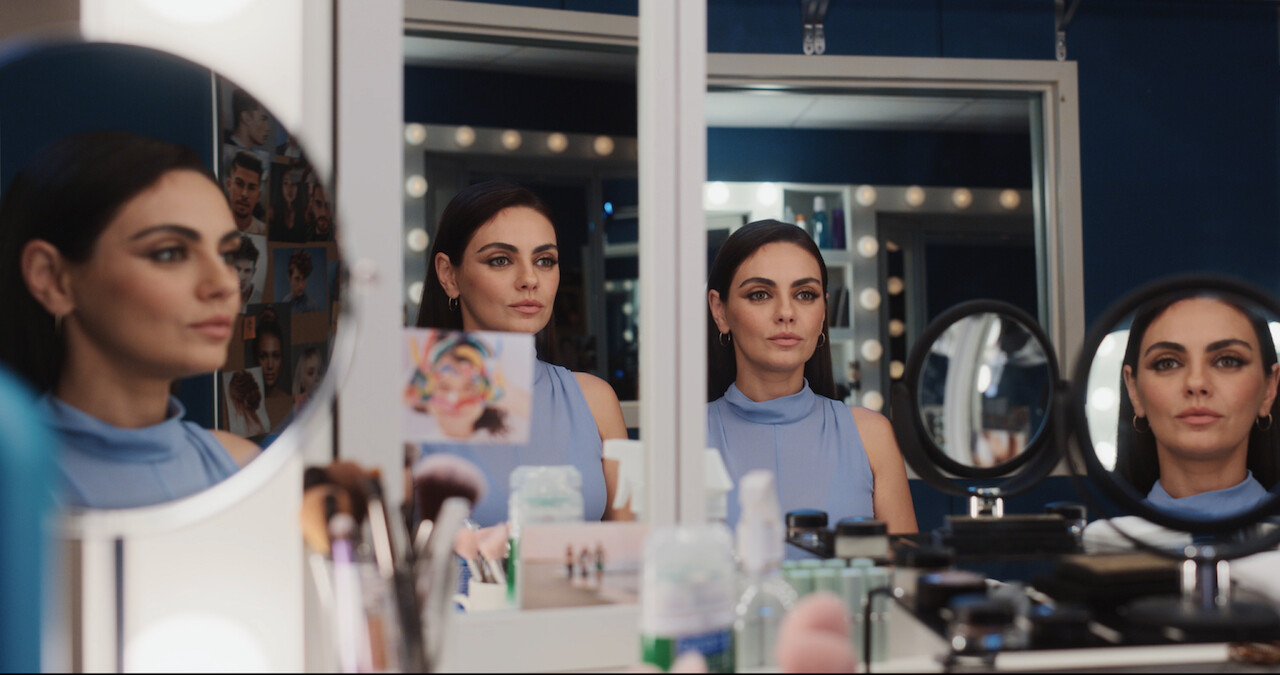
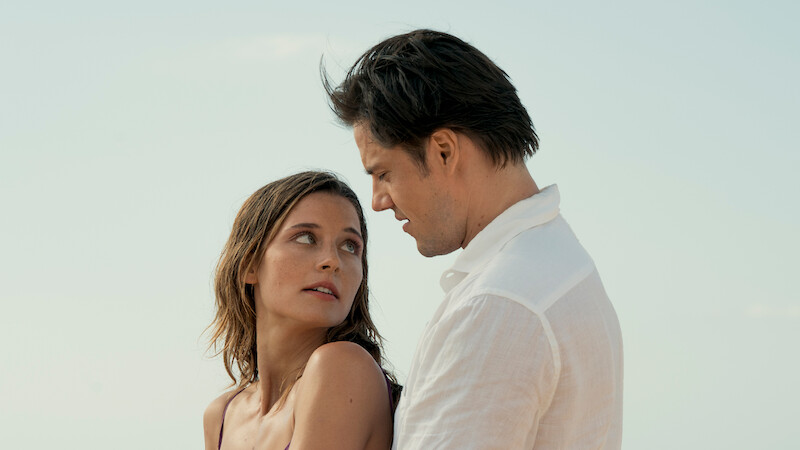
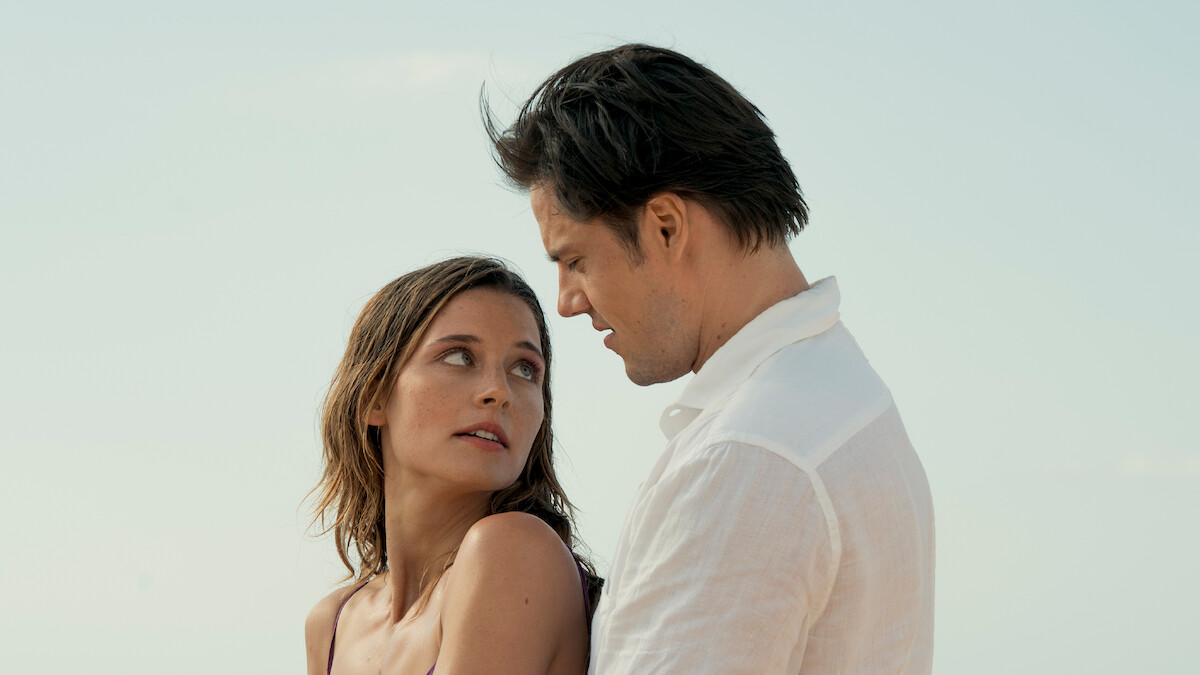
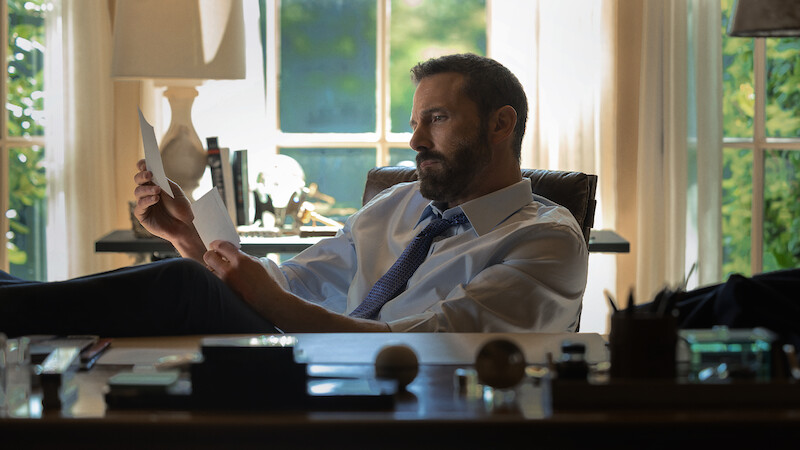
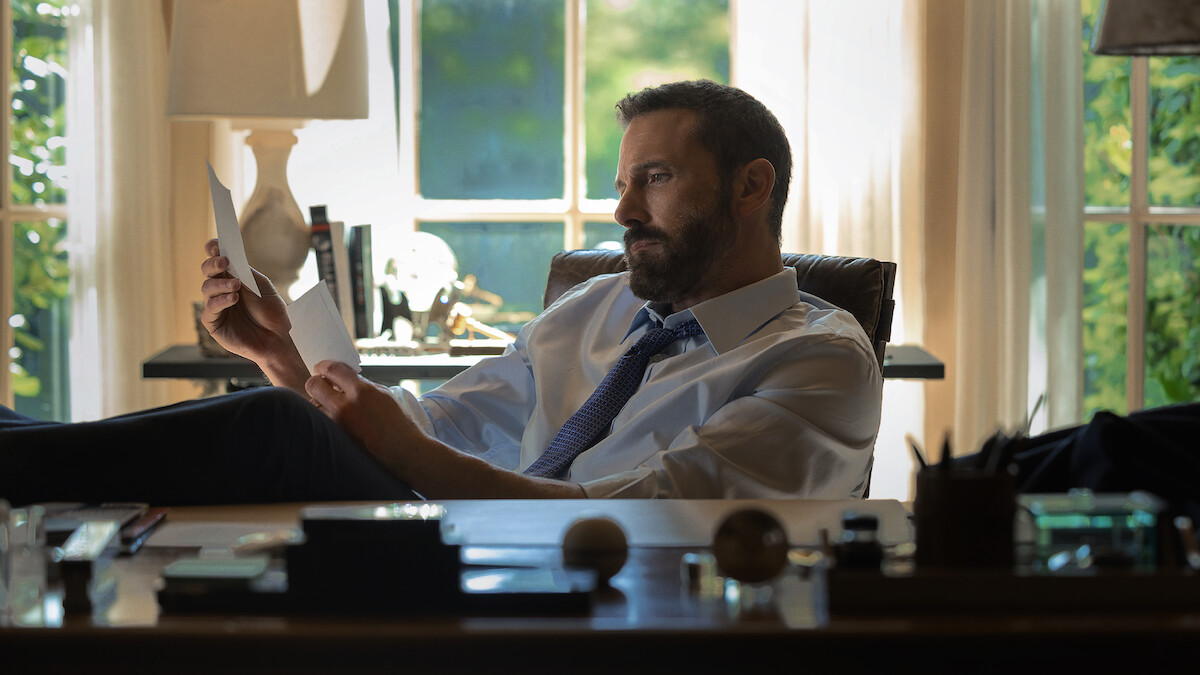
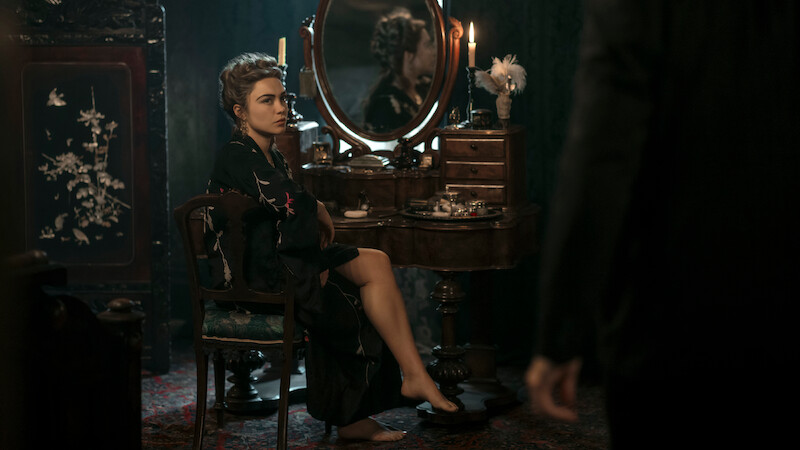
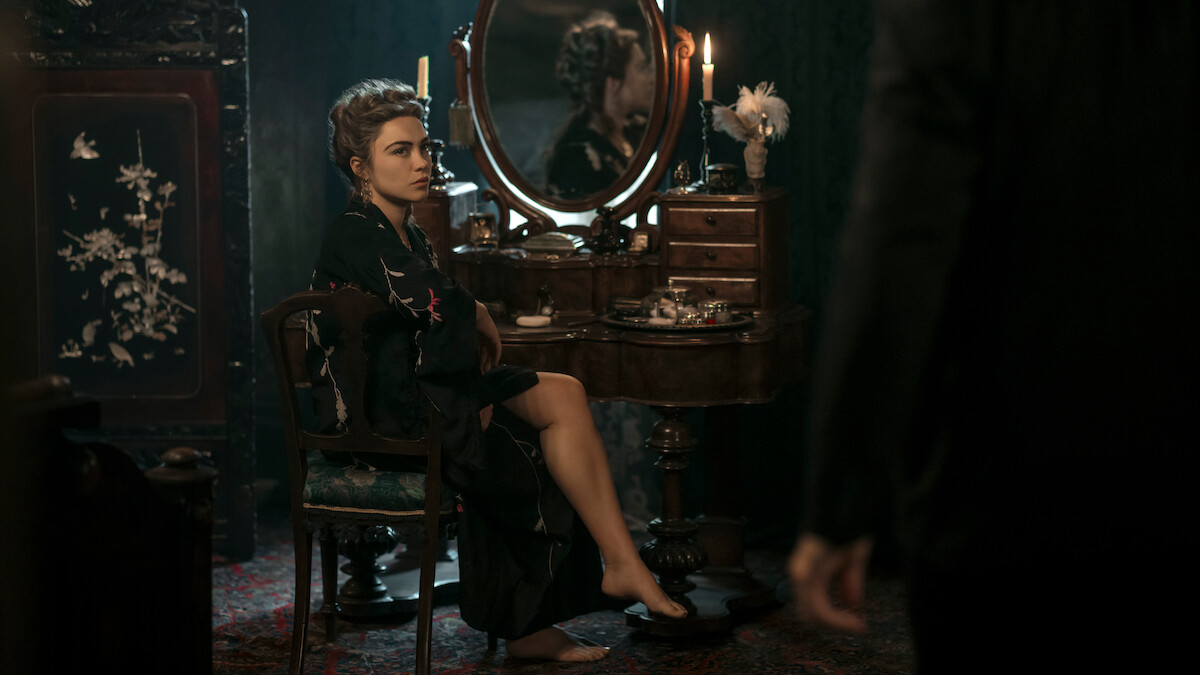
Appearances are deceiving in Luckiest Girl Alive. Based on Jessica Knoll’s 2015 novel of the same name, the film stars Mila Kunis as Ani FaNelli, a magazine editor whose polished New York lifestyle belies a dark and traumatic past. When a documentary filmmaker approaches her to tell her version of what happened all those years ago at the prestigious Brentley School, Ani’s facade begins to show its cracks. As she launches into a complex journey towards self-acceptance, flashbacks to Ani’s high school years (back when she was known as “TifAni”) reveal the secret she’s been running from for so long. Can she finally make peace with what happened? Directed by Mike Barker, Luckiest Girl Alive digs deep into the ways we hide in plain sight.
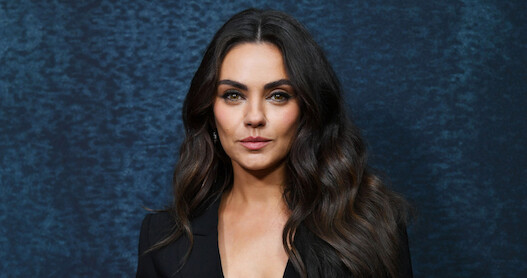
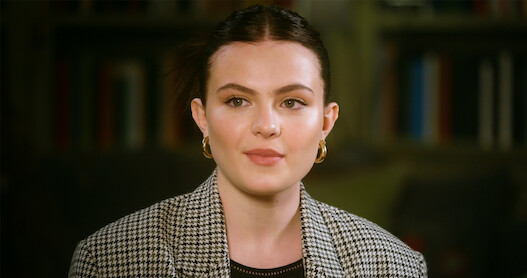
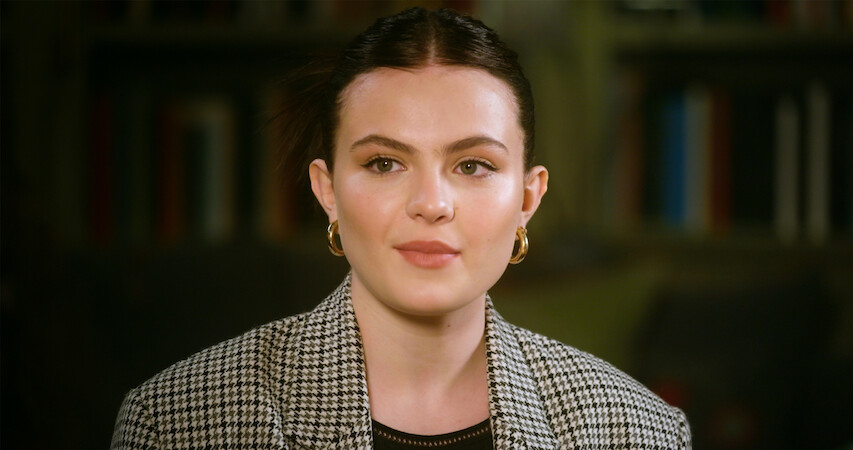
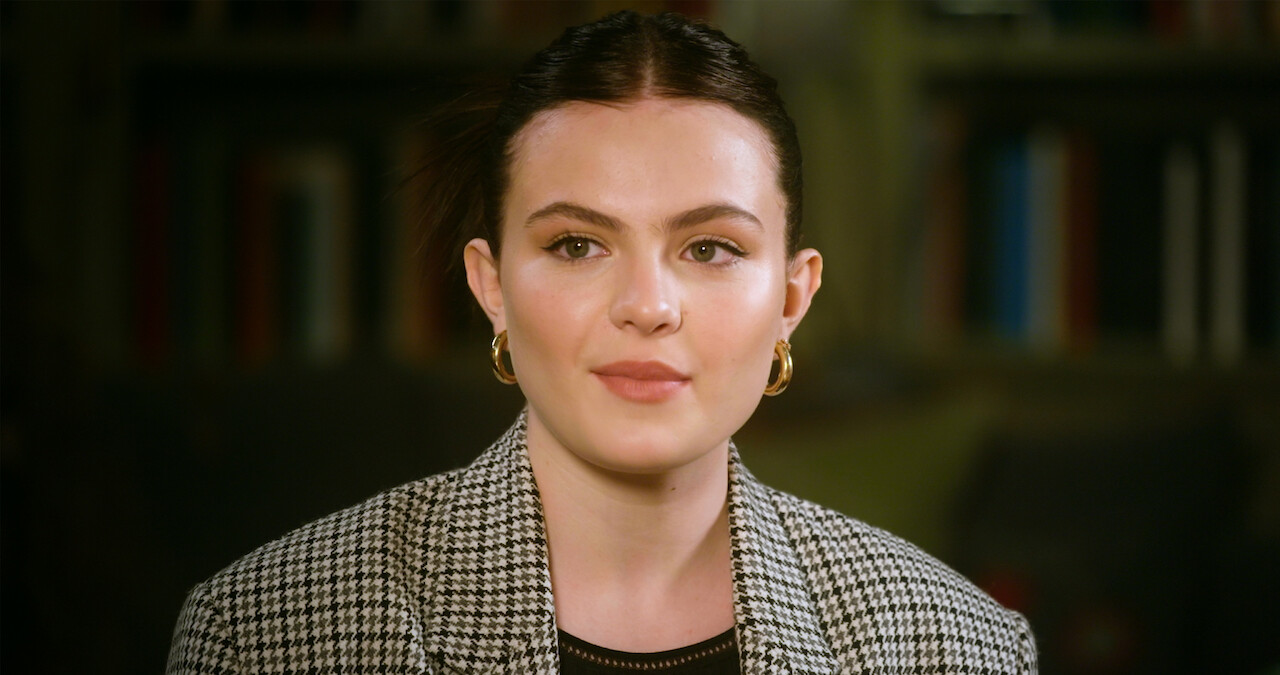
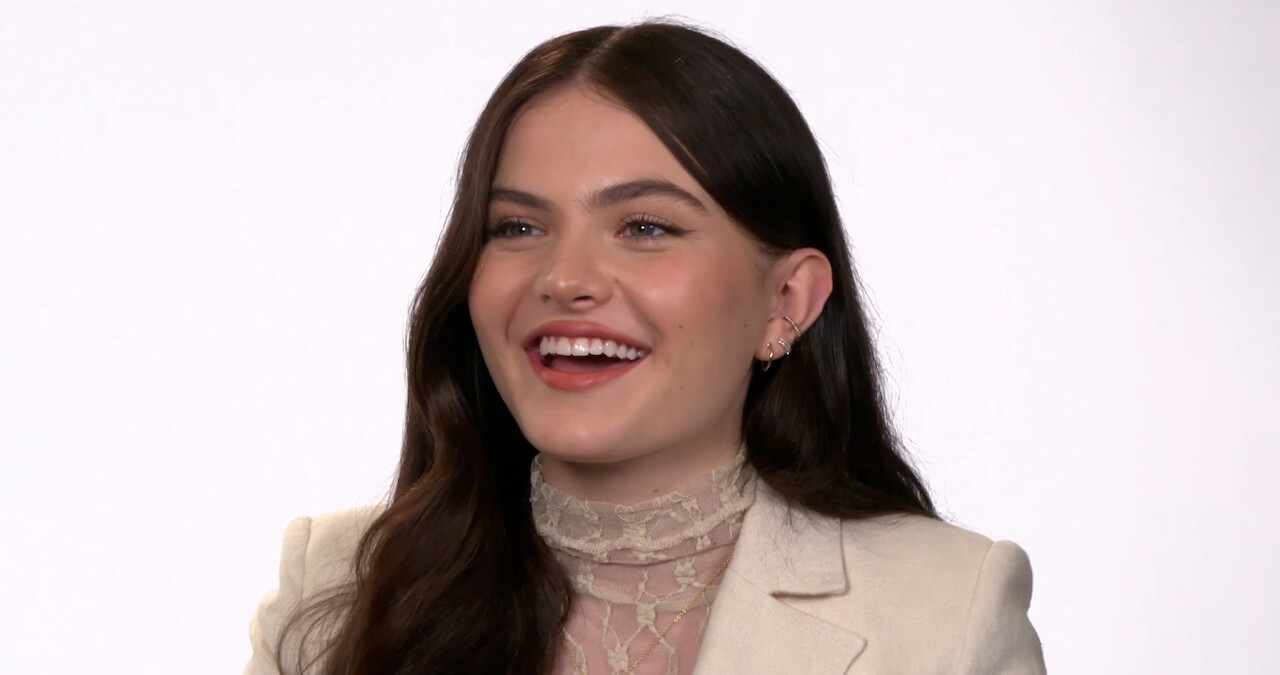
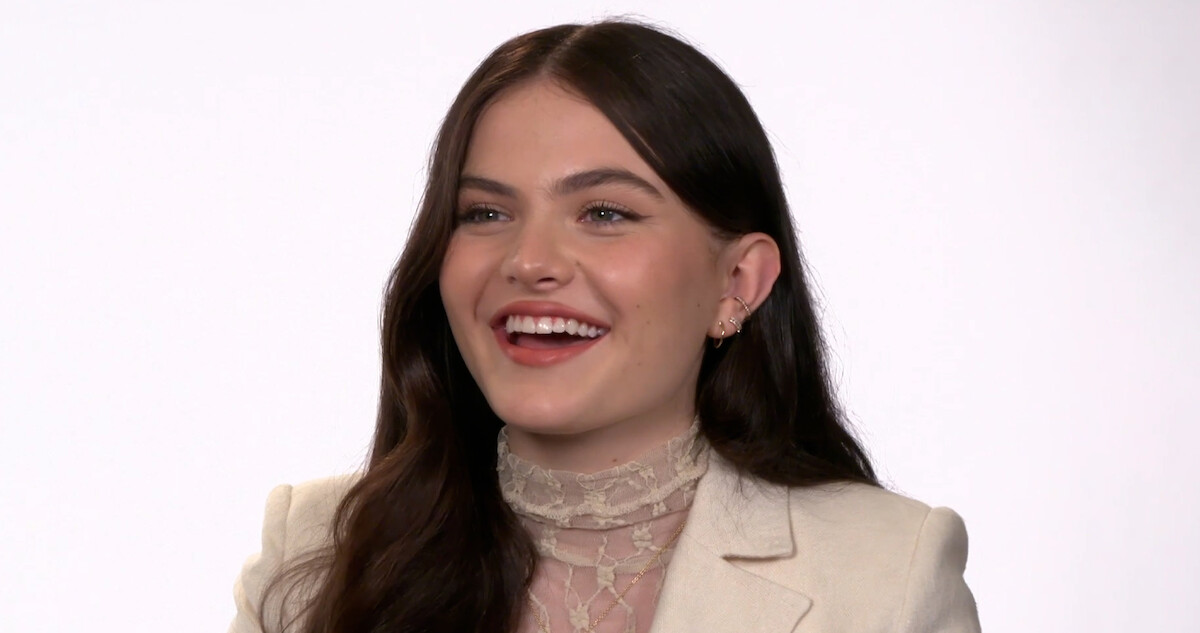
Kunis, along with Chiara Aurelia, who plays the younger Ani, and Knoll, who adapted her own novel for the screen, explain some of the changes from the book and share favorite memories from the set.
How did you all meet?
Mila Kunis: What was our first meeting, Jess? It was on Zoom. It was COVID.
Jessica Knoll: It was definitely on Zoom, because it was COVID.
Kunis: So my first meeting with Jess was like a wild party. And it was all about, do we want to keep dating each other? We were, like, being set up on a date and then we were going to have a conversation about whether or not we're going to keep dating each other. And I don’t think you spoke up very much.
Knoll: I remember what you said about something Mike worked on, and we were like, “Whoa, she's bold as shit.”
Kunis: Yes, I remember.
Knoll: She just said it.
Chiara Aurelia: Wait, I don’t even know this one. What is this?
Knoll: Mike was like in love from that point on.
Kunis: Mike had a tendency to work on really hard, beautiful stories, but they were ultimately really sad and not for everybody and not always palatable. Mike Barker, the director. So I was like, “Fuck. Mike, your shit's really depressing.” And I think I said it nonchalantly. Because I had just watched a bunch of his stuff. And I was like, “None of it's uplifting. Nothing that you direct is feel-good, nothing.” And I was like, “This needs to be a little feel-good.” And I think that that’s where everybody was like, “Wait, is she in or is she out?” I gave a totally contradictory comment. That’s how Jess and I met.
Knoll: Yes.
Aurelia: And you’re still dating?
Kunis: Oh, we’re still dating. And then, you and I, Chiara, met on Zoom.
Aurelia: I remember being so terrified and you were so nice.
Roughly 1,500 people auditioned for the role of TifAni — Ani in her high school days. What struck you about Chiara’s tape?
Knoll: Right away [I] saw there was such a vulnerability about her that was so beautiful to me and so necessary for this character. But also, you could tell there was spunk there, which we needed this character very much to have. She was someone who had fun with life, and that was another quality we wanted to bring to TifAni’s story: She’s in kind of the prime of her life in high school. She should be having fun. She should be allowed to be doing all these things and seeing what befalls her and how it affects her spirit a little bit, dampens her spirit.
Aurelia: We talked a little bit about it before we started filming over Zoom and we were just talking about little bits of mannerisms and I did a little bit of vocal coaching and stuff like that, to kind of connect the gap. But the reality is that you're trying to forget everything about me as an adult and get rid of that part of herself. So, I think there’s a huge transformation that happens from my perspective, but there’s definitely a through line of being the same. We’re the same person.
What kind of support did you get when filming distressing scenes?
Aurelia: We’ve talked a lot about how dark the content is, obviously. And I think that that’s super valid and I think that it’s horrifying. The scenes that we were filming and the subject matter and the trauma that Ani is experiencing over the course of the film is terrible, but I was so lucky that I was in such a safe space and a safe environment. And at that point I felt like I developed a relationship with Jessica and with Mike and [producer] Jeanne [Snow] and Mila. I felt like I had people to go to and people to talk to. Even with the other actors that I was working with, we all felt so safe and so comfortable with one another. I felt like I was in probably the best hands that I could have been when we were actually filming the scene. I think it’s a really, really important story to tell, and I’m really happy that we did it the way that we did it.
How has the character of Ani evolved from book to script?
Knoll: I think a lot. I think a lot has shifted in how I approached writing that character. Both because there was growth that happened in my real life that I think came through in my writing. Also because film is such a collaborative medium in a way that book writing is not. So, you assemble this team — and thankfully everyone on it, I completely trust and they’ve been doing this for a long time — and they have really good thoughts and ideas. So, when someone comes to you and says, “This isn't working,” or, “I think we should try this,” I’m game to do it because I can see that these people have a great record of storytelling. And so I think Ani is much more of a shared character now. She’s not just my own anymore. We all had a part in creating her.
Who decided to change the ending?
Knoll: That’s Mila. I think the first time we met in person, when I came to your house in Toronto and we had cocktails outside and you just looked at me and you go, “This is a real weird one, Jess.” That’s what you said. You go, “This one's a real weird one.” And so that was your response to it. You're like, “There was just something really tense about this story and it’s different and I love it.” But you were [also] like, “The ending is not there.” And so we talked about why that was, how we could change it. What would be a satisfying character arc for this story? And I think it was really beneficial to have Mila come in at the point she did. I've been on this for seven years. Mike Barker, our director, has been on it since 2018. This was a fresh set of eyes that I feel like saw it anew and just could bring something that maybe we were all missing. Because at a certain point you're wearing blinders and you don’t even realize it.
Chiara and Mila, you both started performing at a young ages. How do your experiences compare?
Kunis: Chiara, how old were you when you started?
Aurelia: I started doing theater and things in school when I was four or five, but I didn’t start working professionally until I was like 12.
Kunis: OK. So, I started when I was like nine, right? It’s been a couple years. I didn't have the pressure of social media. Social media is the end of a lot of things in our industry. Mystery being one of them, privacy being another. There’s so many things that went by the wayside. There’s the good and the bad and I would say this was the bad. I, at 17, 18, 19, 20, got to go out. I got to live life. I got to be a teenager in privacy. I had anonymity. I didn’t have a responsibility to followers, so to speak. It was right at the very tail end and the beginning of the downfall of everything.
So, for me to be Chiara, I don’t know how they do it. I will tell you, full disclosure: When younger actresses are cast nowadays, they do look at their social media. They do. Some people will not acknowledge it, but they 100% do. They look at your content, they look at what kind of content, they look at how many followers, they look at a lot of things. God forbid at 15 I was responsible for projecting a version of myself. Who knows what it would be because when I was 15, I was different from [when I was] 16 to 17. You’re constantly figuring yourself out and now we’re expecting these young actors to be in a constant state of perfection, or else. It’s a really unfair standard and an unfair precedent that we’re setting forth. So I commend her for being classy and amazing and staying true to who she is and doing all of the things that I at a much older age don't even want to do. I think our careers are very different because I was allowed to be young. And she’s not. That’s the truth. She still can’t be a 16-year-old to an extent. But there’s always a version of life, I assume, that’s like, “What if that person posts a photo of me doing this?” That didn’t exist when we were 16. You were allowed to be 16 and allowed to make whatever mistakes.
Knoll: Make mistakes and be an idiot and all of these things.
Do you have any advice for Chiara?
Kunis: Do I have advice for her?
Aurelia: Yes, I want the advice. Give me the advice.
Kunis: I'm telling you, I'm not on so... Like acting advice? I’ll talk to you anytime. Career, picking projects — I got you, girl. But when it comes to what is now so important, which is your public persona? I don’t have advice. I’m super-private. I’m not on social media. I think it’s generational. I look at debt the same way that I look at social media. I do — just hear me out on this.
Aurelia: “I can’t wait for this analogy.”
Kunis: Kids that are 20, young adults that are 20, now statistically are more likely to have a cash card or a debit card than they are a credit card because they grew up with parents that were in debt because they were the parents to have that first credit card. They didn’t understand the concept of debt and credit.
Knoll: Oh, I see what you’re saying, yeah.
Kunis: And so, I look at social media the same. She grew up with the worst-case scenario of social media already projected onto her. There’s a version of you that's going to go into it already aware of the worst case. Chiara’s in the beginning of the betterment.