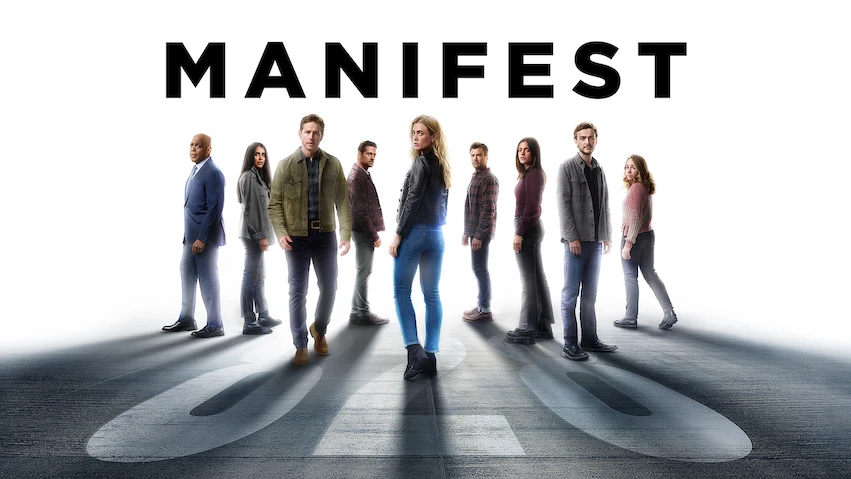
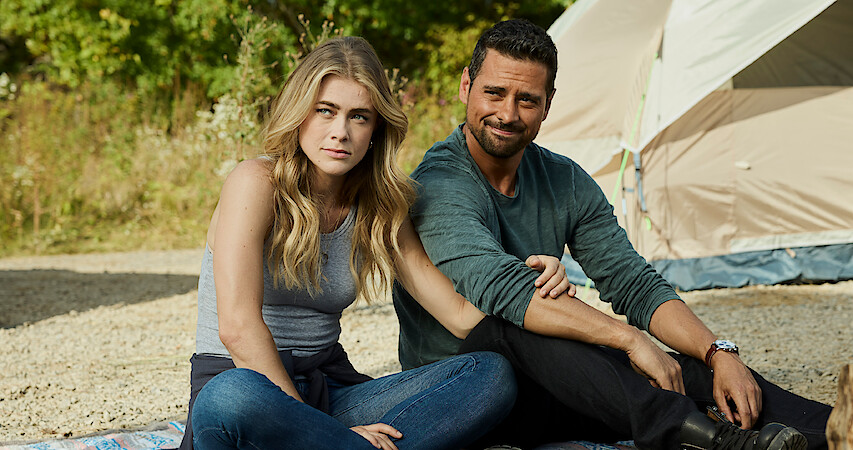
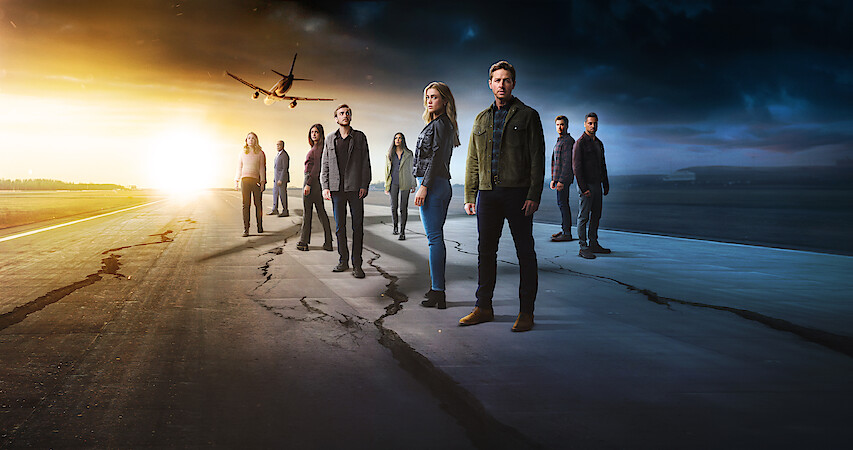
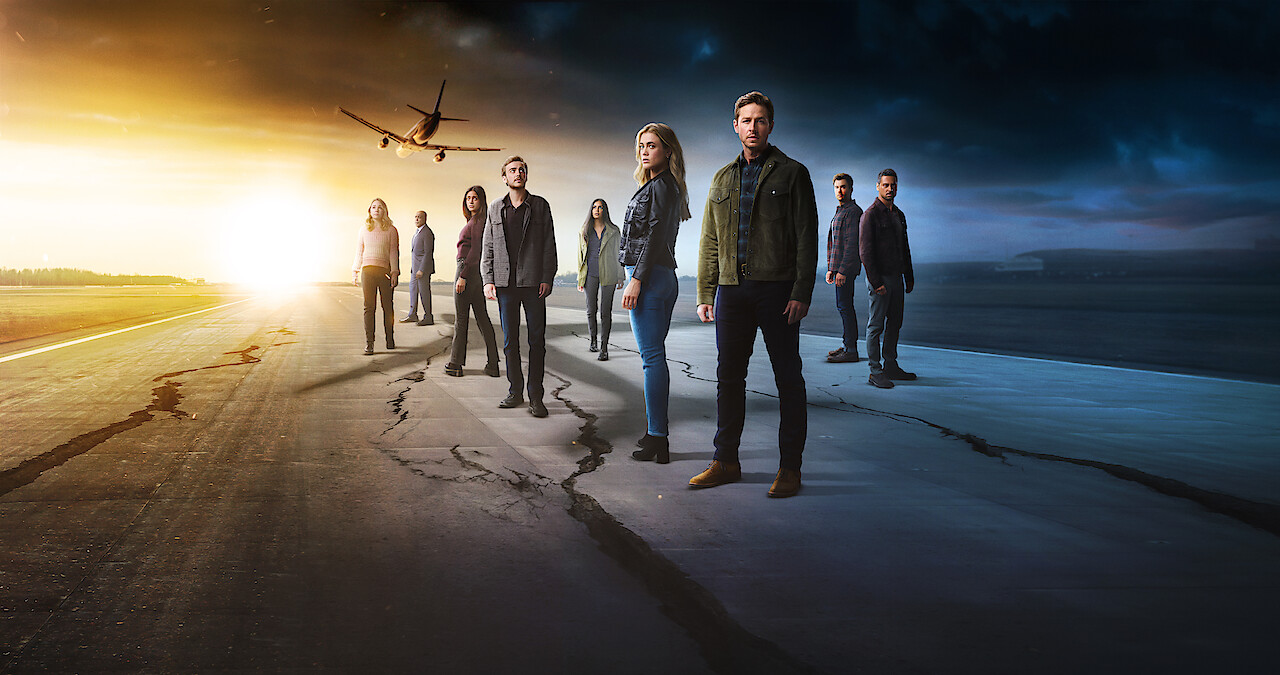
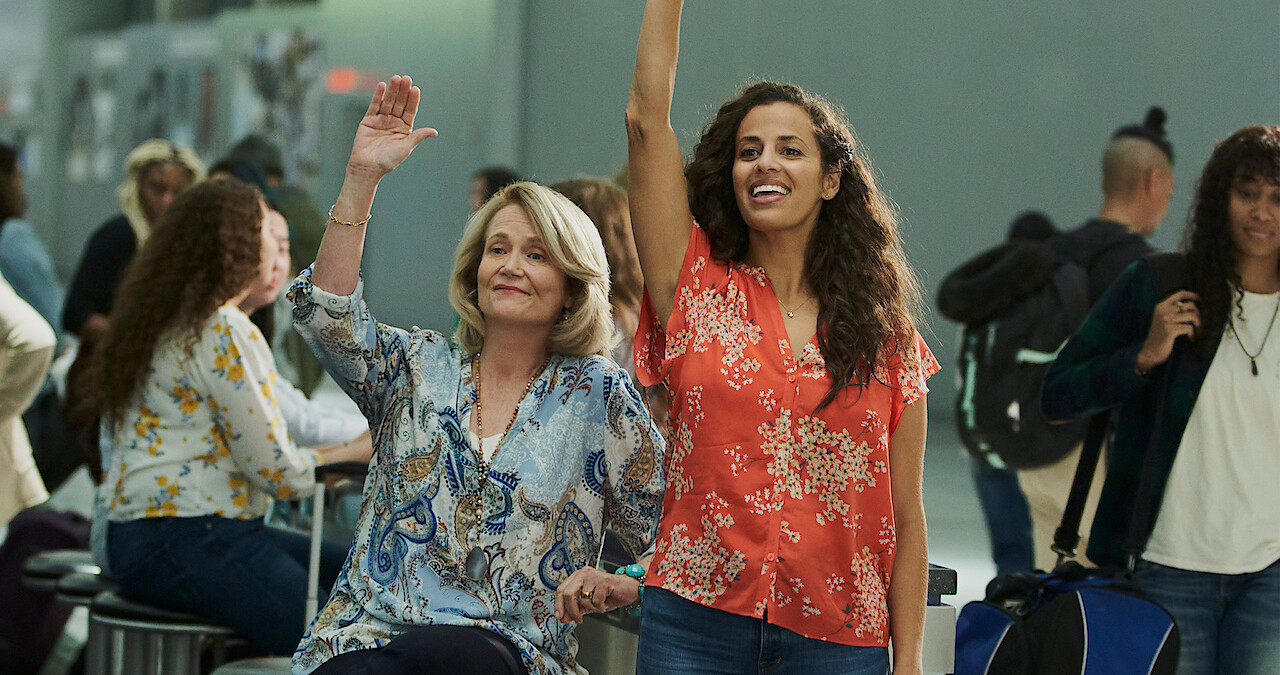
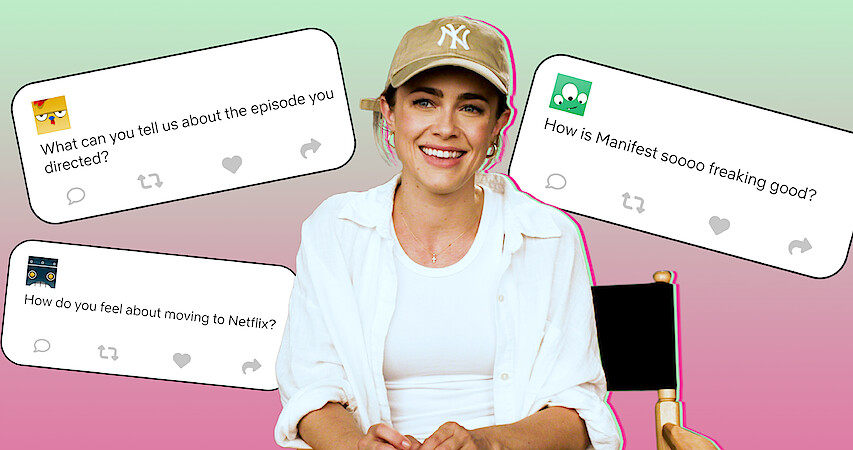
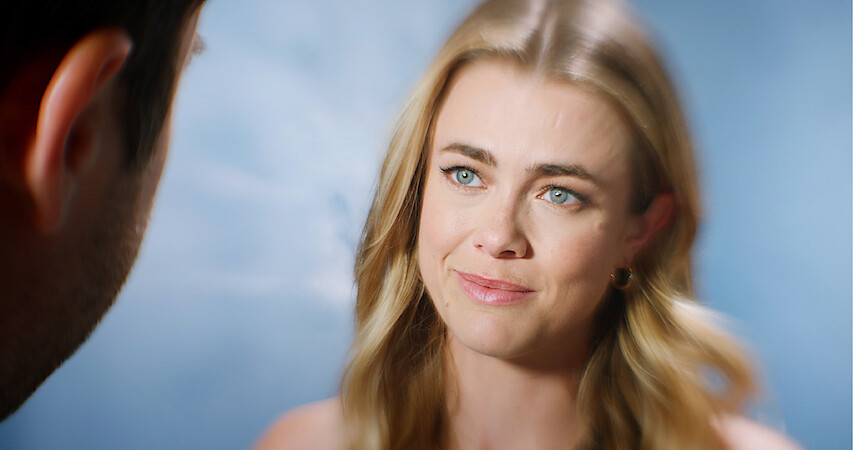
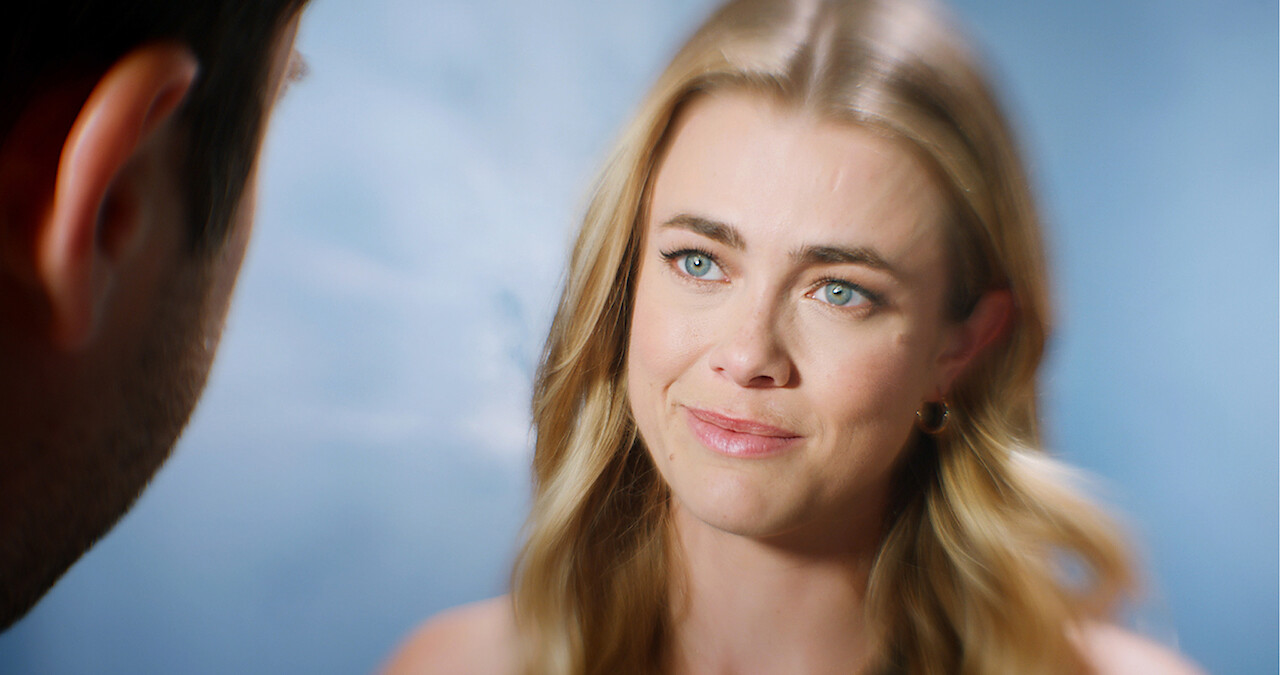
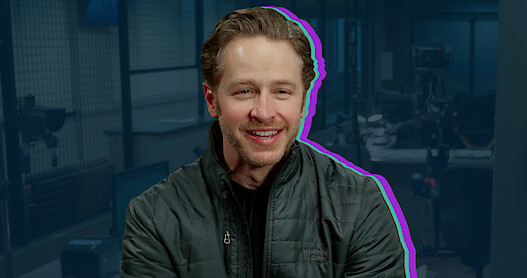
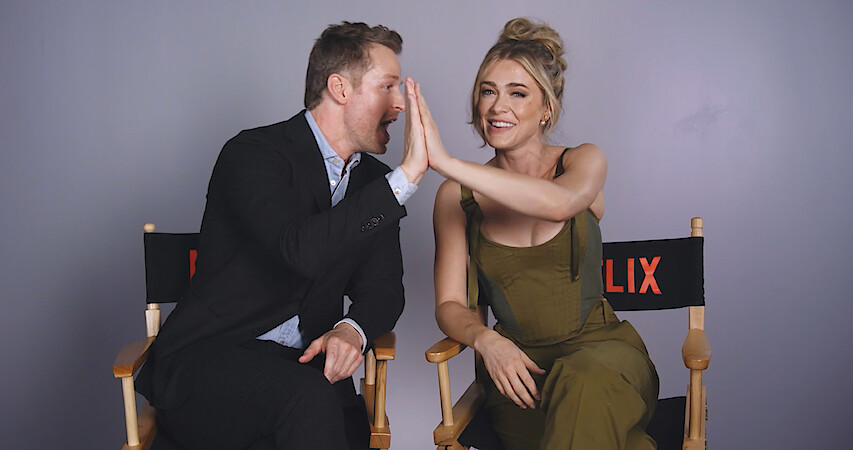
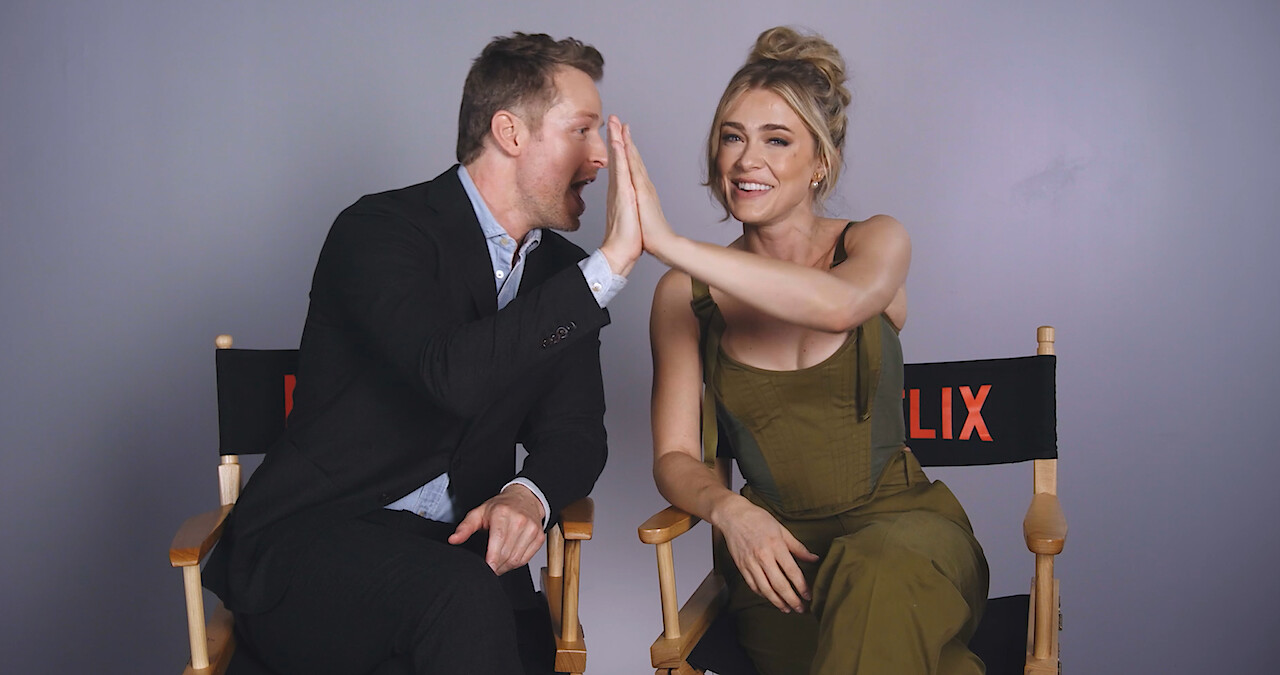
When Josh Dallas stepped behind the camera to make his directorial debut in Manifest Season 4, he had one fan instantly in his corner: co-star (and on-screen sister) Melissa Roxburgh.
“I knew he was gonna nail it,” Roxburgh tells Tudum. “He's been in the industry for so long, so he's been on enough sets to know just the cadence of how to work with everyone. And he’s an artist. He loves theater, movies and music. And to have an artist on the other side of the camera — he just had so much fun. And it’s fun being directed by someone having fun. He’s just got such an amazing energy on set, so everyone really had an awesome time working with him.”
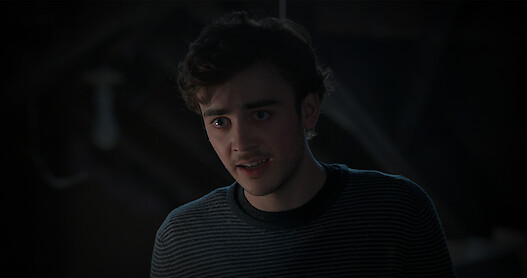
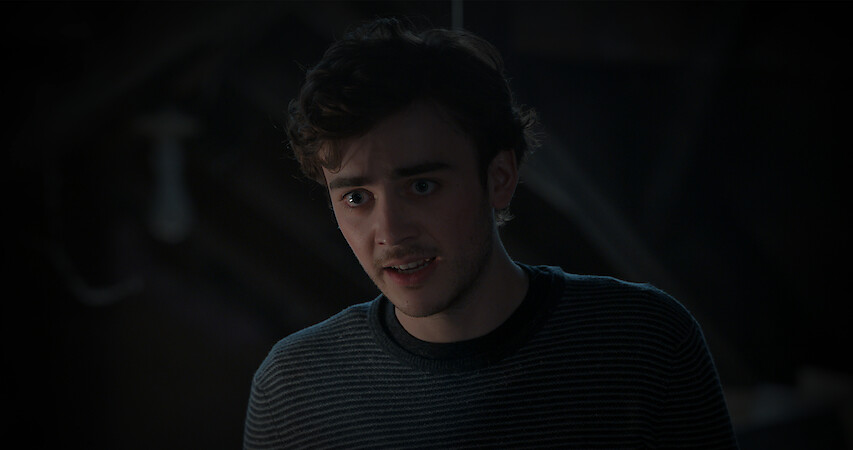
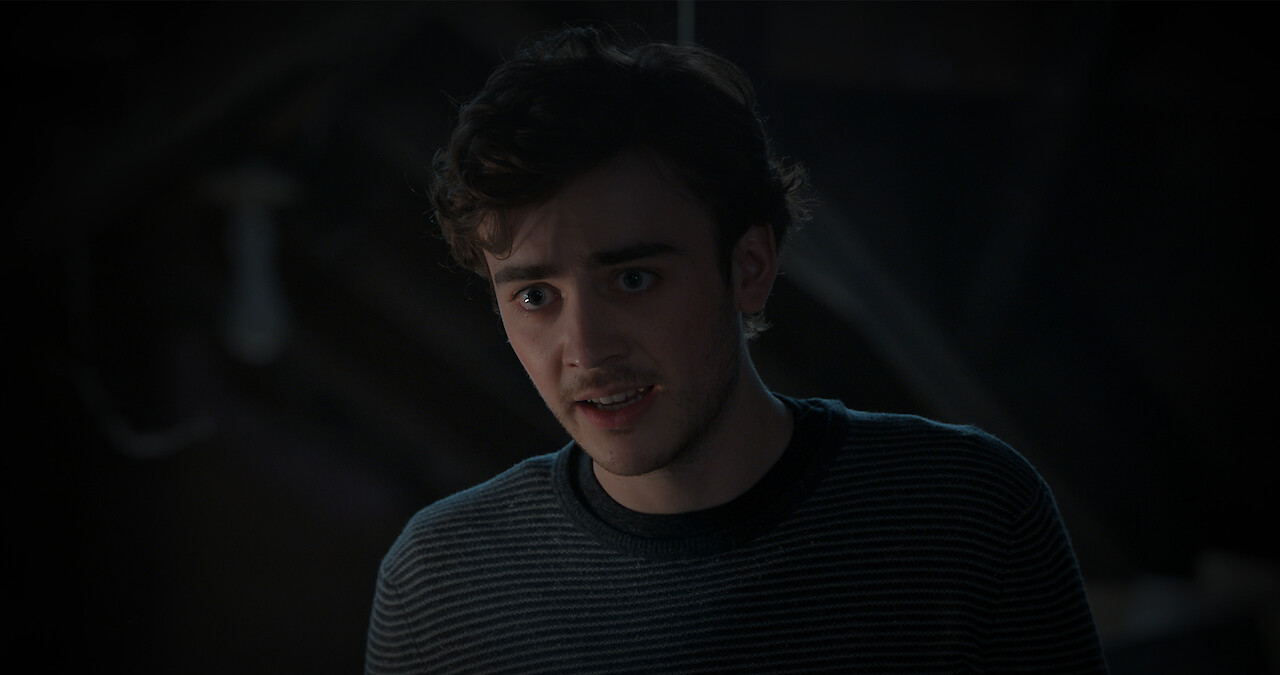
While Dallas was taking a big step off-screen, his character, Ben, kicks off the season in a slump — grieving for his wife, Grace (Athena Karkanis), who was killed at the end of Season 3, and desperately trying to find his kidnapped daughter.
Here, the actor talks through his big season.
Peter Kramer/Netflix
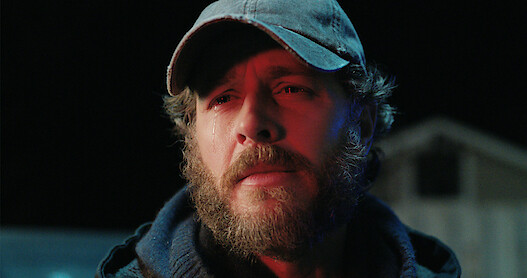
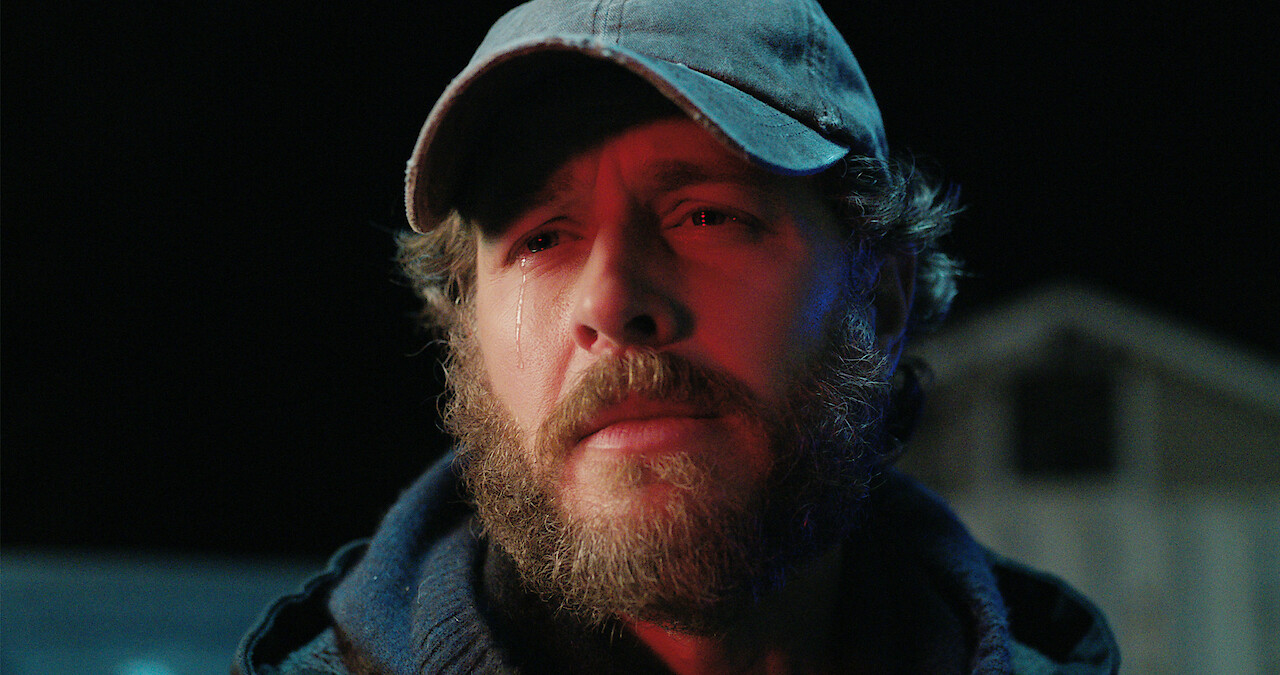
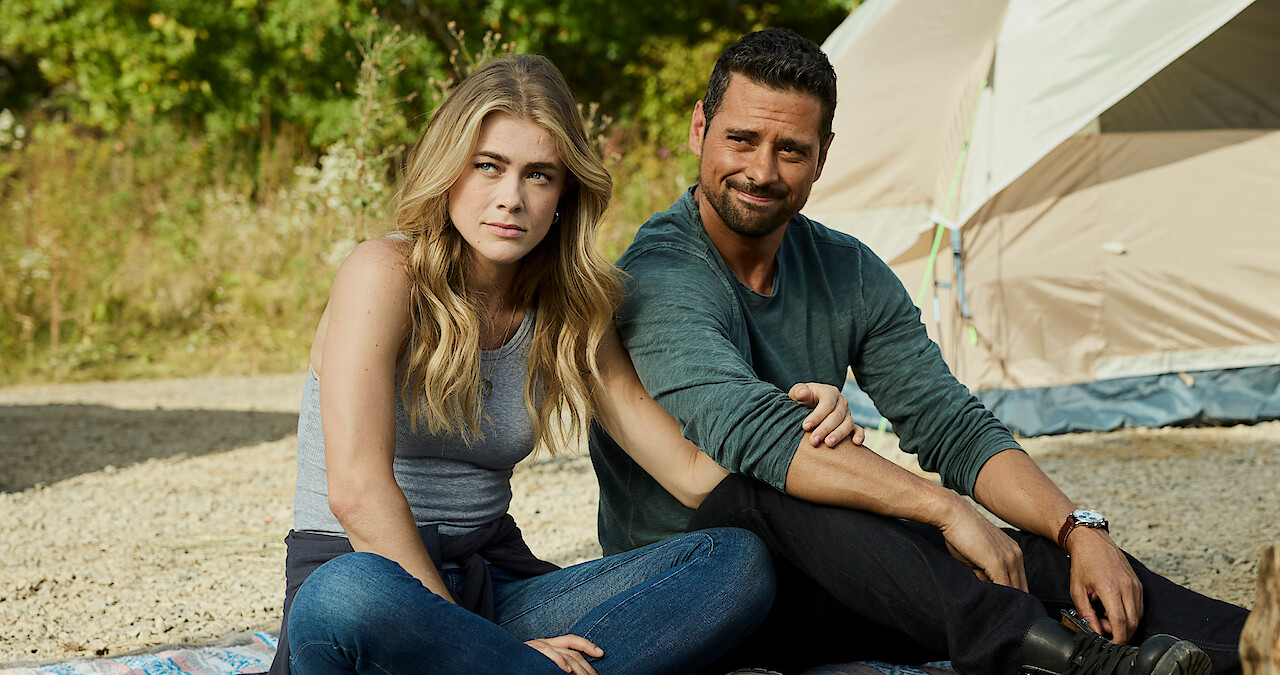
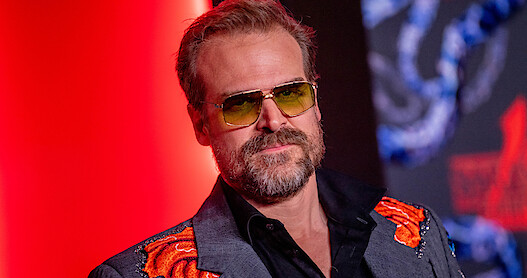
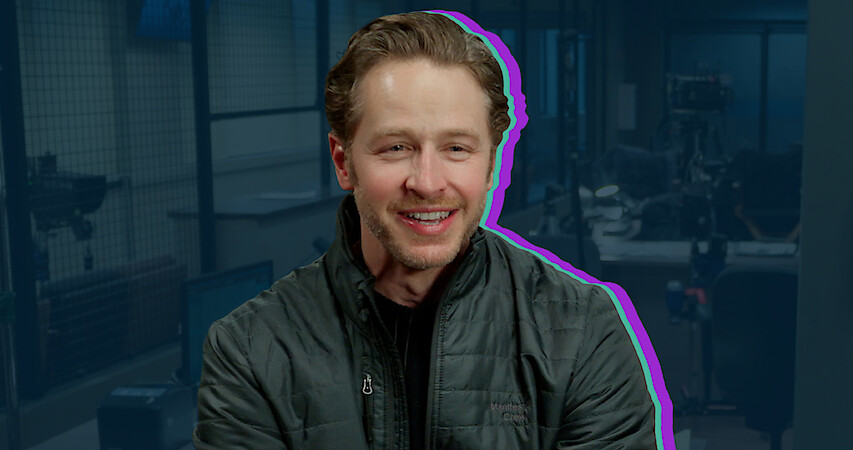
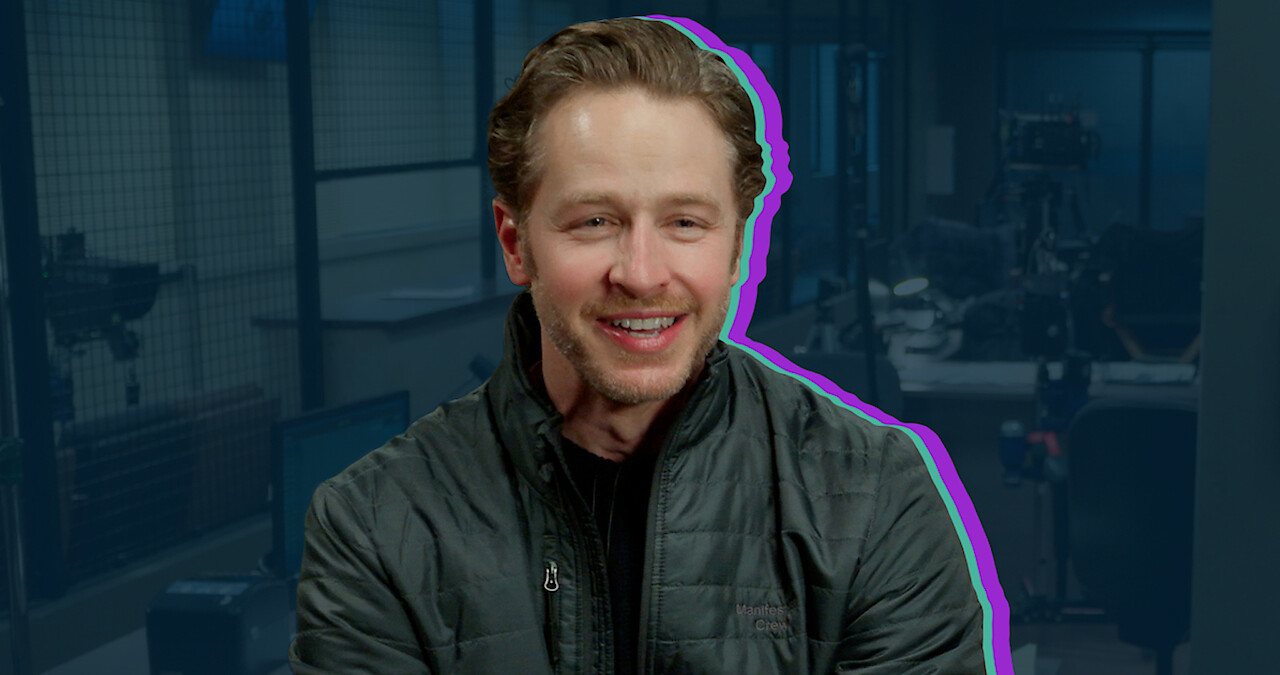
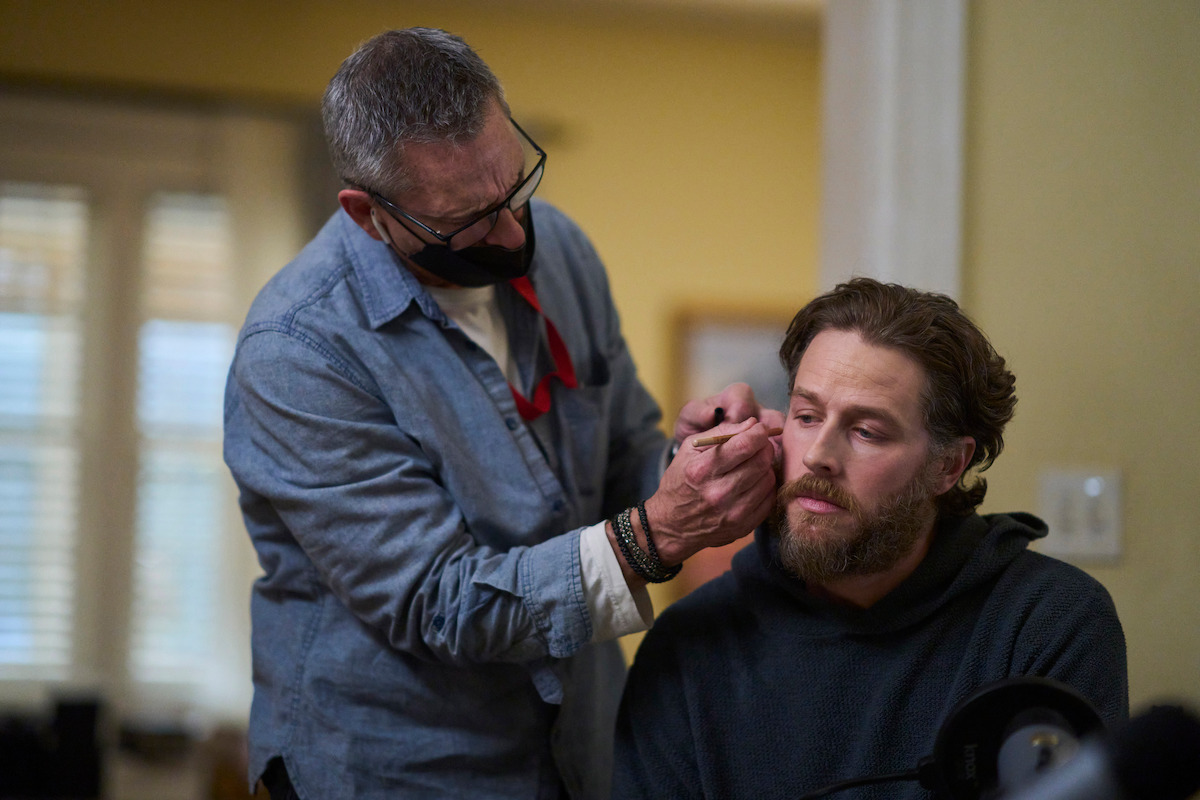
Perfecting Ben’s “grief beard.”
Ben starts off the season with a new look. How did you land on him having a beard when the show picks up two years later?
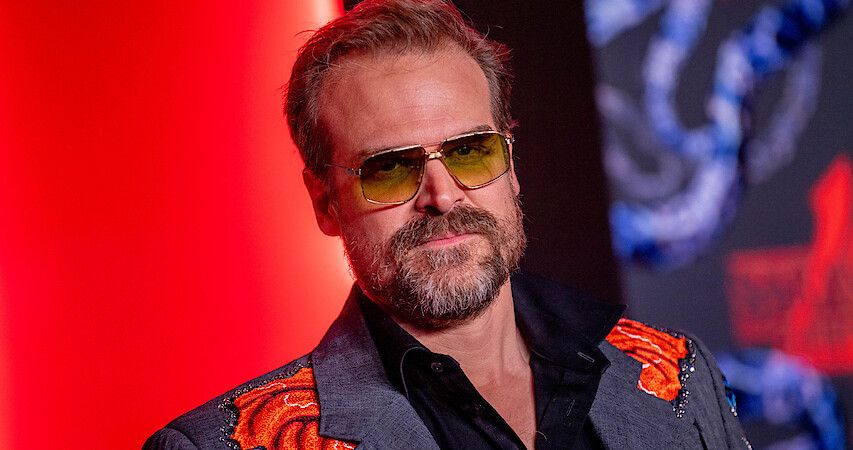
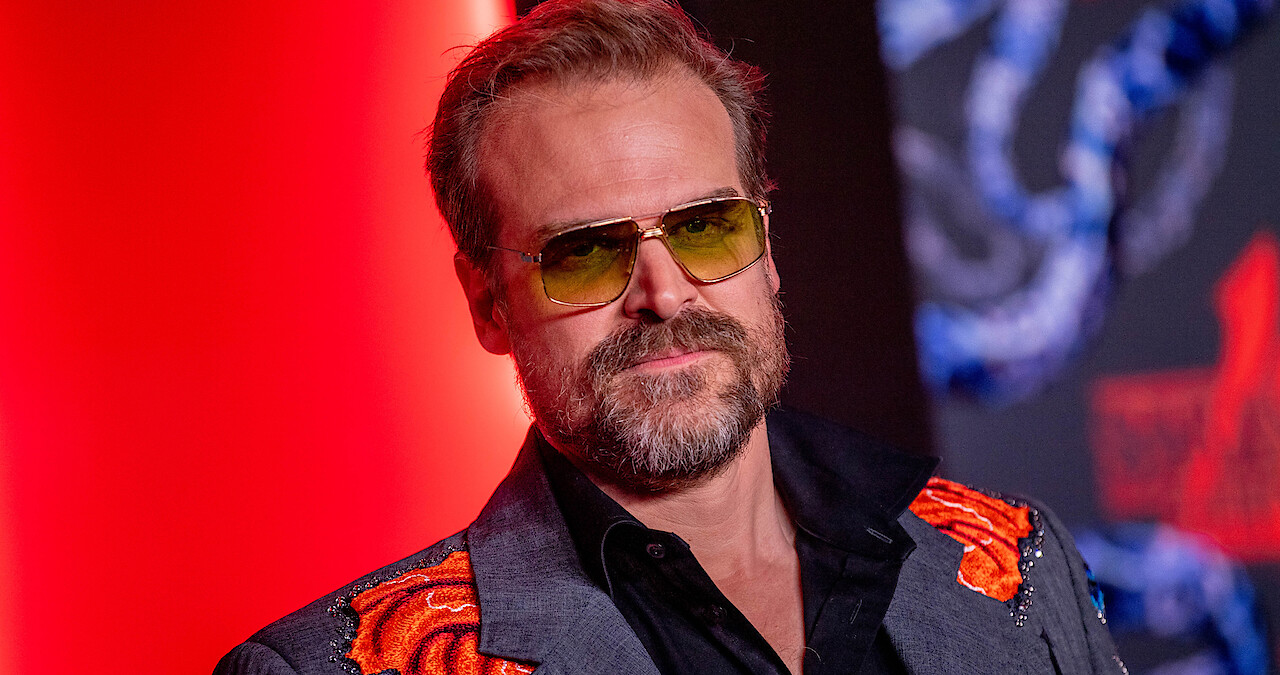
We jokingly call it Ben's “grief beard,” but it was actually Josh’s grief beard to start off — when we got canceled at the end of Season 3, I started growing it. And then, of course, Netflix came in and picked us up for this last supersized season. [Manifest creator] Jeff [Rake] and I were talking and because of where we were going to take the story, we were like, this beard is going to be perfect, so keep growing it. It was a good way to physically show where he is, and where his state of mind is, at the beginning of Season 4. He’s given up his razor.
How did that bleed into the rest of Ben’s look?
Jeff and I talked about it, and about his state of mind. I talked to the costume designer about how we wanted to show that and the best way to show that. Because he really has given up. He’s questioning everything around him. Not only the “callings,” because as far as he’s concerned, the callings have given him nothing. They’ve only taken from him. His wife was murdered. His daughter was kidnapped. The life that he was going to have with his son has now been accelerated, and he is now the age that he should be. So he’s missed out on that.
And he’s also questioning God and the universe and his own goodness versus his own evilness. And whether Adrian was right about him and the passengers. Maybe they really are agents of the apocalypse and maybe they are bringing all of this to everyone. So he’s in a profound depth of anger and grief. What anger does is it refuses to leave and then likes to stick around. It robs you of your beauty. It makes you hurt the people that love you most.
Ben does a fair bit of that in the beginning of Season 4. He pushes them away and he solely focuses on finding Eden, even though the rest of his family and loved ones want him to move on for his own mental health. But he can’t. He felt something. I think he doesn’t want to let go of his grief, because he’s afraid that if he does, he’ll lose Grace in some kind of way. He’ll lose every connection to her.
Peter Kramer/Netflix
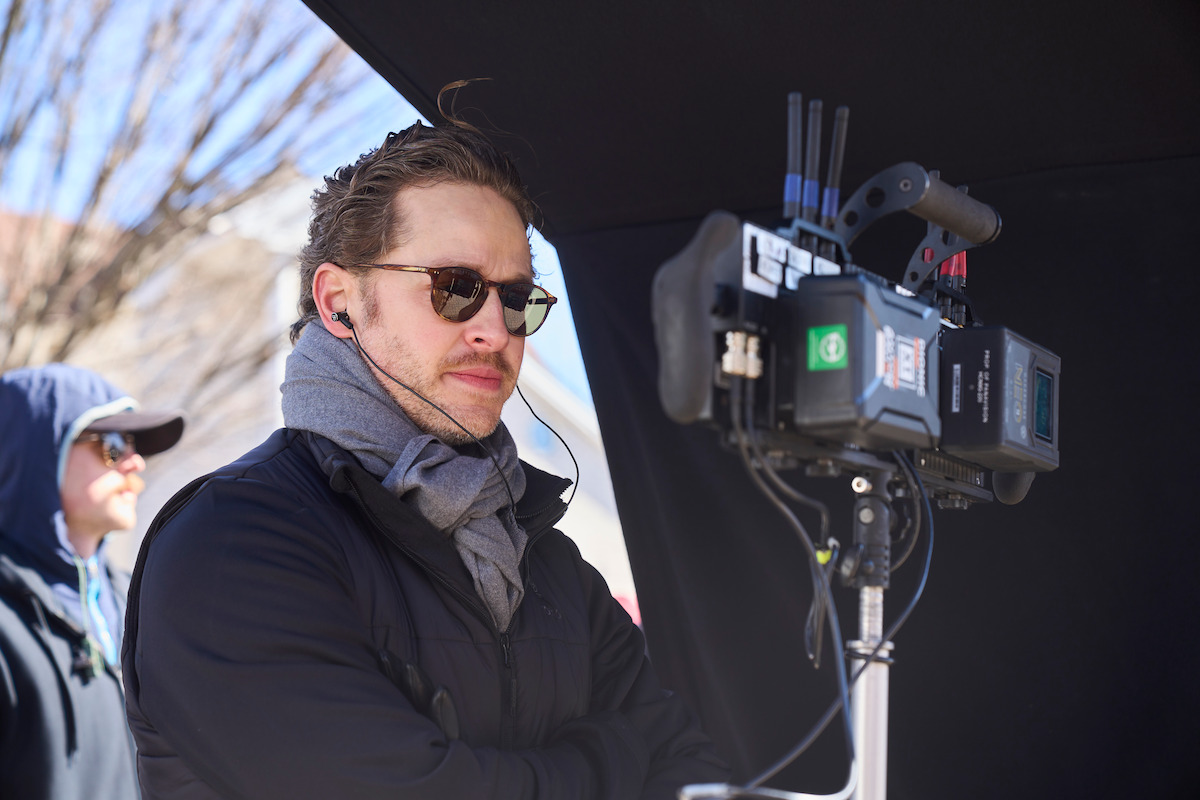
Dallas directing “Romeo.”
Off-screen, you made your directorial debut this season. When did you first become interested in stepping behind the camera?
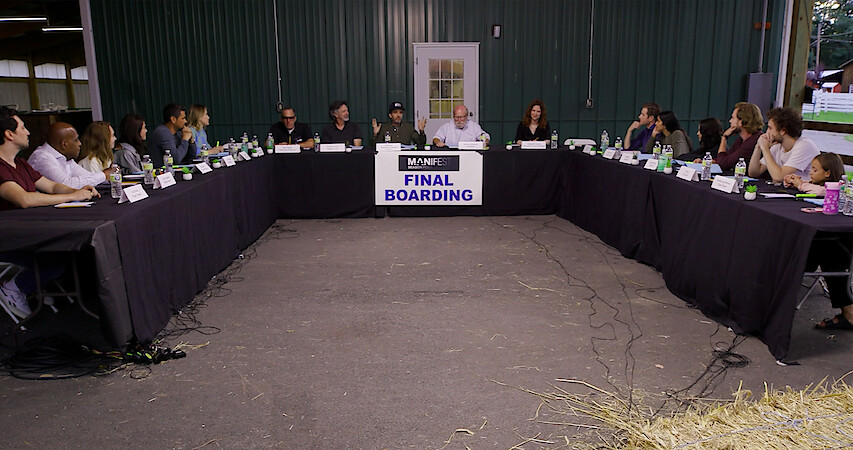
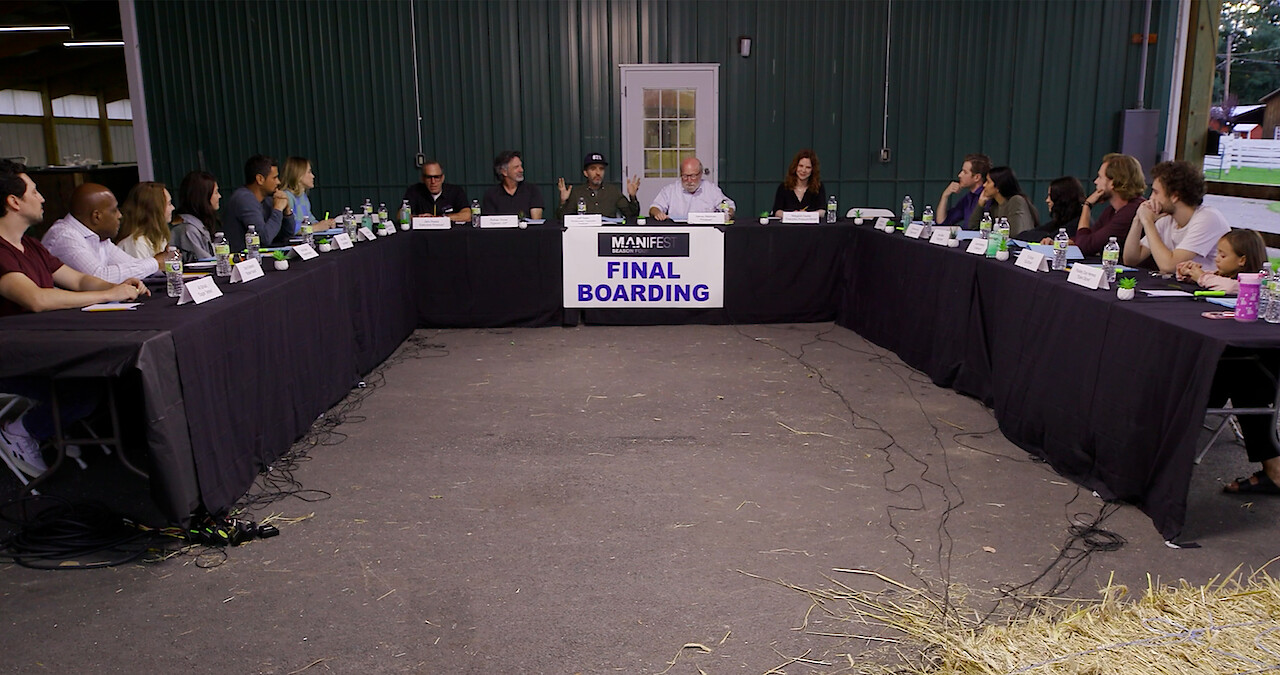
I’ve been talking to Jeff since Season 1 about directing an episode. I’ve been wanting to do it for a long, long time, and I was just so grateful that I got the opportunity. We were going to do it in Season 3, but because of COVID and the new protocols, none of us knew what we were going into… or how we were going to shoot anything in this new world that we find ourselves in.
Thankfully, we were renewed to come back for Season 4 and there was this opportunity for me to direct. As an actor, your view of things can sometimes be very singular, and you interact with only a certain, finite amount of people, but as the director you get to hang out with the whole pride. And that was the best part of it for me: that I got this 360-degree view of a story that is so important and meaningful to me. I was just so lucky and grateful that I got to contribute in that way.
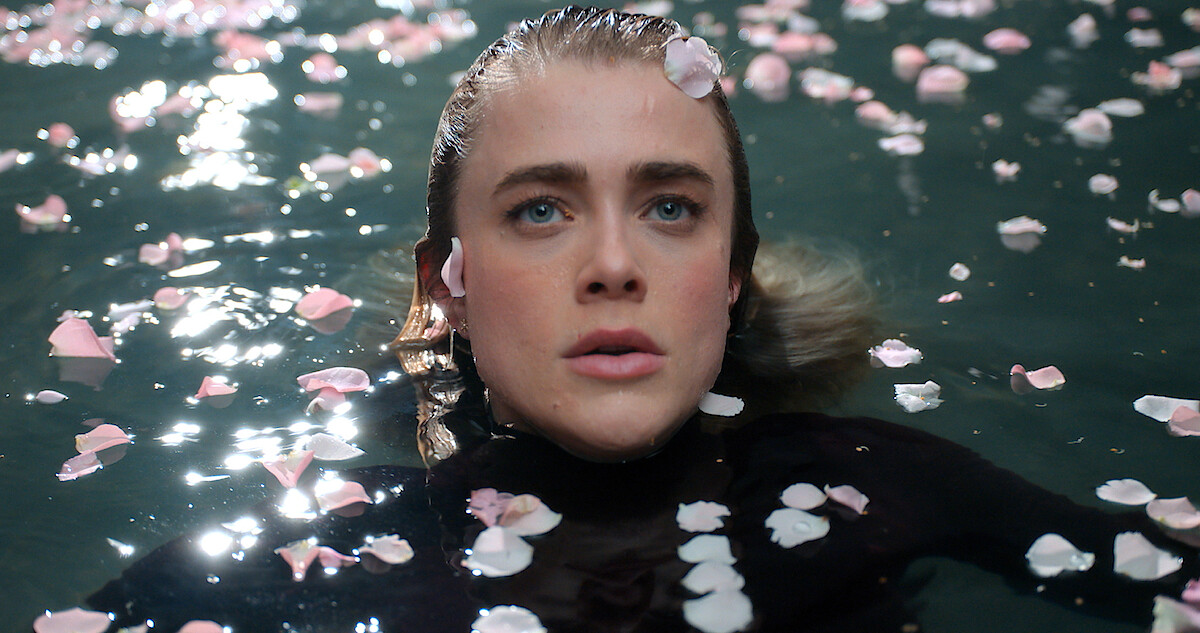
[It’s] an episode that I think is unique within the Manifest canon, because we were able to step out of time for a moment. We have the story with Cal, and I always viewed it that he was able to have a life for this short amount of time — he was able to forget everything. He’s able to forget about the callings, he was able to forget about his mom, he was able to forget about this burden that has been given to him. And he was just able to live and be present. When you think about it, when he was a kid he was battling cancer, and then they disappeared in this [plane] and this unimaginable thing happened to them. But he got this one moment, and I was just so happy that I got to help tell that story and help shape it and craft it. I’m really proud of the episode; I hope everybody responds to it and likes it.
Given the different feel of the hour, was it a discussion with Jeff about which episode felt right for your debut? Or did you find out when you read the script?
He gave me no heads-up about it at all, but it was there in the script. It still has all those classic elements of a Manifest episode with the mythology pushing the B-story. But we really had this moment with Cal, this moment out of time, that I really fell in love with, and [I] fell in love with that opportunity to give Cal that story.
I don’t know if Jeff intended it to be like that, but certainly that’s how I took it, and ran with it. He was very happy with the episode, so I think it was the right way to go.
But, man, I had such a great time and I can’t wait to do it again. I knew more than I thought I knew. But I learned so much and have so much more to learn. I was thrilled with that script, and the actors made me look so good because they’re all so good and they made me look like I knew what I was doing.
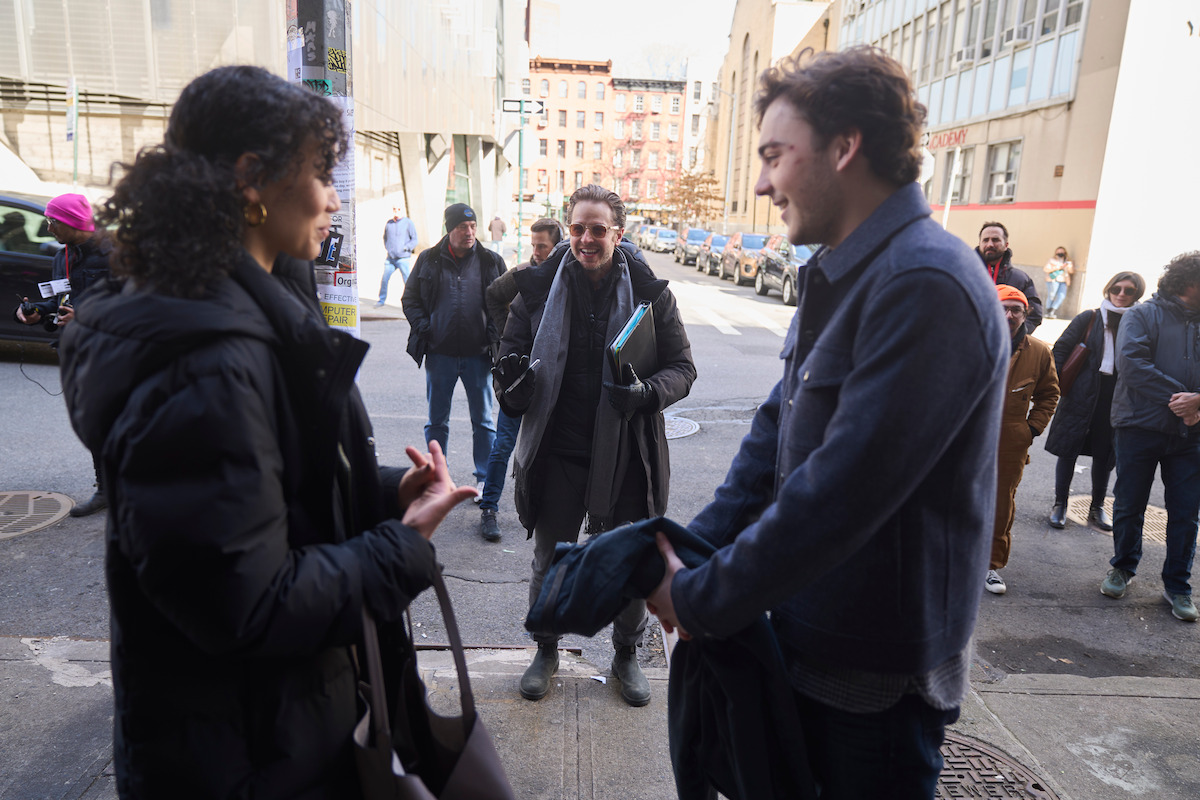
Peter Kramer/Netflix
Dallas directing Sarah Marie Rodriguez (Violet) and Ty Doran (Cal).
Looking back, what was the most challenging part of directing?
I mean, the most challenging part that I didn’t realize was just location scouting [laughs]. It’s a joy to do that and be able to think in your imagination where you want a scene set and how you want to shoot it. But then it’s the logistics of organizing locations. And we go into the city of New York; it’s the first time we see it. And I had several scenes in the city. So you know, you have to learn how to bundle locations so they’re close enough to each other so you’re not doing these big moves of the crew and trucks and everything. That was the biggest challenge that I didn’t expect or even know about, but I learned. And thoroughly enjoyed it.
And what was the most unexpected joy you got from the experience?
I always think that we all got into the business of storytelling at some point in our lives, because we find our tribe of people. And the most unexpected joy was that, as the director, you get to work with the whole tribe of weirdos. I love that the most. And the fact that I can have an idea in my head of how I wanted something to be or how I envisioned something, and then I can communicate that to this group of creatives, to this group of artists and craftsmen. And they can make it either exactly how I saw it, or they made it better. That was extraordinary. I just don’t know any other art form, apart from maybe an orchestra, that works in such a collaborative way, with so many different kinds of people that specialize in something very, very specific. That was just the greatest experience for me.
Season 4 of Manifest premieres on Nov. 4.