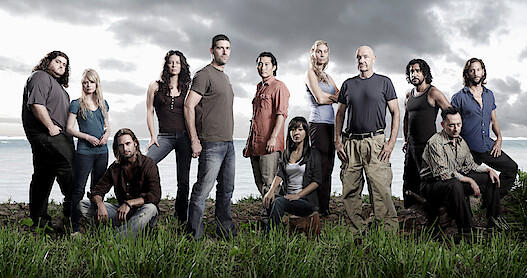
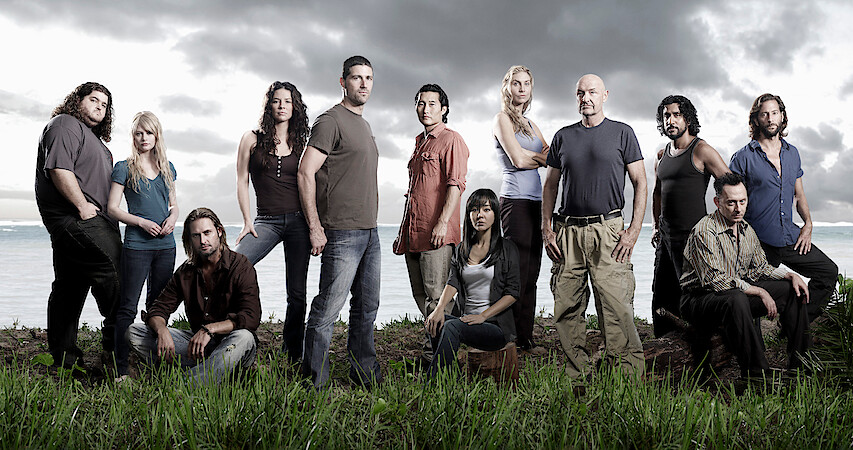
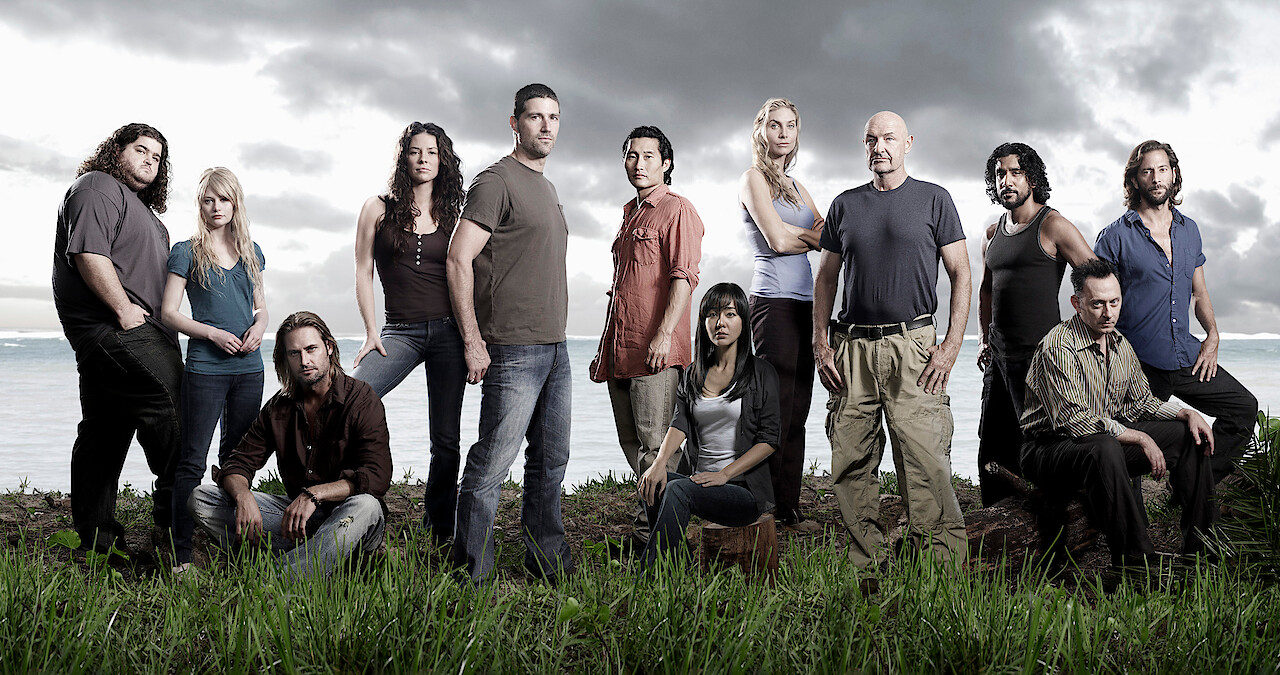
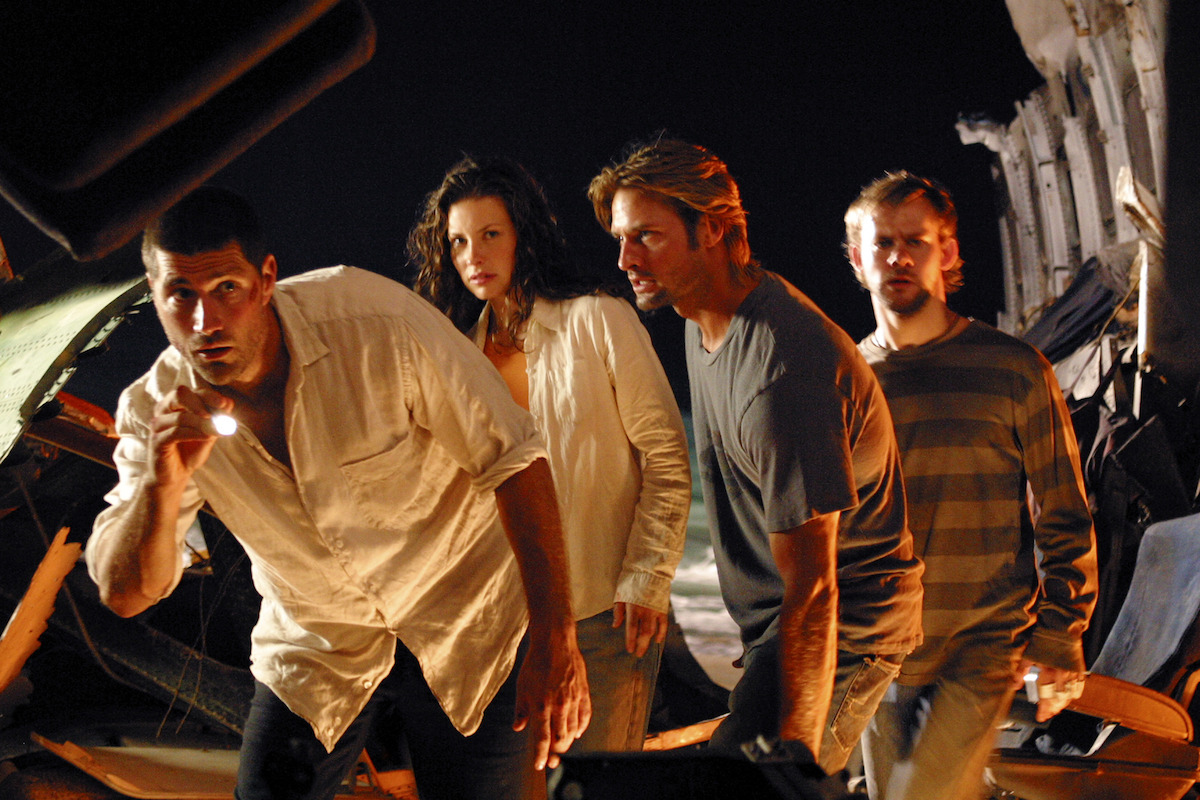
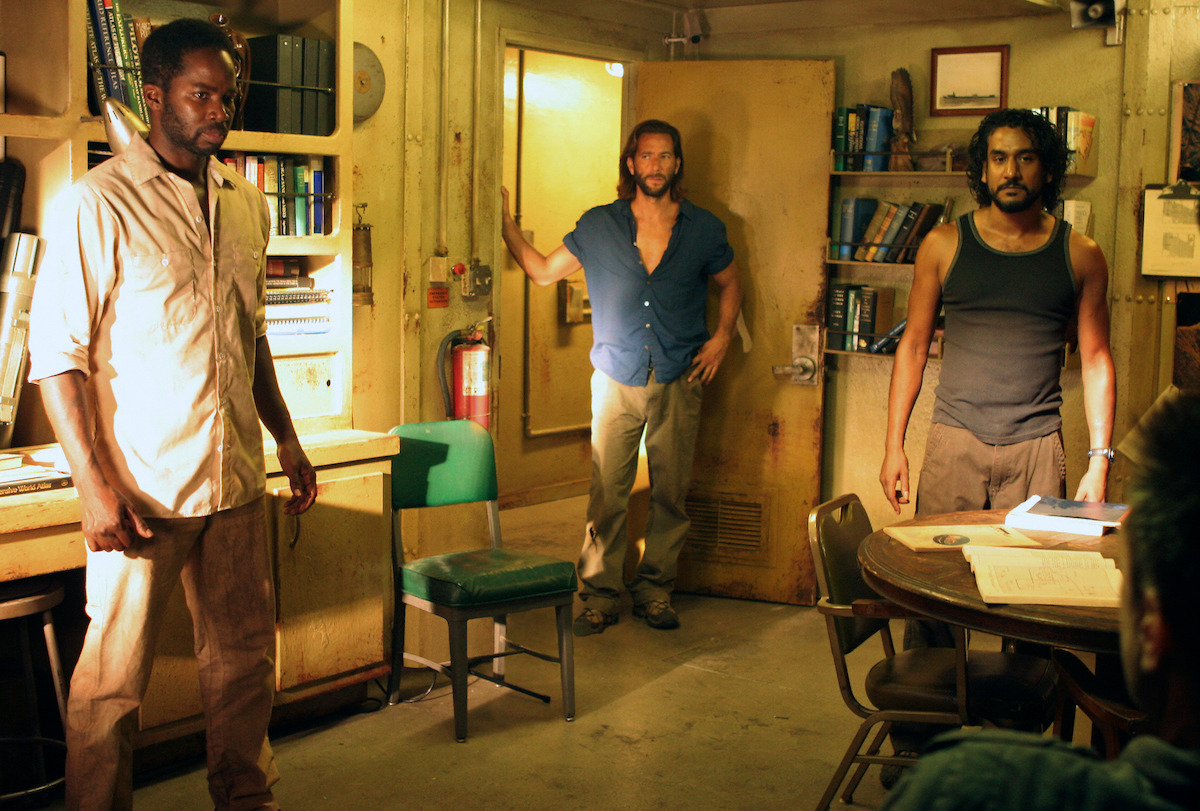
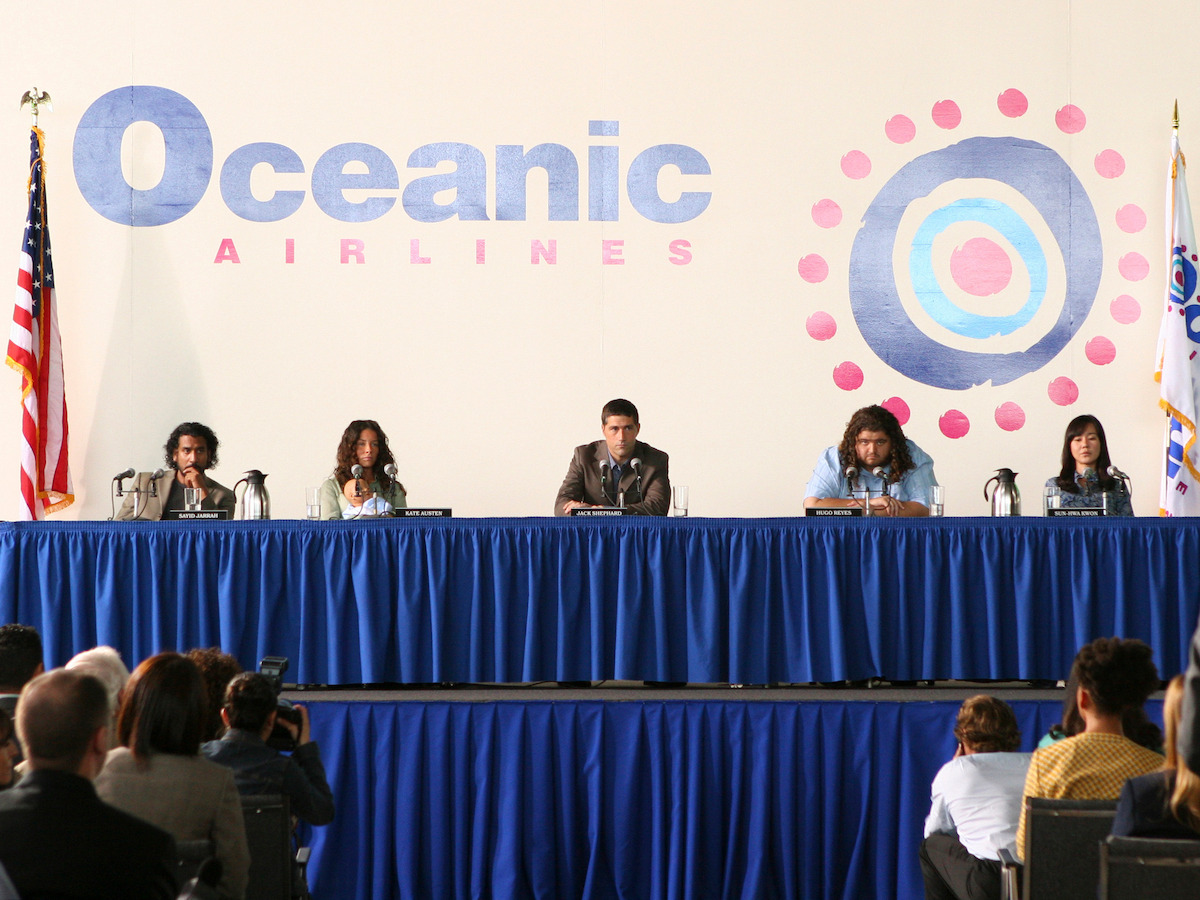
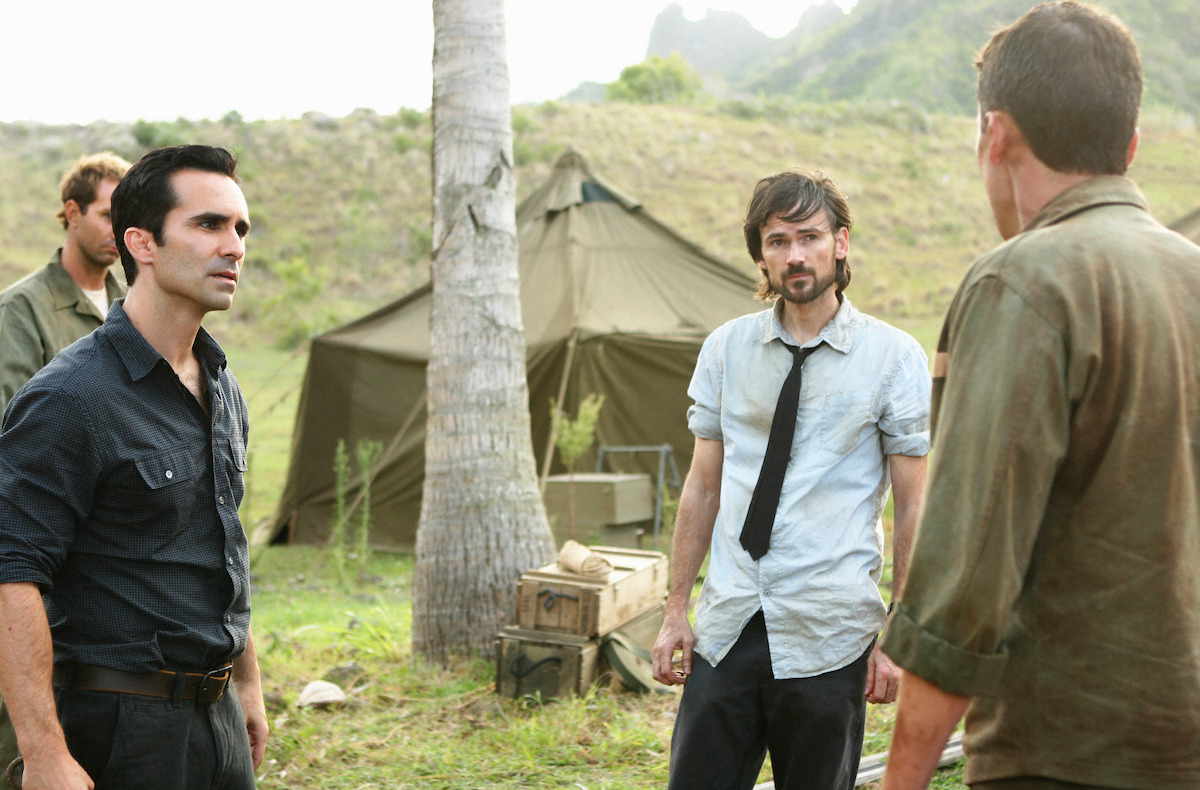
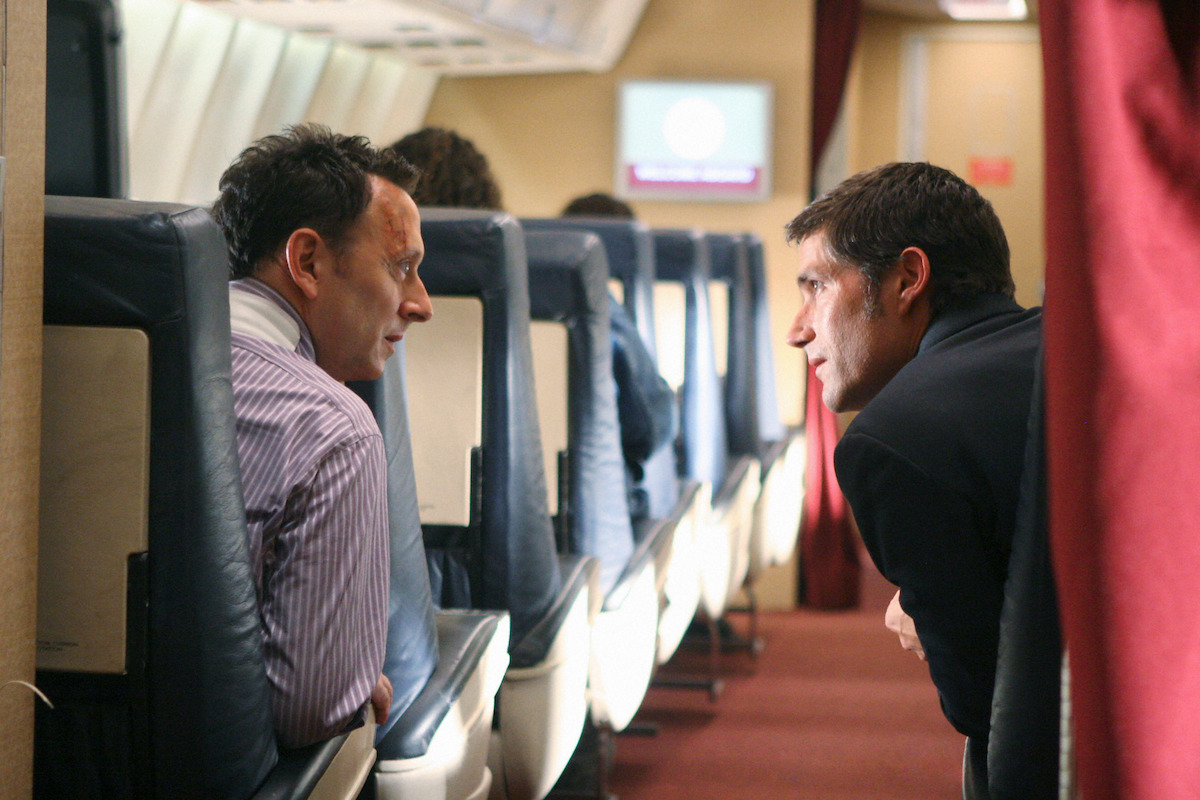
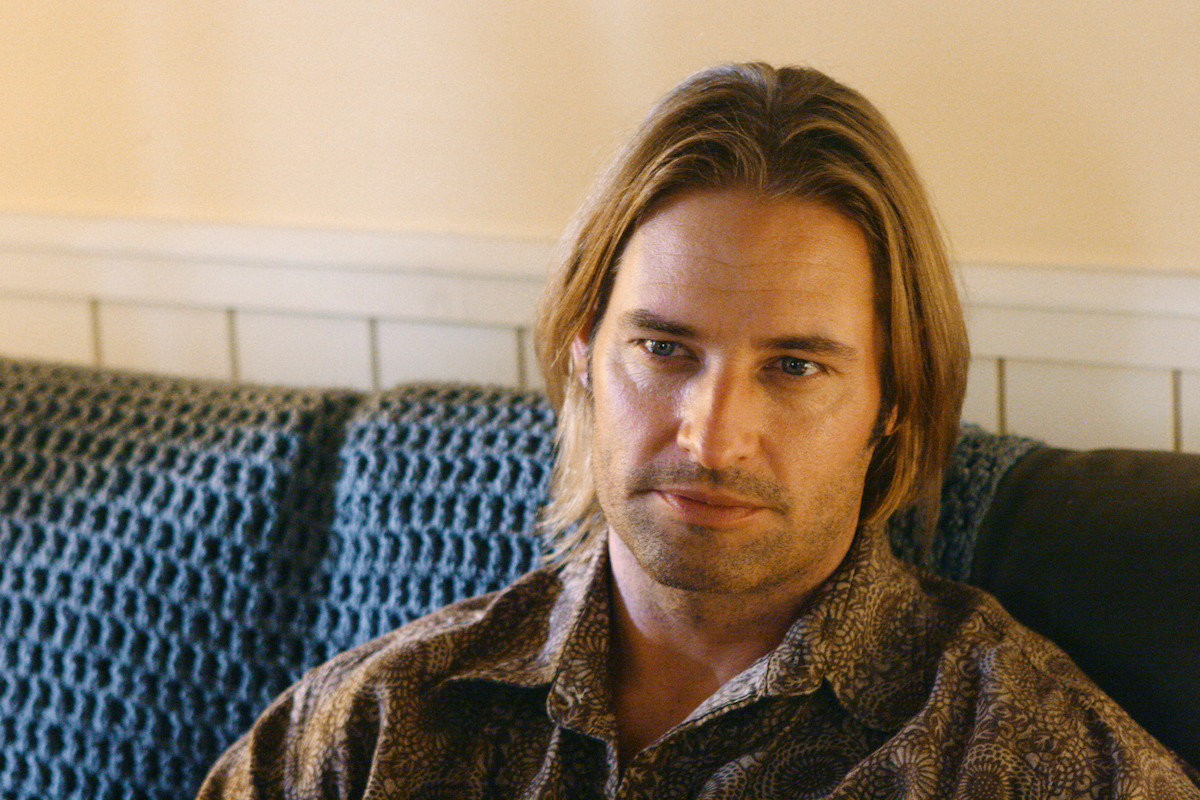
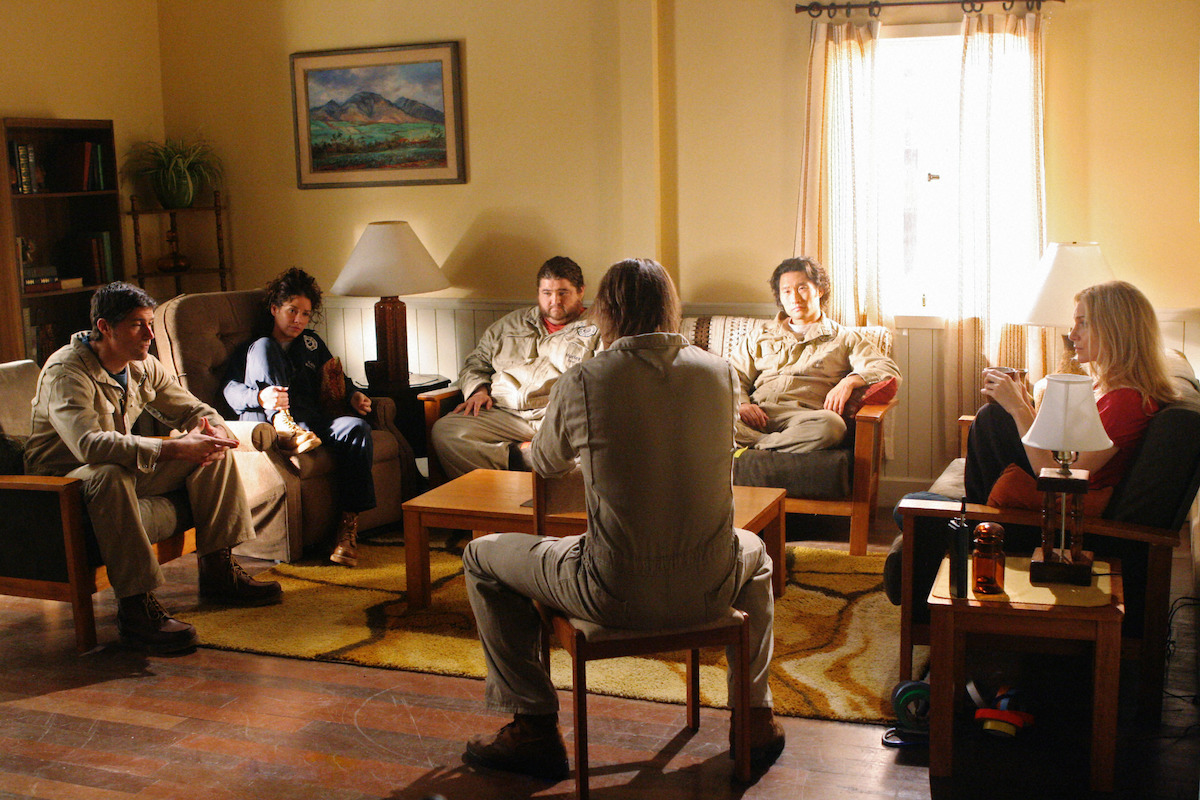
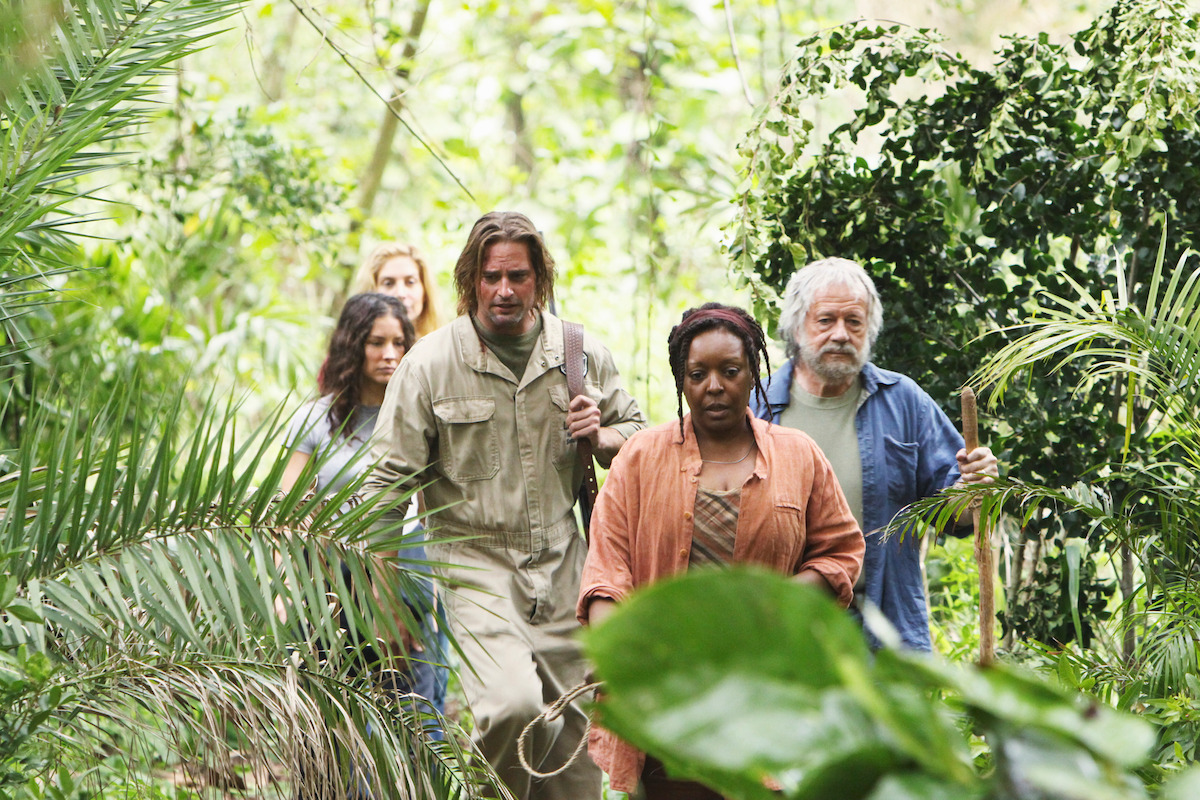
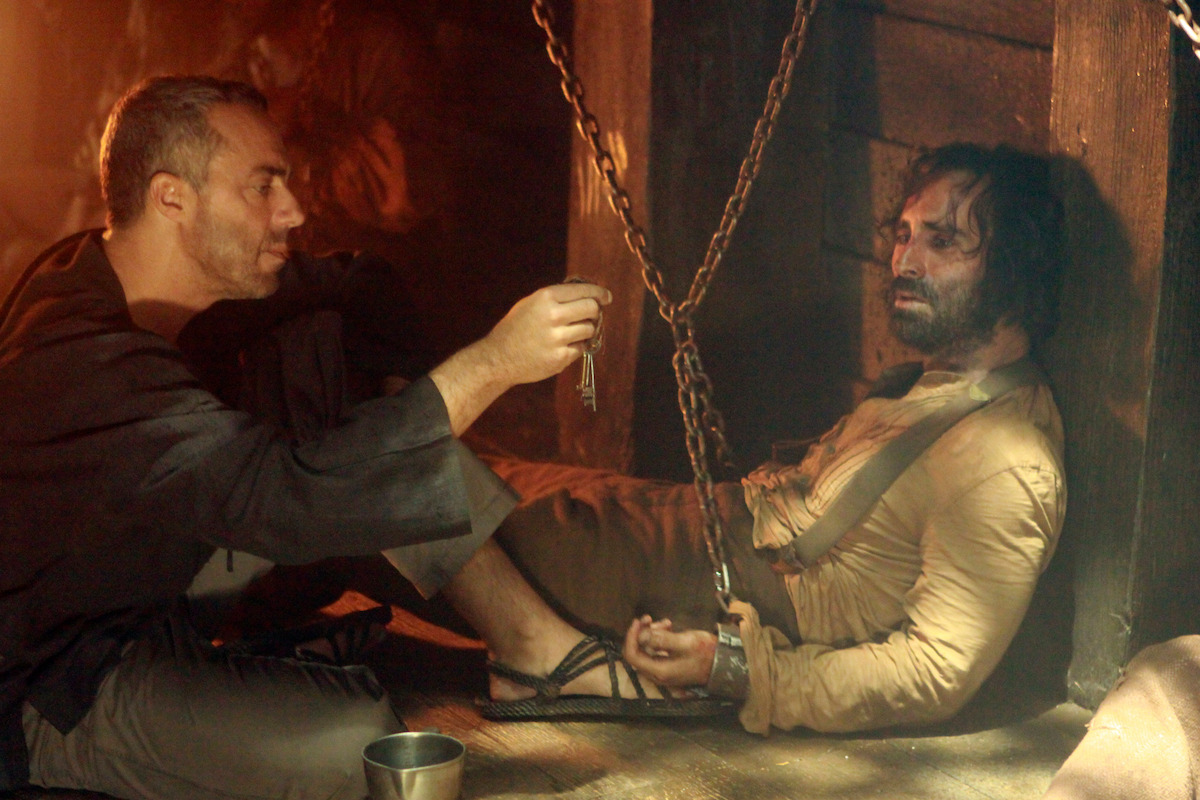
A plane crashes on an island in the Pacific that might have a magical mind of its own. As an eclectic group of survivors wait for rescue, they must fend off many bizarre dangers — a rabid polar bear, a monster made of black smoke, a tribe of child-snatchers. Eventually, many of these castaways will escape this strange place, but not before becoming embroiled in a battle between good and evil that threatens to destroy the world.
Such is Lost, a groundbreaking sci-fi/fantasy saga that paved the way for epic TV like Game of Thrones and Stranger Things and is now streaming on Netflix in the US, ready to captivate a new generation of fans. Up until its debut 20 years ago this fall on ABC, big broadcast networks were generally wary of Geek TV. Despite (or maybe because of) exceptions like The X-Files, which slow-burned its way to becoming a pop phenomenon, and Buffy the Vampire Slayer, a critic’s darling with narrow YA appeal, sci-fi/fantasy was considered too niche at the time for networks seeking big tent, adult-demo smashes.
Yet by 2004, the buzzy success of risk-taking cable dramas like The Sopranos signaled that audiences were hungry for more adventurous amusements. Many of them were also excited to see the next big thing to come from the fertile mind of J.J. Abrams, who had vaulted to celebrity showrunner status with the addictively audacious spy-fi serial Alias. Lost was an instant sensation, launched by one the greatest pilots ever made, directed by Abrams and written with co-creator Damon Lindelof, a two-part action-packed thriller shot with cinematic panache that effortlessly introduced a wide range of characters and many, many intriguing questions. What — or who — is the smoke monster? Why are there polar bears on a tropical island? Guys … where are we?!
If you’re taking the Lost ride for the first time, brace yourself: It’ll take a while to arrive at the answers to those questions, and even then, the resolutions are often steeped in ambiguity and open to interpretation. It’s important to remember that Lost was made at a time when 22-episode seasons were the standard for broadcast network dramas. The creators knew from the start they would have to find ways to keep Lost watchable while keeping the core mysteries mysterious, as resolving them would end the show. Meeting these challenges led to some novel solutions, none more vital than turning episodes into showcases for the main characters, each of them flashback-rich spotlights that told ongoing stories about their pre-castaway lives and offered insights into their island plight. In this way, Lost transcended its genre trappings to be a humanist drama with deep dives into themes of grief and guilt, faith, and hope.
Still, by Season 3, Lost began to show signs that the saga needed to move into its endgame. And so, Lindelof and co-showrunner Carlton Cuse negotiated a deal with ABC that was unprecedented for broadcast television: an agreement to do fewer episodes each season and conclude the series with Season 6. The arrangement might be Lost’s most significant contribution to the development of the current TV landscape, where shorter seasons and limited series are now the norm.
For a show that was very much a product of the early 2000s, Lost remains surprisingly relevant. The island setting is stripped of cultural signifiers, and the cinematic production values give Lost a timeless quality. And the depiction of the castaways as an allegory for a diverse society aspiring to collective survival and mutual respect –– yet riven with ideological conflict, personal grievances, deep suspicion about their leaders, and total confusion about how to move forward –– couldn’t be more timely.
It’s also a show perfectly suited for streaming, given its highly serialized storytelling. Now viewers can enjoy it at their own pace, without the frustrations of repeats or epic waits between seasons. It’s never dull, and just when you think it’s reached a dead-end, it manages to escape into new dimensions with new characters, new mysteries, and even new narrative formats. I encourage newcomers to commit to the journey and watch every single episode.
Yet since surrendering yourself to Lost’s vast jungle of story risks feeling … well, totally lost, I also offer the following episode guide — not so much a compendium of Lost’s greatest hits, but rather a map that charts and tracks the core narrative that snakes through its six seasons.
The following contains major character or plot details.
Lost
Lost
Lost
Lost
Lost
Lost
Lost
Lost
Lost
Lost
Lost
Lost
Lost
Lost
Lost
Lost
Lost
Lost
Lost
Lost
Lost
Lost
Lost
Lost
Lost
Lost
Lost
Lost
Lost
Lost
Lost
Lost
Lost
Lost
Lost