Status Update
Raised Mormon, Elizabeth Smart Forges Her Own Path
“I don’t believe anything anyone sells me anymore.”
Jan. 23, 2026
When Elizabeth Smart was abducted in 2002, a seemingly picture-perfect life was shattered. The shocking kidnapping of the 14-year-old girl from her family home in one of Salt Lake City’s most upscale neighborhoods pierced the spirit of safety and fellowship within a tight-knit community centered around the Mormon Church.
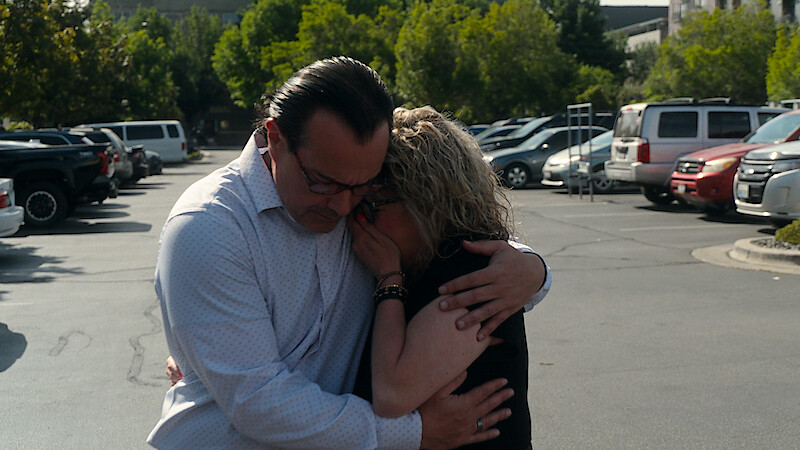
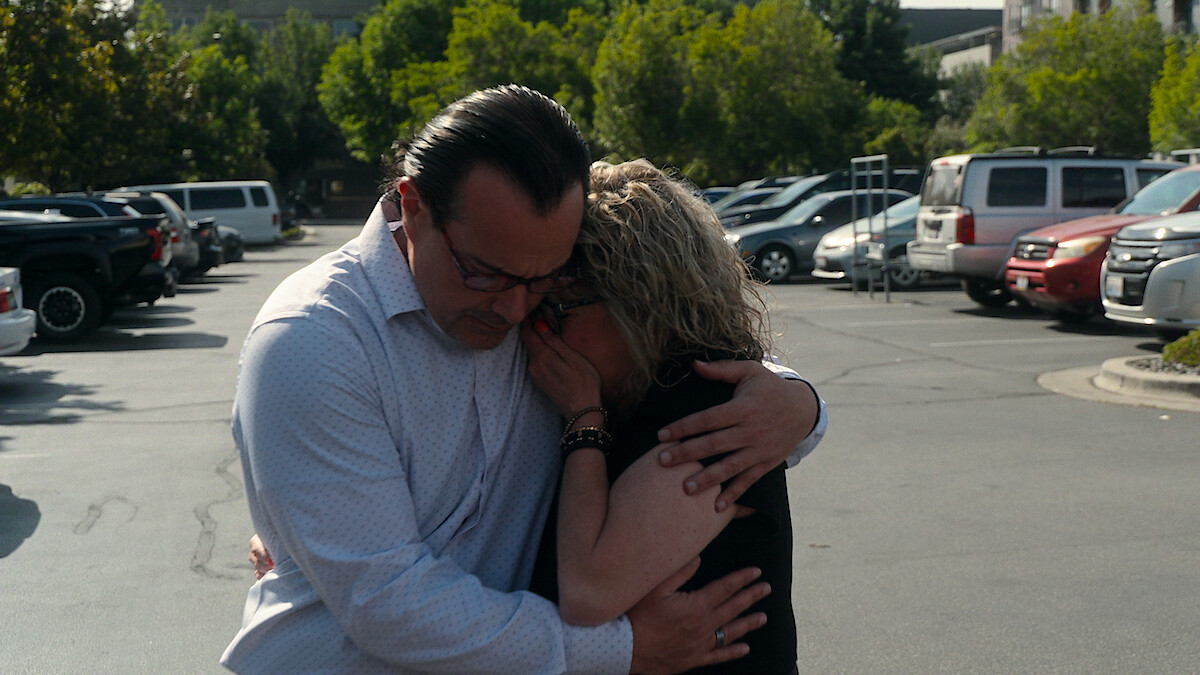
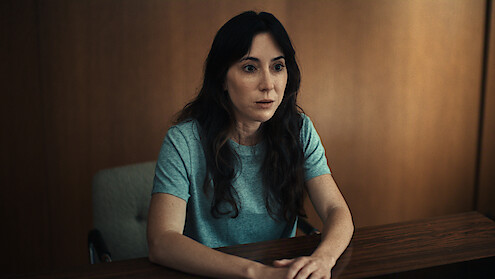
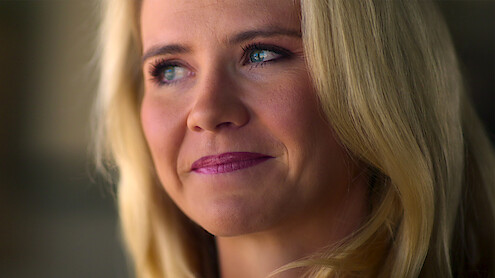
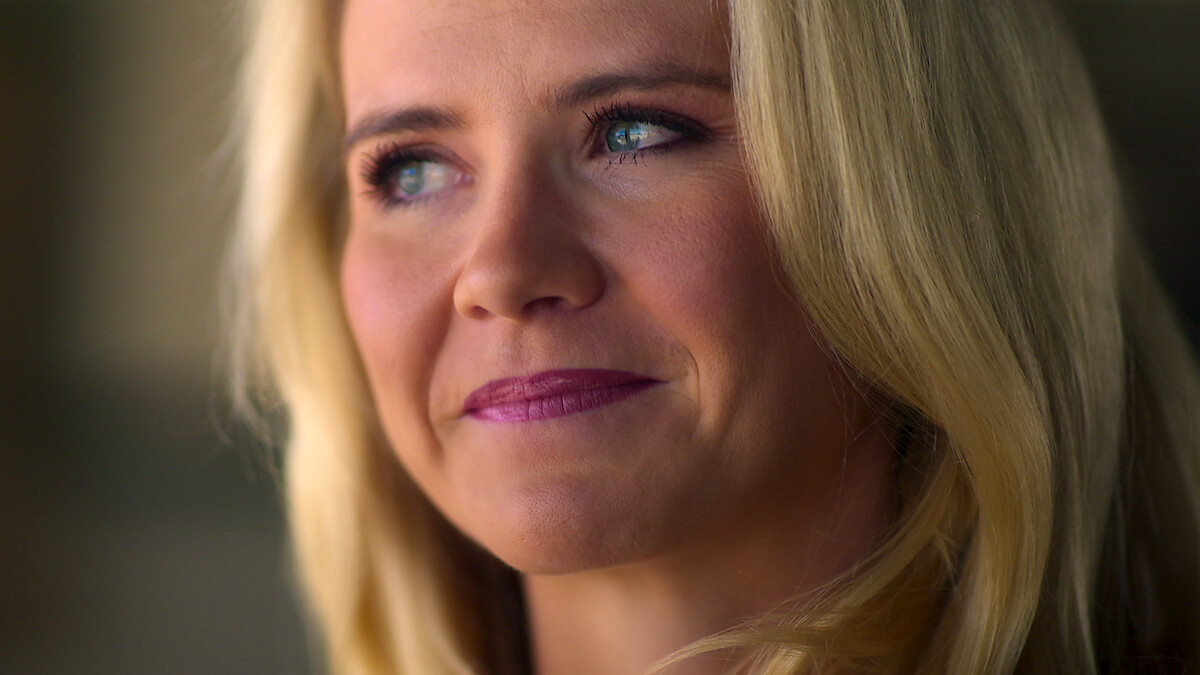
The new documentary Kidnapped: Elizabeth Smart revisits the notorious case from the moment of abduction, through nine harrowing months of sexual violence and abuse at the hands of Brian David Mitchell, abetted by his wife, Wanda Barzee, to Elizabeth’s ultimate rescue. The film features new interviews with those closest to the case, as well as new reflections from Elizabeth herself, who discusses how the trauma she endured forced her to reexamine the teachings she received as a child growing up in a religious household.
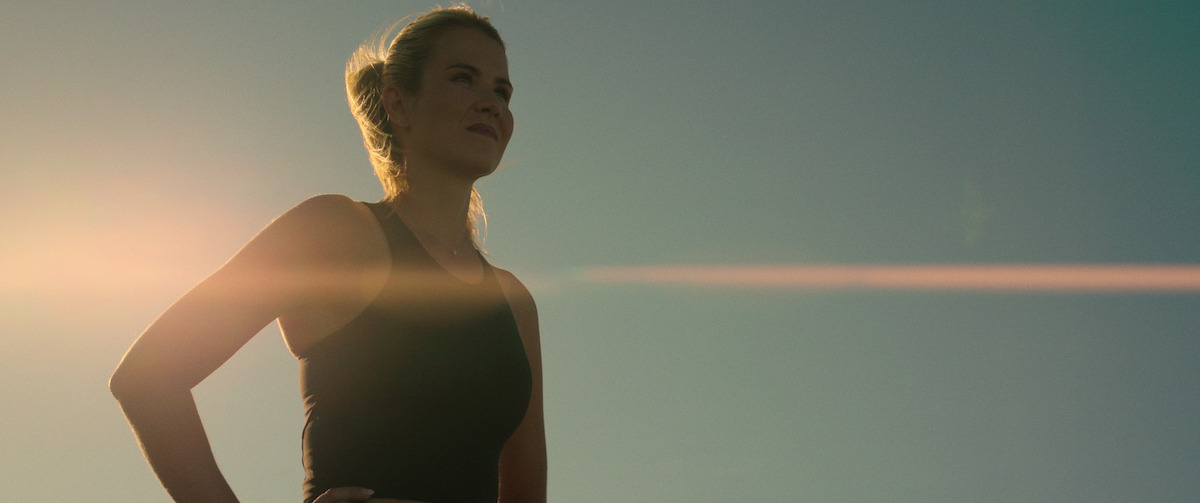
“I don’t know how many lessons I had on ‘don’t have sex before marriage,’ ” Elizabeth says in the documentary. “But no one had discussed with me the difference between consensual sex [and] intimacy versus rape. I felt a lot of shame, and I felt like I was filthy. I thought, ‘If my family knew what had happened to me, would they still want me back? Maybe it would be better if nobody ever found me.’ ”
She goes on to explain how an overwhelming sense of guilt and fear stuck with her following her eventual rescue.
“When I came back, I was scared of men. I was scared of a lot of things, and I still didn’t hear anyone speak about being raped or being abused. It was not a common conversation, so I felt a lot of shame and embarrassment around what happened, even though I knew it wasn’t my fault,” she says.
In an interview with Tudum, Elizabeth shares how that lingering silence left her feeling like an outsider.
“I felt very isolated, and I felt very alone,” she says.
In an episode of the Skip Intro podcast, Elizabeth recounts how even her post-rescue interviews were deeply re-traumatizing, especially because they were conducted by men with the sense of faith she’d grown up with — the same sense of faith her captor had warped to justify his cruelty.
“I was being interviewed by two middle-aged men who were both clearly religious … all of these ingredients made that situation just about unbearable for me. I’d just been kidnapped and raped by a middle-aged man using the guise of religion, and then these men are there — it felt like the same situation, and I was being backed into a corner yet again,” she tells host Krista Smith.

Now, as an adult, Elizabeth tells Tudum her experience fundamentally changed her relationship with her faith. The trauma she endured forced her to reevaluate what she’d been taught and to seek answers for herself.
“I have a lot of appreciation for many of the things that it taught me growing up,” she says of the Mormon Church. “But also, as an adult now, until I feel like I know for myself, I don’t believe anything anyone sells me anymore.”
Today, Elizabeth is determined to break the cycle of stigma, especially in the way she raises her own children. She prioritizes open conversations about empowerment and self-advocacy to avoid shame or secrecy.
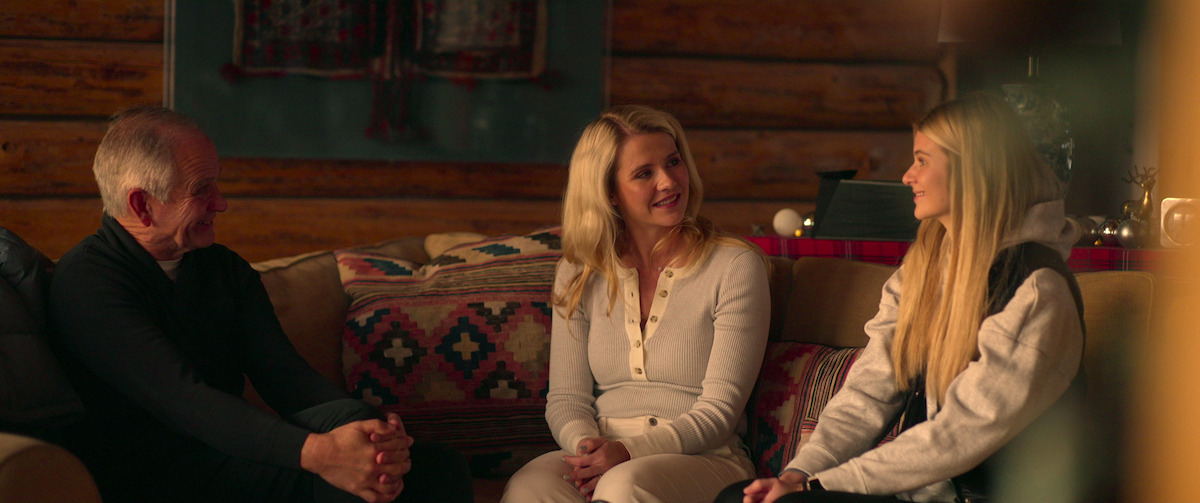
“It’s led to a lot of safety conversations and using the correct body part names and not associating guilt or shame with them,” she says.
She’s intentional about teaching her kids that their safety is her priority, that they have the right to their own agency, and that her support is unconditional.
“Making sure they understand that I will support them if they have to stand up for themselves, that it’s not wrong to fight back if someone is being inappropriate with them, and that I’ll back them up even if they get in trouble. If they protect themselves, I will always back them up,” she says.
Kidnapped: Elizabeth Smart is available to stream now.
If you or someone you know has experienced sexual abuse, information and resources are available at wannatalkaboutit.com.