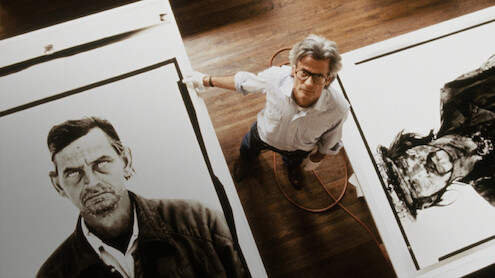
In 2018, a study from the Conference on Jewish Material Claims Against Germany reported that two-thirds of millennials don’t know what Auschwitz is. For filmmaker Joe Berlinger (Paradise Lost, The Ted Bundy Tapes, Metallica: Some Kind of Monster), this finding sparked a question: Are the atrocities committed during World War II by Hitler and the Third Reich being lost to modern memory?
“It shocks me the degree to which people are unaware of or have forgotten this history,” Berlinger told Netflix. “This is the right time to retell this story for a younger generation as a cautionary tale — and on a global scale.”
This is not the first time commentators have warned against the danger of forgetting the lessons of the Holocaust. A similar “wave of amnesia” had been noted in America leading up to the 1960 publication of The Rise and Fall of the Third Reich, journalist William L. Shirer’s 1,250-page history of Hitler and his regime; the book sold millions of copies worldwide, won a National Book Award, and has never been out of print since.
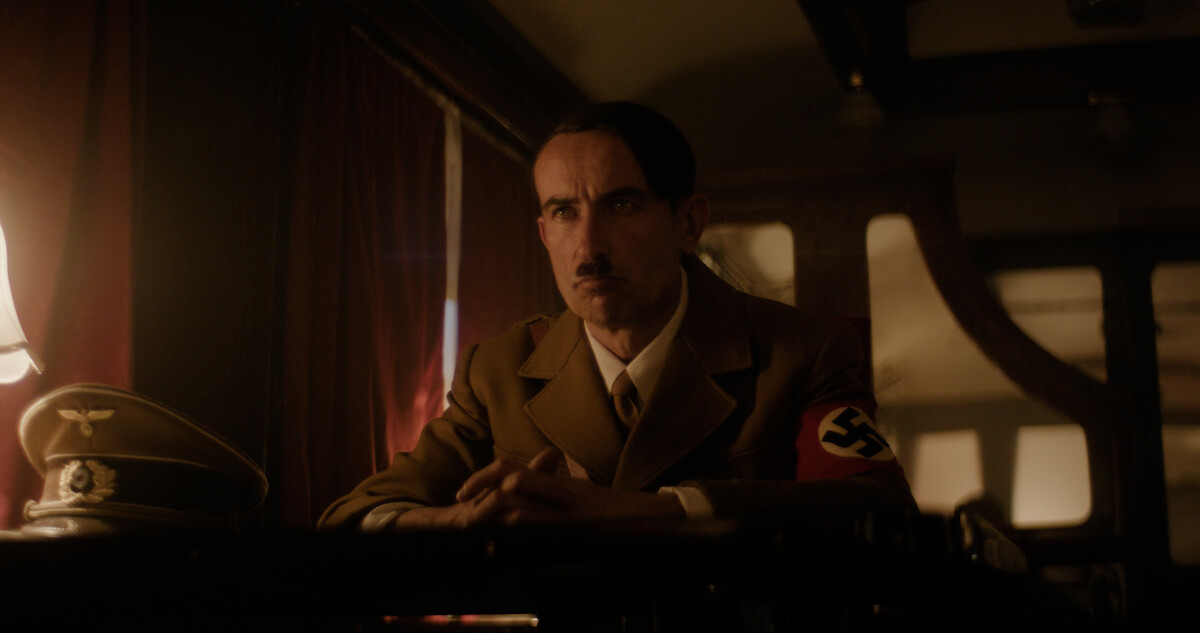
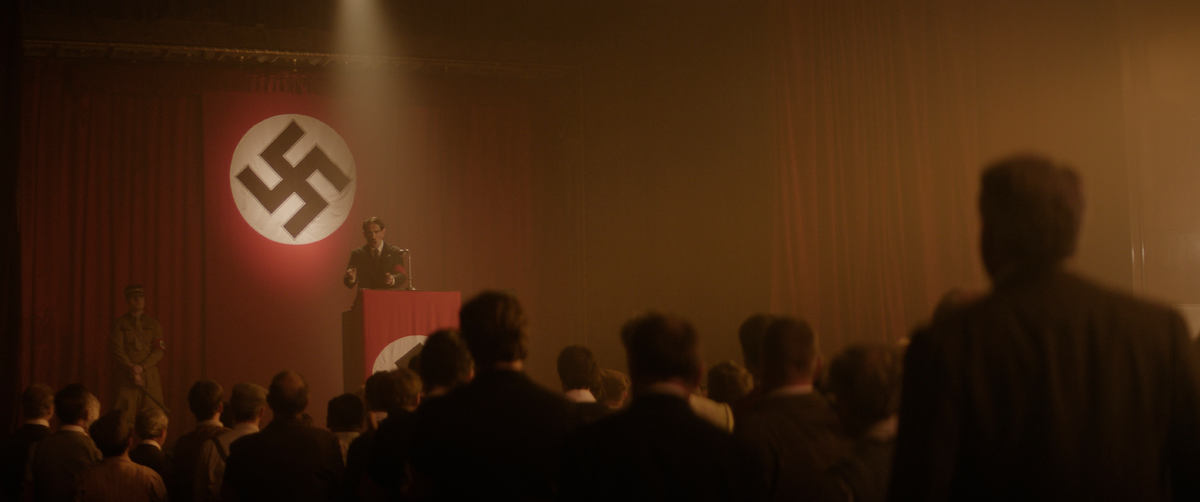
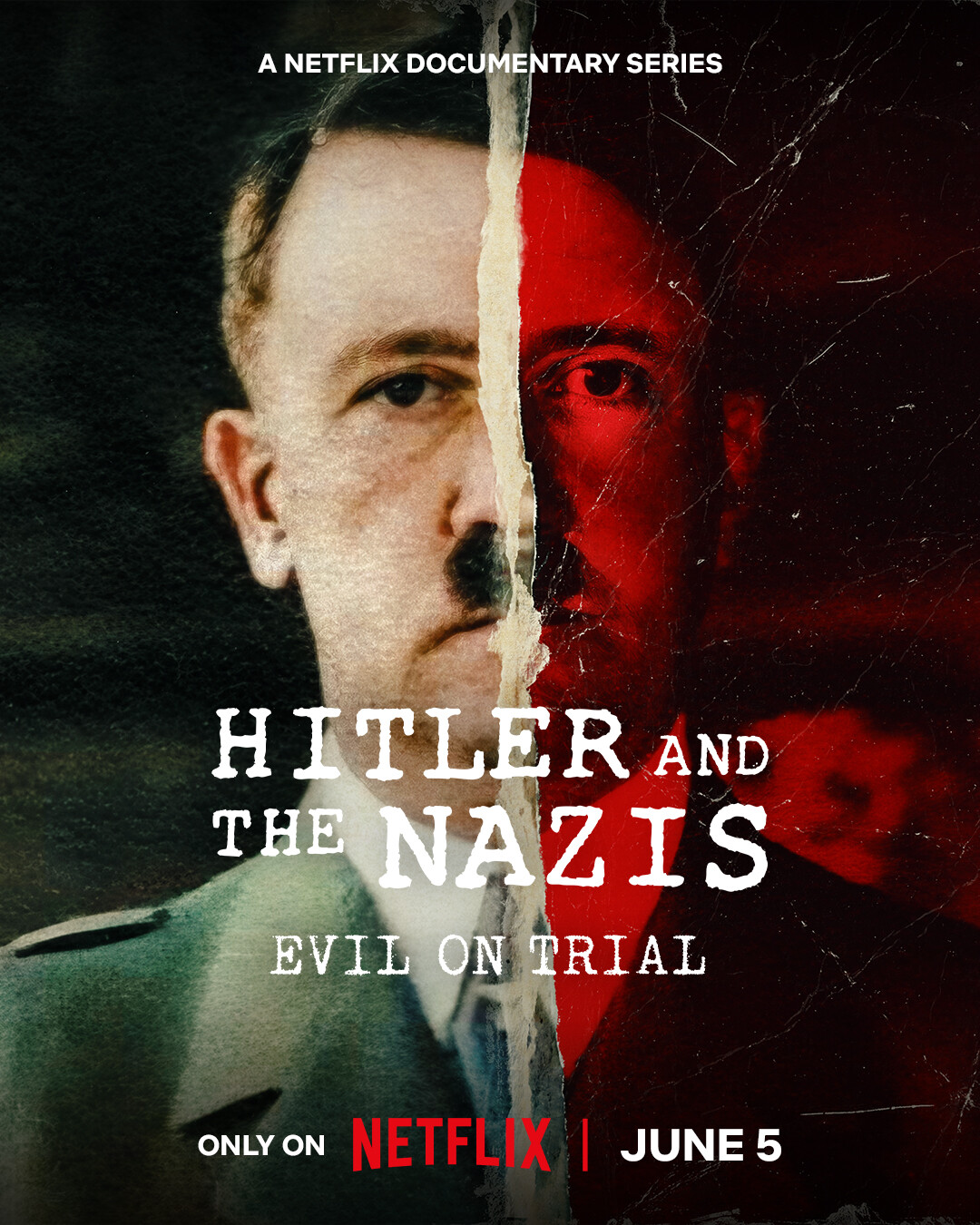
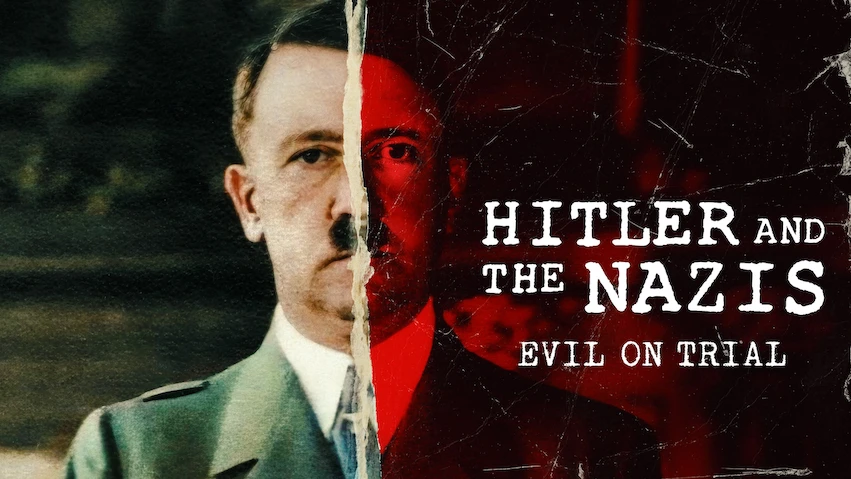
The new series Hitler and the Nazis: Evil on Trial, directed by Berlinger with Smuggler Entertainment and Third Eye Motion Picture Company, returns again to Shirer’s perspective. Framed by the Nuremberg Trials, which Shirer covered in 1945, the series explores the shocking rise and fall of Hitler and his enablers via a campaign that was fueled through propaganda, censorship, and antisemitism. According to Berlinger, it’s Shirer’s testimony that sets the series apart — Shirer was one of the last Western journalists to leave Germany, only doing so in late 1940, more than a year into the Second World War. He chronicled Hitler’s rise to power from a front row seat.
“[Shirer] having poured his firsthand experiences into numerous literary works, not only did we find ourselves with a personal lens through which to see this historical moment but also felt now more than ever it was important to bring his words to life,” Berlinger said.
The doc series utilized AI technology to enable Shirer to “speak” as a narrator throughout its six episodes, an endeavor that Berlinger says brought new life to the incredible reporting Shirer did at the time.
“These events took place in an era where we relied on reporters and journalists stationed in foreign countries to report the news to American audiences, and William Shirer was in a unique position as one of the few American correspondents reporting from Germany during the crucial years of Hitler’s rise and the early years of the war,” Berlinger explains. “A lot of his reports were censored in Germany, but he had the courage to smuggle his diaries out at great personal risk.”
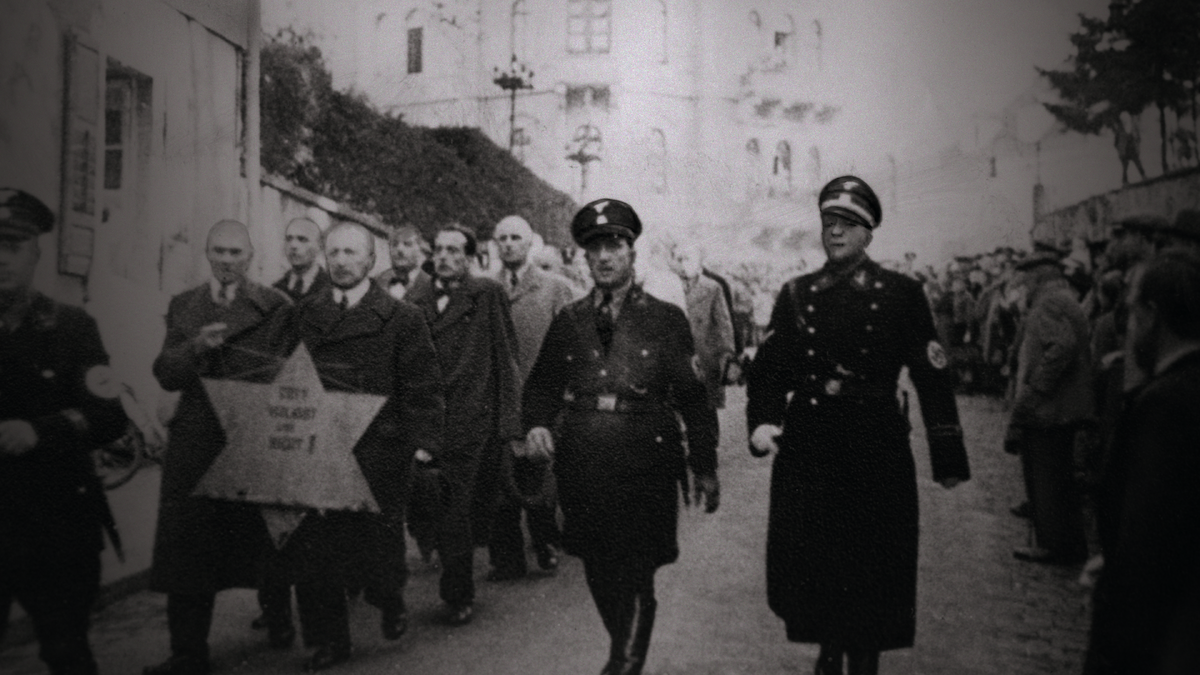
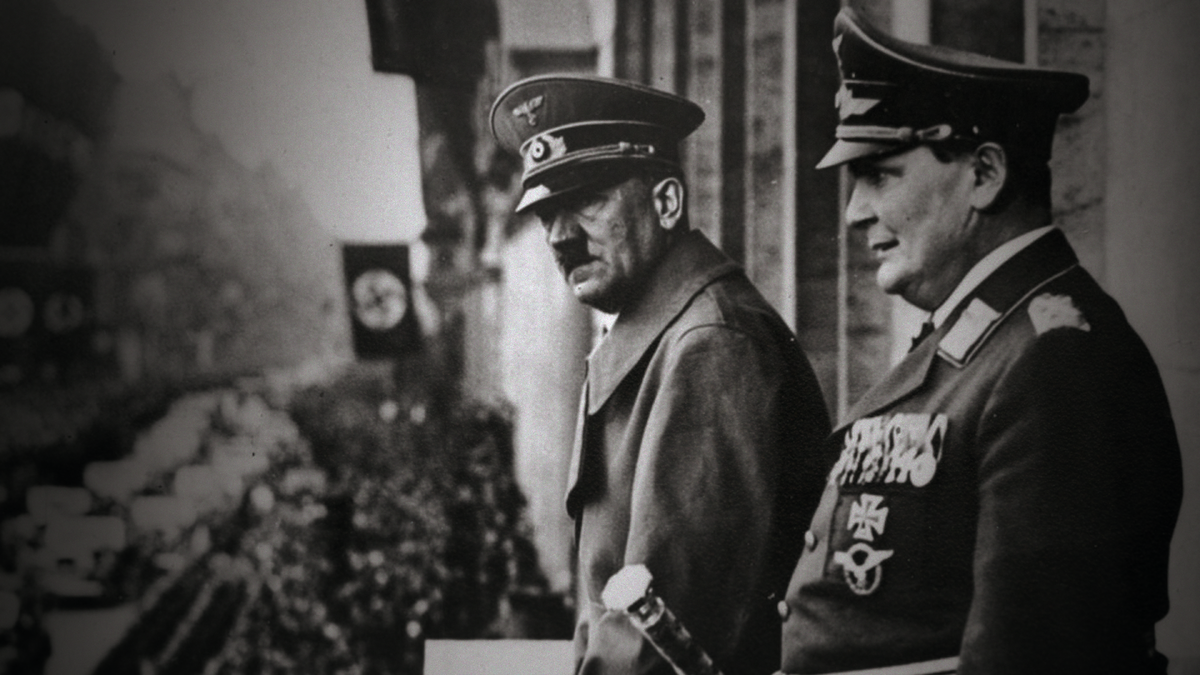
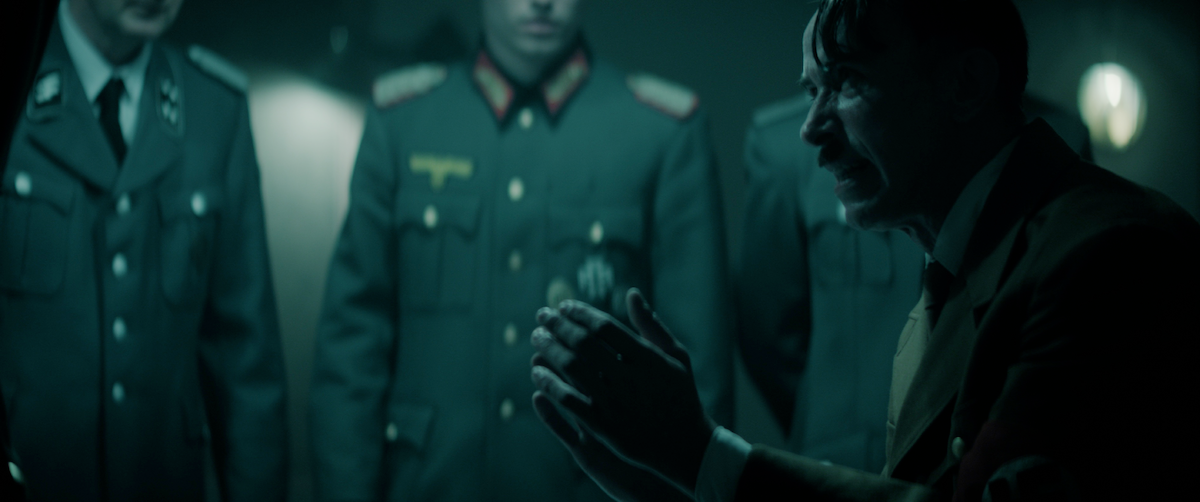
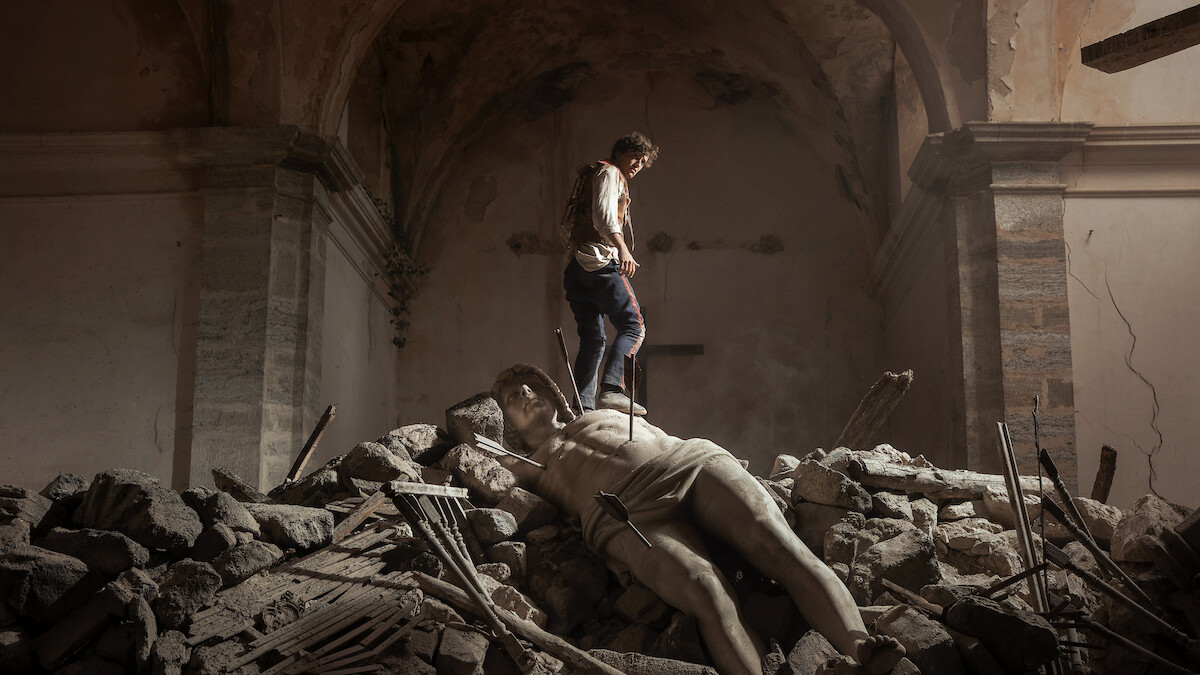
In addition to the new perspective Shirer’s voice adds, the doc series includes cinematic recreations and archival footage, as well as never-before-heard audio testimony from Nuremberg, where dozens of Nazi leaders stood trial for crimes against humanity. Perhaps the most emotionally resonant aspect of the series, though, is the score: Much of the series’ music was created from the compositions of Holocaust victims. Berlinger says the idea to include those original compositions came from his wife’s friend, Ira Antelis — he’d recently produced a concert at Carnegie Hall that brought to life compositions created by Jewish musicians who were killed in the Holocaust.
“In the wake of Nazification, the Nuremberg Race Laws, and the horrors of the Holocaust, music creation became an outlet for European Jews to express their humanity,” Berlinger says. “It wasn’t just the sufferings of the Jews under the Nazi regime that were reflected in the lyrics or composition of their music — themes of survival, faith, freedom, and hope emerged in the ghettos and concentration camps.”
Berlinger and his team did their due diligence to find the rights holders for many of the songs featured in the score, who ranged from well-known composers who’d written music prior to entering extermination camps to ordinary people who composed music while they were inside. The music was reorchestrated for the series by Antelis, alongside composer Serj Tankian of System of a Down.
“[Tankian] has spent his career advocating for the recognition of the Armenian genocide, a precursor to the Holocaust,” Berlinger says. “It’s something that gives him a deep, spiritual connection to the material.”