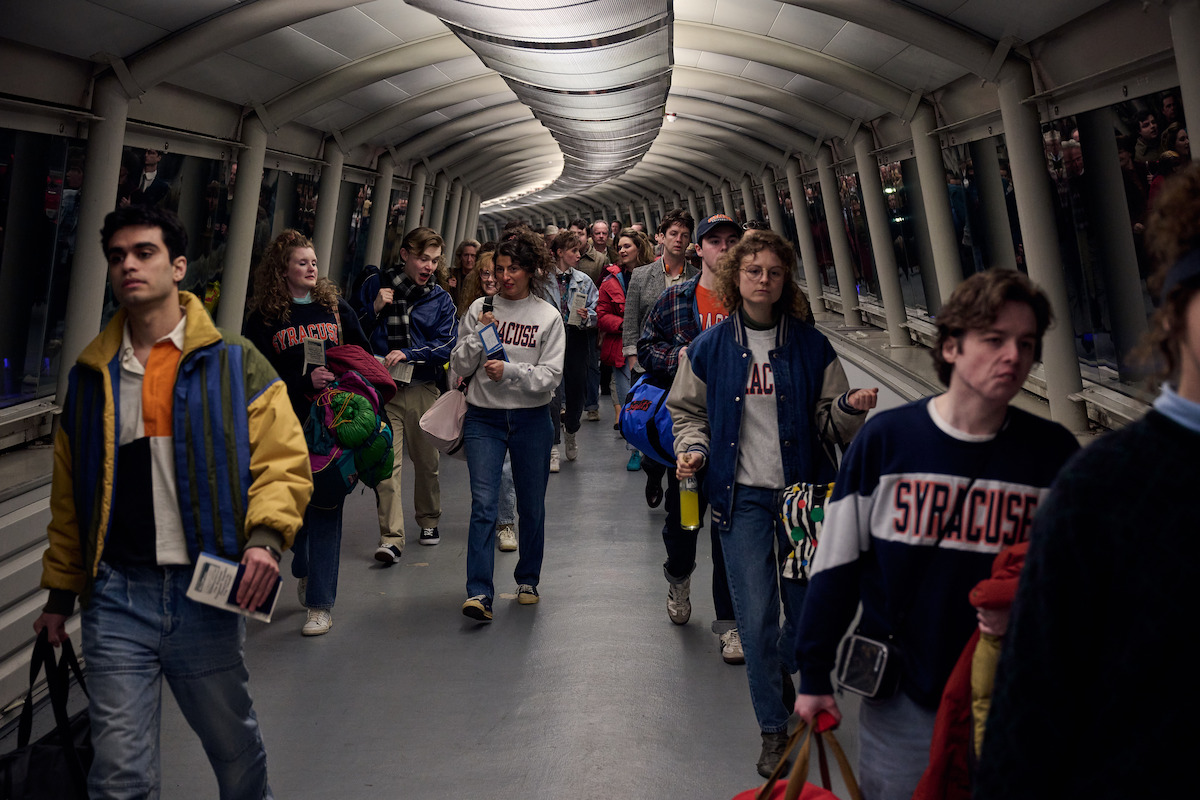
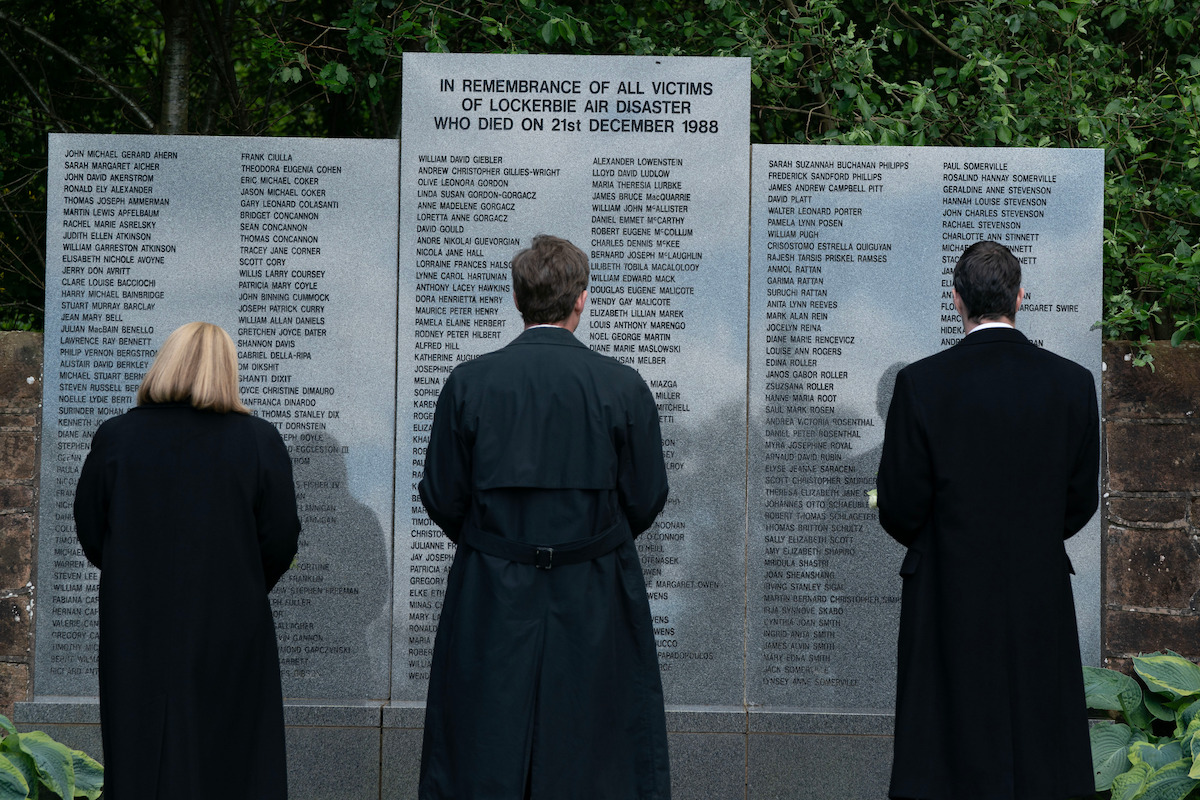
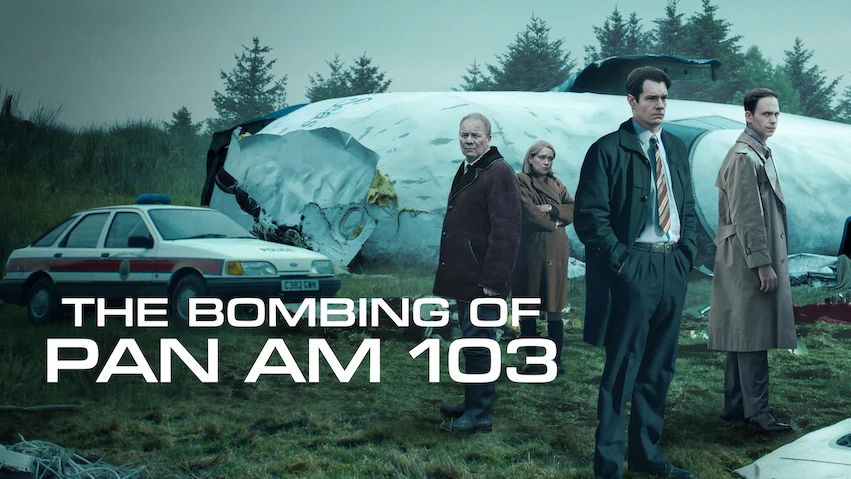
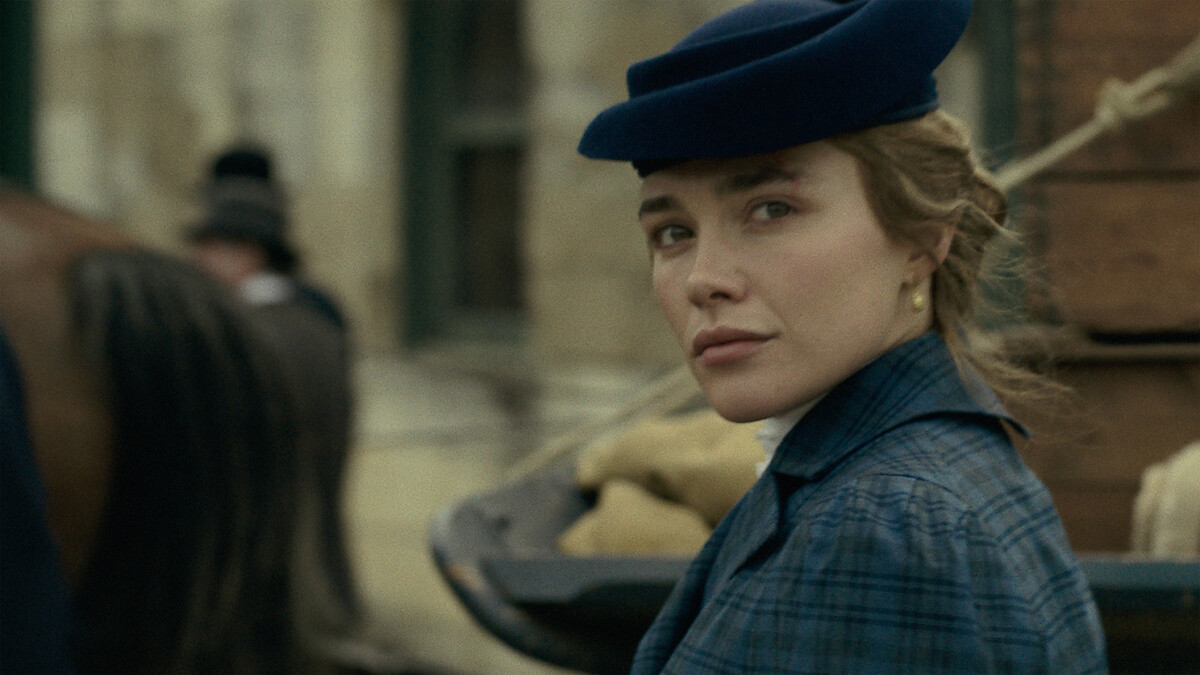
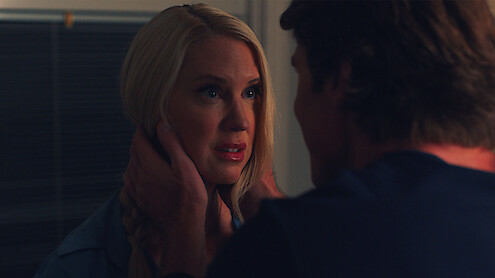
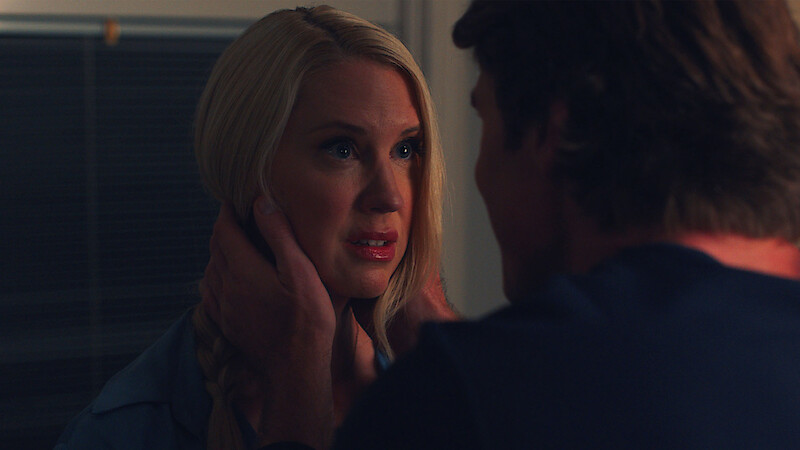
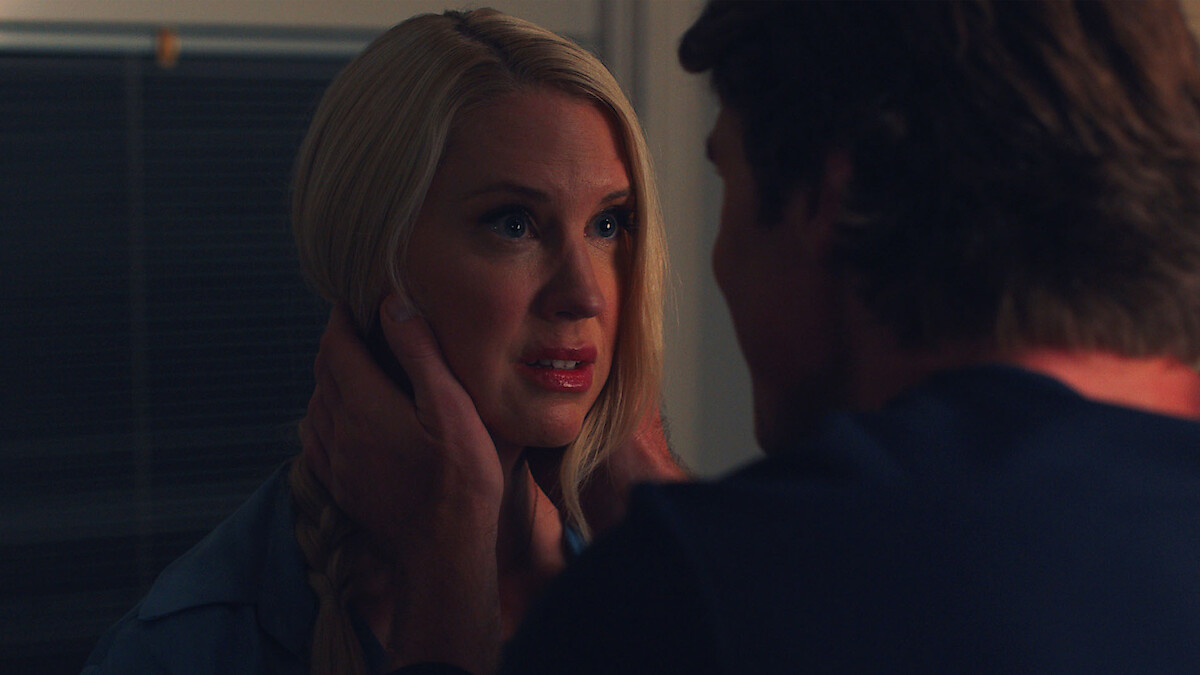
On Dec. 21, 1988, Pan Am Flight 103 exploded over the small southwestern Scottish town of Lockerbie, killing 270 people — 243 passengers, 16 crewmembers, and 11 people on the ground in Lockerbie. What followed was the largest murder investigation in the history of Scottish policing into the deadliest act of terrorism on British soil, as investigators sought justice for the hundreds of victims who hailed from 21 countries. The Bombing of Pan Am 103, a new limited series, is based on the testimony of those who were there, those who experienced the horrific event, and those who worked to make sure it would never happen again. It is the true story of the collaboration between Scottish police and US law enforcement — and the families’ quest for justice.
“This is a series about the different people who tried to put the pieces back together in different ways, both investigatively and on the human level as well,” says lead writer Jonathan Lee, who was 8 years old when the bombing occurred.
“I was with my parents in England,” Lee recalls, “but we had family in Scotland, just outside Glasgow. I vividly remember catching snippets of the story on TV. It’s probably the first news story I really remember seeing play out on our boxy TV as a kid.”
As the news story unfolded in real time on televisions around the world, a different type of work began: the search for answers. That search still continues, and it’s one that plays out over the course of many years in the series, as investigators work to piece together clues, and pay tribute to the hundreds of people who lost their lives in the bombing.
In telling a story like this, Lee recognized that part of the challenge was its scale and determining how, as he puts it, “to get your arms around everything in six episodes.”
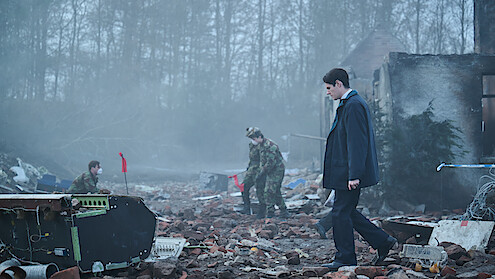
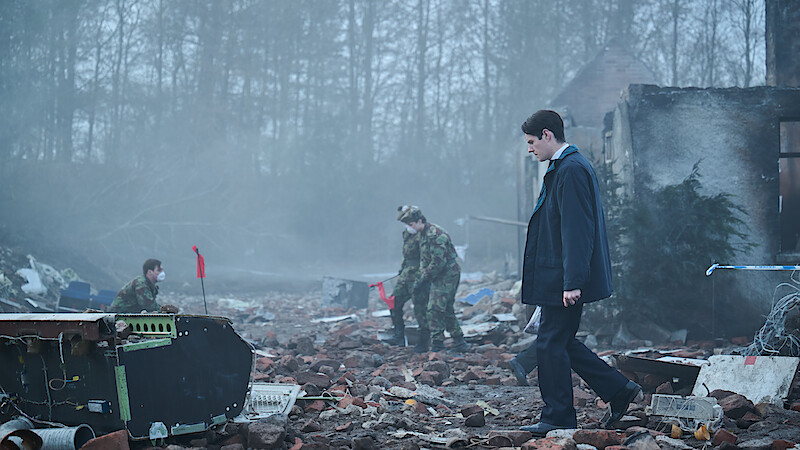
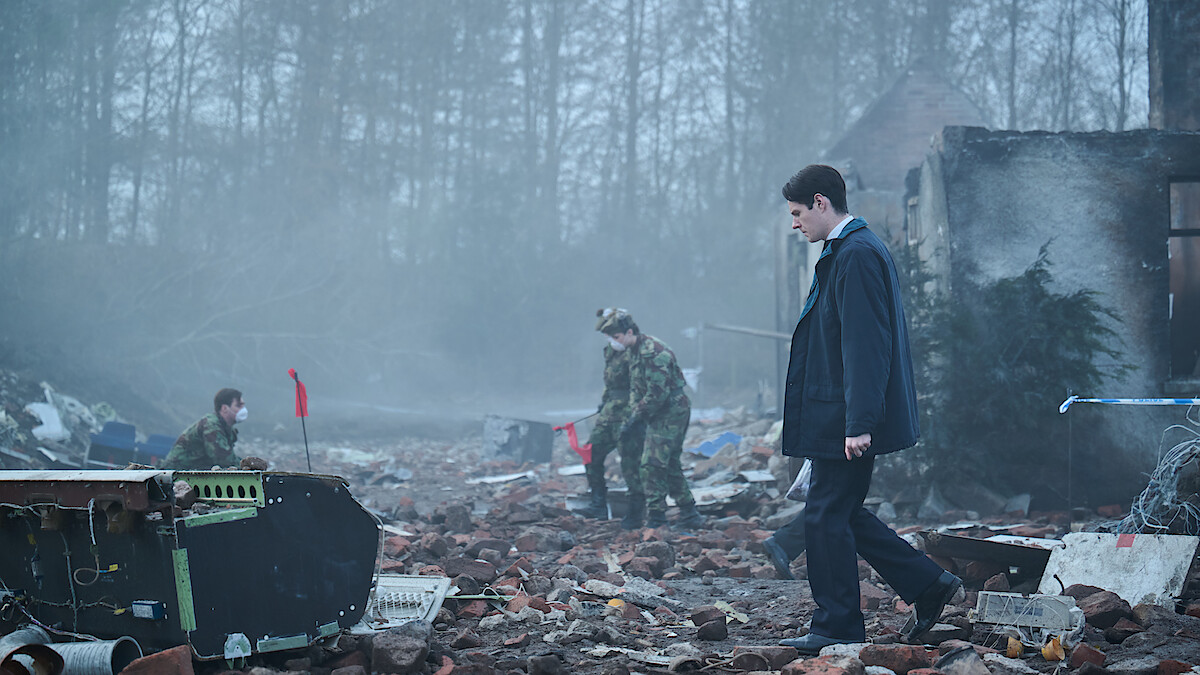
“The more you dig into an event like this, the more you realize its extraordinary scope,” Lee explains. “When I started out in this process with an amazing producer of ours, Adam Morane-Griffiths, who did a lot of the interviews, a lot of the research, and [made a lot of the] connections, I thought I knew this story, but I didn’t realize that debris from the plane was spread over 850 square miles — Scotland and beyond. It was the biggest crime scene the world had ever seen at that point, and that became a metaphor for just how much information there was to gather out there. The epic manhunt that ensued, led by Scottish detectives and the FBI, took 12 years to bring anyone to justice and is still ongoing.”
“In the writing,” Lee says, “I tried to make space for a variety of stories that showed this event from different angles, and hopefully brought to life some of the moments that Wikipedia doesn’t record, that make history human. That became an organizing principle.”
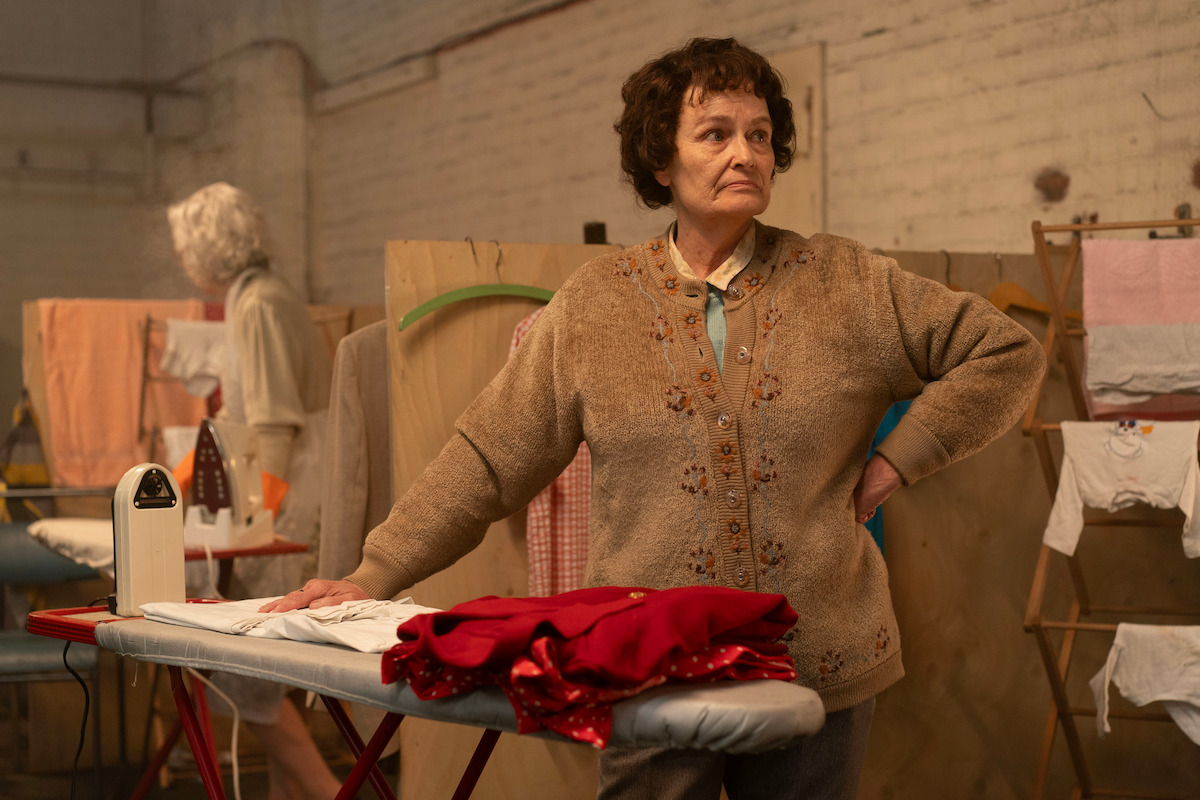
Among the ways The Bombing of Pan Am 103 does that is by focusing on the work done by women from the town of Lockerbie, who, Lee says, “devoted themselves to the task of, when a piece of evidence was found and wasn’t deemed to be of evidential value — to use the term that the police were using — this group of local volunteers would carefully wash and look after those items and package them up with a little bit of Scottish heather and put them in these beautiful packages, and then police from Scotland would travel all over the world when they could to return the belongings to the victims’ families. That was an incredibly moving thing to find out about and just seemed to capture the spirit of the town in ways that haven’t been spoken about so much.”
Executive producer Simon Heath says that capturing the human scale of the devastation, and the power that comes from communicating and collaborating with one another, was key.
“One of the great things about telling the story of the investigation is that it shows the very best of people when we come together in the US and the UK,” Heath says. “It’s lovely to be able to put a story onscreen that says, ‘Look what can be achieved if we all join hands and try and make these things happen, and we share information, and we share resources and we trust each other.’ Obviously, there are plenty of times in the show, and in the investigation, where different sides are hiding things, but they found a way through it. I think that’s what makes it such a fascinating watch as well as being hopefully incredibly moving.”
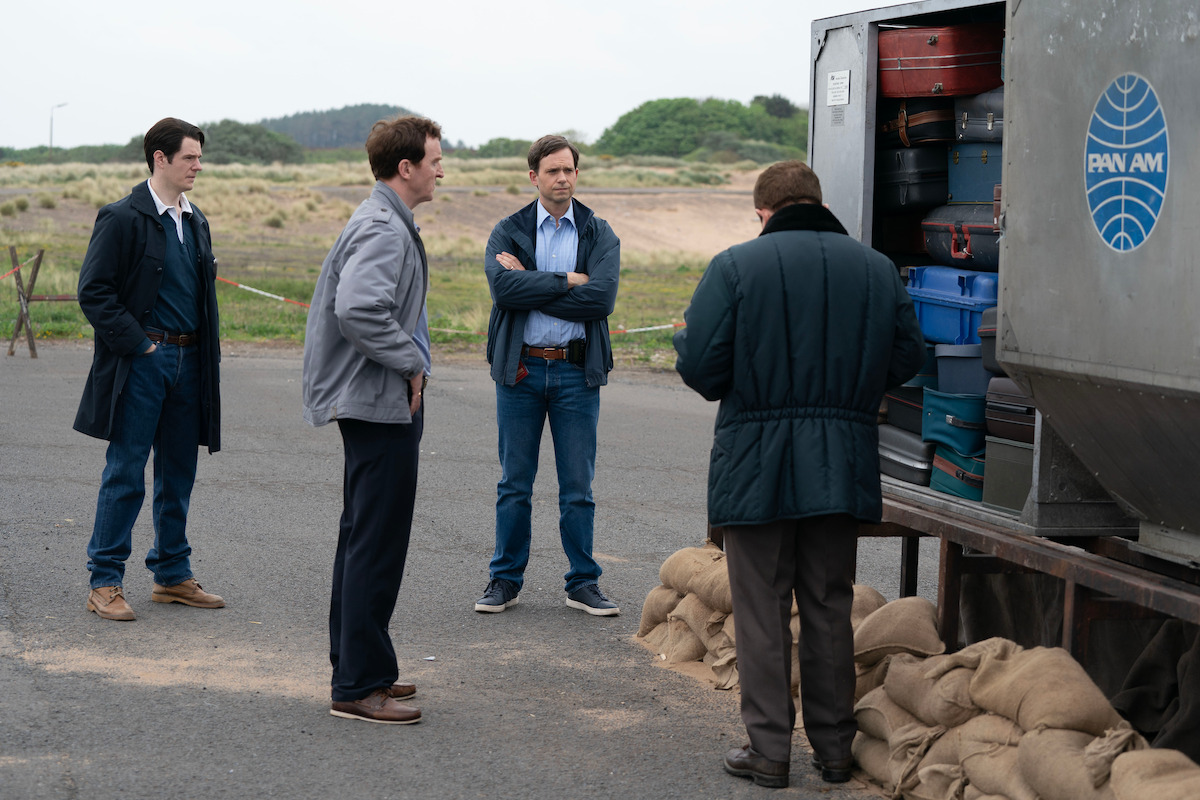
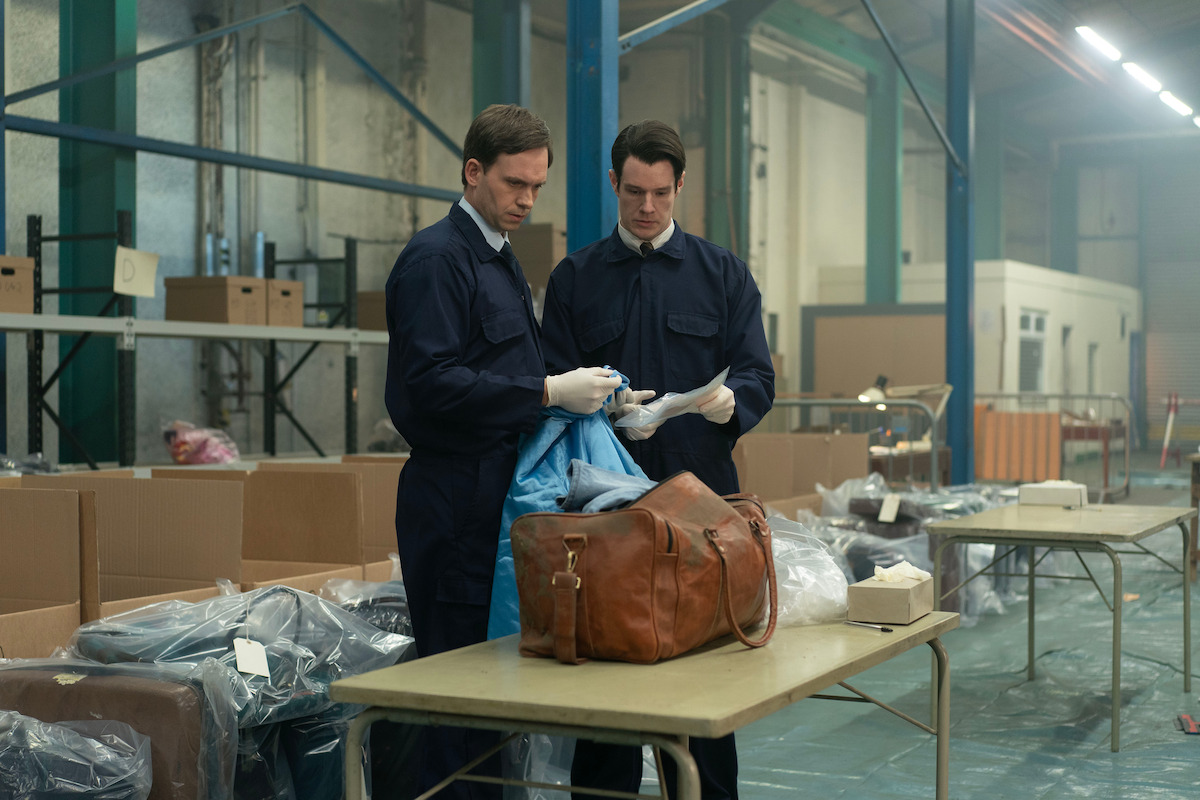
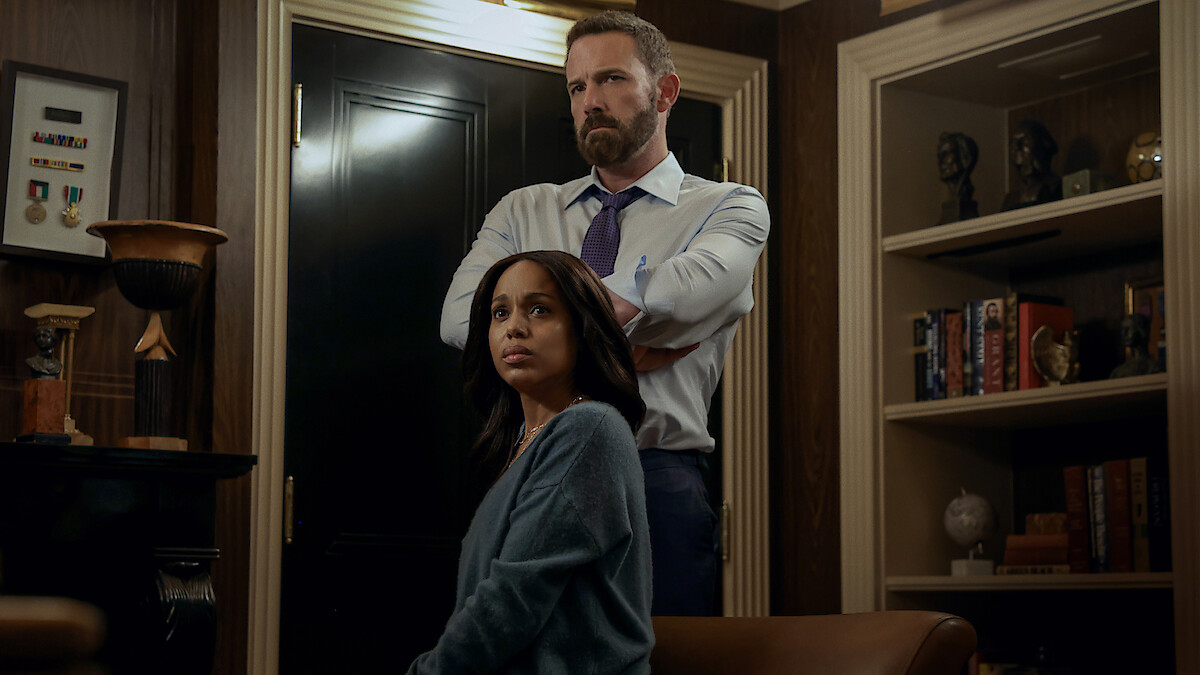
The collaboration that occurred between investigative forces from different countries — embodied in the series by Scottish police sergeant Ed McCusker (Connor Swindells), FBI agent Dick Marquise (Patrick J. Adams), and Kathryn Turman (Merritt Wever), an American who was an advocate for the victims’ families — was a key part of how progress was made in the overwhelming case. Lee cites a scene in the second episode of the series, when “hundreds of thousands of tiny, tiny pieces of evidence were being sifted through, and [Scottish] police and investigators from America were just going through, looking for little clues,” as an example of what is possible when all those groups come together — but also of how the smallest things made the biggest impact in the aftermath of the bombing.
“One piece of circuit board the size of my fingertip was the thing that ultimately unlocked the case,” Lee says. “It’s just such a humbling recognition of the contrasting sense of scale, that the tiny things really make a difference to the bigger picture in whether anyone’s brought to justice. If the bomb on the plane went off when it was probably supposed to go off, all this evidence would’ve fallen into the Atlantic and been lost forever. But as it happened, the debris rained down on the town of Lockerbie, which is obviously a big part of what was so tragic, but at the same time, it enabled investigators to piece the story together.”
In making the series, the real Turman, Marquise, and McCusker were integral. Heath says, “That triumvirate of Kathryn, Dick, and Ed — they were central to the research. And Dick, who has been a tireless supporter of the show, put us in touch with other specific individuals when we wanted to tell their piece of the story, like Tom Thurman, who’s played there by Eddie Marsan, who’s the explosives expert and very much still alive.”
Lee recalls, “[Dick Marquise] gave us hundreds of hours of his time to help us capture the twists and turns of this investigation from his perspective at a level of detail that he’s since said no one’s ever captured before, which meant a lot to us. He’s a very humbling figure to spend time with, too, because he’s able to look back from this position. Really, the way he told the story of his own involvement was arriving in Scotland as this big important FBI investigator, thinking the Scottish police probably wouldn’t be able to handle the scale of this event, and then realizing very quickly that they were doing an incredible job with evidence collection, [and] slowly putting his own ego and suppositions aside.”
As the series unfolds, it becomes clear that the key to understanding anything that happened following the bombing will only come from the kind of collaboration that happens when egos are, in fact, put aside and exchanges between people are made with clarity and intention — something often easier said than done.
“The series is a story about communication in different ways,” Lee says, “even in the smaller senses, like bits of information being lost on crackly speakerphone calls, information coming through fax machines, the suspense of waiting for the clue to come through that way, the communication gaps between cultures and individuals. And then, these families who at first were trapped in their individual tragedies when they learned that their loved ones were on this plane, but then came together in this incredible story of community action, which feels so of its time.”
For Lee, the era was as crucial as the setting in shaping the series. “And it made me think, when I was looking back at the ’80s — which is when I grew up in the UK — I remember seeing the Lockerbie disaster unfold on TV,” he says. “I remember the Brighton bombing. It’s been called by scholars ‘the decade of disaster,’ the ’80s. I don’t know if we’re living through another one now or not. But there is that sense that in the wake of these things, for a minute, we were waiting for the big institutions that control our countries to manage the fallout of that and the communication. And, in the end, the more you look into these stories, it’s a story of individuals, ordinary individuals coming together and forging those communications.”
The Bombing of Pan Am 103 also reflects how essential it was for the people who were affected by this terrible crime to be listened to, and for action to be taken, not only to prevent something like this from happening again, but, as Lee emphasizes, “to change the way we deal with these events in the future.”
“In the case of the Pan Am 103 families,” he says, they sought to “make air travel safer for all of us, working with Kathryn Turman, who I think is played incredibly by Merritt Wever… And when you see documentary footage of families on the White House lawn campaigning, campaigning, campaigning, they were just relentless and brave in what they were doing, and if they hadn’t done it, nothing would’ve changed.”
And feeling like change is possible, feeling like nothing was lost in vain, is perhaps the only way to move through the grief and sorrow around an event like this, Lee says. “What often comes across from those who lost so much is a desire to amplify those memories, to make sure they survive, to not forget what happened, and not forget the kind of mistakes that can lead to these disasters happening again. And so, when people who actually lived through this let us know that our work has contributed to that, that’s the most you can hope for.”
The Bombing of Pan Am 103 is streaming now, on Netflix.