Interview
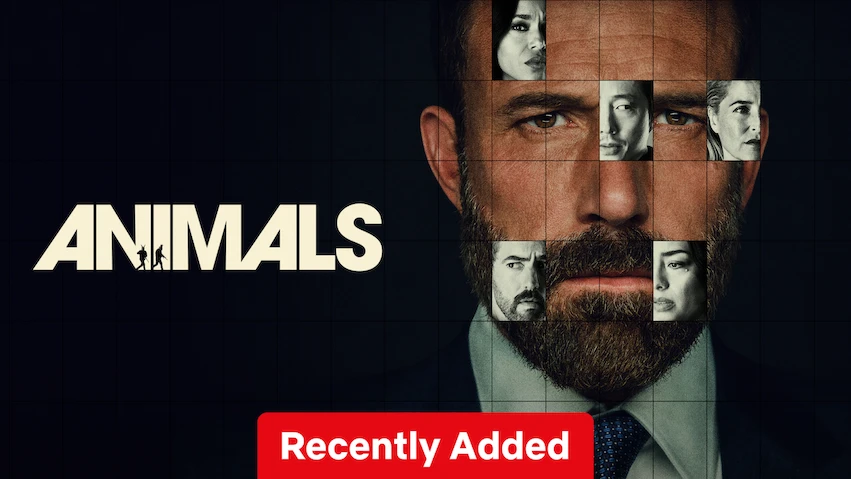
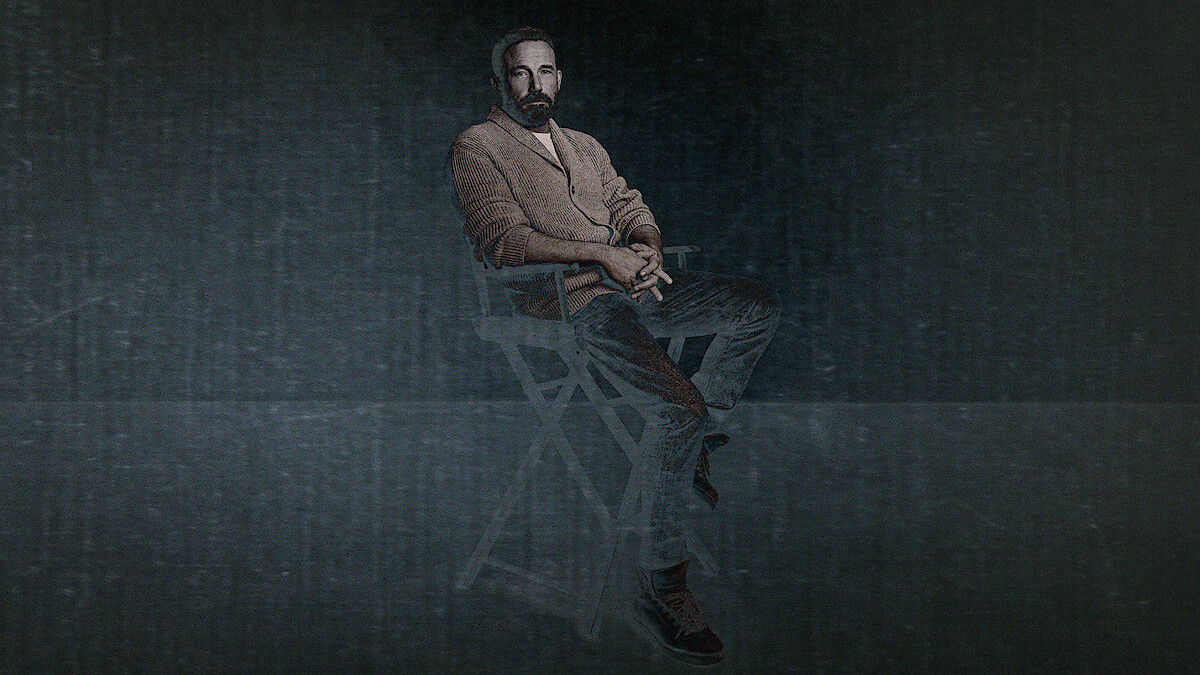
Ben Affleck on Directing and Starring in Animals
Affleck talks casting, on-location rehearsals, and the Los Angeles setting of his new thriller.
Oct. 9, 2026
When Ben Affleck first read Connor McIntyre and Billy Ray’s original script for Animals, he knew he had to direct it. “It touched on a really interesting thing,” the Academy Award winner says. “This question of ‘Who are we really? Who are we when our masks come off?’”
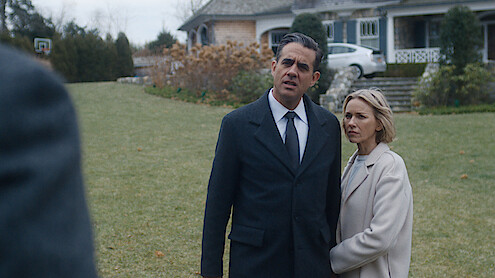
Animals answers that question in heart-racing fashion. The film follows Los Angeles mayoral candidate Mark Kimball (Affleck), whose campaign is upended when he and his wife Abigail (Kerry Washington) get a late-night phone call from a man claiming to have kidnapped his son. As the couple struggles to navigate the crisis with the help of a campaign aide (Steven Yeun) and a fixer (Gillian Anderson), everyone’s masks come off.
The story of Animals is as much about what the kidnapping brings out in its characters as it is about the kidnapping itself. “What I wanted was for the audience to really want to know more about each of the characters, so that they’re engaged just as much in the reveals about who all these people are as they are in the core plot of it,” Affleck says. “It was difficult, but really rewarding in the end. This is probably the movie I’m the most proud of in my career.”
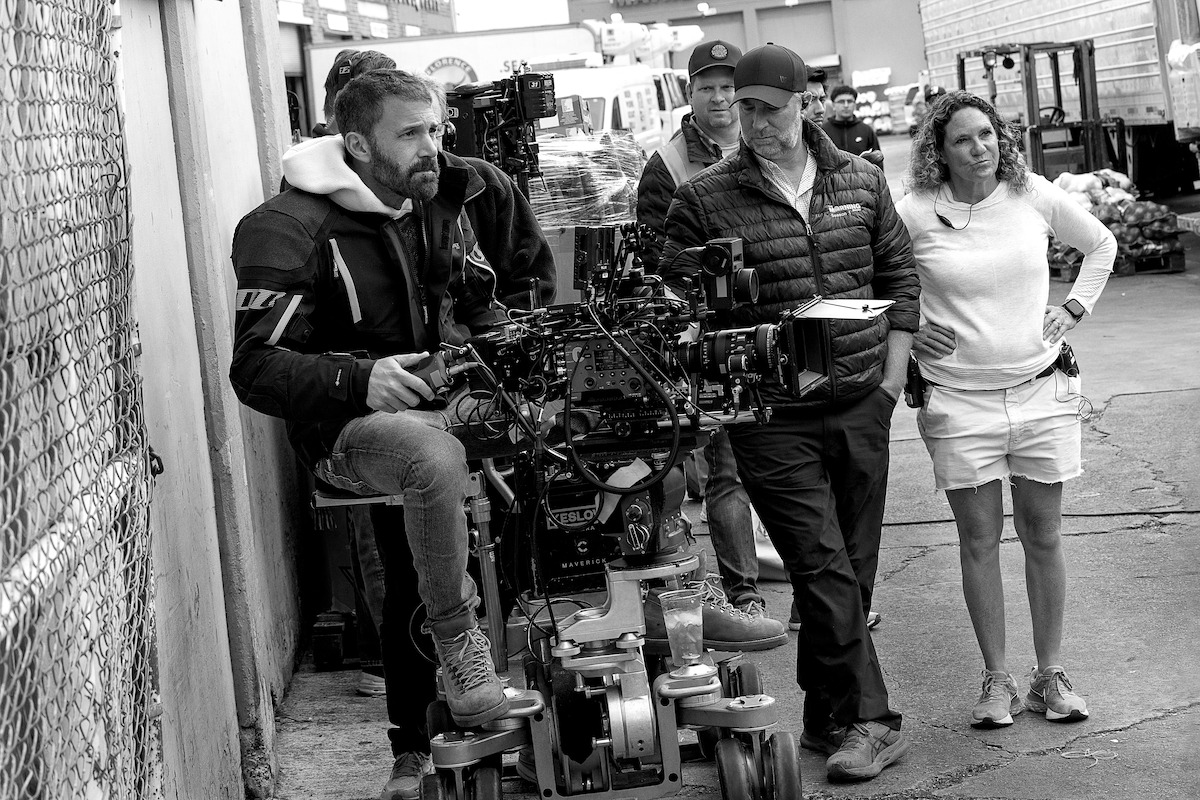
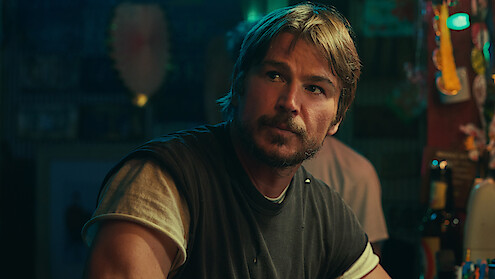
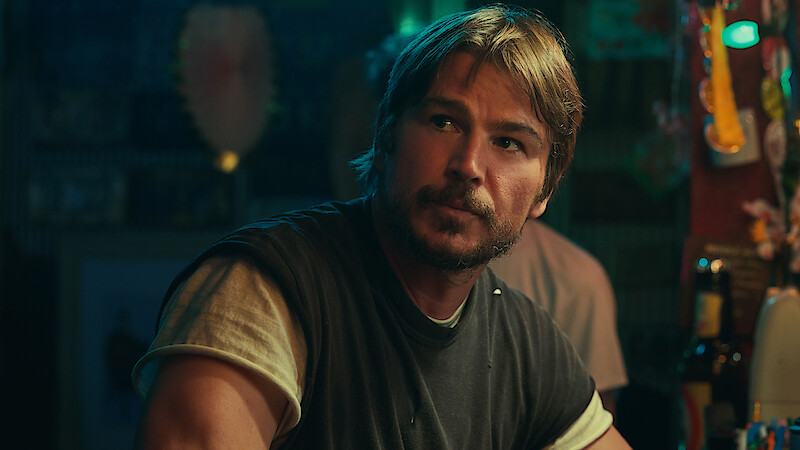
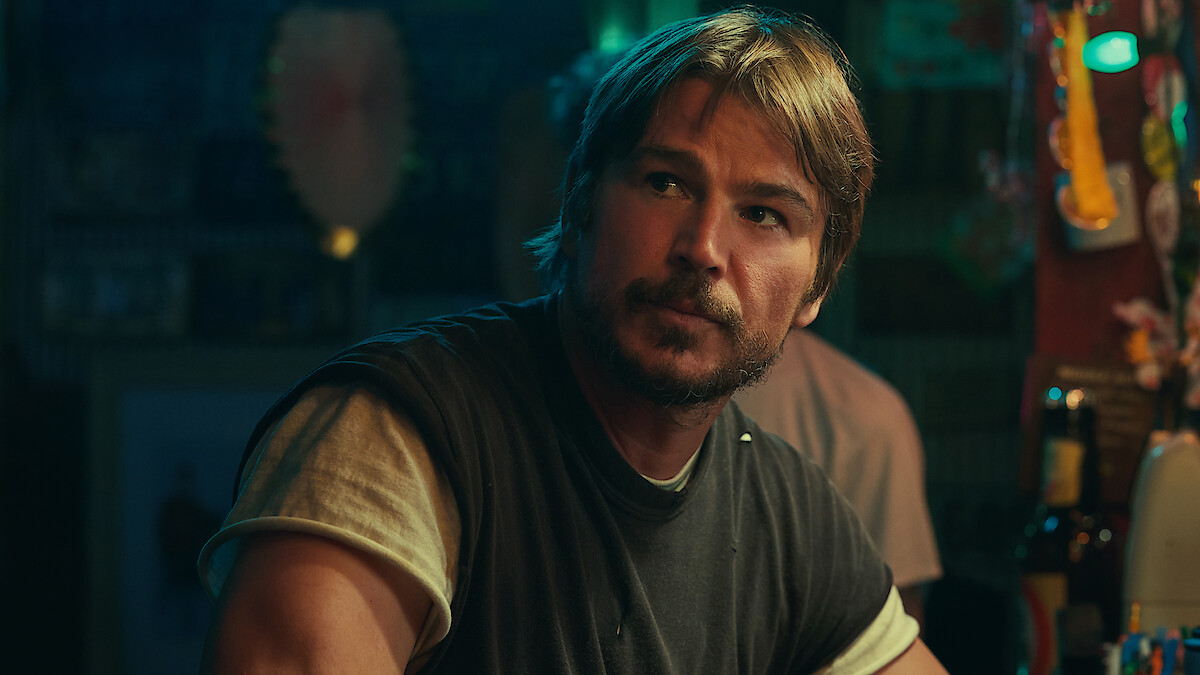
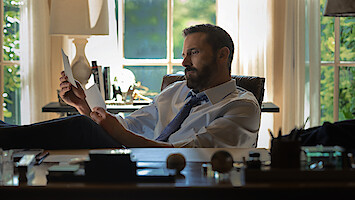
Ben Affleck on the set of Animals
Animals is very much a Los Angeles movie. What appealed to you about that?
Ben Affleck: I wanted to make a story that is really true to all of the disparate aspects of this city. It’s like a mosaic. If you’re on one of the tiles, it looks like that tile, but it’s adjacent to something that’s different from it, whether it’s socioeconomically, ethnically, culturally, or linguistically. This is a city where at least as many people speak Spanish as speak English. The movie moves into Spanish-language storytelling, not because it’s a Spanish story or an English story, but because those languages exist in LA, often side by side.
What were you looking for in your actors?
Affleck: All of them were people that I really respect and admire. I had worked with Steven Yeun before. I knew Gillian and her work, and she was always my first choice for this. Kerry is somebody I got to know a little bit better through the kind of events that politicians in LA might also go to. And I really was fascinated by how she navigated those things, and how deft she was in how she presented herself. I had seen Luis [Gerardo Méndez] on Narcos and thought, “This guy is an amazing actor.” I actually called him because actors really know who the other good actors are, and I said, “Who’s the Mexican actress that I need for this movie?” He said, “Adriana Paz. There’s no question.” And so I reached out to her, and she put herself on tape. I was blown away. He was right, and I cast her.
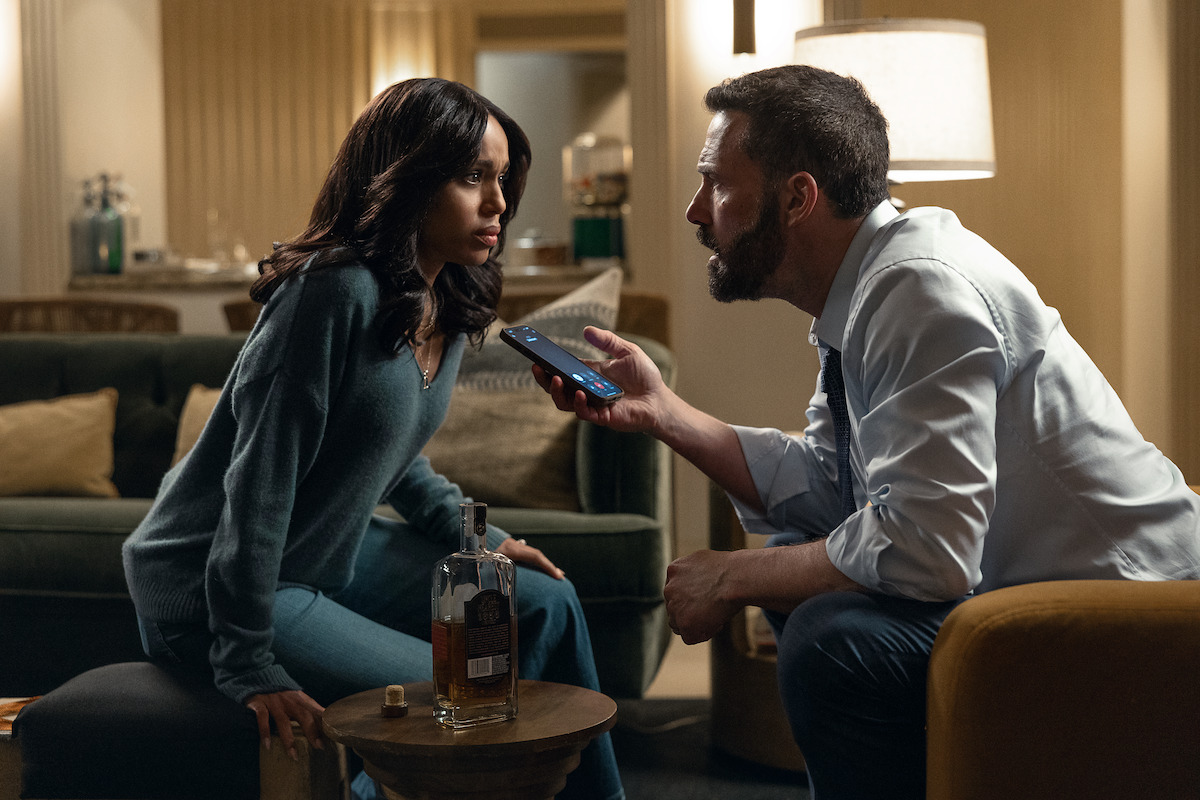
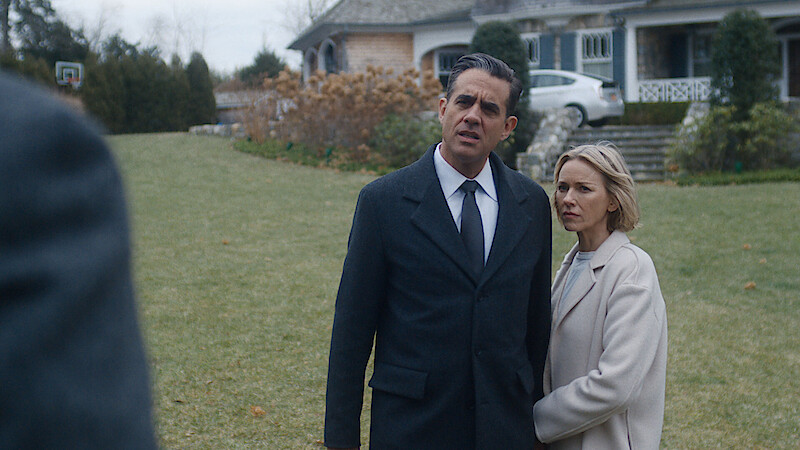
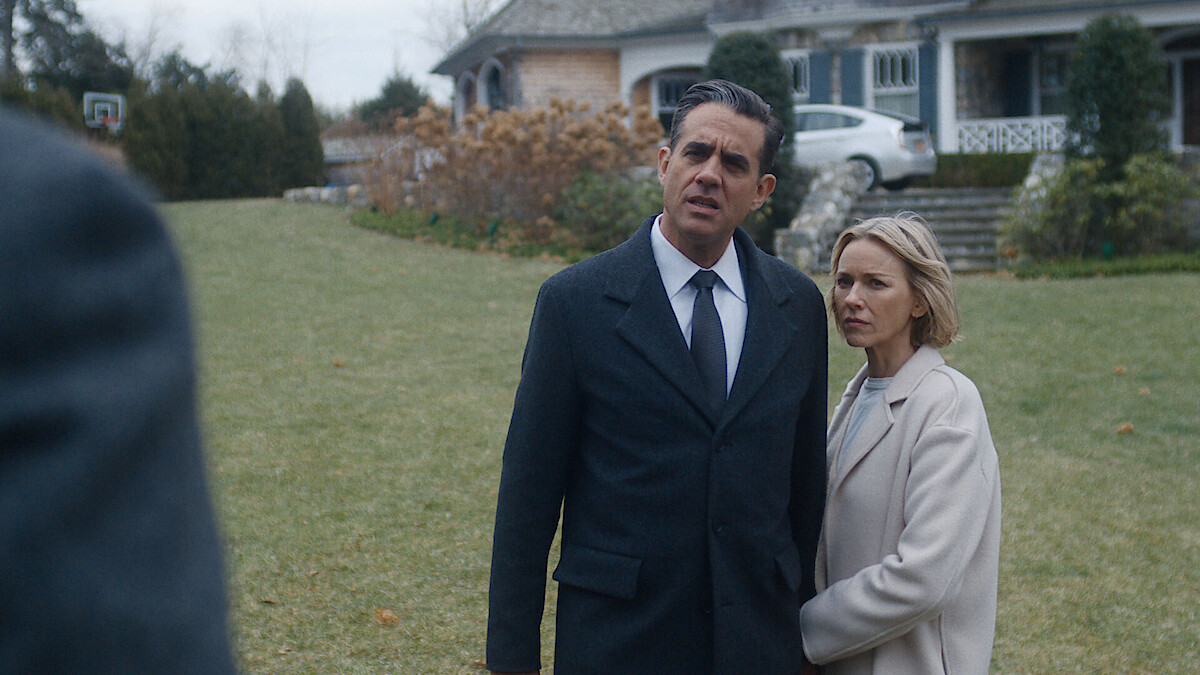
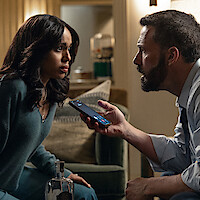
Kerry Washington as Abigail and Ben Affleck as Mark in Animals
Tell us about the home in which Animals takes place; it’s very much a character in its own right.
Affleck: The house had to speak for who these people are. It’s very expensive, but it’s also decorated in a way that’s trying to be modest in a certain way. It embodied a contradiction I have noticed while living in LA: There’s a tremendous amount of status and money, and part of that status is downplaying it. We found a house that someone was selling that would allow us to shoot, and also rehearse.
You had a fair bit of rehearsal time before filming. How does that help your process?
Affleck: We did something that’s unusual for movies now, and we rehearsed for a couple of weeks in the actual location before we shot. I wanted it to feel really fluid, and I wanted to know exactly how we were going to shoot it. But I also wanted the actors to feel like they could do whatever they wanted and go wherever they wanted. And the typical shooting schedule doesn’t really allow for that. It meant that I really asked all the actors to contribute.
What does that add to the film?
Affleck: One of the first movies I ever did is called Dazed and Confused; Richard Linklater’s second movie. He wrote this letter to everybody in the cast that said, “If this script is ultimately produced as written, it will be a massive underachievement.” And I saw what that did to everybody in that movie. The actors changed from being actors to being participants—to being filmmakers. Not just “What’s my line and how do I say it?” but “How do I live this character?”
That lesson stayed with me. And when I have the opportunity to, I really want to invite people to have a sense of authorship. There were aspects of these characters that I just didn’t understand well enough to write, but I knew the actors would bring them out.