Explainer
‘Asakusa Kid’ is Full of Easter Eggs About Japanese Culture
We’re cracking them open.
By Matt Schley
Dec. 9, 2021
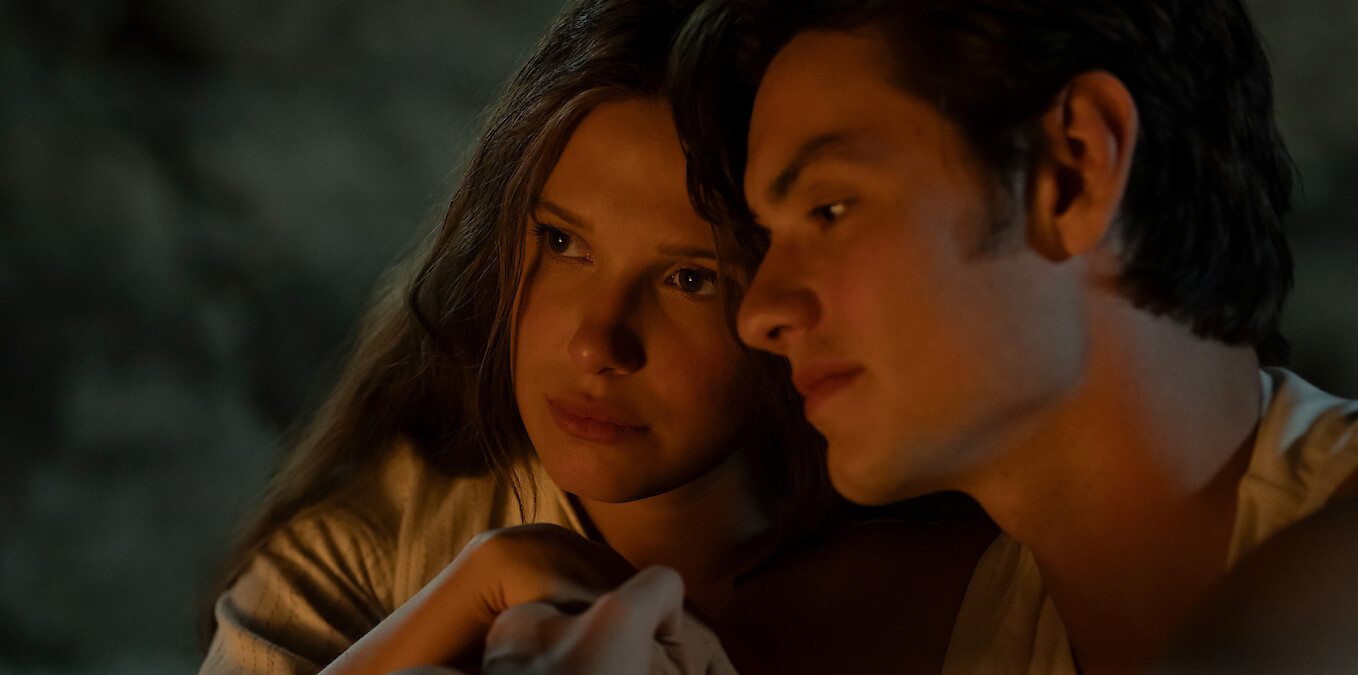
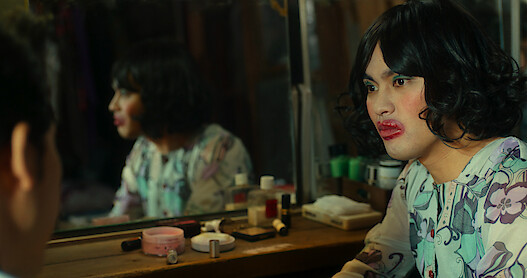
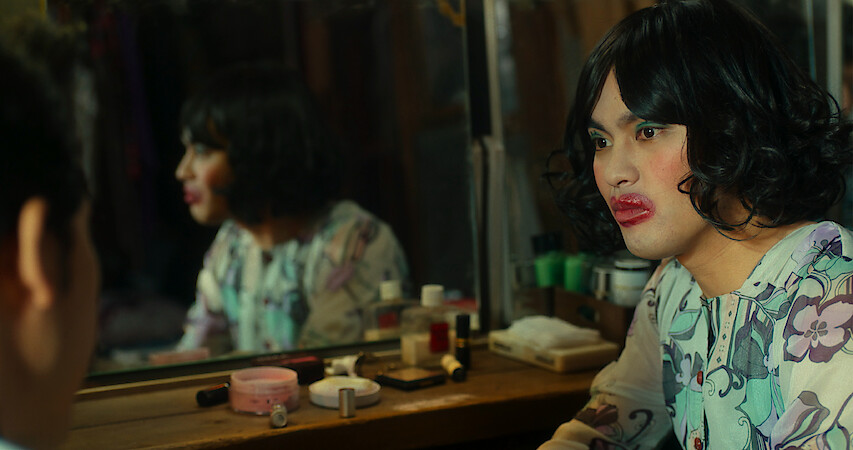
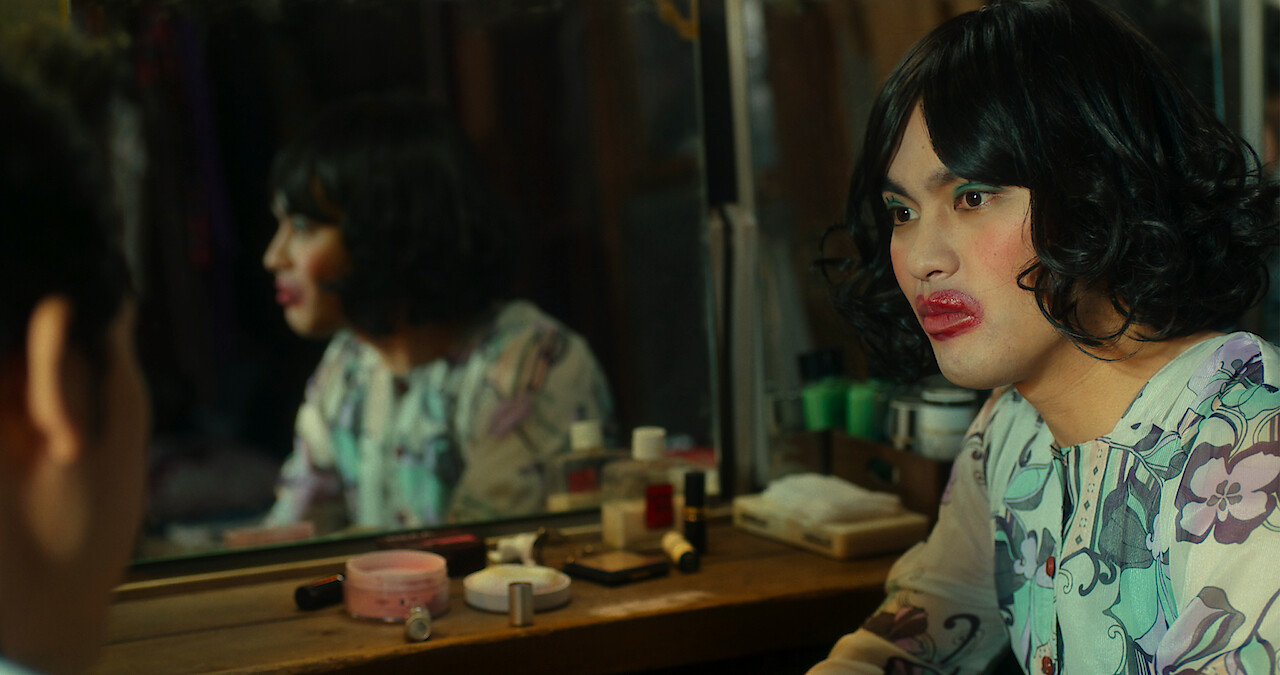
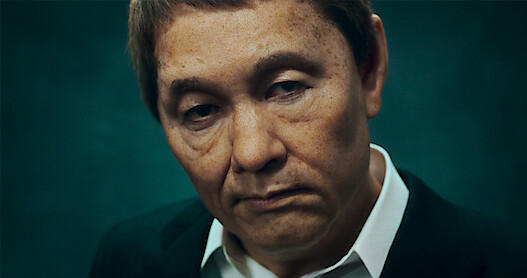
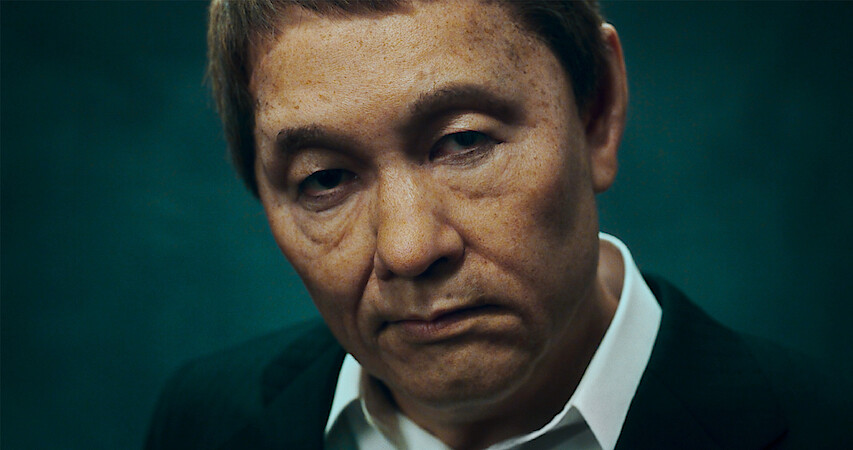
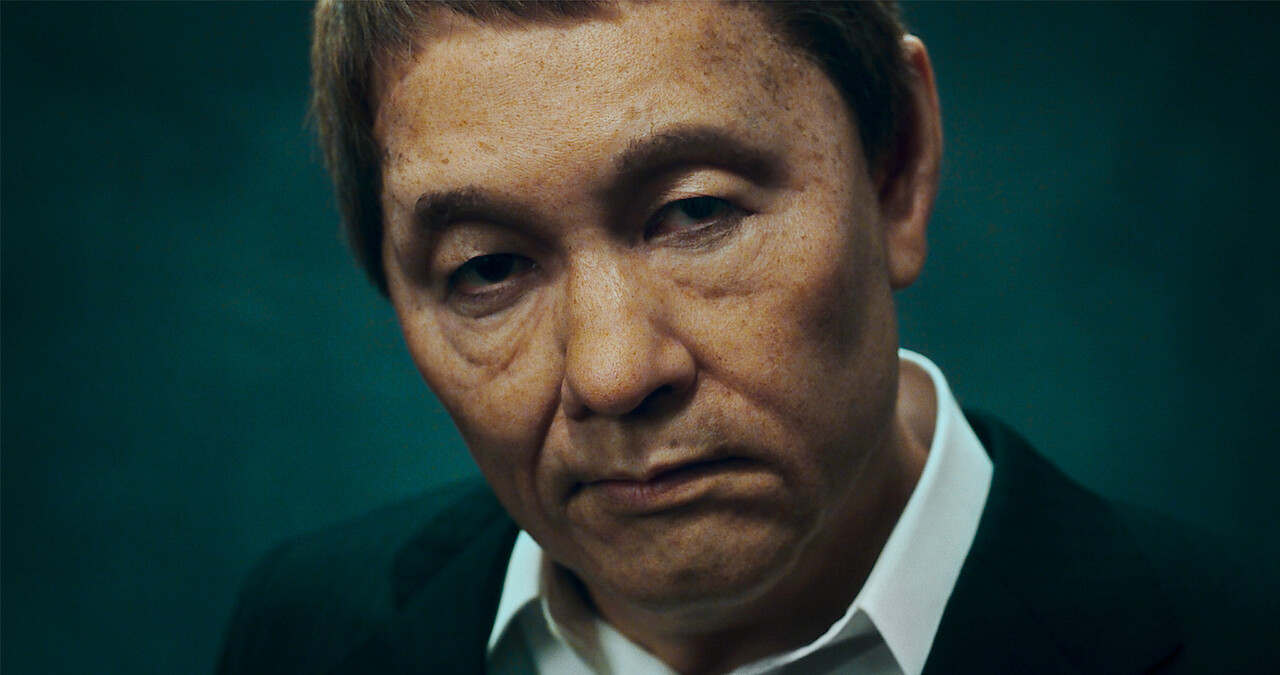
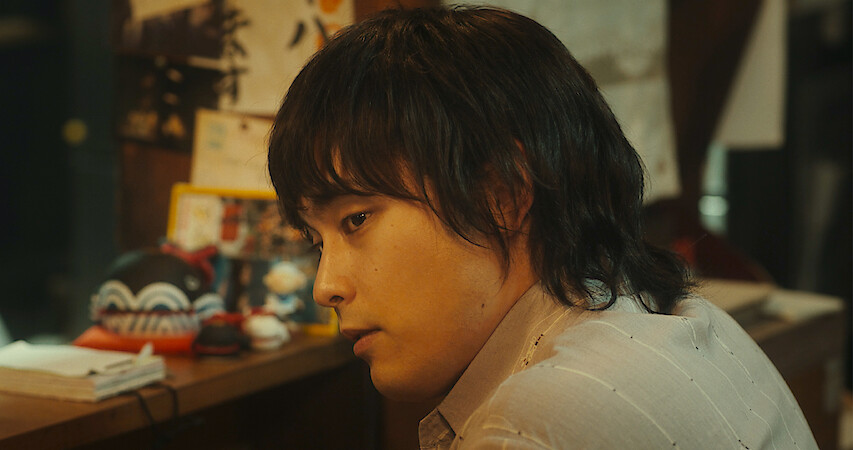
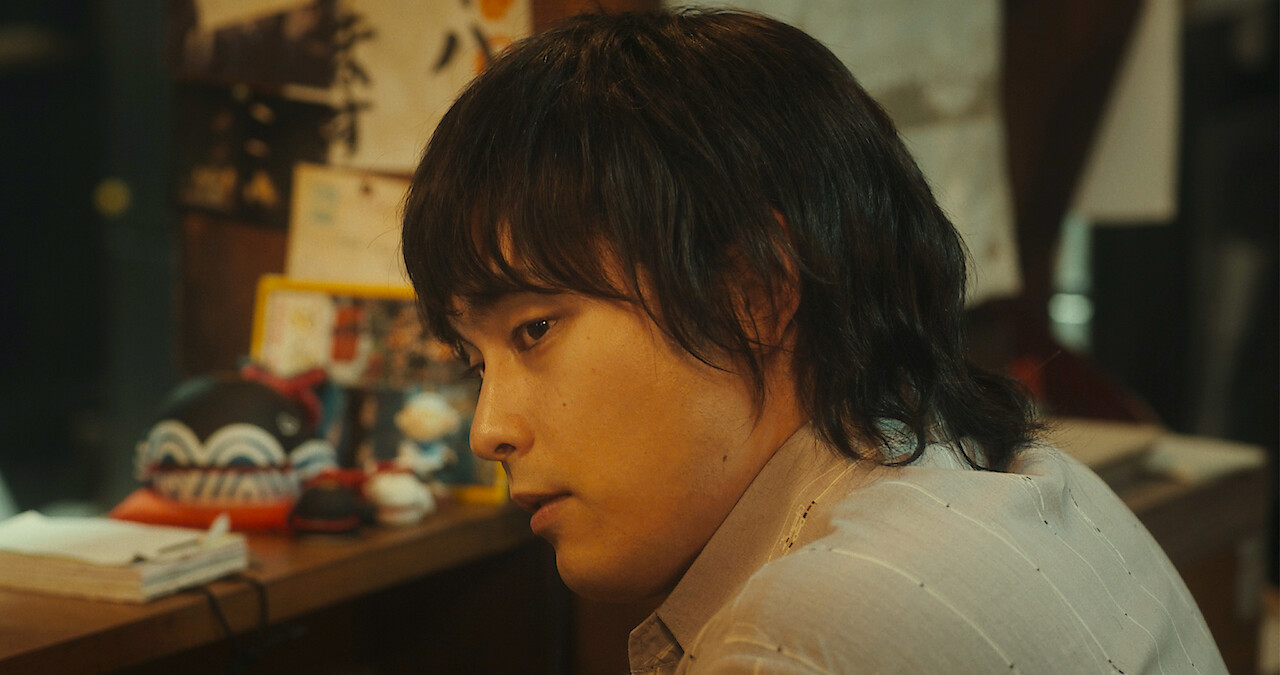
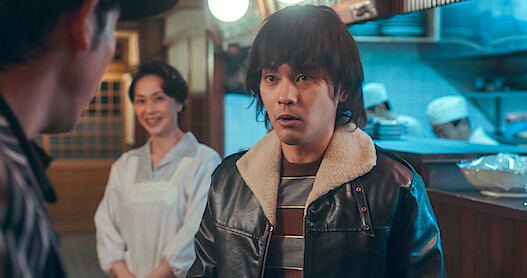
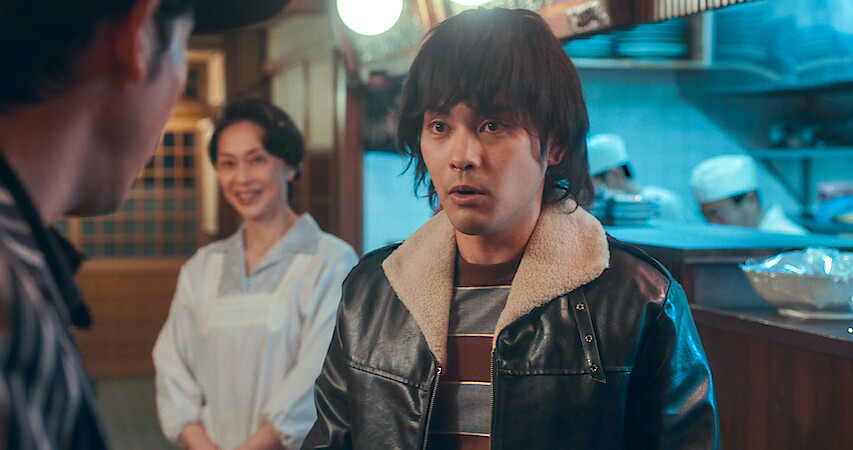
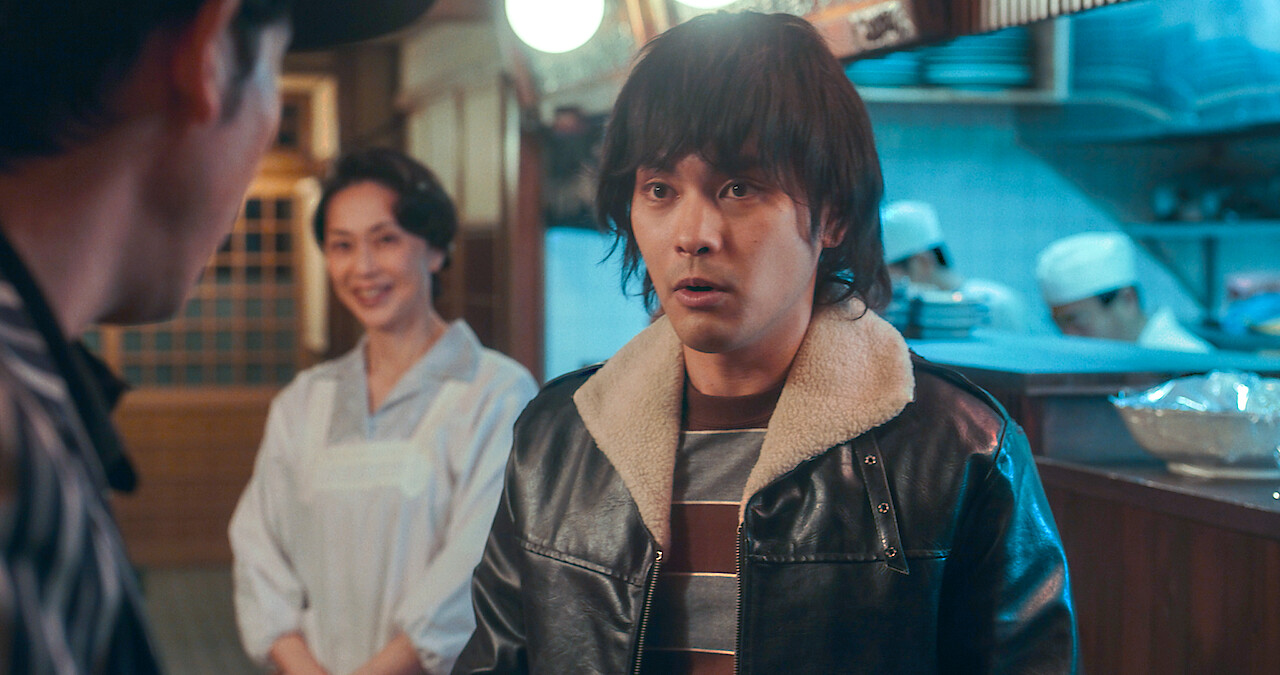
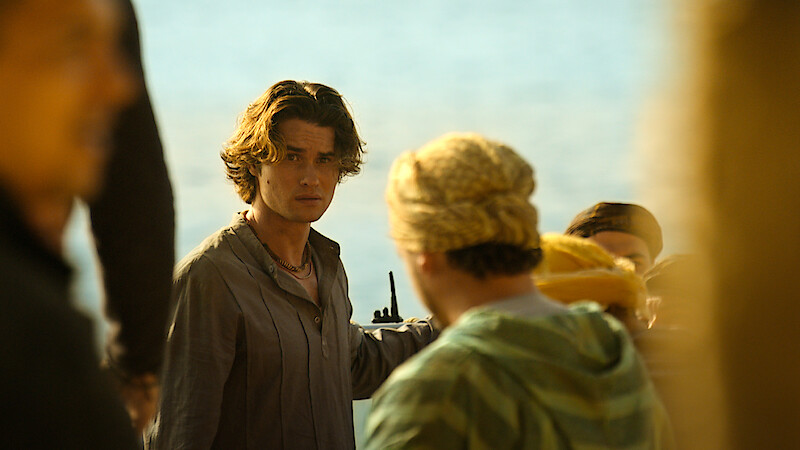
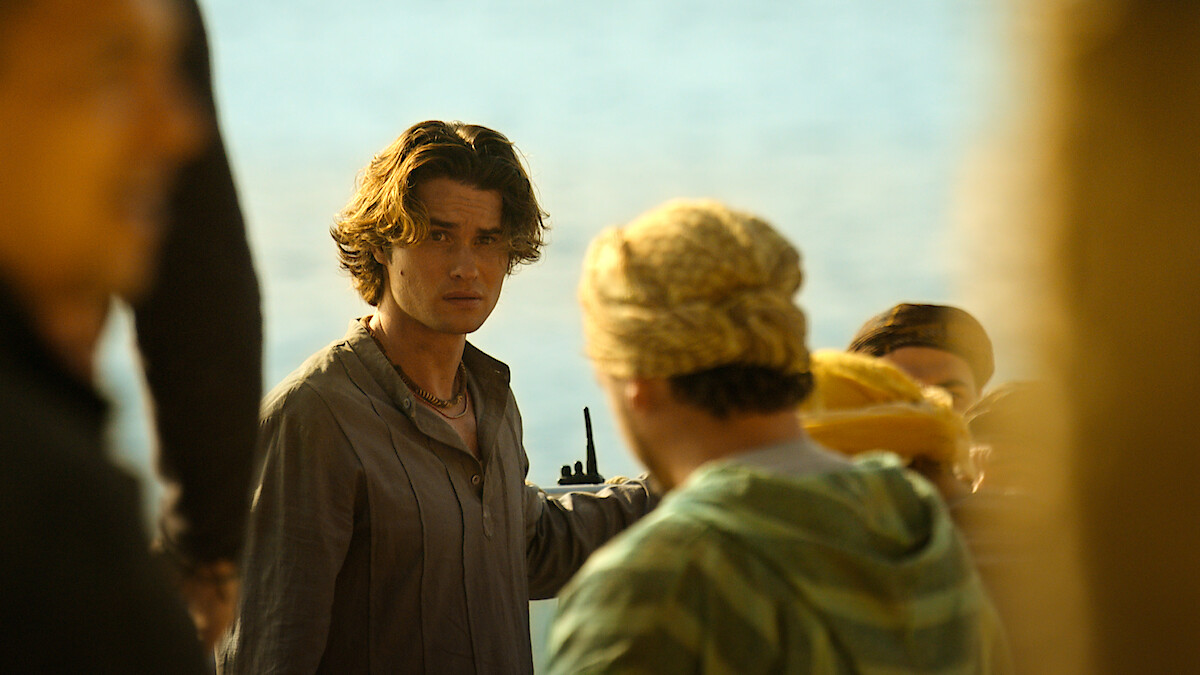
You’ve just joined Beat Takeshi and his mentor on a rollicking, tap-dancing ride through the Asakusa of the 1970s. The film Asakusa Kid, based on the autobiographical novel of the same title by Takeshi “Beat” Kitano himself, is the story of how Takeshi, now one of Japan’s most famous comedians, got his start in a club in the Tokyo neighborhood of Asakusa. It also tells the tale of Senzaburo Fukami, Takeshi’s comedic mentor and legendary Asakusa performer. While you don’t need to know anything about Takeshi or Japanese comedy going in, the film is full of references to the time period and Easter eggs for Takeshi fans.
For example: Who’s this “Kin-chan” that characters keep mentioning? What’s with the pun where whale also means art? What are the students protesting? And why do two boys excitedly scream the name of Romanian gymnast Nadia Comăneci after meeting Takeshi? Strap on your tap shoes, kid, you’re about to find out.
Throughout the film, Takeshi is encouraged (by everyone but Fukami, that is) to break out of the confines of Asakusa and into the comedy mainstream, making it big “like Kin-chan.” Wait, Kin who?
Kin-chan is the nickname of Kinichi Hagimoto, one of Japan’s most beloved comedians. Like Takeshi, Hagimoto got his start in the Asakusa scene, performing at clubs like the France-za, and was also taken under the wing of Fukami. After leaving Asakusa, Hagimoto began appearing in comedy acts on television in the late ’60s, and by the ’70s, he was a staple performer, known for hosting his own shows. At one point, he earned the nickname the 100% man, because if you added up the ratings for his concurrent shows, they’d equal 100% — in other words, essentially every household in Japan was tuned in to Kin-chan at some point. At age 80, Hagimoto continues to perform, and finds himself an unseen yet pivotal character in Asakusa Kid.
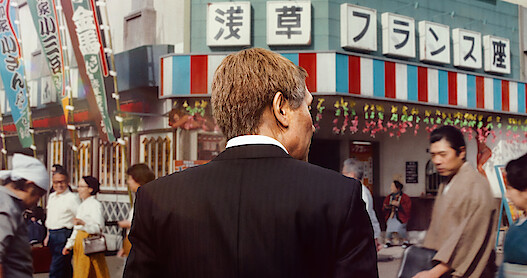
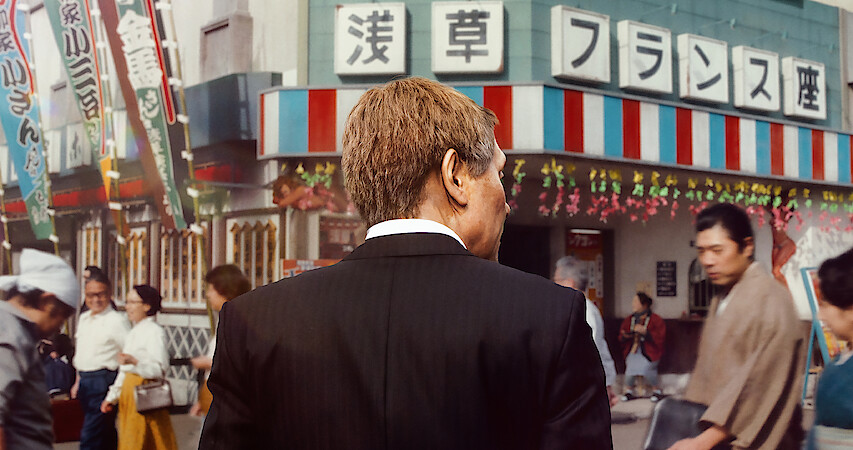
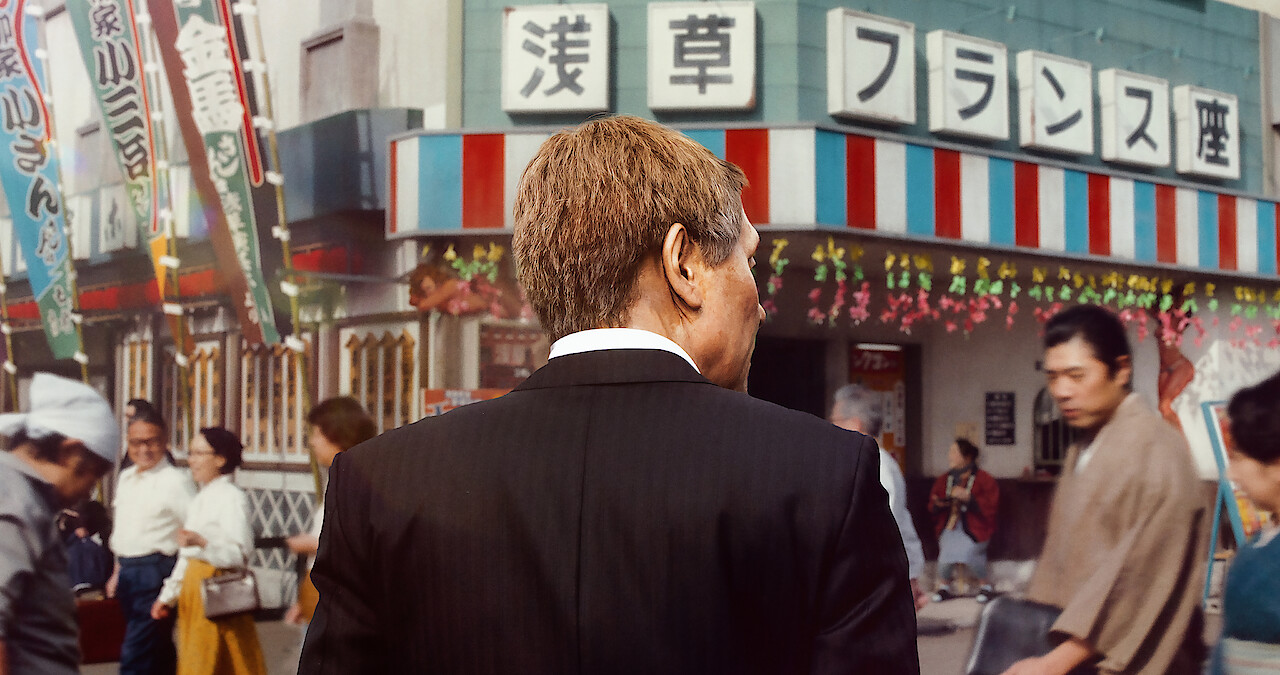
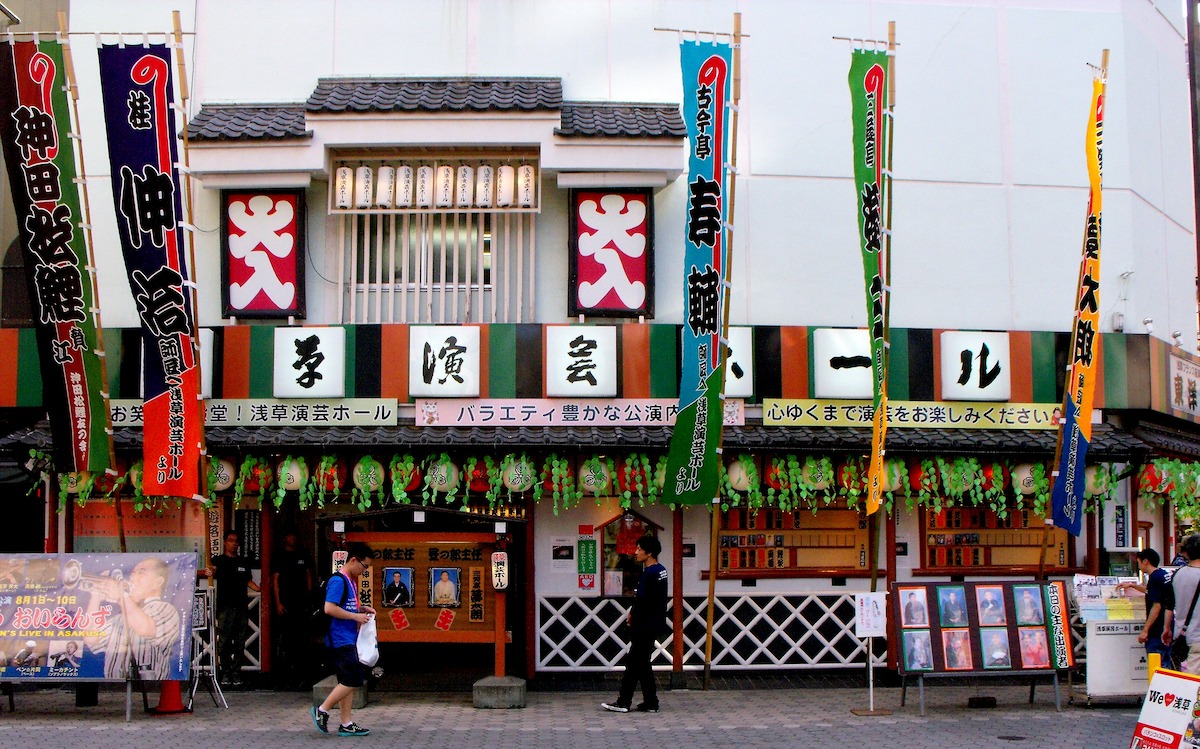
Asakusa Kid features lots of real-life locations in and around Asakusa. Though it’s set in the ’70s and ’80s, many of these places are still around. That includes the France-za, where Takeshi gets his start. Also known as the Toyokan, the France-za was founded on the site of a prewar movie theater. As seen in the film, the France-za specialized in a combination of strip shows and comic performances. Among its many alumni are luminaries like playwright Hisashi Inoue, who once called it “the University of Tokyo of the strip world,” equating the France-za with Japan’s top university. That’s some high-grade stripping. Eventually, strip shows became outmoded, and, in 2000, the France-za stopped putting them on altogether. Today, the theater hosts a variety of traditional entertainment, such as manzai, rakugo and other vaudeville-style performances.
The Nakamise referred to in the opening song (and occasionally seen in the background) is the Nakamise Shopping Street, a row of small shops leading to Asakusa’s famous Sensō-ji temple. A staple for Tokyo sightseers, it’s packed with stalls selling souvenirs and snacks like senbei and taiyaki.
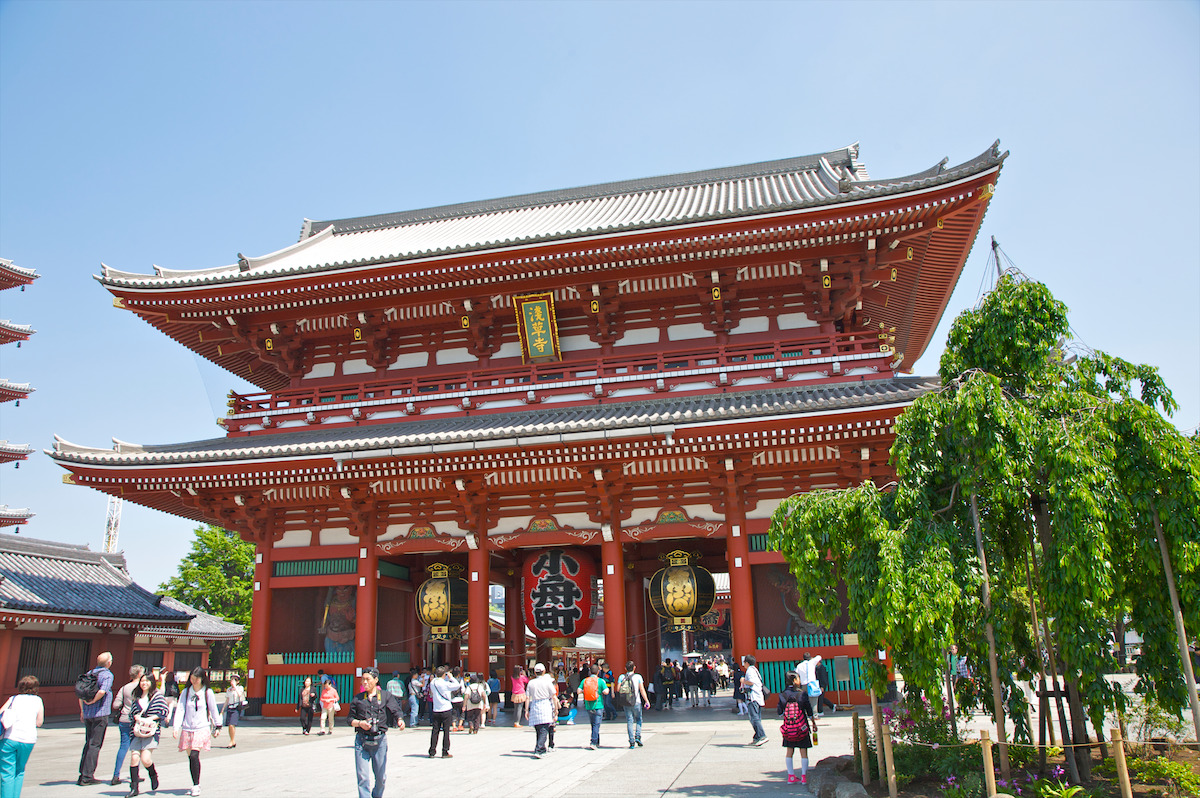
Let’s not forget Sensō-ji itself. Tokyo’s oldest extant temple, Sensō-ji was founded in 645. The entrance, also known as the Kaminarimon, or Thunder Gate, is another sightseeing staple and one of Tokyo’s most iconic photo spots. Takeshi asks for five yen to pray at the temple: the amount, about five cents, is considered lucky because five yen (“go en”) is pronounced just like good fortune (“go en”) in Japanese.
The aforementioned local haunt where Takeshi and friends “ate gei while polishing their gei” is called Hogei-sen. It’s still quite popular with entertainment types, but if you can’t get a seat, don’t worry: the entire street is lined with old-school izakaya that look and feel much like the hangouts in the film.
Midway through the film, Takeshi and his comedic partner Kiyoshi take their leave from mentor Fukami, forming a manzai duo called Two Beat. They put a fresh spin on the form, taking inspiration from jazz and the comedic stylings of Lenny Bruce — and to their delight, audiences really respond to the material.
But what is manzai, anyway? It’s a form of stand-up comedy performed by a duo, one of whom plays the “straight” man (the tsukkomi) and the other the “funny” man (the boke). The boke (Takeshi, in the case of Two Beat) makes off-kilter, rude or nonsensical jokes; then the tsukkomi, often in mock frustration, interrupts with a good dose of common sense.
Manzai remains a popular form of entertainment in Japan: An annual televised competition called M-1 is a key part of the winter holiday season in many households. (One perennial M-1 host is performer Hitoshi Matsumoto, who was fostered as a young comedian by none other than Kin-chan.)
There are a number of manzai acts referenced in Asakusa Kid, including:
More More: Also known as Double More More, this duo, formed in 1970, won the Grand Prize at the 23rd NHK Manzai Competition in 1975. They disbanded in 2020, and boke Ken now performs as a solo comedian at, yes, the France-za.
Kōta Fukuta: Also known as Harukaze Kōta Fukuta, they were known for a gag in which boke Fukuta bit the left shoulder of tsukkomi Kōta's suit during the performance. The duo was active until 2020. Kōta (real name Akio Kobayashi) passed away in April 2021, at the age of 78.
A few viewers might’ve been caught off guard when, near the end of the film, two young boys are heard yelling “Comaneci!” while pulling their arms up and down in a V-line around their, uh, crotch area.
This is a reference to one of Takeshi’s most enduring gags, and it’s definitely one that requires a bit of explanation. Comaneci refers to Romanian gymnast Nadia Comaneci, who caught the eye of the world at the Olympics in 1976, when she was awarded the first perfect 10 in the history of Olympic gymnastics. Comaneci pulled off the feat wearing a distinctive leotard with a sharp V line that shocked many in Japan. Takeshi took to making a V with his arms and yelling “Comaneci!” while tracing an imaginary leotard on his legs, to the delight of viewers. Pretty quickly, it caught on — to the point where the wax statue of Takeshi at Madame Tussauds is striking the Comaneci pose. Takeshi and Comaneci actually met years later — the former gymnast took the joke in stride, chiding Takeshi, “I heard you’ve earned a lot of money from my name over the years… how about sharing it with me 50/50?”
By the way, if you’re looking to pull a Comaneci at home, according to Takeshi, the ideal angle for your elbows is 120 degrees. The more you know!
This one was explained briefly in the film, but let’s take a deeper dive. The main characters’ local haunt in Asakusa specializes in whale meat. The kanji character for whale (鯨) can either be read kujira or gei. Meanwhile, the word for art or performance, while represented by a different kanji (芸), is also read gei. Hence the pun: eat gei while polishing your gei.
It should be noted that the restaurant depicted in the film is real and is still in operation in Asakusa. Look it up online, and you’ll see it described as “the place where Takeshi used to eat.” That brings us to: Do people in Japan really eat whale meat? Yes, though much less than in previous decades. Whale was a prime source of protein in the immediate postwar years, but by 2017, annual per capita whale meat consumption was a statistical zero.
Blink and you’ll miss it, but there’s a passing reference in the film to the “student protests.” The ’60s and early ’70s were a turbulent time in Japan, with movements rising up against, well, a lot of things — including unpaid internships on college campuses, the US-Japan security treaty known as Anpo, the construction of Narita Airport on rural land and the Vietnam War. These protests also inspired a wave of music, literature, films and other art.
Takeshi, who entered Meiji University in 1965, was of the generation involved in the student protests, and he was known to, in lieu of attending classes, hang out in the bohemian hotbeds of Shinjuku and Ikebukuro, frequenting jazz cafes and bars — where he, no doubt, picked up the idea to use a jazz-like tempo in his manzai act.