Interview
Gabby Petito’s Parents Aren’t Done Fighting
After American Murder, Petito’s family reflects on her enduring spirit and champions her legacy.
July 16, 2025
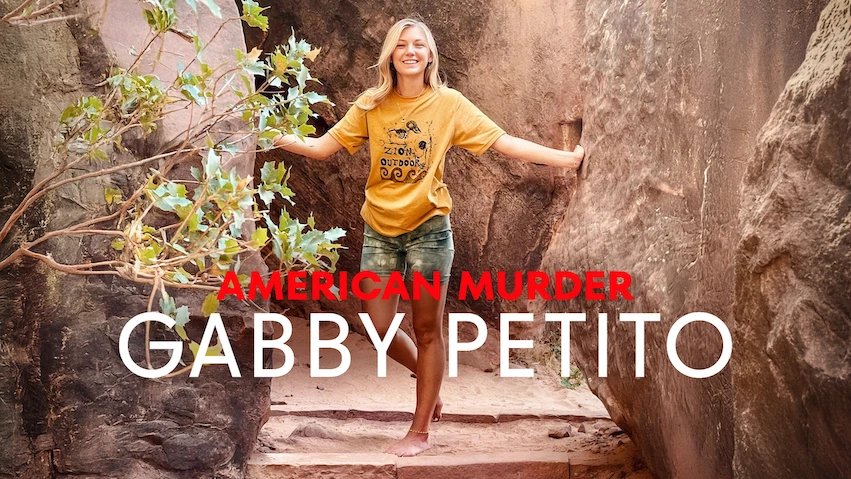
The docuseries American Murder: Gabby Petito chronicles the harrowing search and tragic events that unfolded in the late summer of 2021. On Aug. 12, witnesses reported a domestic violence incident between aspiring vlogger Gabby Petito and her fiancé, Brian Laundrie, to police in Moab, Utah. Police arranged for the couple to separate for one night, and two weeks later, Petito disappeared. In the following weeks, Petito’s parents and stepparents began a desperate search for their daughter and were frequently stymied by law enforcement’s inability to pursue credible leads.
When Petito’s body was eventually found at the Spread Creek camping area in Wyoming, her death was ruled a homicide, and a federal arrest warrant was issued for Laundrie on Sept. 23. A month later, when the park where the authorities had been searching for Laundrie was opened to the public, his decomposed remains were found, and police determined that he died by suicide from a gunshot wound. After Laundrie’s death, Petito’s family filed lawsuits against Laundrie’s estate and parents, eventually settling to avoid a civil trial.
Following their daughter’s disappearance and murder, Petito’s parents have emerged as fervent advocates committed to preventing similar crimes. Channeling personal grief into a focused mission of victim advocacy and legal reform, they’ve worked to address domestic violence issues and to address disparities in media coverage for missing persons of color.
As they discuss the series’ release below, Petito’s parents — her mother Nichole Schmidt, stepfather Jim Schmidt, father Joe Petito, and stepmother Tara Petito — reflect on their daughter’s murder, her vibrant spirit, and their ongoing efforts to transform tragedy into meaningful action with the Gabby Petito Foundation and beyond.
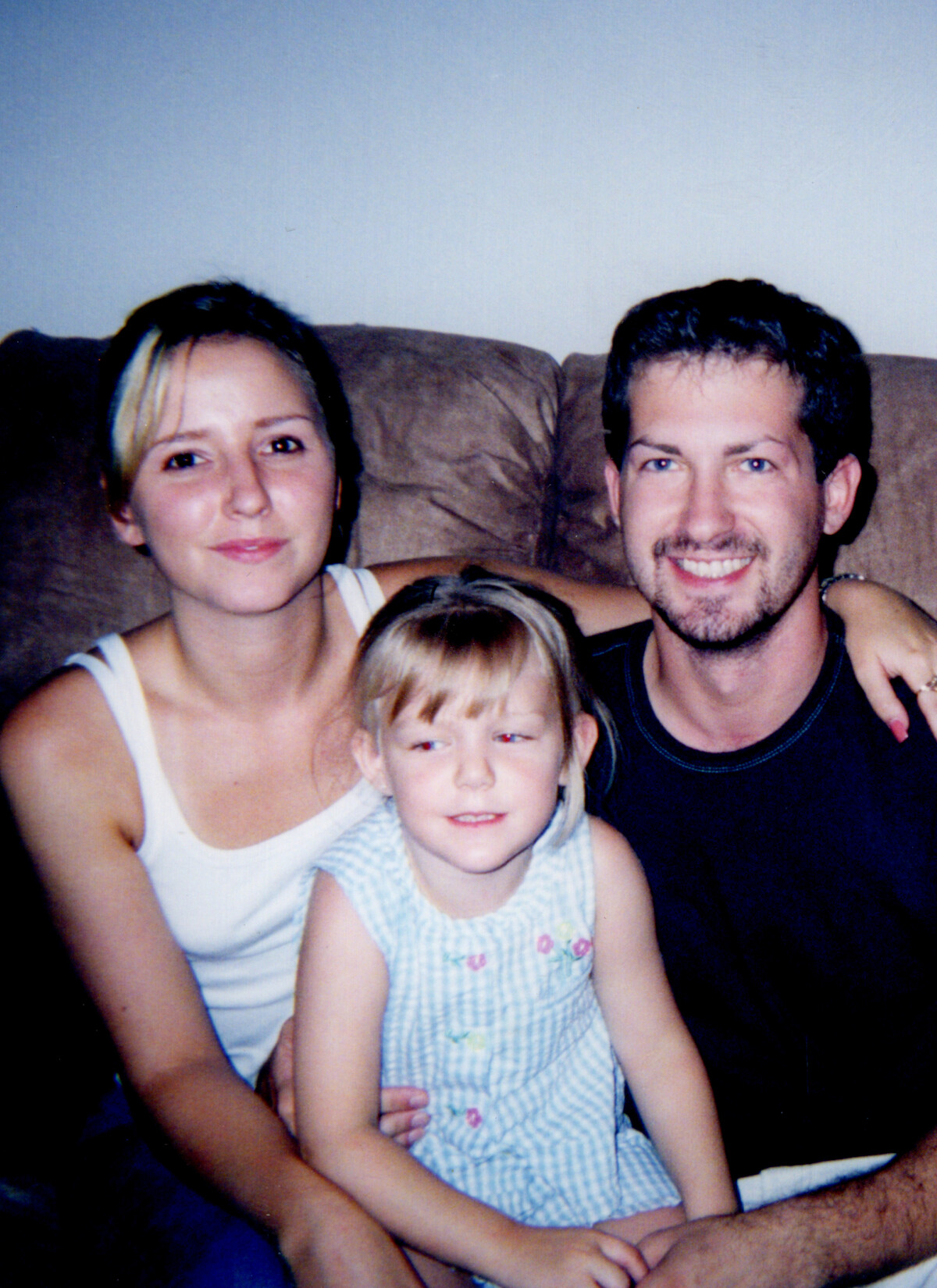
Joe Petito and Tara Petito with young Gabby
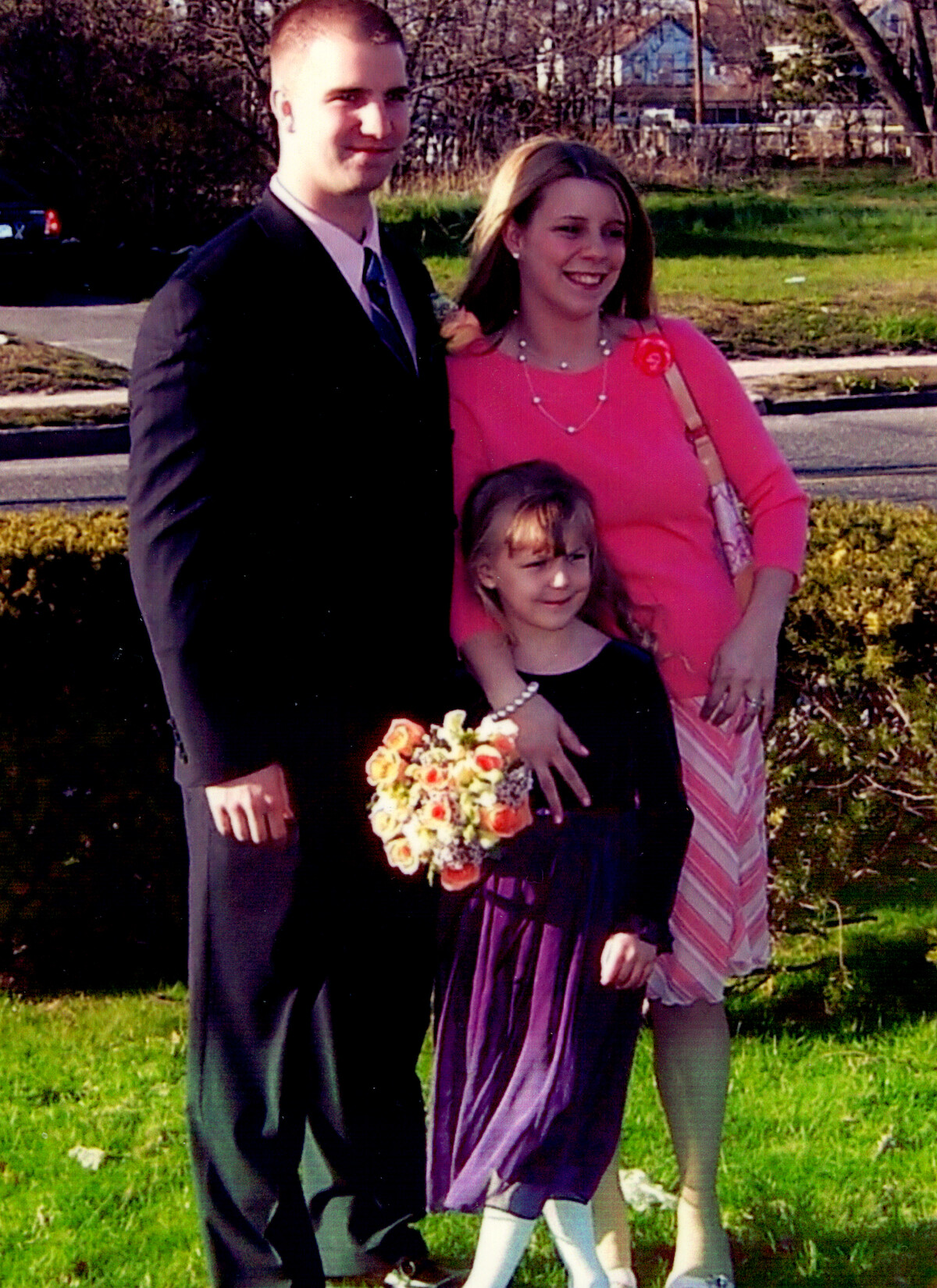
Jim Schmidt and Nichole Schmidt with young Gabby
On settling with the Laundrie family:
Jim Schmidt: We reluctantly settled, but we got as much information as we were hoping for. When that day was over, a tremendous weight was lifted off of our shoulders. After that day, we all took a deep breath. It really allowed us to start working on what we want to do for the [Gabby Petito Foundation], to focus on that and truly start making a difference. It was a big pivot point for us.
Nichole Schmidt: That was a huge weight off our shoulders.
Tara Petito: Going through that was so emotionally triggering and exhausting. Once we were able to settle, that weight just came right off, and we were able to focus more on the foundation and getting those resources. That’s the most important part.
On why it’s important to them to continue speaking out:
Tara: Gabby touched so many people. She touched the world, and by getting her story out there to more viewers, maybe it’ll save one more life. We’ve already received so many messages saying, “Because of Gabby’s story, I got out of that relationship.” That’s why we started the foundation as well, to help others and get resources in their hands. That is so important, because Gabby was not able to get those tools.
Nichole: We know telling her story will help someone.
Joe Petito: Even in public, people will come up to you and just hug you…. You know where it’s coming from. I’m a product of domestic violence. Tara experienced domestic violence in a previous relationship. When you don’t understand or know where to go when those situations arise, hearing something like Gabby’s story is eye-opening. The reason we’re doing this is to get that information out there for as many people as possible, because a lot of people don’t know where to go when they’re in that situation.
On how they’ve worked together to pass new legislation:
Tara: We’ve had our hands in four laws already.
Joe: We helped pass S.B. 117, the Domestic Violence Amendments bill that reformed lethality assessments in Utah — [meaning a series of questions that determine whether someone in a domestic violence situation is at risk of being murdered] — which we then brought to Florida. We also helped Florida revamp the way they handle their missing persons, because we weren’t able to report Gabby missing. These bills became known as the Gabby Petito Act (S.B. 1224). Then Sen. Chris Murphy from Connecticut had what’s called Billy’s Law, or the Help Find the Missing Act, for Billy Smolinski, who went missing in Connecticut 20 years ago and still hasn’t been found. [Murphy] had shelved that bill, so we talked to him, and we helped get it passed in 2022.
On how they are lending their spotlight to help raise awareness for missing persons of color:
Joe: We said it from the beginning: Everyone deserves the same attention. Over 600,000 people go missing in the US each year, and nearly half of them are Black or people of color. So why don’t you see those stories in the mainstream media? You always see women like Gabby, Natalee Holloway, or Elizabeth Smart. They all tend to look the same.
Jim: What we’ve tried to do is align ourselves with organizations like Black and Missing Foundation, who do amazing work. Last year, Tara and I were out in Arizona with the family of Jamie Yazzie, a Navajo woman who went missing and was ultimately murdered. She was found around the same time as Gabby but didn’t receive any attention. The family had asked us to come out there and stand with them for the sentencing of the man who took her life. We weren’t there to overstep and make [it] anything about Gabby, but simply to support them and help elevate their voices.
Tara: Gabby gave us this platform, and we want others to be able to use it. If the light is shining on us, we want to shine it on other victims and other families that deserve it just as much as she did.
On what they want people to know about Gabby and take away from this docuseries:
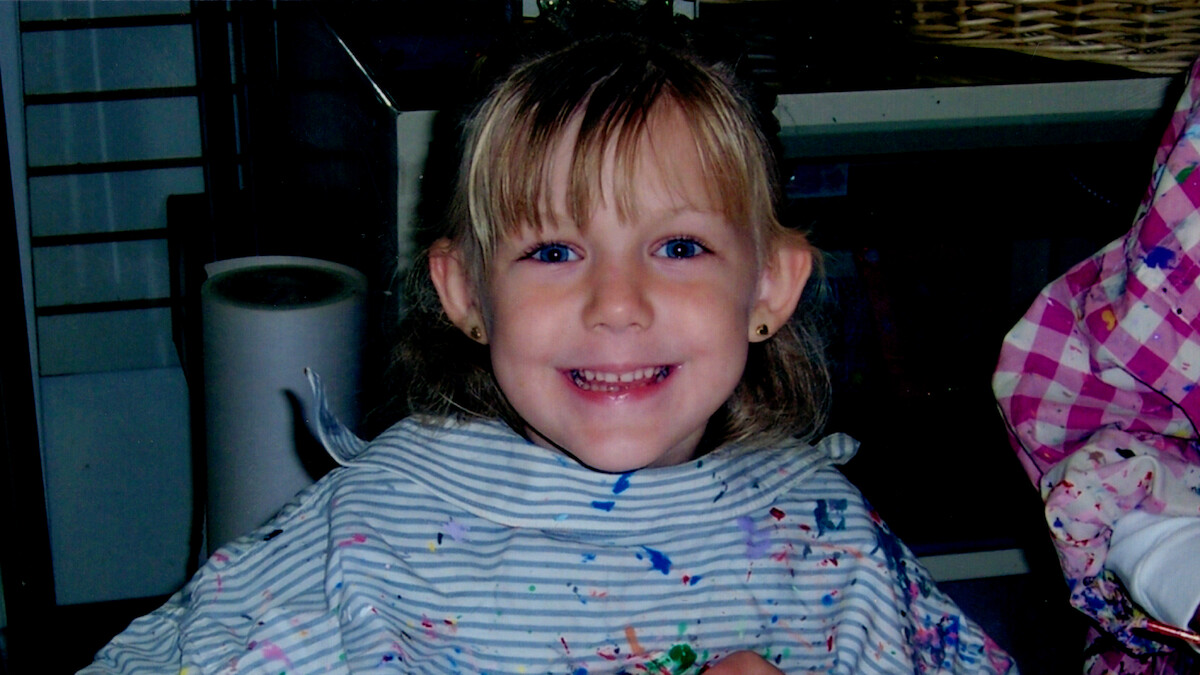
Tara: Gabby was a bright light. She was amazing. She loved adventure. That’s why she went on this trip. She was an artist. She was a great big sister. Her brothers and sisters adored her, and she adored them. We miss her and love her so much.
Joe: I’d like to see countries around the world use her story as a learning tool to get better resources and information out to everyone that needs help. There are so many — 10 million people in the US are affected by domestic violence every year.
Nichole: Take Gabby’s light — the Gabby that you see laughing and dancing and fearless — and take that as inspiration on how to live your life. There’s a quote I love that says, “Be the things you loved most about the people who are gone.”
Jim: Gabby was amazing, and she wasn’t just our daughter; she was a sister and a friend. She was loved. What happened to her can happen to anyone at any time. Don’t take for granted the small moments in life, because, in the end, those moments with your loved ones are the most memorable times in your life, and tomorrow’s never promised. So be in the moment today and be inspired by her.
Nichole: When you’re watching a documentary like this, remember that it’s not just a story. It’s not just entertainment for you; it’s not just “true crime.” Remember that there are always real lives involved and that these things can happen to anyone. So choose empathy and kindness every day, because everybody’s going through something. That’s how Gabby lived her life.
Watch American Murder: Gabby Petito on Netflix now.
If you or someone you know has experienced relationship abuse, information and resources are available at wannatalkaboutit.com.
This interview was edited and condensed for clarity. Additional reporting by Sarah Rodman.